The Outer Sunset is the part of San Francisco that visitors reach last and residents defend most. It is a wide flat grid of low houses running west from Golden Gate Park to the Pacific, it is the foggiest neighbourhood in a foggy city, and it has quietly become one of the better places to eat here - partly because rents are lower, partly because it is far enough out that nothing has to perform for anybody. Two variables govern a trip: what the fog is doing, and which stop on the N Judah you choose. Everything else follows.
Out here the difference between a good afternoon and a cold walk is knowing whether the fog is in and which of the three commercial streets is actually open. Tell Karpo when you are heading west and what you want to eat.
The fog is a planning input, not a mood
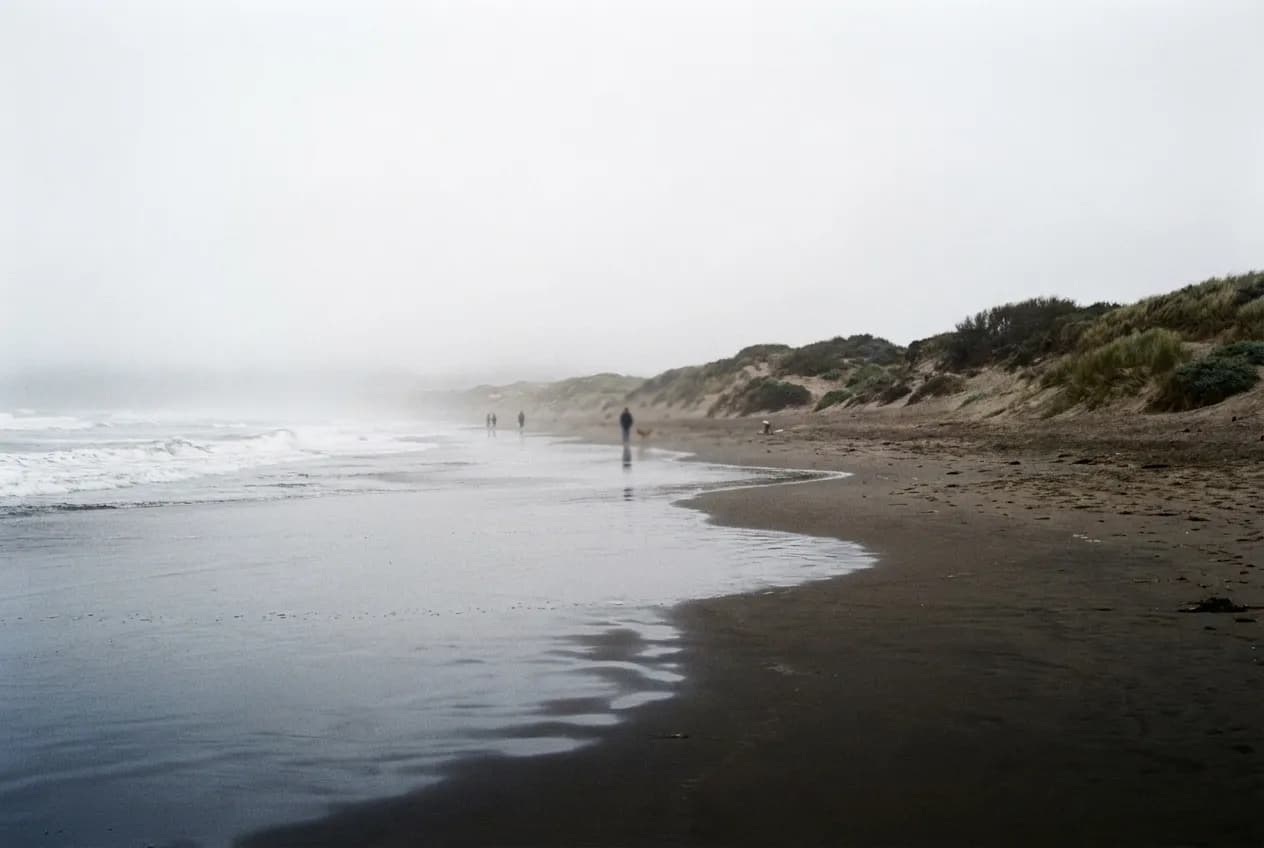
This needs saying plainly because visitors consistently get caught: the Outer Sunset can be ten to twelve degrees colder than the Mission on the same afternoon, with a steady onshore wind, and this is most pronounced in July and August. San Francisco's summer is its foggiest season, and the Sunset gets the worst of it. A clear warm day downtown tells you nothing about conditions at Ocean Beach three miles west.
The practical response is a proper coat rather than a jacket, and a plan that has an indoor option in it. It also changes what you want to eat: this is a neighbourhood of hot soup, noodles, congee and long coffees, and that is not an accident. The food evolved to suit the weather. On the handful of genuinely clear warm days the neighbourhood gets - often in September and October, which are the city's real summer - it transforms completely and the beach fills.
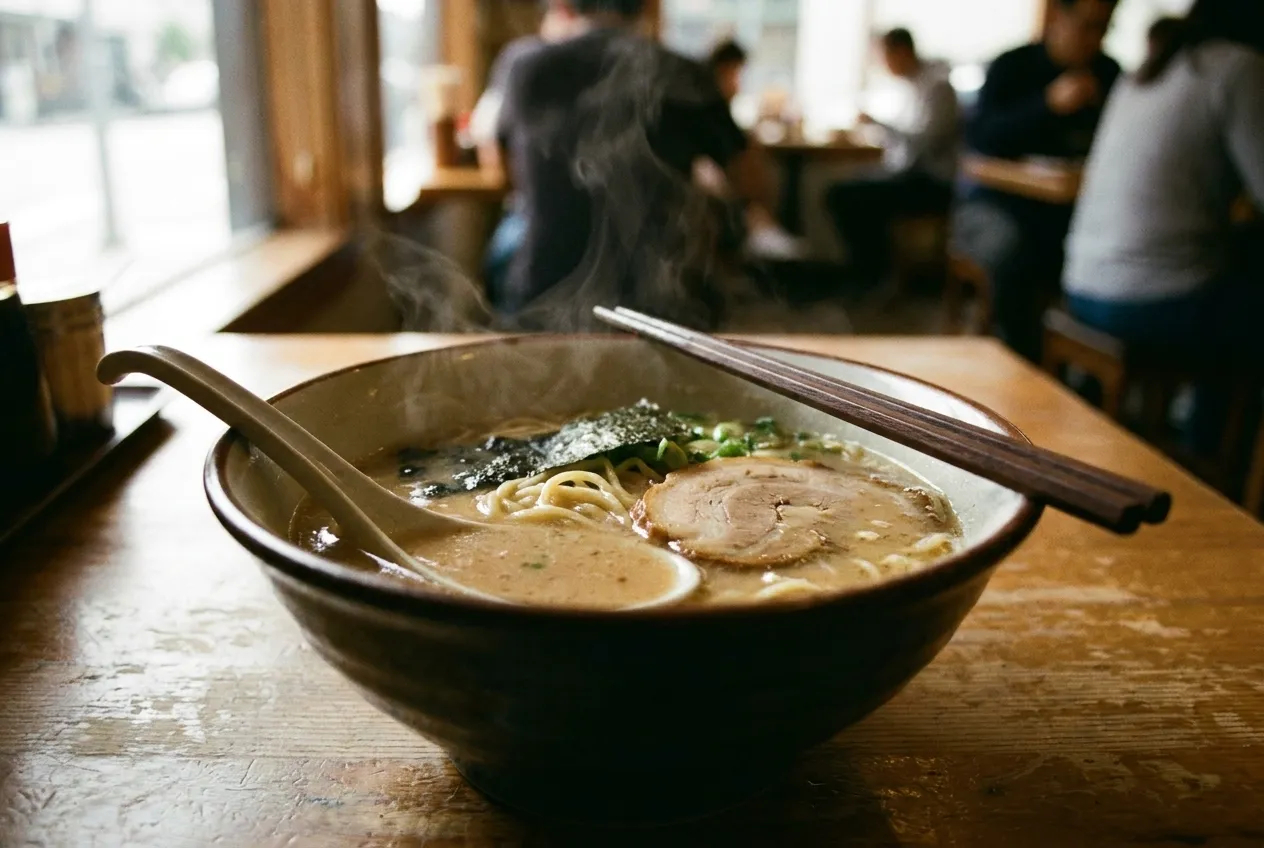
The three streets, and what each is for
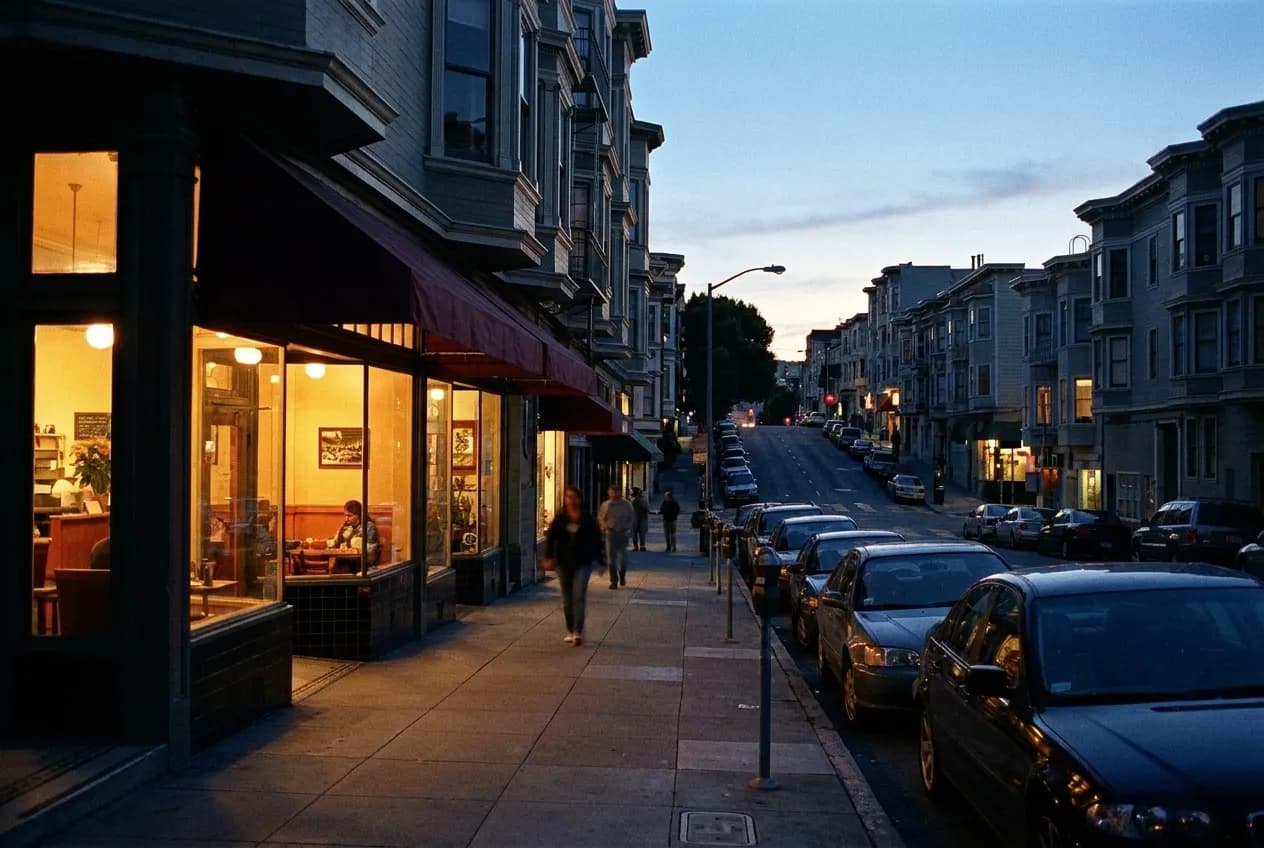
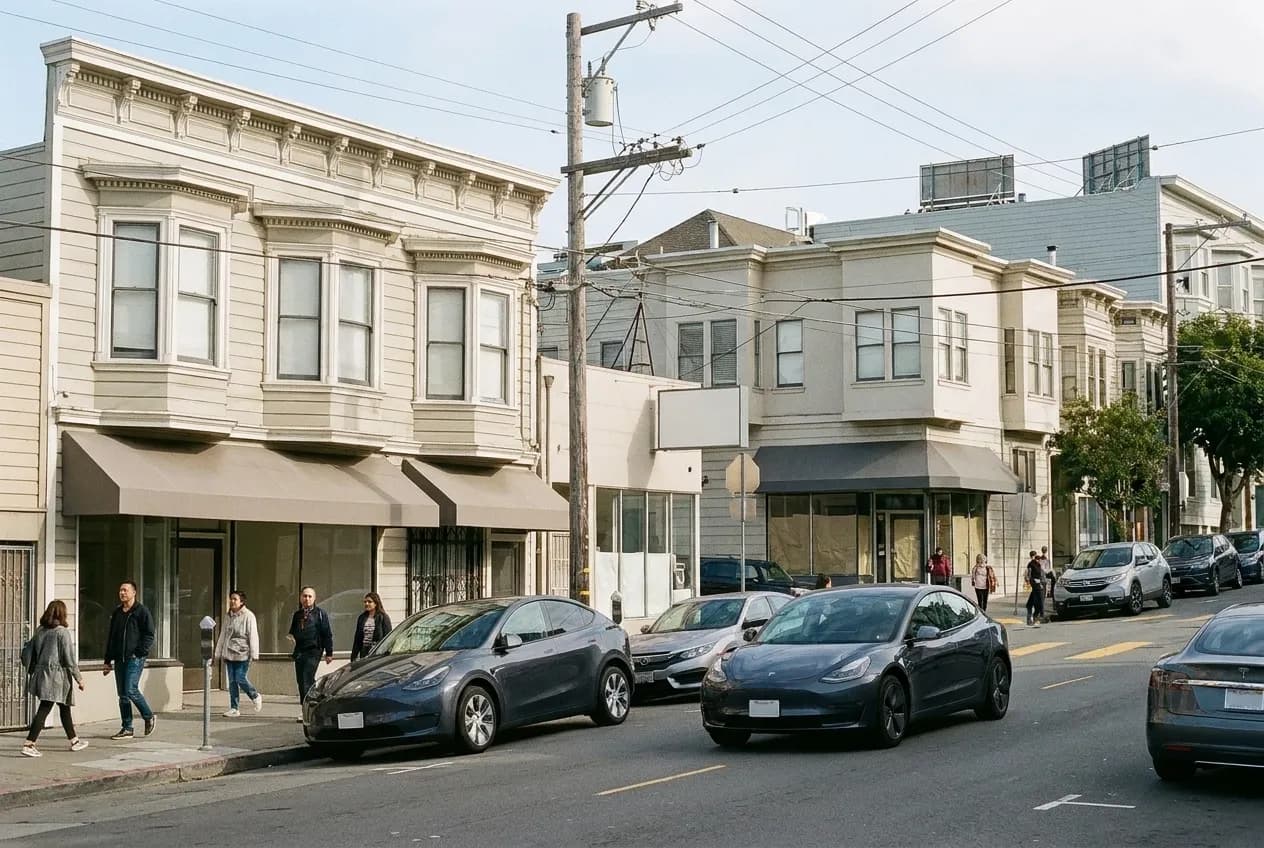
Irving Street is the main commercial spine and the busiest. Between about 19th and 27th Avenues it is dense with Chinese restaurants, bakeries, boba shops and Vietnamese counters, and further west it thins out and turns residential before picking up again near the beach. This is the street to walk if you want choice and do not have a specific target.
Noriega Street, four blocks south, is quieter, cheaper and in several categories better - more neighbourhood-facing, more Chinese bakeries and small family kitchens, less foot traffic. Judah Street carries the N line and has a different character again: a strip of coffee, surf-adjacent cafes and casual rooms clustered near the beach end around 45th and 46th Avenues, which is where the neighbourhood's newer wave concentrated. If you only have one afternoon, walk Irving for the food and Judah for the coffee.
What to actually eat
The strongest category is Chinese, and specifically the everyday version - noodle houses, congee, roast meat over rice, dumplings, and the bakeries selling egg tarts and pineapple buns for a couple of dollars. The Sunset and the Richmond together hold more of this than Chinatown does, and it is aimed at residents rather than visitors, which shows in the price and the consistency.
Second is Vietnamese - pho, banh mi and rice plates along Irving and Noriega, at prices that have barely moved. Third is the bakery layer, which is genuinely excellent and includes both Chinese bakeries and a strong newer wave of sourdough and pastry operations near the beach. Fourth, and most surprising to people who have not been out here in a few years, is the coffee: the Judah corridor has a real cluster of serious roasters and cafes, and it is one of the best places in the city to sit for two hours.
Getting there and getting back
The N Judah is the longest Muni Metro line and it runs from downtown through the Duboce Triangle, along Carl Street, through the Inner Sunset and then straight down Judah to the beach at 48th Avenue. It is the spine of any Outer Sunset trip and the reason not to drive. From downtown, budget forty to fifty minutes to the beach end - it is a long ride, and it is worth understanding that before you commit.
The other useful routes are the 7 along Haight into the park, and the 29 running north-south across the avenues if you want to combine the Sunset with the Richmond. Parking, unusually for San Francisco, is genuinely easy out here - the grid is wide and largely residential - so driving is not the mistake it is elsewhere in the city. Getting back late is the weak point: service thins in the evening and the ride back into town is long, so plan the return before the last coffee.
Building an afternoon
The version that works for most people: take the N to around 19th or 20th Avenue, walk Irving west a few blocks eating in two or three places rather than one, cut south to Noriega for a bakery, then take the N or walk the last stretch to Ocean Beach for the sunset if the fog has lifted. Golden Gate Park's western end - the windmills, the bison paddock, the Botanical Garden further in - sits immediately north of all of this and is the natural pairing.
Time it around sunset if the forecast is clear. Ocean Beach faces due west with nothing between it and the Pacific, and the fire pits at the southern end are legal and used. If the fog is in, the honest alternative is to stay on the commercial streets, eat something hot and treat the beach as a ten-minute look rather than the point of the trip.
Practical notes
Weather: check the Sunset forecast specifically, not the city one - they routinely differ by ten degrees. Bring a windproof layer year-round; September and October are the warmest, clearest months. Hours: this is an early neighbourhood, with a lot of kitchens closing by nine and some bakeries selling out by early afternoon. Prices run noticeably below the eastern half of the city. Cash is still useful at the smaller Chinese counters. Parking is easy and free on most residential blocks. And the N Judah takes forty to fifty minutes from downtown each way, which is the single fact most trips out here fail to budget for.
Tags: #FoodNearMe #OuterSunset #SanFrancisco #NJudah #OceanBeach #IrvingStreet #NoriegaStreet #JudahStreet #SunsetDistrict #GoldenGatePark #SFEats #NeighborhoodGuide #KarlTheFog #SFCoffee
All trademarks are the property of their respective owners.
Ask Karpo first
The Outer Sunset is a forty-minute ride each way, which makes it the one neighbourhood in San Francisco where getting the plan wrong actually costs you the afternoon. Ask Karpo what the fog is doing out there right now, which counters on Irving and Noriega are open at the hour you will arrive, and whether it is worth staying for the sunset tonight.