By the early 1950s the Fillmore had so many jazz, blues and R&B clubs packed into a few blocks that boosters were calling it the Harlem of the West. Charles Sullivan, a Black entrepreneur, leased a dance hall, renamed it the Fillmore Auditorium and booked James Brown, Ike and Tina Turner and Little Richard into it. That neighbourhood does not exist any more, and the reasons are a matter of public record — redevelopment cleared much of it block by block from the late fifties onward. What survives is a small number of rooms and a street that still books music every week.
The Fillmore's music calendar is spread across a handful of rooms that each book differently, and the good weeknight shows rarely make the listings sites. Tell Karpo which night you are free and what you want to hear, and get who is playing on Fillmore Street that evening, what the door costs, and where to eat before the first set.
The Boom Boom Room is the working heart of it
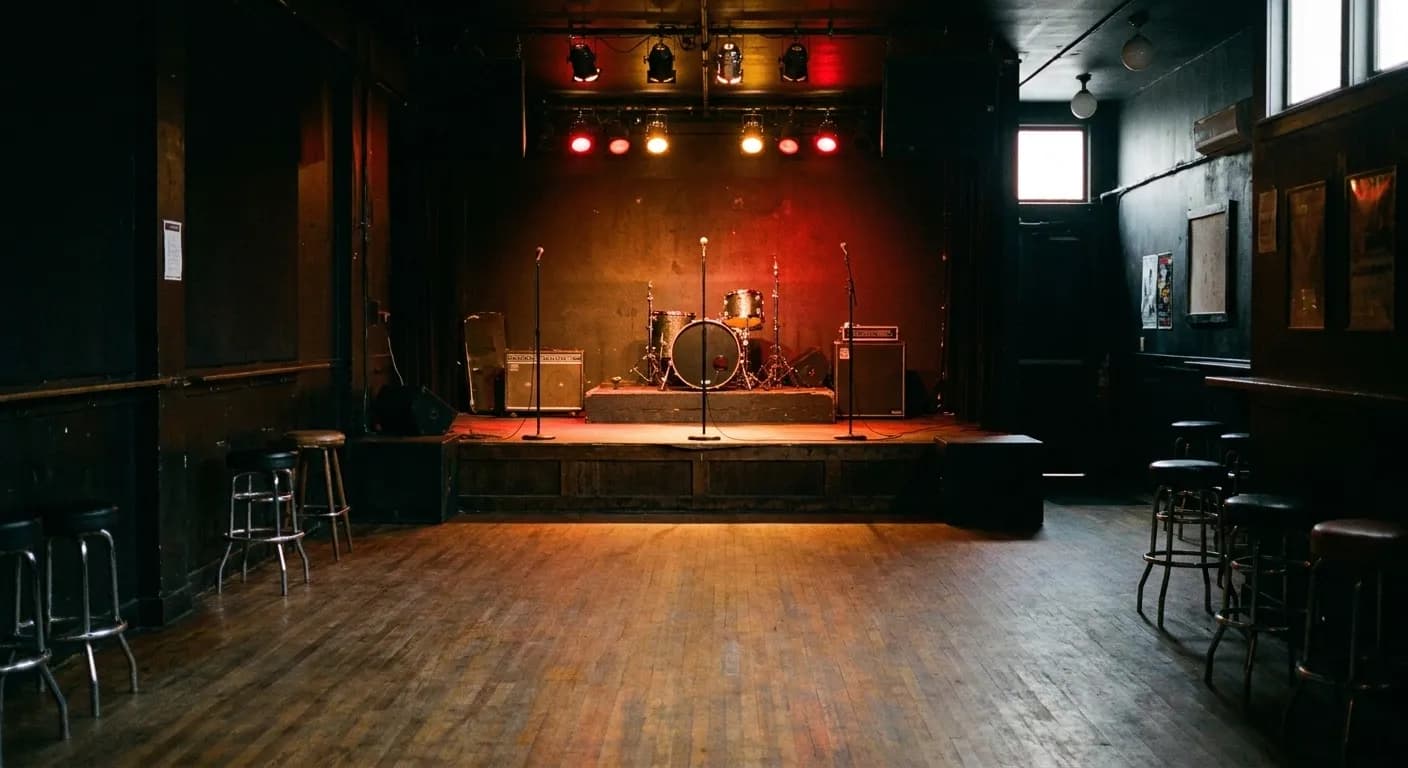
Founded in 1997 at 1601 Fillmore, it is a two-hundred-capacity juke joint that runs blues, boogie, soul and groove most nights of the week. It is not a museum piece and does not present itself as one; it is a small room with a dance floor where the band is close enough that standing at the back is a choice rather than a consolation. If you have one night in this neighbourhood and no strong preference about the act, this is the room to be in.
Capacity that size has a practical consequence worth planning around. A well-known touring act sells it out and the door queue forms early; a local Tuesday booking does not, and you can walk in at ten and dance.
The Fillmore itself is a different scale entirely
The Fillmore Auditorium a block away is a national landmark of a venue and books national touring acts into a room that holds well over a thousand. It is a wonderful building — the chandeliers, the poster collection upstairs, the apples in a barrel at the door — but it is a concert venue rather than a neighbourhood club, and pretending the two are the same thing is how people end up disappointed. Use the Fillmore for a show you already wanted to see. Use the small rooms for a night out.
Sheba and the sit-down end of the street
Sheba Piano Lounge at 1419 Fillmore covers the other half of the neighbourhood's music culture — a small, intimate room with a piano, Ethiopian food and live jazz most nights, where the music is the accompaniment to an evening rather than the whole of it. That combination, dinner and live jazz within a few blocks of a landmark venue, is the closest the modern Fillmore comes to the density it once had, and it is a genuinely lovely way to spend a Tuesday.
What the redevelopment actually removed
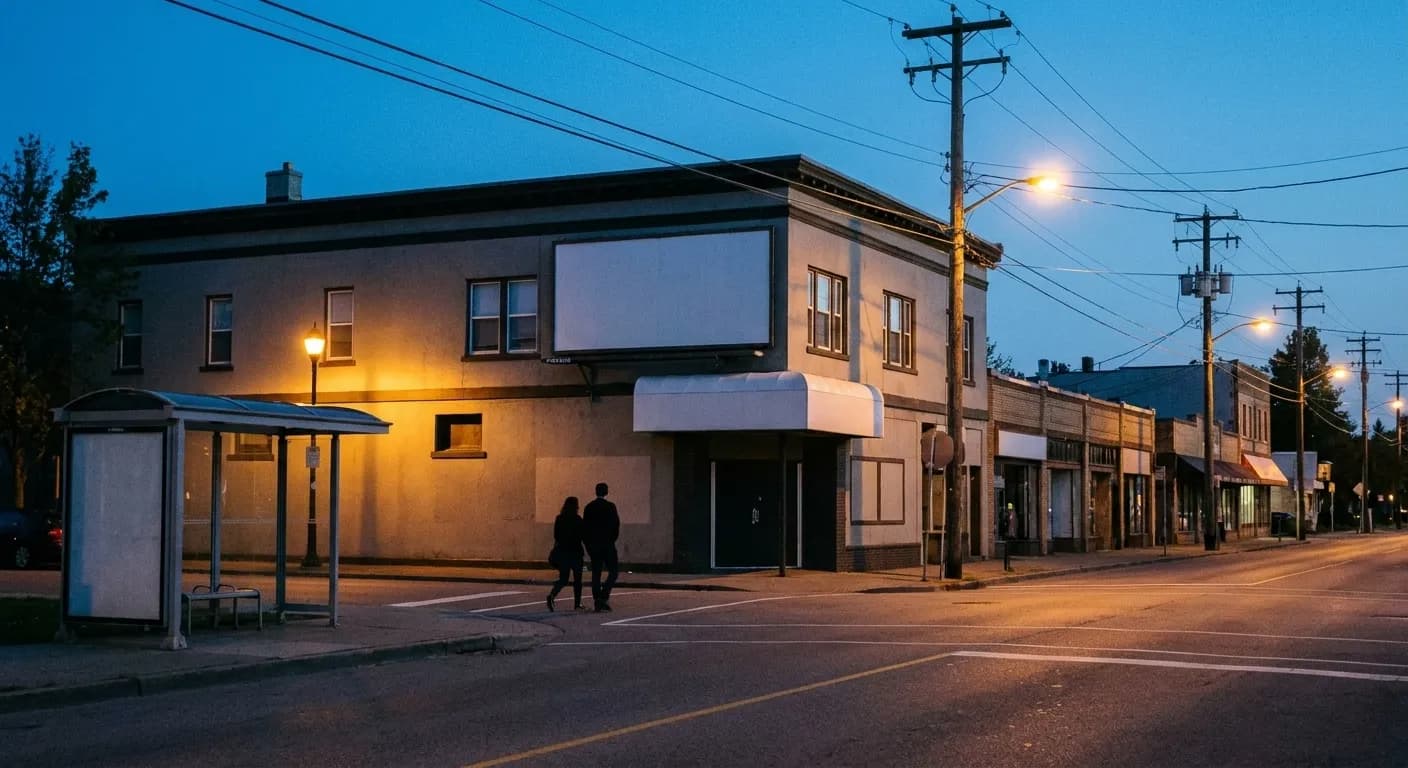
It is worth being clear about this rather than nostalgic. The clubs that made the neighbourhood's name were not lost to changing taste; they were demolished in a redevelopment programme that displaced a large part of the Black community that had built the scene. Interpretive markers on the street and the Fillmore Heritage Center's history acknowledge it. Walking the blocks between Geary and Post with that in mind changes what you are looking at — the gaps in the streetscape are the story, not the buildings.
Making a night of it
The neighbourhood's Japantown edge, a few blocks north, gives you dinner options that stay open late enough to eat before a nine o'clock set. The annual Fillmore Jazz Festival takes over the street in summer and is worth planning a weekend around if you are here for it. And the practical Fillmore rule: sets start later than the listing says, so a nine o'clock show means arriving at nine for a seat and half past nine for the music.
How to hear the history, not just read it
The neighbourhood's own institutions do this better than any plaque. The Fillmore Heritage Center building and the walk of fame set into the pavement along Fillmore Street between Geary and Eddy mark the clubs and the musicians who played them, and the sidewalk markers are easy to walk past without noticing. Reading a few of them before you go into a room changes the evening, because the acts you are about to hear are working in a direct line from names on the ground under your feet. Give yourself twenty minutes on the street before the first set rather than arriving straight into a dark room.
Practical notes
The Boom Boom Room at 1601 Fillmore, open since 1997 and holding around two hundred, is the reliable club night. The Fillmore Auditorium is a landmark concert venue, not a drop-in room. Sheba Piano Lounge at 1419 covers dinner-and-jazz. Read the street as a redevelopment story rather than a preserved one. Eat in Japantown beforehand and expect sets to run later than advertised.
Tags: #LiveMusic #Fillmore #SanFrancisco #JazzHistory #BoomBoomRoom #HarlemOfTheWest #SFNightlife #NeighborhoodGuide #Japantown #SFWeekend #BluesMusic #SFMusic #SFGuide
Please drink responsibly. Must be of legal drinking age.
All trademarks are the property of their respective owners.
Ask Karpo first
Want to know who is playing on Fillmore Street tonight, what the door costs and how early the room fills? Ask Karpo for the evening's sets, a dinner stop within walking distance and a realistic arrival time.