The Edge Where the City Folds Back on Itself
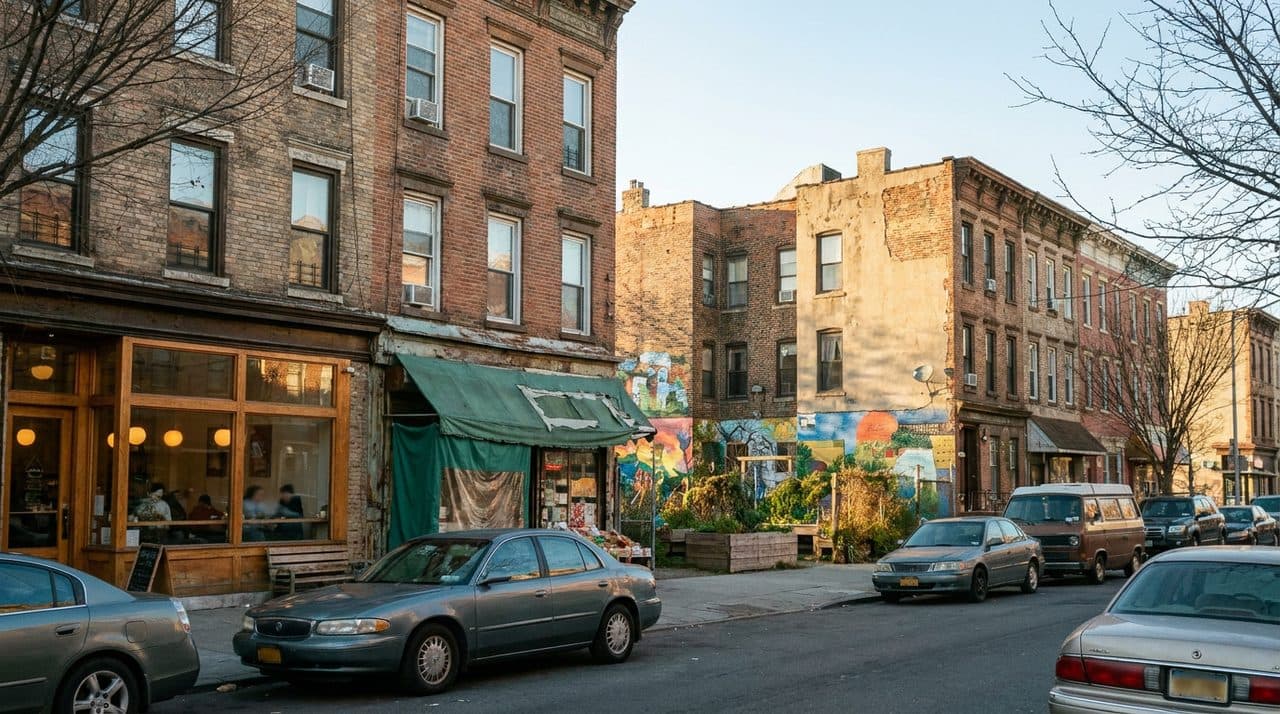
East New York sits at the far end of the L and the 3, where Brooklyn starts to feel less like a brand and more like a place people actually live. The blocks shift in texture every few hundred feet—a corner bodega with hand-painted signs giving way to a café with Edison bulbs, then a stretch of rowhouses with Virgin Mary statues in the yards, then a community garden built on what used to be a burned-out lot. The neighborhood holds both timelines at once, and the tension between them hums under everything.
Mornings That Smell Like Two Different Decades
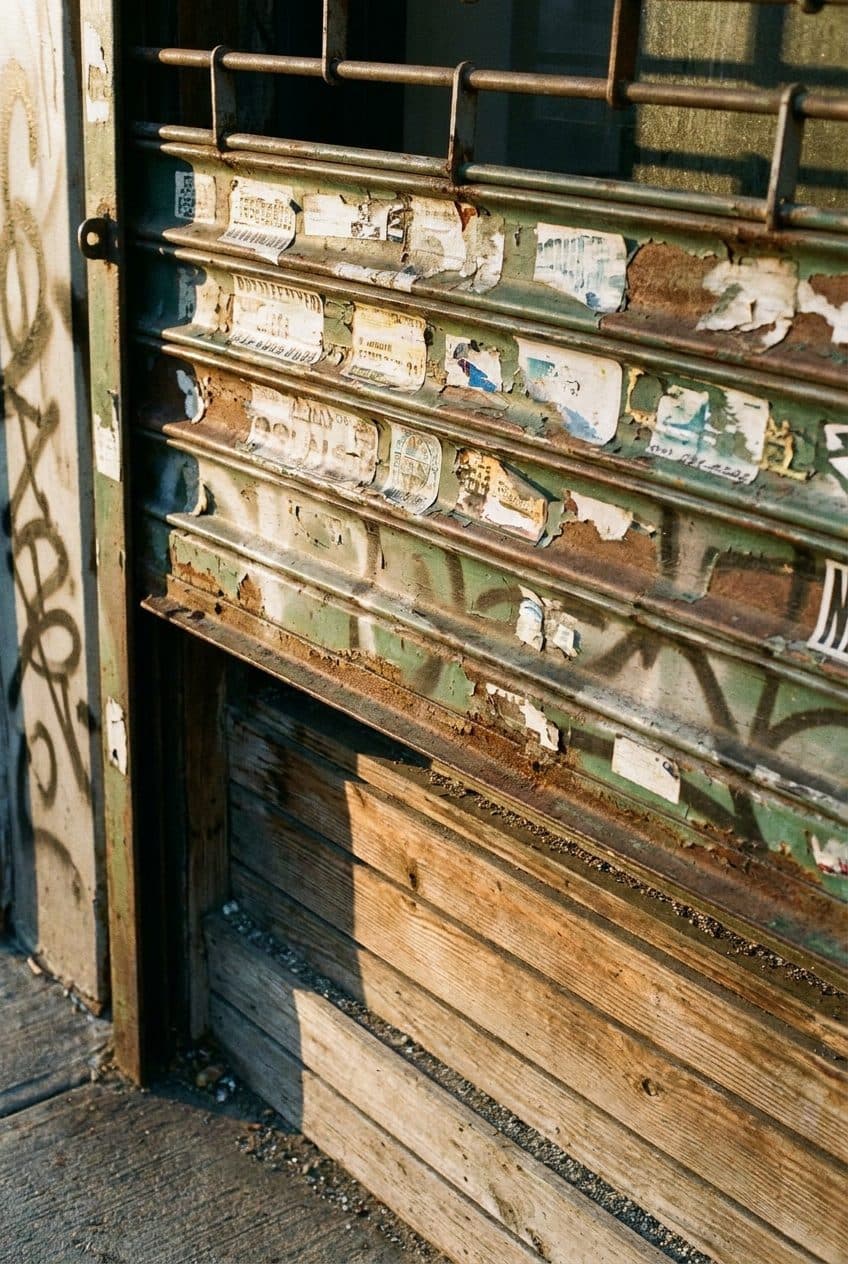
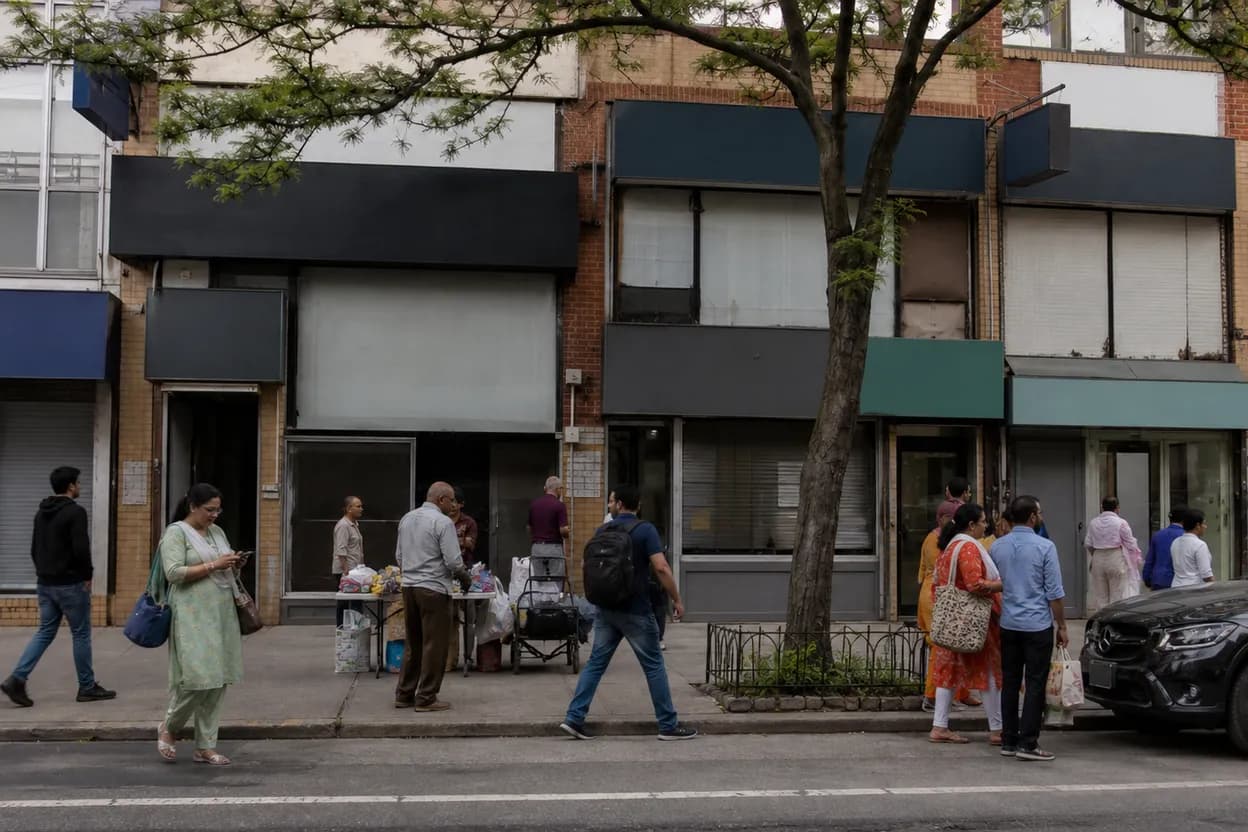
The bodegas open first, around six, when the air still has that pre-dawn weight to it. Inside, the fluorescent lights buzz over shelves stocked with Goya beans and Malta Goya, lottery tickets behind scratched plexiglass, a grill already going in the back. The guy behind the counter knows the orders before anyone speaks—bacon egg and cheese on a roll, coffee light and sweet, exact change passed over without eye contact. A few blocks over, a newer café props its door open around eight. The espresso machine hisses, and the smell of oat milk steaming mixes with the scent of something baking that costs more than a meal used to. The crowd skews younger, laptops open by nine, but the bodega still does triple the business before noon. Both places are full. Both places are necessary. The neighborhood hasn't decided which one defines it, so it keeps both.
Gardens Growing in the Gaps
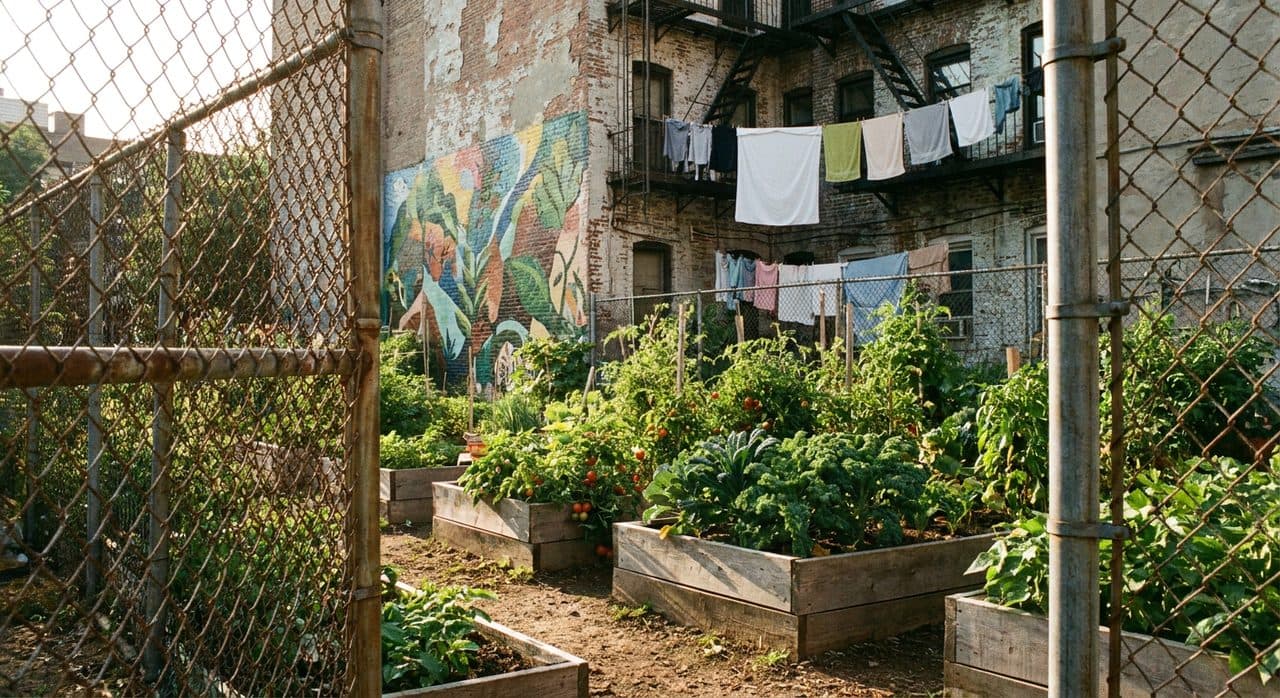
Between buildings on certain blocks, green spaces appear where structures used to stand. These aren't parks in the official sense—no plaques, no city funding, just plots claimed and tended by whoever showed up with seeds and a shovel. Tomatoes climb chain-link fences. Sunflowers tilt toward the afternoon light. Folding chairs circle makeshift fire pits, and on weekends, the smell of jerk chicken drifts from a barrel grill someone wheeled in. Kids cut through on their way home from school, and older folks sit on overturned crates, talking in Creole and Spanish and English that code-switches mid-sentence. The gardens exist in a legal gray zone, but they've been here long enough that they feel permanent, even if the permits say otherwise. They're proof that when the city leaves a gap, people fill it with something that grows.
The Barbershop That Doubles as a Newsroom
One shop on a corner near the Cypress Hills border has been there long enough that the barber chairs are older than most of the clients. The walls are covered in faded posters—Biggie, Malcolm, a Mets pennant from a playoff run nobody under thirty remembers. The barbers work fast, clippers humming over low conversation that shifts from sports to city politics to who's moving in and who's moving out. Someone always has a take on the new developments going up near Broadway Junction, and someone else always has a cousin who got priced out of Bed-Stuy and is looking this way. The shop closes when it closes, no set time, just when the last person in the chair gets up. It's one of the places where the neighborhood still talks to itself, where information moves person to person instead of screen to screen.
The Bakery That Runs on Island Time
A Guyanese bakery on one of the residential blocks opens in the late morning and sells out by mid-afternoon. The cases hold cassava pone, pine tarts, and coconut buns that come out of the oven still warm. The woman at the counter wraps everything in wax paper, and the line moves slow because everyone stops to ask about her daughter, her garden, the weather back home. The place doesn't advertise, doesn't have a website, doesn't need one. People find it because someone's aunt told them about it, and then they bring their own friends. The bakery operates on a rhythm that has nothing to do with brunch rushes or Yelp reviews—it opens when the baking is done, closes when the shelves are empty, and the neighborhood adjusts its schedule accordingly.
The Lot Where the Game Never Really Ends
A basketball court sits behind a school, chain-net hoops and cracked asphalt that's been repainted more times than anyone can count. The games start in the late afternoon and stretch past dusk, under lights that flicker on automatically when the sun drops. The players rotate in and out—high school kids, guys in their thirties still moving like they could've gone pro, older men who call fouls that nobody else saw. The skill level is high enough that people stop to watch through the fence, and the trash talk is constant, multilingual, and deeply specific. When someone hits a contested three, the sound echoes off the surrounding buildings. The court has no official hours, no reservation system. It belongs to whoever shows up ready to play, and it's been that way long enough that the neighborhood considers it sacred ground.
Practical Notes
East New York is accessible via the L train (New Lots Avenue), the 3 train (New Lots Avenue, Junius Street, Pennsylvania Avenue), and the A and C trains (Broadway Junction). Most of the spots mentioned operate on their own schedules—bodegas open early, the bakery sells out by mid-afternoon, the café keeps more standard hours. The community gardens are accessible during daylight, though some have informal gatekeepers who appreciate a nod before walking in. Street parking is easier here than in most of Brooklyn, and the blocks are walkable, though distances are longer than they look on a map. The neighborhood is still figuring out what it's becoming, which means the texture changes fast. What's here now might not be here in two years, but what's been here for decades isn't going anywhere without a fight.
Tags: #EastNewYork #Brooklyn #NYC #TheLongWayHome #NeighborhoodInTransition #BrooklynBeyondTheBrand #CommunityGardens #BodegaCulture #LocalFirst #CityEdges #RealBrooklyn #EastNewYorkBrooklyn #UrbanGardens #NeighborhoodStories #BrooklynLife
Sources consulted: timeout.com · atlasobscura.com · nycgo.com
All trademarks are the property of their respective owners.
Ask Karpo first
Want to know which blocks show the neighbourhood's evolution most clearly or where the oldest shops still operate?
Ask Karpo for the walking route that captures both eras and the garden visiting hours before you head out.