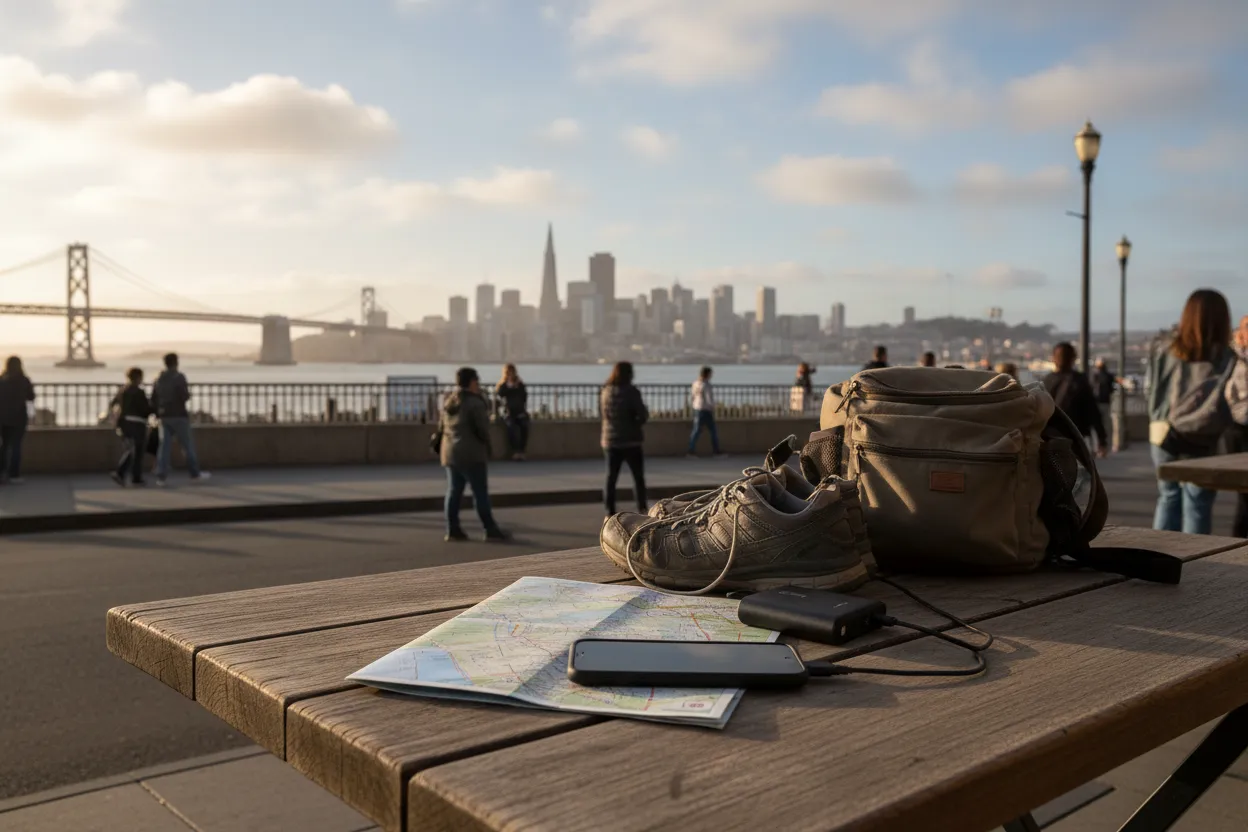
If your search started with duke energy power outage, treat it as a signal to slow down rather than assume San Francisco is moving on the same timeline as the headline. The practical question here is not the noise of the search term; it is whether your neighborhood plan can survive a disrupted day. In San Francisco, that means checking the SFMTA trip planner, looking at Muni routes and stops, and choosing a route that matches your actual task instead of your hopes. It also means remembering that some official pages change, some load behind security screens, and some park details need a fresh verification before you leave.
Want a neighborhood-specific fallback for today? Text Karpo with your destination, your transit mode, and your arrival window, and we’ll help you turn one alert into a workable San Francisco plan.

Translate the headline into a neighborhood question
A search phrase like duke energy power outage is useful only if it gets you to the real question faster: which San Francisco neighborhood can you actually reach, and what do you need once you get there? For local planning, do not start with the loudest story. Start with the task. Are you heading to an appointment, meeting a friend, running one errand, or trying to salvage a full afternoon? The answer tells you whether a neighborhood close to a reliable Muni line is better than one that looks attractive on a map but forces extra transfers or walking.
SFMTA’s site is set up for that kind of decision. The trip planner lets you compare Muni, bike, walk, drive, taxi, and accessibility options in one place, and the neighborhood pages let you look at service and projects where you actually plan to go. That is the sane way to read a headline-driven day: translate the headline into a neighborhood question, then answer it with a route you can verify.
Choose the area by the actual task
Pick the part of the city that fits the job, not the part that sounds most exciting. If you need the shortest possible visit, choose the neighborhood that keeps you closest to the stop or station you will use. If you need flexibility, lean toward an area with multiple ways in and out so one delay does not collapse the whole plan. The SFMTA trip planner is built for exactly this sort of comparison, and it includes accessibility as a planning lens rather than an afterthought.
This is also where skepticism helps. A neighborhood that looks convenient on a map can still be awkward if you are switching modes, carrying something, or arriving at the wrong edge of the district. Use the official neighborhood and routes tools to see the city as a sequence of decisions: where you enter, where you exit, and how much walking you can tolerate if the first option is not ideal. That keeps the plan realistic.
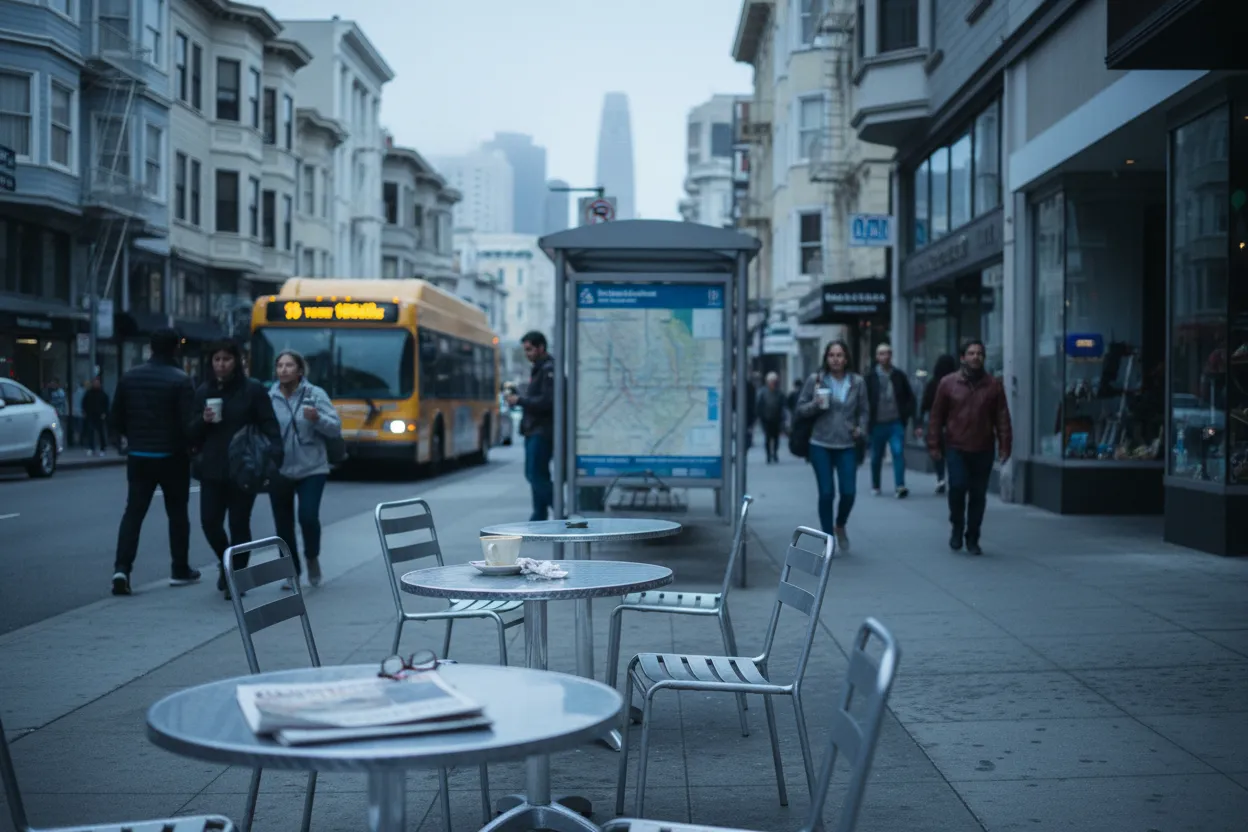
Use transit exits as planning anchors
Think of your stop or station as the anchor, not your final address. That small shift makes the whole day more manageable because it forces you to verify the part of the trip most likely to change. SFMTA’s alerts show why this matters: a delay can be active, then cleared, and regular service can resume. The current alerts page even shows that kind of live change, as it did for the inbound 33 near 18th & Church. If you build your timing around the exit point, you are less likely to be surprised when the line moves.
For a citywide plan, give yourself a buffer from the moment you expect to leave the system to the moment you need to arrive. That buffer matters whether you are using Muni, walking the last blocks, biking, driving, or taking a taxi. A late train, a detour, or a packed platform is easier to absorb if your schedule already assumes the city can be slower than the search results suggest.
Add one indoor and one outdoor backup
Every practical San Francisco plan should have two escape hatches: one indoor and one outdoor. The indoor backup is the place you can still use if transit runs behind or the street feels too compressed. The outdoor backup is the open-air choice you can switch to if your first stop feels crowded or less accessible than expected. Do not pick either one by name alone. Pick them by reachability, then verify them on the day you go.
For outdoor backup planning, sfrecpark.org is the right place to check because the official source itself warns that changing details should be verified there, and the site may require a fresh load. That is not a reason to avoid parks; it is a reason to confirm them. If you want a calm alternative to a busy neighborhood block, a verified park route can be a better reset than chasing another indoor option across town.
Avoid treating online attention as a local promise
A trending search does not equal a San Francisco guarantee. The phrase duke energy power outage may be drawing attention, but attention is not the same thing as a local appearance, a city endorsement, a private-access invitation, or a promise that a destination will be easy to reach. Treat any hot search as a cue to verify, not as proof that your plan has already been validated.
That caution applies to page quality too. The official SF Travel site may show a security verification screen, which is a reminder that some web pages are gated or transient before you ever get to the useful information. When that happens, do not rely on a cached snippet or a social post to make the call for you. Go back to the official source, confirm the current page state, and then decide whether the trip still makes sense.
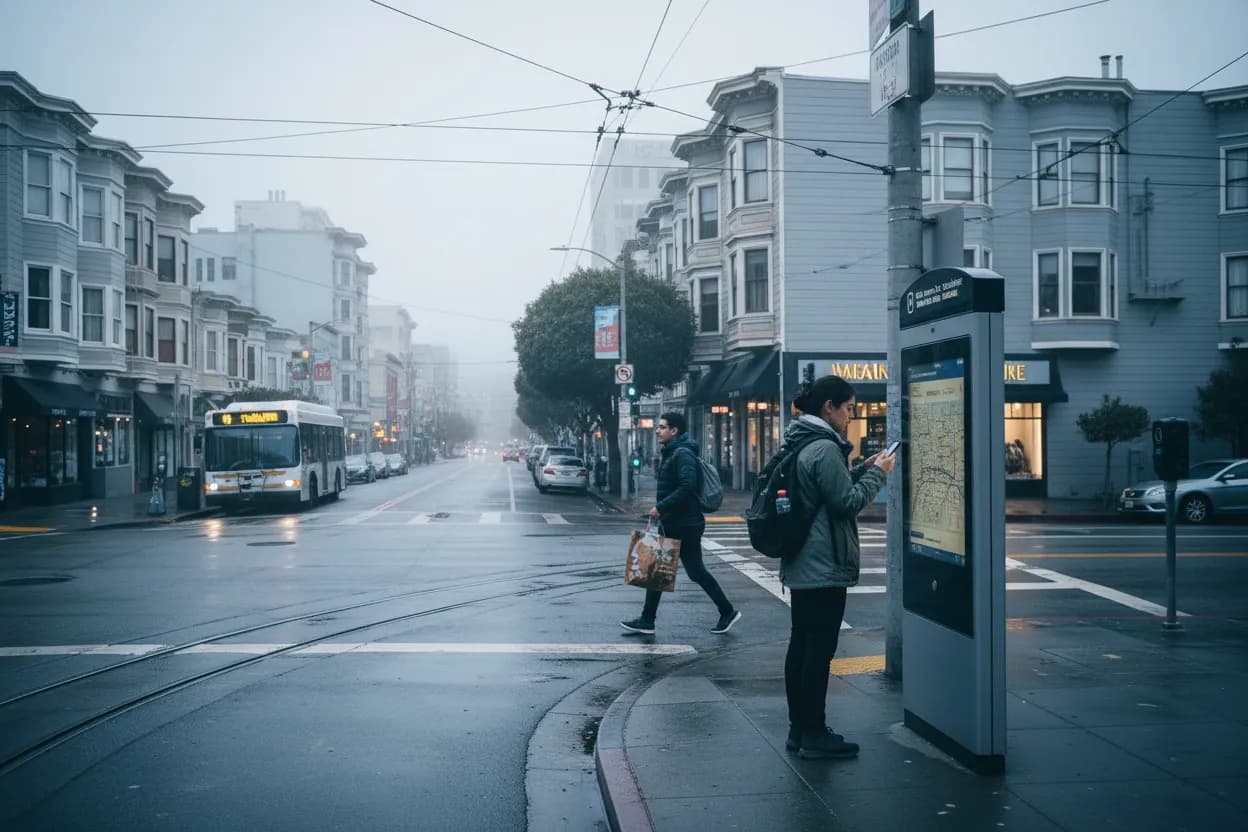
Verify conditions before crossing the city
Before you leave, do four fast checks: SFMTA trip planner, current alerts, the neighborhood page, and any relevant travel or transit updates. If your route touches a project area, a permit zone, or a street that could be affected by a public meeting or event, verify that too. SFMTA’s site includes projects, permits, and a calendar, which makes it easier to spot a conflict before it becomes a missed connection or a long detour.
If you still need help after checking the official pages, use 311 inside San Francisco or call 415.701.2311 from outside the city; TTY is 415.701.2323. That is the cleanest fallback when you need a human answer rather than a guess. For a city plan built around access, timing, and crowd risk, the safest move is still the oldest one: verify first, then move.
Tags: #AskKarpo #BeforeYouGo #SanFrancisco #NeighborhoodGuide #Muni #SFMTA #TransitTips #CityPlanning #TravelSmart #BackupPlan #VerifyFirst #PublicTransit #SF311 #DukeEnergyPowerOutage
Sources consulted: sftravel.com · sfmta.com · sfrecpark.org
All trademarks are the property of their respective owners.
Ask Karpo first
Ask Karpo first if you are deciding whether to cross town or stay local. Text us your neighborhood, your target arrival time, and your preferred way to move, and we’ll help you verify the safest public plan against the current SFMTA and park pages.


