 Haaland Has Seven Goals and Norway Runs Entirely Through Him
⚽️2026 FIFA WORLD CUP
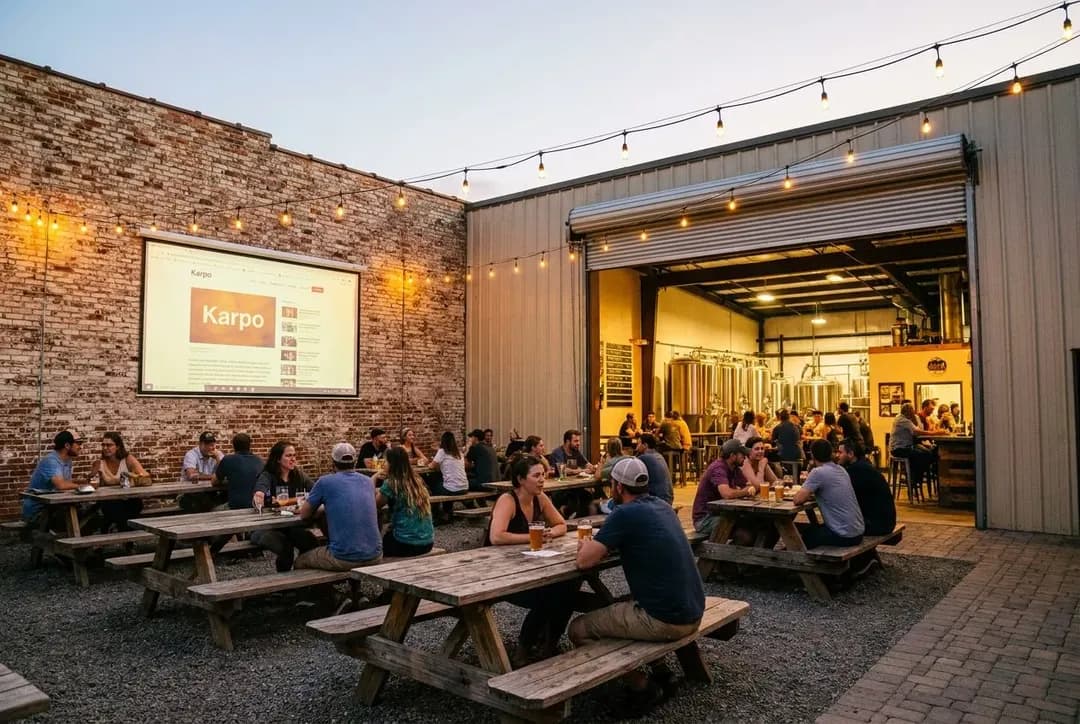
Downtown LA's Arts District breweries when World Cup 2026 watch parties fill warehouse patios at noon
The Arts District's industrial taprooms transform into World Cup viewing hubs, where projector screens meet brick walls, taco trucks park curbside, and communal tables fill with jerseys from every continent.
When the whistle blows at noon on a summer weekday in 2026, the Arts District won't be sleeping off last night. Roll-up doors will already be yawning open along Alameda and Traction, projector screens flickering to life against century-old brick, and the first flights of pale ale catching the slanted warehouse light. This is where Los Angeles watches the World Cup: not in a sports bar with laminated menus, but in courtyards that smell of malt and salsa verde, where LAFC scarves drape next to Argentina stripes and the crowd spills onto picnic tables that were welding benches in another life. The city is one of the World Cup 2026 host cities, and its brewery belt knows how to throw a proper match-day gathering.
The Arts District setup: projectors, paddle boards, and parking-lot seating
The architecture does half the work. These breweries occupy former warehouses and light-manufacturing shells, which means high ceilings, open plans, and courtyards that were loading docks before they became beer gardens. When a match kicks off, staff wheel out projectors—some rigged to exterior walls, others hung from truss beams—and the image blooms ten feet wide. Sound comes through PA speakers that usually handle DJ sets. Seating is communal: long wooden tables, metal café chairs, the occasional hay bale painted in team colors.
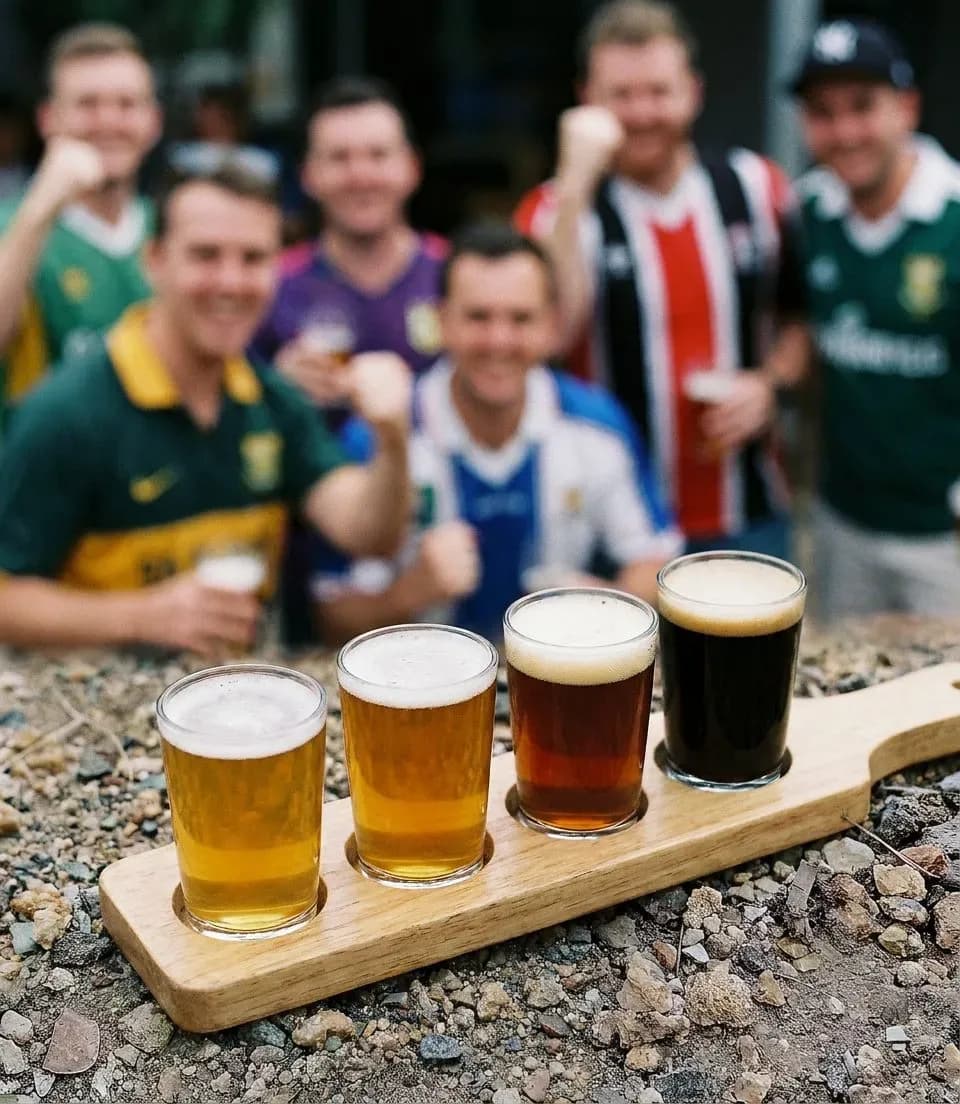
Beer arrives on paddle boards—four-ounce pours in a tasting flight, labels like 'Hazy IPA' and 'Mexican lager' chalked onto a standing board. It's a format that rewards indecision and suits the tournament's marathon schedule. You can nurse a flight through the first half, order a pint when the second half tightens, and still leave room for a michelada if the match goes to penalties. The vibe is less sports bar than craft-beer social club that happens to care deeply about set pieces.
Taco trucks, timing, and the early-arrival advantage
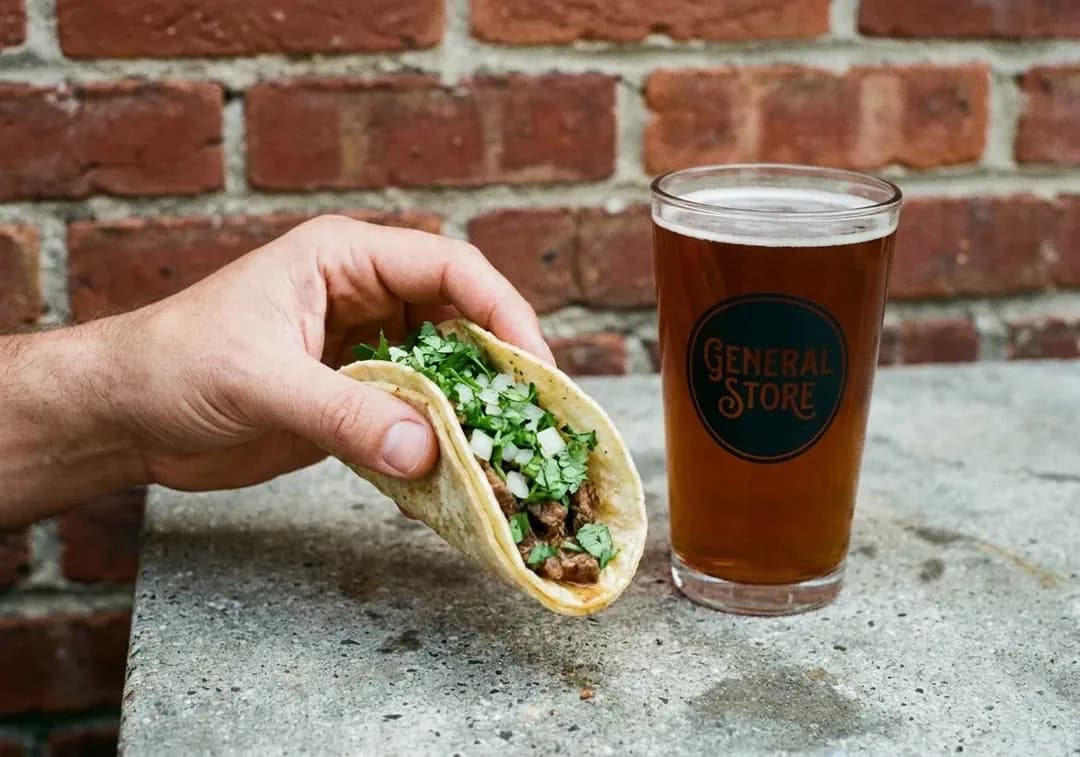
Food isn't an afterthought; it's a coordinated operation. Taco trucks park along the curb outside, their awnings casting shadows across the sidewalk, and the menus rarely change: carne asada, al pastor, grilled fish, plus agua fresca in plastic cups. The trucks know the brewery schedule and vice versa. Arriving early secures both seating and access to popular trucks before lines form—a detail worth internalizing if you're planning to catch a marquee group-stage clash. By the time kickoff arrives, the queue can snake fifteen deep.
The timing dance is part of the ritual. Noon matches mean claiming a table by 11:30, ordering your flight, and walking over to the truck while the anthems play. Evening fixtures give you more breathing room, but the trade-off is a crowd that's already two beers in by the time you arrive. Either way, the food is cash-mostly and served on paper plates that sog under the salsa. It's perfect.
Afternoon heat versus evening string lights
Not all match windows are created equal. Afternoon fixtures—those noon-to-three-o'clock Pacific slots—land in open-air courtyards under full sun, and the concrete radiates. Wear a hat, claim a sliver of shade near the wall, and pace your IPAs. The upside: these time slots tend to be family-friendly, with kids weaving between tables and parents nursing a single beer over ninety minutes. The outdoor zones welcome all ages, and the energy is looser, more picnic than pub.
Evening fixtures—those six-o'clock-or-later kickoffs—benefit from cooler temperatures and string-light ambiance. The sun drops behind the skyline, the courtyard cools, and the crowd skews rowdier. Supporter groups claim whole tables, chants echo off the brick, and by the second half the line for the bathroom is a negotiation. The atmosphere thickens. If you're here for the spectacle as much as the match, this is your window.
The SoCal texture: jerseys, scarves, and street parking strategy
The crowd is a genre study. You'll see vintage Mexico kits from the nineties, pristine England away shirts still creased from the packaging, and LAFC scarves repurposed as World Cup allegiance signals. There's always someone in a jersey so obscure you have to ask—Cameroon 2002, maybe, or a lower-league European club that produced a single international. The vibe is participatory. Wearing colors is encouraged, even if your team isn't playing. Neutrality is suspect.
Street parking along Santa Fe and Alameda is metered and competitive. Arrive thirty minutes early and you'll find a spot within two blocks; cut it closer and you're circling or paying for a lot. The Metro A Line stops at Little Tokyo / Arts District, a ten-minute walk west, and that's the smarter play if you plan to drink properly. The neighborhood is flat, the walk is pleasant, and you won't spend the final fifteen minutes of the match worrying about your car.
The Champions League pedigree and 2026 planning
This isn't the Arts District's first tournament rodeo. Several breweries in the area have hosted watch parties for past Champions League finals and World Cups, projecting onto the same brick walls, rolling out the same picnic tables, partnering with the same taco trucks. The 2026 edition will be larger—more matches, more hype, potentially cover charges for knockout rounds—but the bones are proven. Confirming participation and any entry fees as the tournament nears is the prudent move, especially if you're coordinating a group or hoping to reserve a table.
The best part of the Arts District's World Cup viewing bars is that they don't try to be anything other than what they are: breweries that love soccer, understand hospitality, and happen to occupy industrial spaces tailor-made for communal viewing. There's no velvet rope, no bottle-service minimum, no need to arrive in anything fancier than sneakers and a jersey. Just show up early, claim your spot, and let the match—and the beer—do the rest.
Practical notes
The Arts District's brewery corridor runs roughly along Alameda Street, Traction Avenue, and Santa Fe Avenue, east of downtown's core. Metro A Line: Little Tokyo / Arts District station, then a ten-minute walk. Street parking is metered; lots charge ten to fifteen dollars. Many taprooms open by late morning on match days, but verify schedules and any reservation policies directly as the tournament approaches. Outdoor courtyards are generally all-ages during daytime matches; evening fixtures may be 21+. Bring cash for taco trucks, sunscreen for afternoon games, and a light jacket for cooler evening kickoffs. Accessible seating varies by venue—call ahead if mobility is a concern.
Tags: #WorldCup2026 #ArtsDistrictLA #DowntownLA #WorldCupViewing #CraftBeerLA #WatchPartyLA #FIFAWorldCup #LABreweries #SoccerInLA #TacoTrucksLA #SummerInLA #LAFoodie #UrbanLA #WorldCup2026HostCities #ExploreLA
Please drink responsibly. Must be of legal drinking age.
Sources consulted: 2026 FIFA World Cup · Los Angeles Arts District · FIFA World Cup 2026 Official Site · LA Neighborhoods Guide · LA Breweries
All trademarks are the property of their respective owners.
Ask Karpo for more information.
Keep reading
- Haaland Has Seven Goals and Norway Runs Entirely Through Him
 World Cup Trophy Ceremony Timing Medals and Postmatch Celebrations
 Olise and France's Attack: The Semifinal Tactical Question