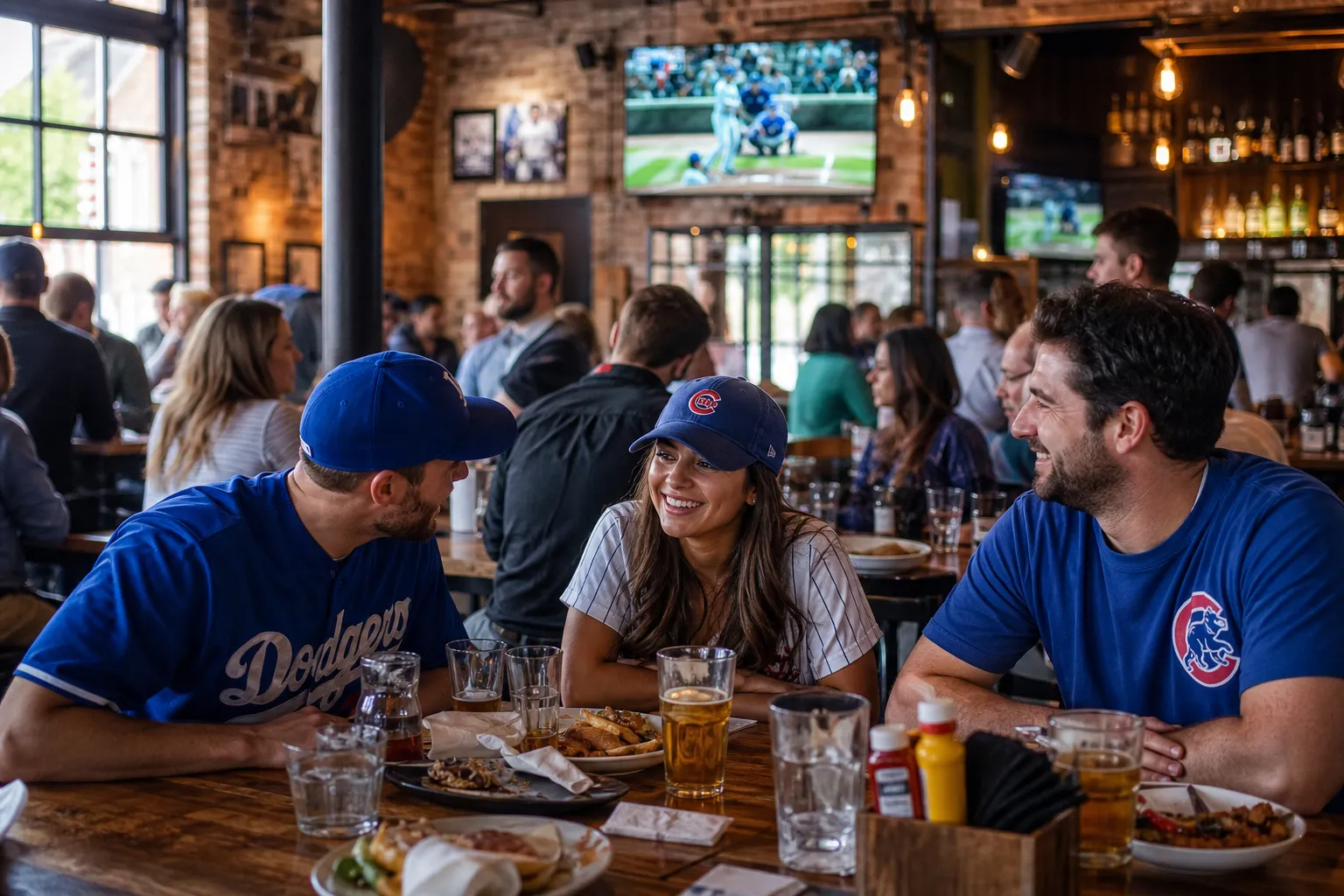
A dodgers vs cubs dinner in NYC is less about finding one perfect restaurant and more about choosing the right compromise before anyone gets hungry, distracted, or stranded between innings. A mixed-fandom group usually wants three things at once: real food, clear game visibility, and a route that still works when the night runs long. Those goals can clash. The place with the best meal may not have the best TV angle; the loudest sports bar may not suit everyone; the easiest post-game stop may have a kitchen that closes before the final out. Use this guide as a decision framework, not a claim that any specific game, player, or team event is happening in the city. Before committing, check the restaurant directly, review MTA schedules, maps, fares, planned work, real-time alerts, and accessibility tools, and use NYC's ABCEats restaurant search for health inspection context.
Put Karpo to work with your neighborhood, cuisine craving, inning priority, and group size for a NYC Dodgers vs Cubs dinner plan that balances screens and food.

Pick the Meal Window Before You Pick the Place
The first decision is timing: eat before first pitch, during the middle innings, or after the final out. Pre-game dinner gives the group the widest chance to focus on food, conversation, and ordering without watching every pitch. It is the best fit for people who care more about the matchup atmosphere than full-game viewing. The tradeoff is emotional: once the game starts, fans may rush checks, skip dessert, or drift toward their phones. For hungry anticipation, that can still work well if the meal feels like the main event and the viewing plan afterward is already clear.
Eating during dodgers vs cubs shifts the priority from dining quality to sightlines, sound, and service rhythm. A restaurant can look ideal online and still disappoint if the TVs face only the bar, if audio is off, or if a large mixed-fandom table gets seated too far from the screen. Post-game dining solves the attention problem but creates a different risk: kitchens may be closing, reservations may be limited, and late groups can split when transit decisions become urgent. The medium-difficulty version of this plan is agreeing on the window first, then letting restaurants compete against that constraint.
Match the Restaurant Type to the Fandom Mix
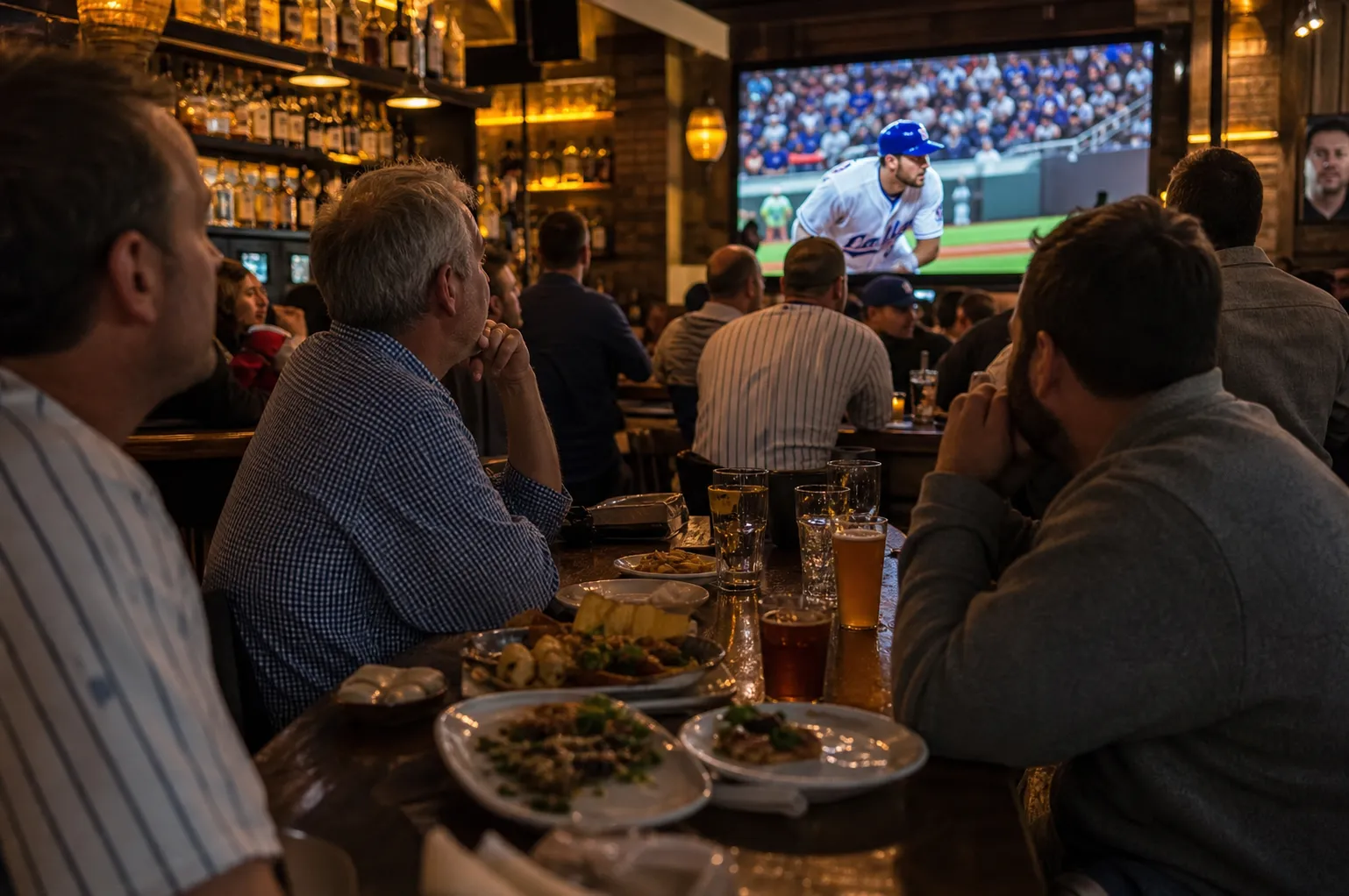
A mixed-fandom group needs a venue that can absorb disagreement without making dinner feel hostile or awkward. Sports bars suit fans who want noise, reactions, and visible screens, but they can be less comfortable for people who mainly came to eat. Full-service restaurants with a bar area can work when the group includes casual fans, partners, or coworkers, because they offer a clearer meal structure while still leaving a path to check the score. The key question is not whether a place is a baseball place; it is whether both serious and casual viewers can enjoy the same two-hour block.
For a restaurant decision guide, the useful filter is tolerance for interruption. If people will jump at every big at-bat, choose a place where shared plates, bar seating, or flexible ordering will not punish delayed attention. If the group values a proper dinner, prioritize reservations, table comfort, and a screen that is visible enough without dominating the table. Avoid assuming that a restaurant with televisions will show the game you want. Call or message ahead and ask directly about TV placement, whether sound is usually available, and whether channel requests are realistic on that date.
Use Transit Reality as Part of the Reservation
In NYC, the restaurant is only half the plan; the route is the other half. The MTA provides schedules, maps, fares and tolls information, planned service changes, nearby stations and stops, real-time alerts, and elevator and escalator status. Those tools matter most when dinner runs through late innings, because the group's tolerance for transfers drops as the night gets later. Before booking, compare how each restaurant works for the people traveling from different boroughs, train lines, or commuter rail connections. A slightly less exciting restaurant near a simpler route can beat a better menu that sends half the table into a complicated trip home.
Accessibility and backup routing should be decided before anyone orders the second round. If someone needs step-free access, check elevator and escalator status close to departure, not just earlier in the day. If service changes are posted, build in a walking buffer between the restaurant and the station rather than counting on a tight connection. For groups going to or from a stadium, the MTA also lists guides for getting to NYC-area stadiums and arenas on transit. Treat those resources as route planning aids, then verify the specific trip in real time before leaving.
Verify the Kitchen, Screen, and Table Rules
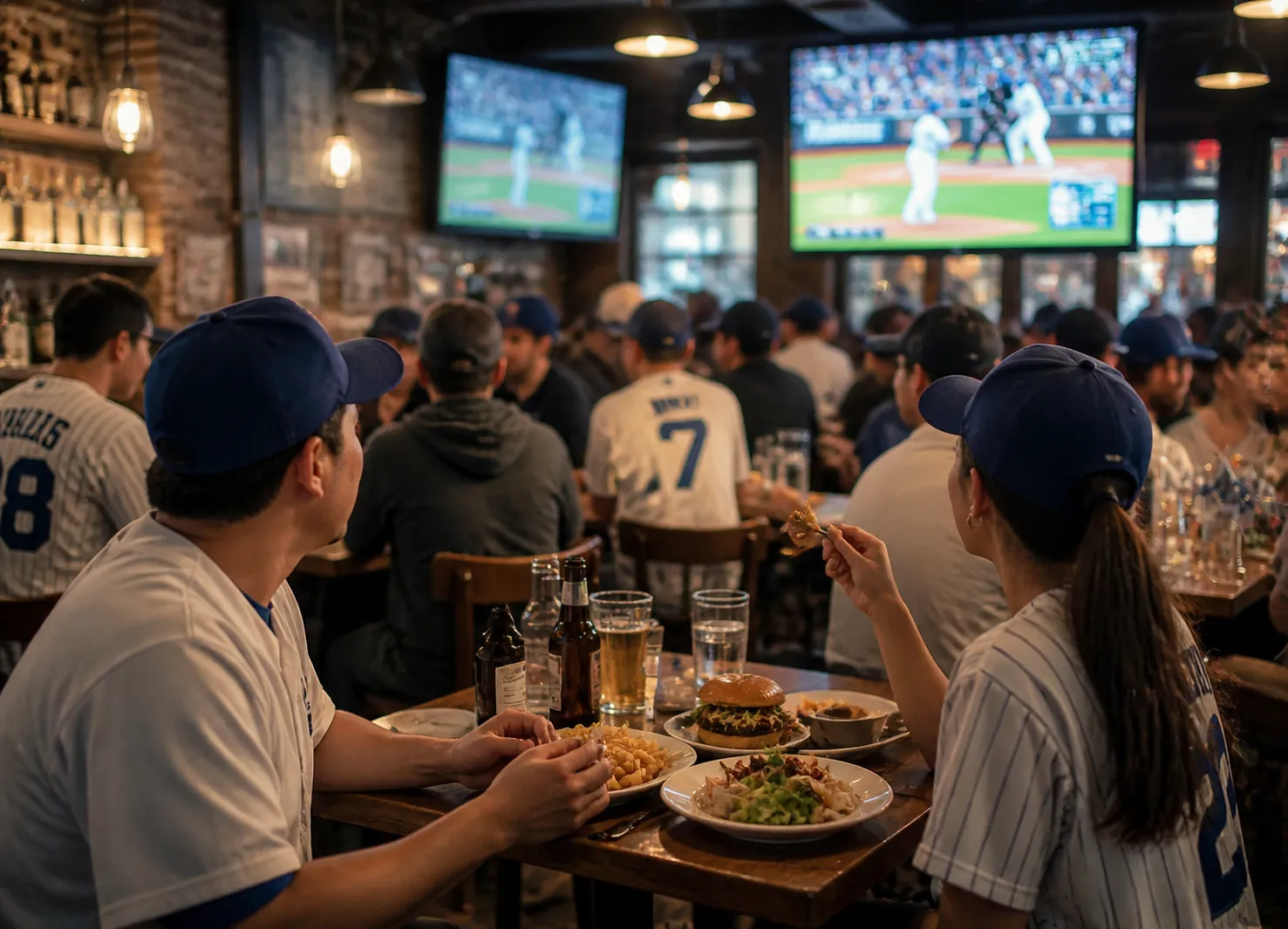
The most common mistake is treating a restaurant listing as a complete game-night promise. It is not. For a dodgers vs cubs dinner, verify three details with the venue: kitchen hours, game visibility from the actual seating area, and reservation or walk-in rules for your group size. Do not rely only on photos, because TVs may be in a different room, tables may be assigned at arrival, and private events can change the feel of a place. Ask whether the kitchen remains open through the period your group expects to eat, especially if your plan depends on late innings or post-game ordering.
Health inspection context is another practical check, especially when you are choosing between unfamiliar restaurants. NYC's ABCEats Restaurants search is an official city tool for looking up restaurant information, and it belongs in the same verification pass as menus and reservations. It should not replace personal judgment, recent venue communication, or the needs of the group, but it gives diners a grounded public reference point. Combine that with direct confirmation from the restaurant. A good plan is not the longest list of options; it is one confirmed place, one backup nearby, and a clear rule for when the group switches.
Build a Plan That Survives Extra Innings
Late innings create decision fatigue. The solution is to set group rules before the first pitch: when to order, when to close out, and what happens if the game runs long. A hungry group can tolerate disagreement over teams, but not uncertainty over food. If you choose a pre-game dinner, decide where the game will be watched afterward. If you choose an in-game dinner, decide whether the table stays through the end or moves after a certain inning. If you choose a post-game meal, confirm that the restaurant still fits if the final out comes later than expected.
The best NYC baseball dinner plan leaves room for appetite and loyalty without pretending everything is controllable. Pick the meal window, match the venue to the group's attention level, check MTA route conditions, verify the restaurant's kitchen and viewing setup, and keep a nearby backup that does not depend on perfect timing. This approach fits mixed-fandom groups because it avoids making one person's priorities dominate the night. Better food, every inning, easy transit, and late-night flexibility rarely arrive in one package. Choose the tradeoff deliberately, and the dinner will feel planned instead of improvised.
Tags: #NYCrestaurants #baseballdinner #mixedfandomgroup #gamenightplanning #latenightdiningdecisions
Sources consulted: Source 1: nycgovparks.org · Source 2: new.mta.info · Source 3: nypl.org · Source 4: a816-health.nyc.gov
All trademarks are the property of their respective owners.
Ask Karpo first
Ask Karpo to turn this NYC idea into a current plan for your date, budget, companion, transit preference, and energy level. Karpo can narrow the route and flag what to verify before you go.


