 L'Industrie vs Lucali: Brooklyn's Best Pizza Compared
Restaurants
Daulton Varsho Blue Jays Games: NYC Restaurant Viewing Experience Guide
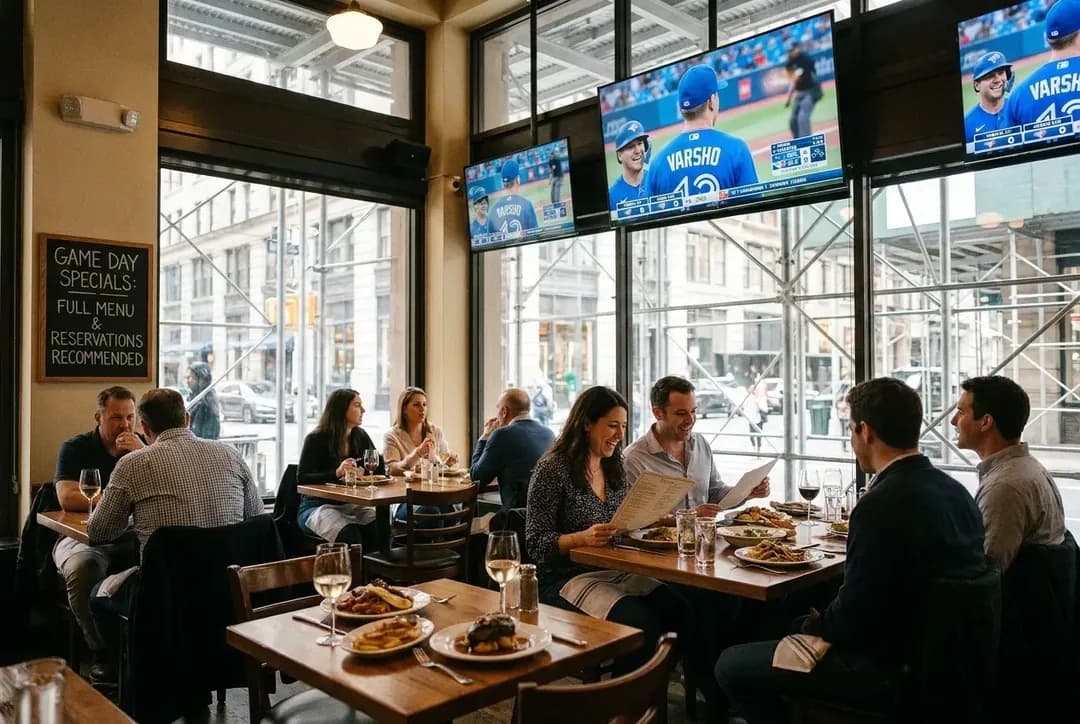
Discover NYC restaurants where quality dining meets Blue Jays game broadcasts, combining full-service menus with clear screen visibility. Navigate the tradeoffs between sports bar energy and upscale comfort for your next Daulton Varsho viewing experience.
Watching Daulton Varsho and the Toronto Blue Jays from a New York City restaurant requires balancing competing priorities: do you want pristine screen visibility or a chef-driven menu, bar-height seating with game-day energy or a quiet dining table where conversation flows easily? The challenge intensifies when you're planning a date night or family dinner around first pitch, seeking venues that treat baseball broadcasts as complementary to the meal rather than the sole attraction. Unlike dedicated sports bars where food often arrives reheated and generic, a growing subset of NYC restaurants maintains full kitchen service during broadcasts while offering reservations that guarantee table placement near screens. This guide examines the decision framework for finding establishments where you can watch daulton varsho take at-bats without sacrificing the dining standards you'd expect on any evening out, addressing the practical tensions between game schedules, menu availability, and the atmospheric compromises each venue type demands.
Text Karpo your starting point, timing, group size, and priorities for a NYC plan tailored to this exact situation, with one realistic backup before you leave.
Reservation Strategy and Game-Time Table Availability
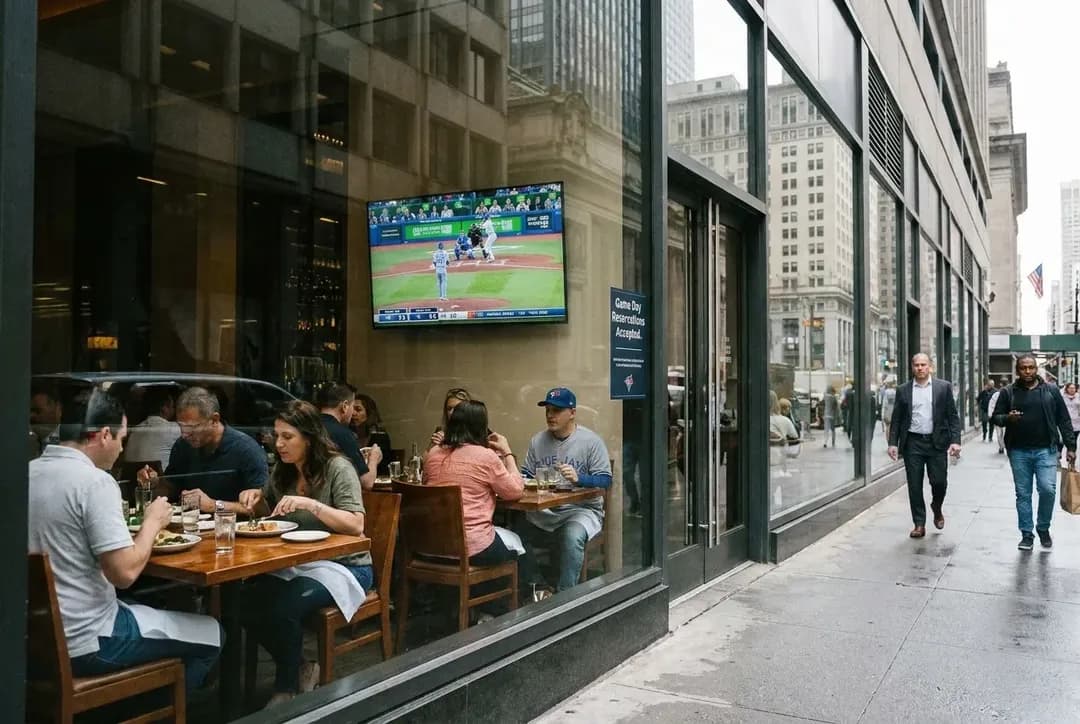
Most restaurants showing Blue Jays games operate on a first-come basis for bar seating but require reservations for dining tables, creating a strategic puzzle when game start times shift weekly. Evening games beginning at 7:10 PM conflict with prime dinner service, meaning you'll need to book either an early 5:30 PM slot—risking you'll finish appetizers before first pitch—or a later 8:00 PM window that guarantees you'll miss early innings. Calling ahead to confirm whether the restaurant will display the game on dining-room screens rather than relegating broadcasts to the bar area prevents the disappointment of discovering your reserved table offers no sightline to any monitor.
Some establishments implement hybrid policies during playoff seasons or high-profile matchups, converting sections of the dining room into semi-reserved zones where parties can claim tables for the game's duration if they maintain a minimum per-person spend. This model suits groups willing to commit to multiple courses and drinks but disadvantages couples seeking a quick meal who may find themselves pressured to vacate mid-game. Verify cancellation policies as well—restaurants that charge no-show fees during peak hours may waive them for weather-delayed games, though this courtesy varies widely and rarely appears in written policy.
Menu Quality Versus Broadcast Commitment Tradeoffs
The inverse relationship between a restaurant's culinary ambition and its willingness to prioritize sports broadcasts shapes your venue shortlist significantly. Upscale American taverns and gastropubs often strike the best balance, offering seasonal menus with house-made components while maintaining multiple large screens, whereas white-tablecloth establishments may show games only upon request and with reluctance that manifests in poor audio or distant screen placement. Traditional sports bars guarantee prominent broadcasts but typically rely on frozen appetizers and assembly-line entrees that arrive lukewarm, a compromise acceptable for solo viewing but awkward when hosting guests who expect thoughtful preparation.
Evaluate whether the restaurant adjusts its menu during games—some kitchens switch to a simplified lineup when crowds surge, eliminating complex dishes that slow ticket times but disappointing diners who chose the venue for specific offerings. Conversely, certain chef-owned spots maintain full menus regardless of broadcast schedules, viewing game nights as opportunities to showcase their range rather than occasions to cut corners. Reading recent reviews filtered by date and searching for mentions of specific game experiences reveals whether quality holds steady or deteriorates when screens dominate attention.
Screen Placement and Sightline Verification Steps
Assuming a restaurant shows the game tells you nothing about whether you'll actually see it from your assigned table—screen geography varies wildly even within single establishments. Corner booths and window tables frequently offer obstructed views or require neck-craning angles that become uncomfortable by the third inning, while high-top communal tables near the bar guarantee visibility but sacrifice conversational intimacy. Visiting the restaurant during a prior weekday evening lets you map screen locations and identify which tables offer direct sightlines, though this reconnaissance mission demands time many diners can't spare.
When booking by phone, ask staff to describe the view from specific table numbers rather than accepting vague assurances that "you'll be able to see." Request corner or wall-adjacent tables that face into the room rather than toward windows, as these positions typically align with screen placement designed for maximum patron coverage. Some restaurants provide floor plans on their websites or through reservation platforms, allowing you to cross-reference table positions with photos showing screen locations, though this level of transparency remains uncommon outside higher-end establishments that cater to business diners requiring presentation visibility.
Companion Dynamics and Atmospheric Fit Considerations
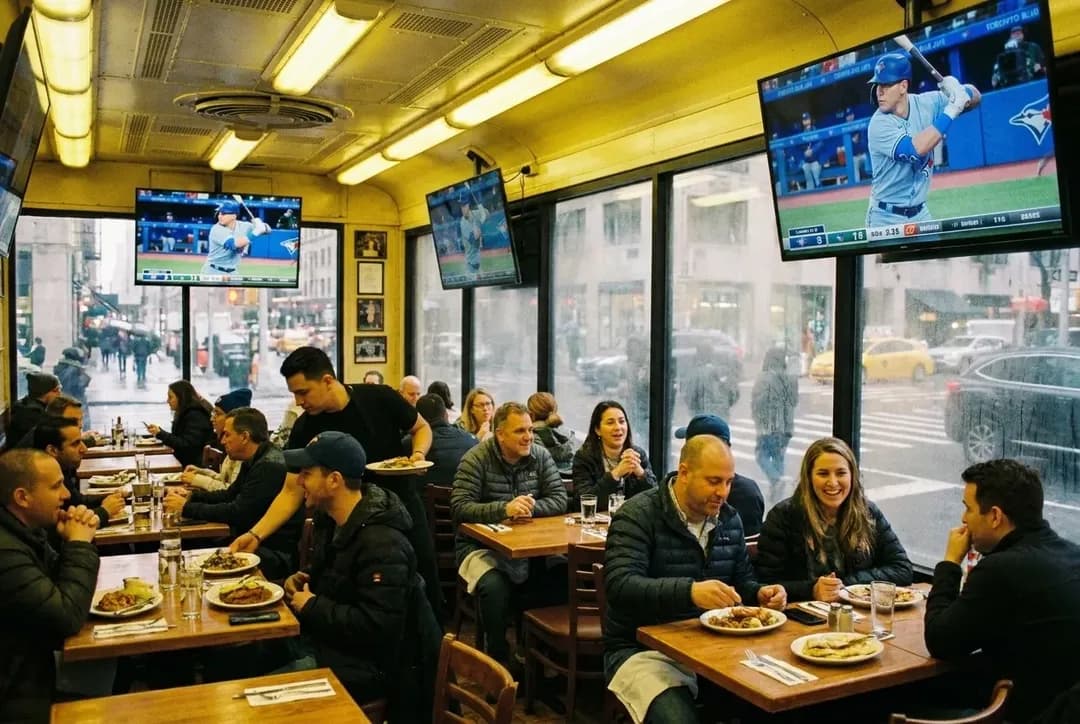
The social composition of your party determines which restaurant environment serves you best—a date night demands quieter acoustics and dimmer lighting that many game-friendly venues abandon in favor of high-energy buzz, while family dinners with children benefit from louder rooms where kids' voices blend into ambient noise. Restaurants that separate bar areas from dining rooms through physical partitions or level changes offer the advantage of muted game-day chaos, though this same separation often means weaker audio and smaller screens in the dining zone. Couples seeking romantic ambiance while catching key at-bats face inherent contradictions, as the attentiveness required for meaningful conversation conflicts with the visual distraction of live sports.
Assess whether your companions share equal investment in the game outcome—dragging an indifferent partner to a venue optimized for viewing creates resentment when they feel ignored, whereas choosing a restaurant that happens to show the game as background rather than focal point satisfies mixed-interest groups. Multi-screen setups allow different sight lines to prioritize different broadcasts, useful when one person wants baseball while another prefers checking other scores, though this flexibility rarely extends to audio control in public dining spaces.
Transit Access and Timing Buffer Requirements
Planning your arrival requires accounting for both restaurant seating policies and the unpredictability of New York's subway system, accessible through the MTA's real-time service alerts and trip planning tools. Restaurants in transit-dense neighborhoods like Midtown or the Financial District offer multiple subway line options that provide backup routes when service changes disrupt your primary path, whereas venues in outer boroughs may leave you stranded if a single line experiences delays. Building a thirty-minute buffer before first pitch accommodates typical transit variability while allowing time to settle at your table and order before the game demands your attention.
Evening games coinciding with rush hour intensify crowding on major lines, making earlier departures prudent even when your reservation sits an hour before game time. Checking the MTA website for planned service changes specific to your travel date prevents discovering mid-journey that your intended route requires shuttle buses or alternate trains. Restaurants near major transit hubs like Penn Station or Grand Central benefit from convergent subway and commuter rail access but also attract larger crowds that strain kitchen capacity, potentially slowing service when you're racing against first pitch.
Tags: #BlueJaysviewing #NYCsportsrestaurants #baseballdiningNYC #restaurantreservations #gamedaydining #sportsbaralternatives #datenightsports #familydinnervenues #screenvisibility #fullservicedining
Sources consulted: Source 1: nycgovparks.org · Source 2: new.mta.info · Source 3: nypl.org · Source 4: a816-health.nyc.gov
All trademarks are the property of their respective owners.
Ask Karpo first
Ask Karpo to turn this NYC idea into a current plan for your date, budget, companion, transit preference, and energy level. Karpo can narrow the route and flag what to verify before you go.
Ask Karpo for more information.
Keep reading
- L'Industrie vs Lucali: Brooklyn's Best Pizza Compared
 Cervo's on Division Street: Portuguese Seafood Without Reservations
 Randazzo's Clam Bar in Sheepshead Bay: Red Sauce Since 1932