 Haaland Has Seven Goals and Norway Runs Entirely Through Him
⚽️2026 FIFA WORLD CUP
Dallas World Cup Host City: Where to Eat and Watch
As Dallas prepares to welcome the world in 2026, the city's dining and sports-bar scene offers far more than Tex-Mex clichés—though you'll find plenty of excellent queso, too.
Dallas doesn't announce itself the way New York or Los Angeles does. It sprawls, it surprises, and it rewards the curious with pockets of genuine charm tucked between highway interchanges and glass towers. When the FIFA World Cup arrives in North Texas in June and July 2026, AT&T Stadium in Arlington will host matches, but the real action—the eating, the drinking, the congregating over penalty kicks—will ripple across Dallas proper. This dallas world cup 2026 moment isn't just about soccer; it's an excuse to explore a city that has quietly become one of the country's most dynamic food destinations.
The Deep Ellum energy
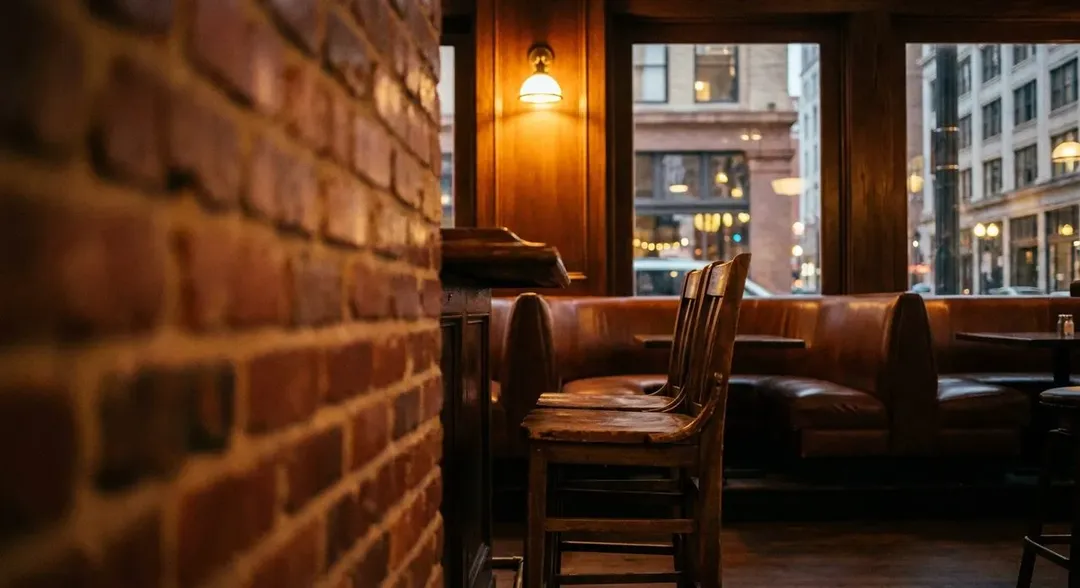
Deep Ellum has always been Dallas's creative id: a grid of low-slung brick buildings east of downtown where live music bleeds out of doorways and murals shift with the seasons. By late May, the Texas heat will have settled in, but the neighborhood's patios and open-air beer gardens will be packed with fans draped in national colors. The bars here skew younger, louder, and more eclectic than the polished spots in Uptown. Expect projector screens on warehouse walls, food trucks parked in gravel lots, and a healthy disregard for anything resembling formality.
The neighborhood's dining options have matured without losing their edge. You'll find Vietnamese bánh mì counters next to farm-to-table bistros, barbecue joints alongside natural-wine bars. It's the kind of place where you can start with brisket at lunch and end with mezcal cocktails at midnight, the crowd shifting from construction workers to designers to fans who've just realized the U.S. plays Croatia tomorrow and they need a plan.
Uptown's polished viewing rooms
If Deep Ellum is Dallas unvarnished, Uptown is Dallas dressed for success. The neighborhood north of downtown gleams with condos, hotel bars, and restaurants where the air conditioning is cold enough to make you forget it's June in Texas. This is where you'll find the kind of sports bars that serve oysters and have sommeliers on staff—places that take the game seriously but won't tolerate anyone standing on furniture.
The McKinney Avenue corridor offers a string of options for groups who want reliable sight lines, craft beer lists that run two pages deep, and food that goes beyond wings. Many of these spots have invested in massive screen arrays and sound systems calibrated for exactly this kind of event. The crowds here tend to be older, corporate, often international already; you'll overhear conversations in three languages before your appetizers arrive. It's less spontaneous than Deep Ellum, but the bathrooms are cleaner and you can actually hear your friends talk.
Bishop Arts for the neighborhood feel
South of the Trinity River, the Bishop Arts District in Oak Cliff has become the answer to Dallas's long-standing lack of walkable, human-scaled neighborhoods. A few blocks of bungalows, vintage storefronts, and tree-canopy streets house an improbable density of good restaurants, wine bars, and cafés. This is where locals go when they want to feel like they're not in Dallas—or rather, like they're in the Dallas that should have existed all along.
For World Cup viewing, Bishop Arts trades scale for intimacy. You won't find stadium seating or hundred-person capacities, but you will find bartenders who remember your order and patios where strangers become friends over a tense Round of 16 match. The food here leans eclectic: tacos, yes, but also Italian, French-inspired bistro fare, and a handful of places doing genuinely inventive vegetable-forward menus. Come early, claim a table on the sidewalk, and settle in. Late May means long daylight hours, and the neighborhood glows gold in the early evening.

Downtown's big-screen congregation
Downtown Dallas has spent the last decade trying to convince people it's a place to be after 5 p.m., and hosting World Cup watch parties might be its best argument yet. The concentration of hotels, convention spaces, and new mixed-use developments means infrastructure built for crowds—and crowds are exactly what a world cup host city guide depends on. Klyde Warren Park, the deck park that stitched downtown back together, may host outdoor viewing events, weather permitting. Expect food trucks, beer tents, and the particular chaos of watching a match with a few thousand people you've never met.
The bars around Main Street and Elm have upped their game in recent years, shifting from sad happy-hour specials to legitimately interesting cocktail programs and wine lists. For a match that kicks off at noon, you'll want something with good brunch and even better air conditioning. For evening fixtures, the rooftop bars offer skyline views and the illusion of a breeze. Downtown doesn't have the soul of Bishop Arts or the grit of Deep Ellum, but it has capacity, and sometimes that's what matters.
The Tex-Mex question
You can't spend time in Dallas without addressing Tex-Mex, and you shouldn't try. This is the food that defines the city's eating culture more than any tasting menu or food-hall concept ever will. Queso, enchiladas, frozen margaritas the size of your head—it's celebratory food, designed for groups, and there's no better context for it than an international tournament where half the bar is trying to explain the offside rule to the other half.
The challenge is that many of the city's best-loved Tex-Mex institutions are sprawling, family-friendly operations in strip malls or standalone buildings far from downtown. They're worth the drive—or the ride-share—but they're not places you'll stumble into. Ask locals for their favorite, and you'll get a dozen different answers, each delivered with the certainty of religious conviction. The common thread: generous portions, cold beer, and a staff that has seen every kind of celebration and heartbreak a sporting event can deliver.
Beyond the stadiums
AT&T Stadium sits in Arlington, a mid-cities suburb that exists mostly as a container for sports venues and chain restaurants. The stadium itself is a marvel—massive, climate-controlled, with a retractable roof and a center-hung video board that seems to defy physics. But unless you have match tickets, there's little reason to go. Dallas proper is where the tournament will live in the spaces between games: the mornings-after in coffee shops, the pre-match nerves in wine bars, the post-victory euphoria spilling onto patios.
The beauty of Dallas during this stretch will be its sprawl. Every neighborhood will have its own vibe, its own way of marking the occasion. You can chase the crowds or avoid them. You can plan meticulously or wander. The city doesn't insist on a single narrative, which means you get to write your own. Bring sunscreen, stay hydrated, and remember that June in Texas is not a metaphor—it's legitimately hot. But the air conditioning is world-class, the queso is molten, and for a few weeks, the whole city will be paying attention to the same thing at the same time. That's rarer than you think.
Practical notes
Deep Ellum is accessible via DART rail at Deep Ellum station. Street parking exists but fills quickly; paid lots are plentiful. Uptown and McKinney Avenue are walkable from several DART stops; ride-shares are ubiquitous. Bishop Arts has limited street parking; consider a short ride from downtown. Most bars open by 11 a.m. on match days, but verify hours directly as schedules shift for major events. Many venues are ADA-accessible, though older Bishop Arts storefronts may have steps. Bring a light jacket for over-air-conditioned interiors, sunscreen for patios, and a portable charger—you'll be taking photos. Cash is rarely necessary, but a few cash-only taco spots still exist. Hydrate between drinks; the heat is no joke.
Tags: #DallasWorldCup #WorldCup2026 #DallasDining #DeepEllum #BishopArts #DallasBars #UptownDallas #TexMex #DallasFoodie #SoccerInTexas #WorldCupHost #DallasTravel #VisitDallas #FIFA2026 #DallasSummer
Please drink responsibly. Must be of legal drinking age.
Sources consulted: 2026 FIFA World Cup · FIFA World Cup 2026 · Visit Dallas · Dallas, Texas · Dallas News Sports
All trademarks are the property of their respective owners.
Ask Karpo for more information.
Keep reading
- Haaland Has Seven Goals and Norway Runs Entirely Through Him
 World Cup Trophy Ceremony Timing Medals and Postmatch Celebrations
 Olise and France's Attack: The Semifinal Tactical Question