Miami runs on bowls in a way few American cities do, and the category is broader here than the word salad suggests. The same block can hold a build-your-own greens counter, a grain-bowl operation, an açaí and smoothie bar, and a juice place selling all three, and their pricing structures are completely different even when the menus look similar. The thing they share is a tier system: a base price that covers less than you assume, and a series of upcharges that account for most of what you actually end up paying. Understanding the tiers takes about a minute and reliably saves five dollars a visit.
Karpo can find bowl counters near you in Miami, tell you what the base price actually covers, and where the upcharges are.
How the tier system works
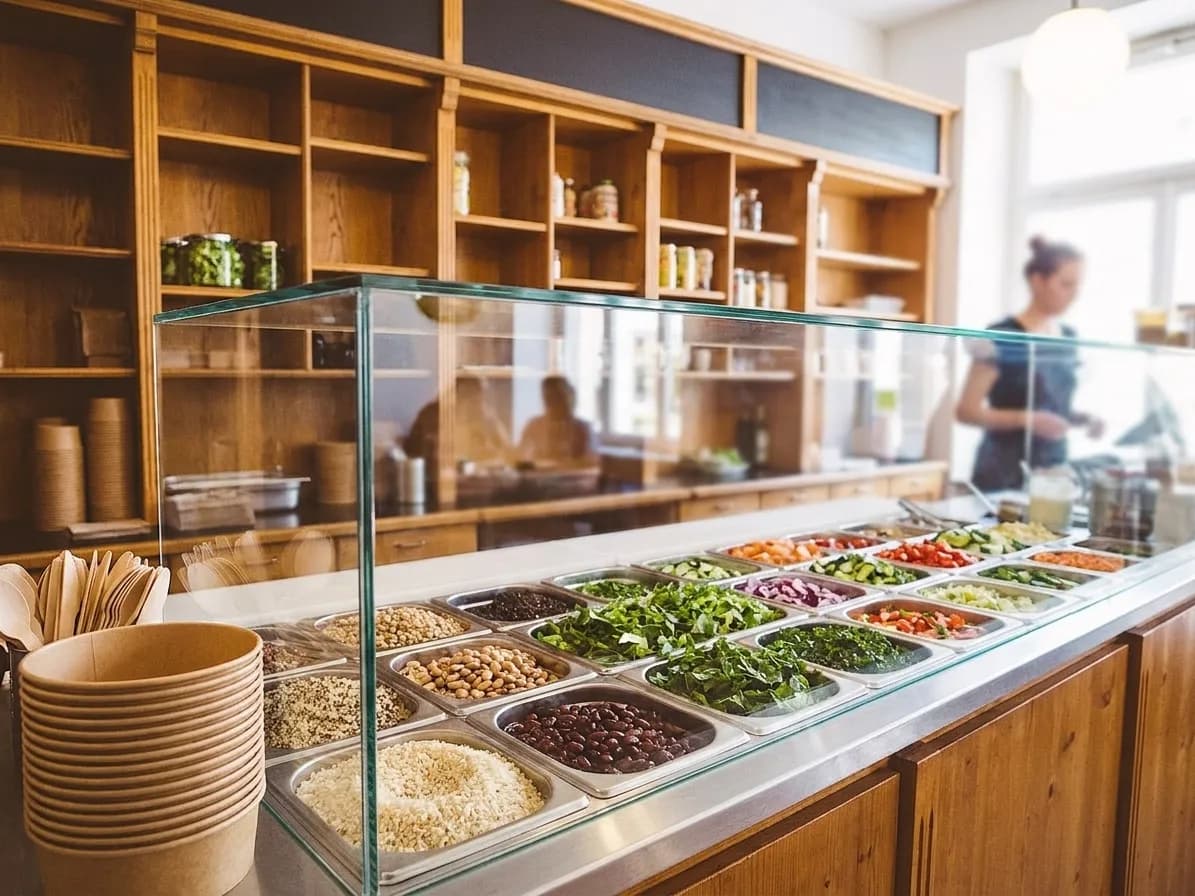
The standard structure is a base — greens, a grain, or a mix — at a fixed price including a set number of standard toppings, then premium items charged individually. What varies between counters, and what almost nobody checks, is how many standard toppings are included and which items count as premium.
Four included toppings versus six is a meaningful difference on an identical-looking menu board. So is whether beans and roasted vegetables count as standard or premium, which varies by counter. Read the board above the line rather than the one at eye level, because the inclusion rules are almost always printed at the top and the tempting photographs are at the bottom.
Where the upcharges hide
Consistently: avocado, any animal protein, cheese, nuts and seeds, and anything described as a superfood. Individually they are two to four dollars; collectively they are how a twelve-dollar base becomes a twenty-four-dollar bowl.
The single most effective discipline is one premium item. Pick the protein or the avocado, not both, and take the interest from the free toppings, which at a good counter are numerous and well prepared. A bowl with a generous base, six standard toppings and one well-chosen premium is both cheaper and better balanced than one carrying four premiums.
Salad bowl versus açaí bowl, which is not the same thing at all
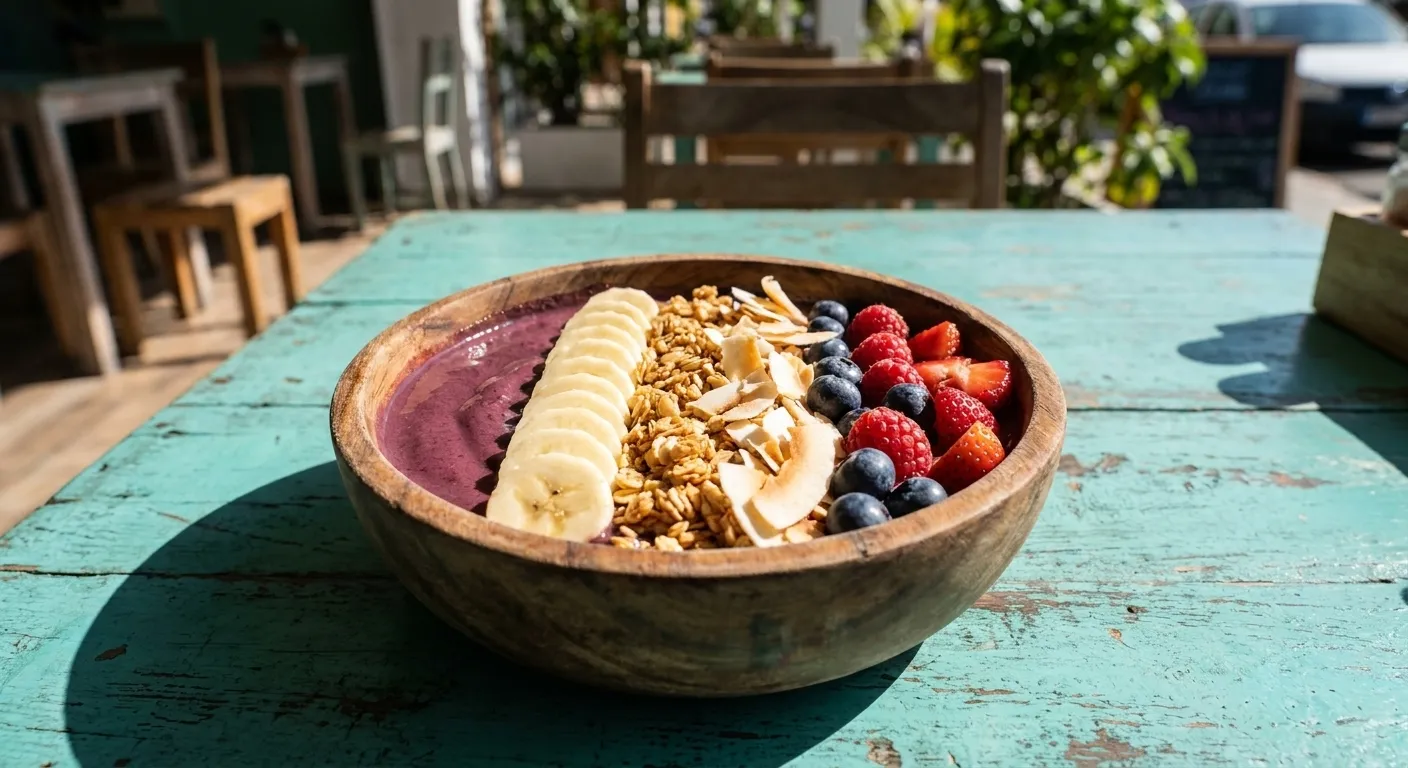
Miami's açaí and smoothie bowls sit next to the salad counters and are frequently sold by the same businesses, which produces a genuine confusion. An açaí bowl is a frozen fruit purée with granola and fruit on top. It is a pleasant thing and it is closer to a dessert or a breakfast than to lunch, with a sugar load to match once the honey, granola and banana are counted.
That does not make it a bad order. It makes it a different order. If the plan is lunch, a savoury grain or greens bowl with a protein will keep you going in a way an açaí bowl will not, and the price is usually similar. Deciding which of the two you are buying before you reach the counter avoids the common Miami outcome of eating a bowl of fruit at one o'clock and being hungry at two.
Portion size is the other variable that differs sharply between counters. Some serve a genuinely large bowl at the base price; others serve something modest and expect you to add. Look at what is coming off the line ahead of you in the queue before you decide how much to add, because that tells you more than the photograph on the board.
The heat problem, and what it means for the base
Miami's climate is genuinely hostile to delicate salads. Between the walk from the counter, the car, and any time spent outdoors, a bowl of soft leaves has usually deteriorated by the time it is opened. This is a bigger factor here than in almost any other American city.
Grain bases solve it. Quinoa, rice, farro and bean bases are indifferent to twenty minutes in a hot car, they carry dressing without collapsing, and they are more filling. If the bowl is travelling more than a few minutes, order it grain-based with greens mixed through rather than the other way round, and take the dressing separately.
Where the counters cluster
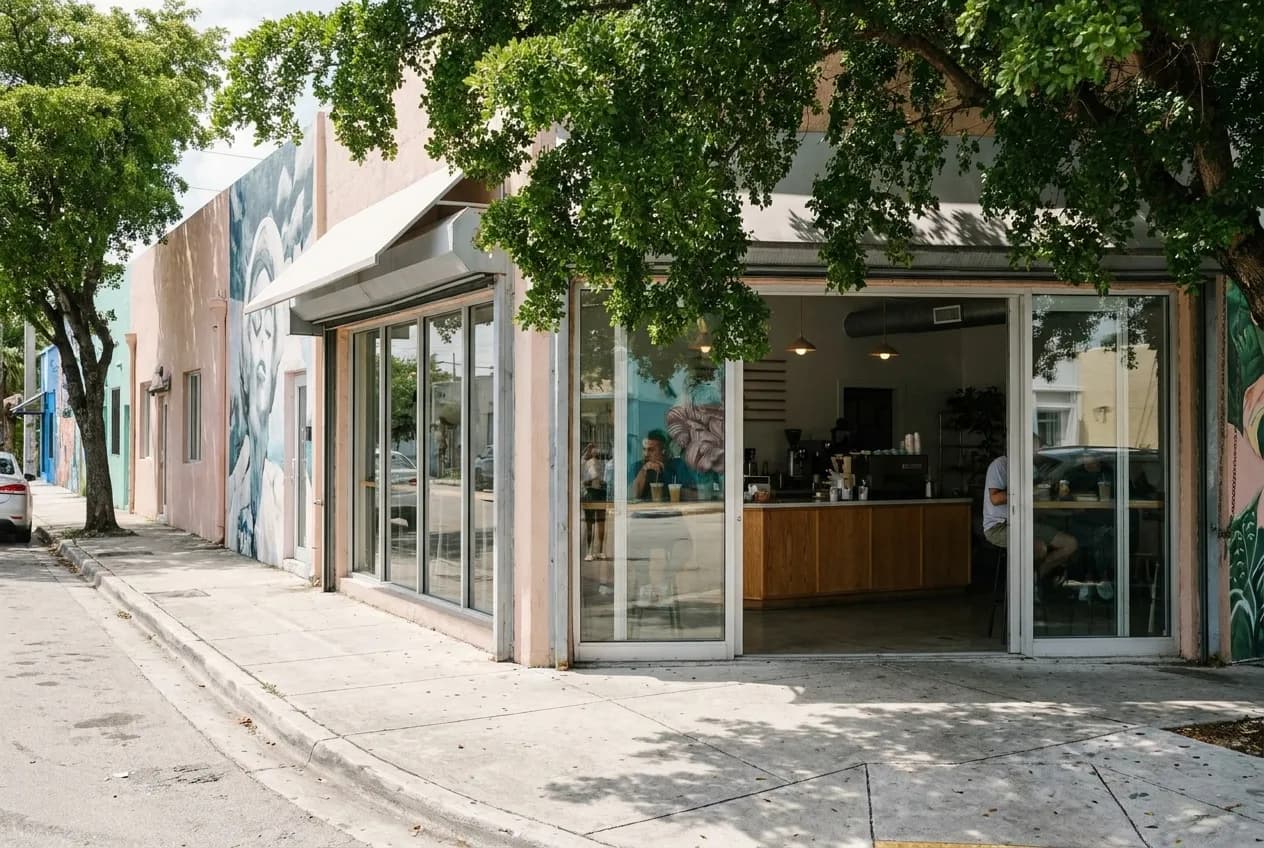
Brickell and downtown have the highest density, serving the office lunch trade, with the corresponding pricing. Wynwood and the Design District have the more design-led operations. South Beach has the highest prices for the same bowl anywhere in the county. And the neighbourhood counters further west and north — serving residents rather than offices or visitors — are consistently the best value.
As everywhere in Miami, the difference between a Brickell bowl and the same bowl fifteen minutes inland is substantial. If you have the flexibility, the inland version is usually larger and several dollars cheaper.
Ordering a bowl that actually works
Build it in the same order every time and it becomes automatic: a grain or greens base, one protein, two vegetables prepared differently — one raw and crunchy, one roasted and soft — something acidic like pickled onion or citrus, and a fat such as seeds or a tahini-style dressing. That is a complete, balanced bowl and it comes in near the base price at most counters.
Skip the fifth and sixth toppings. Bowls in Miami are frequently sold on abundance, and beyond about five components everything tastes the same and the whole thing becomes difficult to eat. The counters that let you build a twelve-component bowl are not doing you a favour, they are selling you upcharges.
One last observation about this city: bowl counters in Miami close earlier than people expect, with many finishing by three or four in the afternoon and a good number closed on Sundays. If a bowl is the plan for a late lunch or a weekend, check first. The juice bars generally run longer hours, which is one of the reasons the açaí option so often ends up being the one you have.
Tags: #MiamiFood #SaladNearMe #BuildYourOwnBowl #GrainBowl #AcaiBowl #Brickell #Wynwood #MiamiEats #HealthyEating #LunchBreak #DesignDistrict #FoodGuide #BowlLife #CityLiving
Please drink responsibly. Must be of legal drinking age.
All trademarks are the property of their respective owners.
Ask Karpo first
Want to know which Miami bowl counters near you give the most for the base price, and where the upcharges are? Ask Karpo before you reach the till.