# Article
The stretch between the Fenway Victory Gardens and the Isabella Stewart Gardner Museum measures less than a mile, but on a Thursday afternoon in late spring, it opens into something longer — a corridor where the city's formality softens and the light through new leaves turns everything a shade greener than memory. The Gardner offers free admission to visitors under twenty-five every day, a standing invitation that fills the galleries with art students sketching in the courtyard and high schoolers discovering Titian for the first time. Just north, the Fens bloom in community plots tended by hands that have worked the same soil for decades.
The Gardner's Open Door
The line at the Gardner's entrance moves steadily on Thursday afternoons, a mix of college students with overstuffed backpacks and younger visitors clutching school IDs. The museum's under-25 policy isn't a special event — it runs year-round, every day the doors are open — but the knowledge spreads quietly, passed between friends who've learned that certain afternoons hit differently when the crowd skews younger and the courtyard feels less like a shrine and more like a place to sit. Inside, the central courtyard rises four stories, its skylight flooding the space with natural light that shifts as clouds pass. Nasturtiums spill over the balconies in summer. The galleries wrap around this core, each room arranged exactly as Isabella Stewart Gardner left it in 1924, paintings hung salon-style, furniture and sculpture mingling without labels or barriers. First-timers often circle the courtyard twice before venturing into the side rooms, drawn back to the garden's strange calm. The Titian Room on the third floor stays quieter than the rest — fewer people make it that far before the courtyard reclaims them.
The Fens in Full Bloom
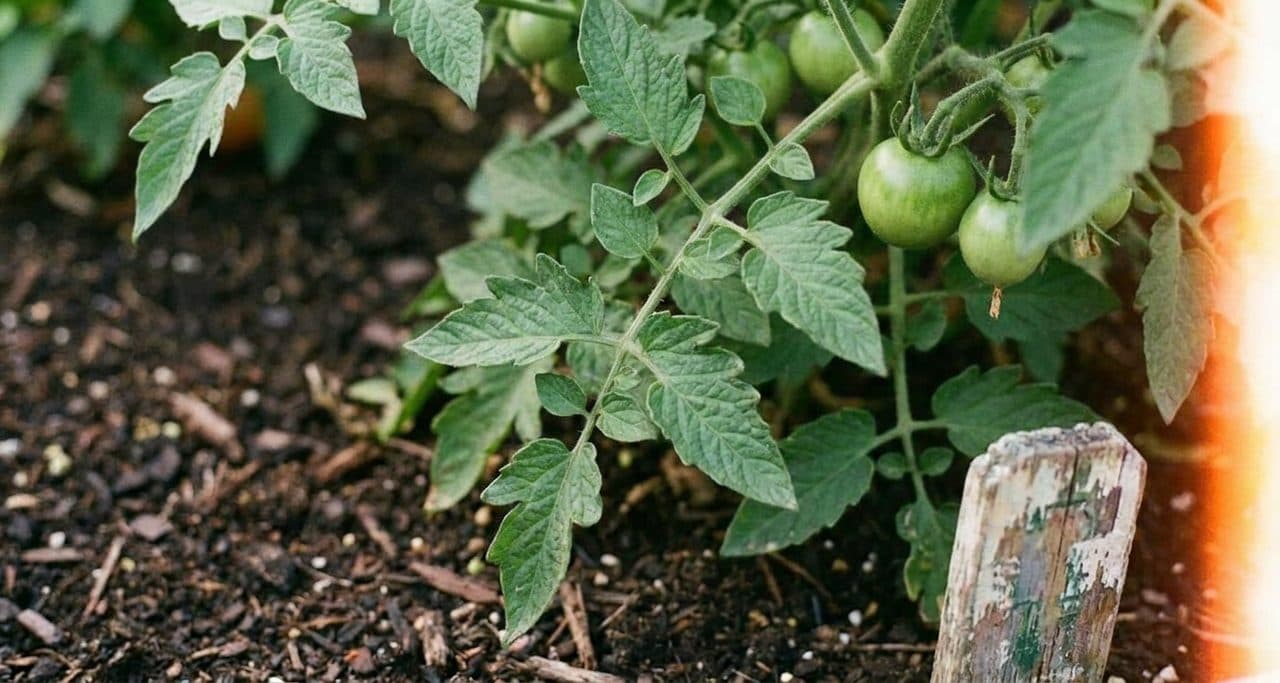
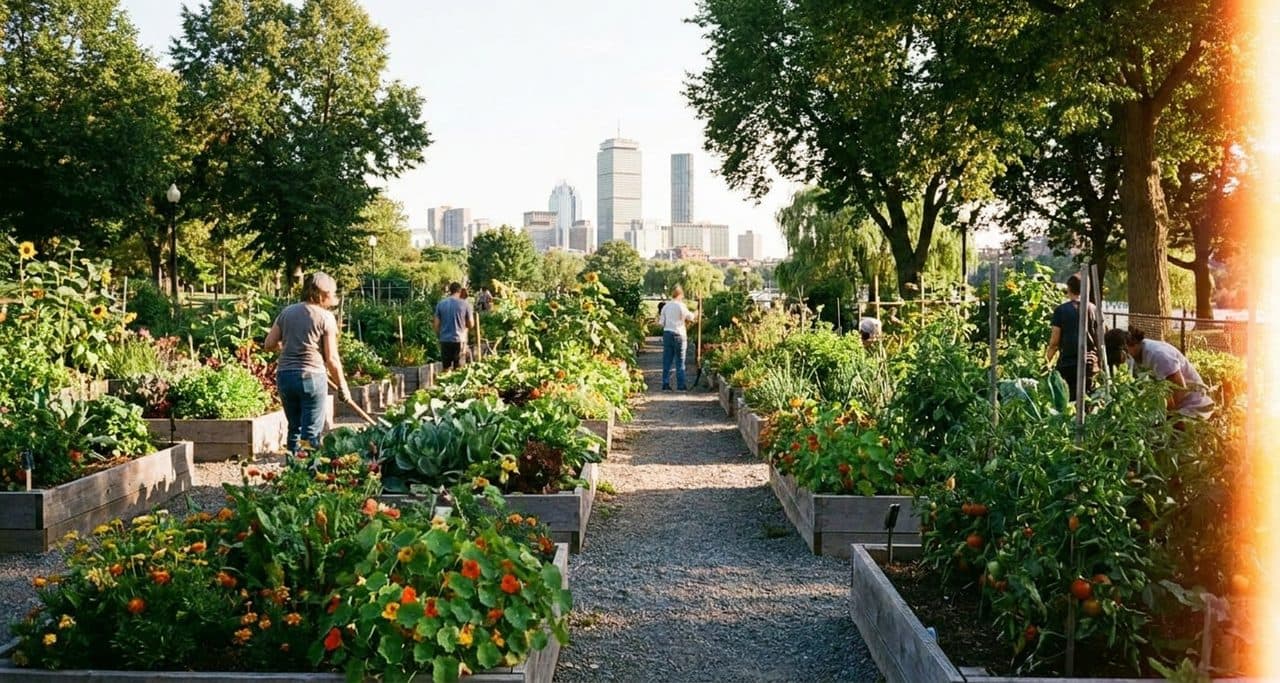
The Fenway Victory Gardens lie ten minutes' walk north, tucked behind the Museum of Fine Arts along a path that follows the marshy edge of the Muddy River. The gardens have operated since 1942, the oldest continuously active victory gardens in the country, and the plots reflect decades of accumulated care — roses trained over arched trellises, raised beds framed in reclaimed brick, hand-painted signs marking family names in three languages. Late May through June, the gardens hit peak abundance. Tomato plants climb their cages. Peonies bow under their own weight. The plots aren't open to the public in the sense of wandering through them — these are working gardens, tended by permit holders who've sometimes waited years for a plot — but the main paths run through the space, and the view from the gravel walkways offers a cross-section of the neighborhood's gardening philosophies. Some plots run to neat rows of vegetables. Others explode in cottage-garden profusion, dahlias and sunflowers competing for height. A bench near the center provides a vantage point where the skyline rises behind the green, the Prudential and Hancock towers framing the scene.
The Emerald Necklace Unfolds
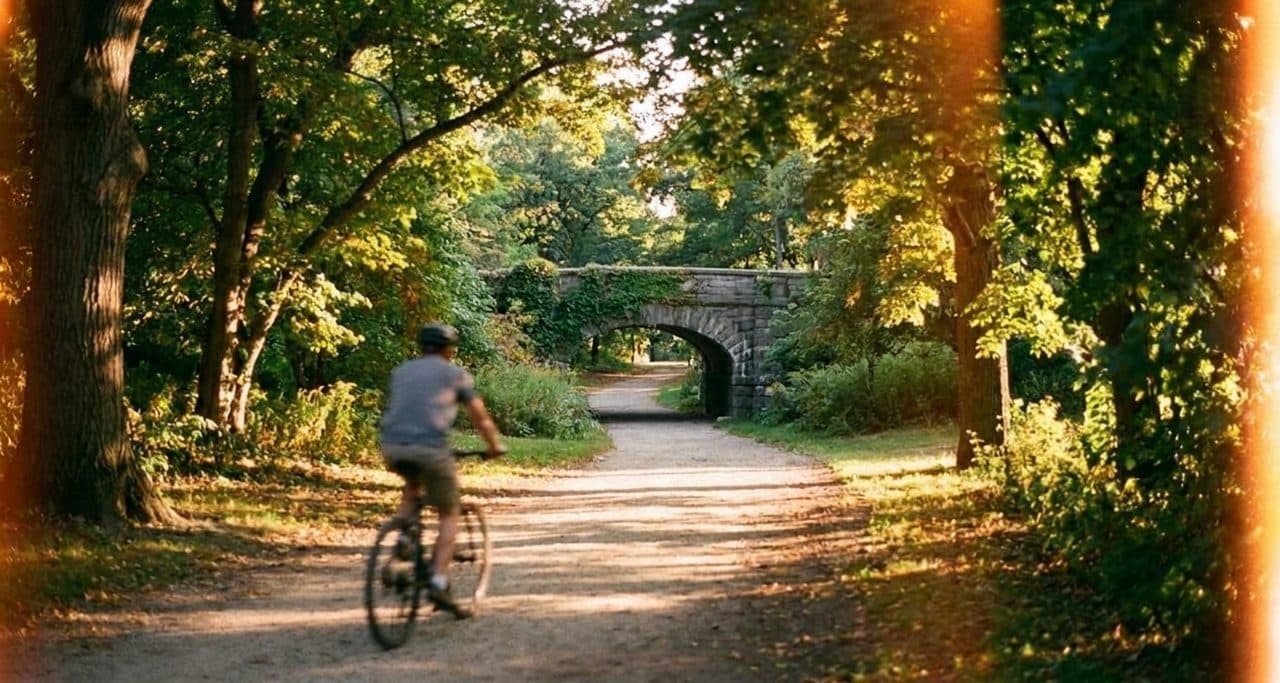
The path continues west along the Emerald Necklace, Frederick Law Olmsted's chain of parks that loops through Boston from the Common to Franklin Park. This section — the Fens, Riverway, and Olmsted Park — feels less designed than discovered, a series of green pockets linked by footpaths and bike trails that follow the water. In early summer, the canopy closes overhead and the traffic noise fades to a hum. Joggers and dog-walkers share the path with families pushing strollers and cyclists commuting home from Longwood Medical Area. The Riverway's stone bridges date to the 1890s, their arches reflected in the slow-moving water below. Turtles sun on half-submerged logs. Herons fish in the shallows, unbothered by passing foot traffic. The landscape shifts every quarter-mile — marsh gives way to meadow, then to dense woodland where the understory grows thick with ferns. Those who walk the full stretch from the Gardner to Jamaica Pond cover nearly four miles, but the route allows for shorter loops. Most visitors trace a circuit: Gardner to Fens to Riverway, then back via Fenway or Huntington Avenue.
The Crowd That Finds It
The demographic mix along this route skews younger and more local than the tourist-heavy zones downtown. Art students from MassArt and Northeastern treat the Gardner like an extension of campus, sketching in the courtyard or studying paintings between classes. Families from the surrounding neighborhoods — Fenway, Mission Hill, Jamaica Plain — use the Emerald Necklace as a backyard, returning to the same benches and favorite stretches of path. The gardens draw a quieter crowd, often older, sometimes speaking Cantonese or Portuguese, checking on plants with the focused attention of people who've invested months in a single crop. Weekday afternoons see fewer visitors than weekends, and the rhythm feels slower. The courtyard at the Gardner empties out around four, when the under-25 crowd heads to late classes or shifts. The Fens paths stay active until dusk, when the light turns golden and the joggers make their final loops.
What the Season Brings
The window for this particular combination — the Gardner's free admission paired with the gardens in full bloom and the Emerald Necklace at its greenest — opens in mid-May and holds through early July. By August, the heat wilts the flowers and the paths feel dusty. Spring comes late enough that April still runs cold, the trees barely budded. But June hits a balance: warm enough for shirtsleeves, cool enough that the walk stays comfortable. The peonies peak in the first two weeks of June. The roses follow a week later. The Gardner's courtyard plants shift with the seasons, but summer brings the nasturtiums and the full cascade of vines over the railings. Those who time it right catch the overlap — the museum's interior coolness, the gardens' peak color, the Necklace's deep shade all aligning for a few weeks when Boston feels more generous than usual.
Practical Notes
The Gardner sits on the Fenway, accessible via the Museum of Fine Arts stop on the Green Line E branch. The Fenway Victory Gardens lie a short walk north along the Fenway road, with entrances near the Agassiz Road intersection. The museum opens most days late morning through early evening, closed Tuesdays; the under-25 admission policy runs daily, ID required. The gardens and Emerald Necklace paths stay open dawn to dusk year-round, no admission fee. Walking the full route from the Gardner to Jamaica Pond and back takes two to three hours at a leisurely pace, less for those who loop back earlier. The museum's courtyard café offers light food and coffee, useful for a mid-visit break. Restrooms available inside the Gardner; none along the Necklace paths until Jamaica Pond. The gardens themselves don't have facilities — they're working plots, not a park with amenities. Weekday afternoons see lighter crowds than weekends. No reservations needed for the walk, though the Gardner sometimes requires timed tickets during peak periods; check ahead.
Tags: #FreeBoston #FenwayVictoryGardens #IsabellaStewartGardnerMuseum #EmeraldNecklace #BostonParks #BackBay #FenwayNeighborhood #CommunityGardens #FreeCulture #BostonWalks #OlmstedParks #Under25Free #BostonSpring #UrbanGardens #HiddenBoston
Sources consulted: timeout.com · ny.curbed.com · nycgovparks.org
All trademarks are the property of their respective owners.
Ask Karpo first
Want to know which gardens are open to visitors, or the best entry point for the Emerald Necklace walk?
Ask Karpo for the Gardner Museum's free-admission hours and the Fens garden route before you head out.