What SoWa First Friday Means in June 2026
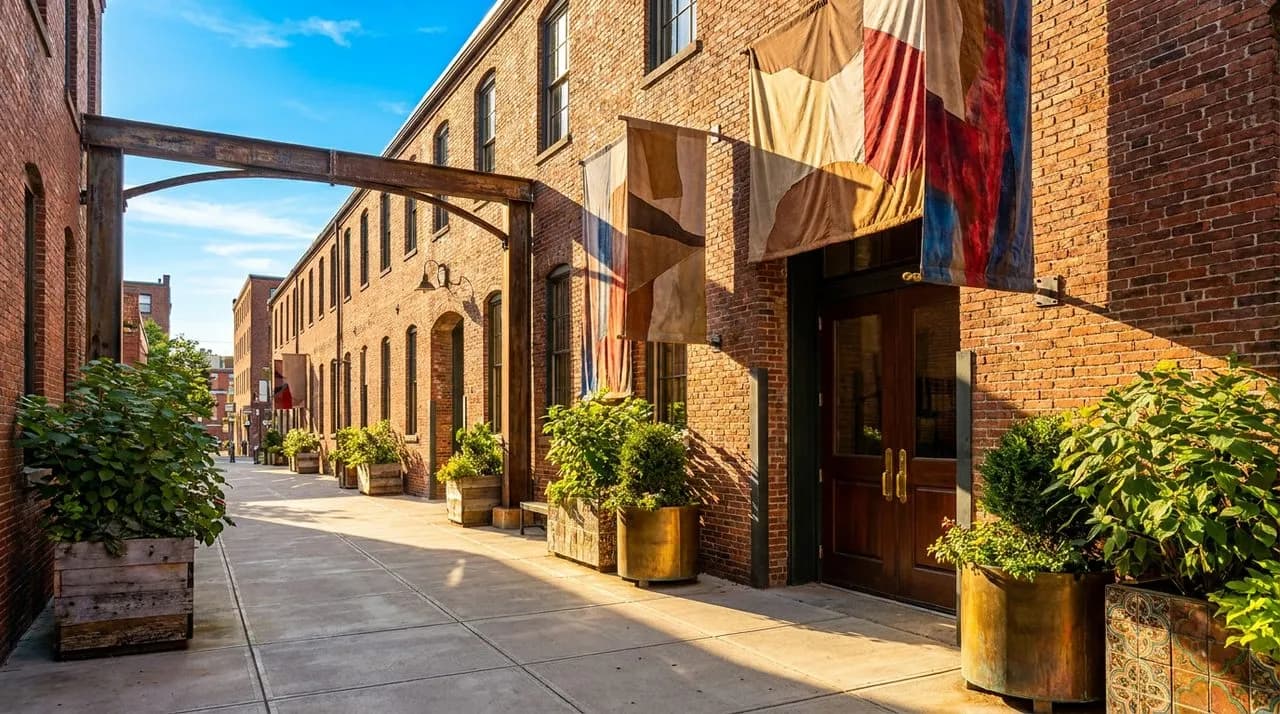
SoWa First Friday is the South End's monthly gallery crawl, and the June 5, 2026 edition falls on a warm early-summer evening when daylight lingers past eight. More than thirty artist studios, galleries, and pop-up spaces open their doors without admission fees, inviting visitors to wander Harrison Avenue, Thayer Street, and the brick-lined alleys between warehouses that once housed industrial machinery. The event has anchored Boston's art walk calendar since the mid-2000s, drawing collectors, students, and curious neighbors who appreciate free art without velvet ropes.
June typically sees the highest turnout of the spring season because college students have departed and families return from Memorial Day travel. Galleries stock fresh work for summer buyers, and many artists debut pieces they completed during April and May studio residencies. Expect crowds to peak between six-thirty and seven-thirty, though arriving earlier or staying past eight offers quieter viewing and longer conversations with makers.
Which Studios Open at Five and Which Close by Eight
A handful of studios unlock at five o'clock, giving early birds a head start before the Harrison Avenue sidewalks fill. The SoWa Artists Guild building at 450 Harrison Avenue usually opens its ground-floor and second-floor studios by five, as does the Laconia Lofts complex on Thayer Street. Painters and sculptors working in those spaces appreciate the longer window to chat before the rush, and you can often watch an artist add finishing touches to a canvas still drying on the easel. If you leave work downtown at four-thirty, a brisk fifteen-minute walk puts you inside a studio by five-fifteen.
On the other end, several galleries shutter by eight o'clock because artists have evening commitments or simply run out of steam after three hours of hosting. The smaller co-ops along Randolph Street and the back studios in the SoWa Power Station tend to close earliest, while the anchor galleries on Harrison Avenue stay open until nine. Plan to visit your must-see spaces before seven-thirty if they are not marquee venues, and save the larger commercial galleries for the final hour when you can linger without jostling elbows.
South End Streets to Start Your Route
Most seasoned walkers enter the district from the north, beginning at Berkeley Street and Tremont Street, then heading south on Harrison Avenue. This approach lets you hit the SoWa Artists Guild early, work your way past the open-air market stalls if vendors are still packing up, and then zigzag west along Thayer and Randolph. Starting north also means you walk with the evening light rather than into the low western sun that can make crosswalks hard to read after six-thirty.
An alternative entry point is the Massachusetts Avenue side near the Boston Center for the Arts, especially if you are coming by bus or bike from Cambridge. From there, Tremont Street galleries serve as a warm-up lap before you dive into the denser SoWa blocks. Whichever direction you choose, carry a paper map or screenshot the district layout; cell service inside thick-walled warehouse studios can drop to one bar, and you will lose time retracing your steps if you rely solely on live navigation.
The Berkeley Street Rooftop Reception That Takes Drop-Ins
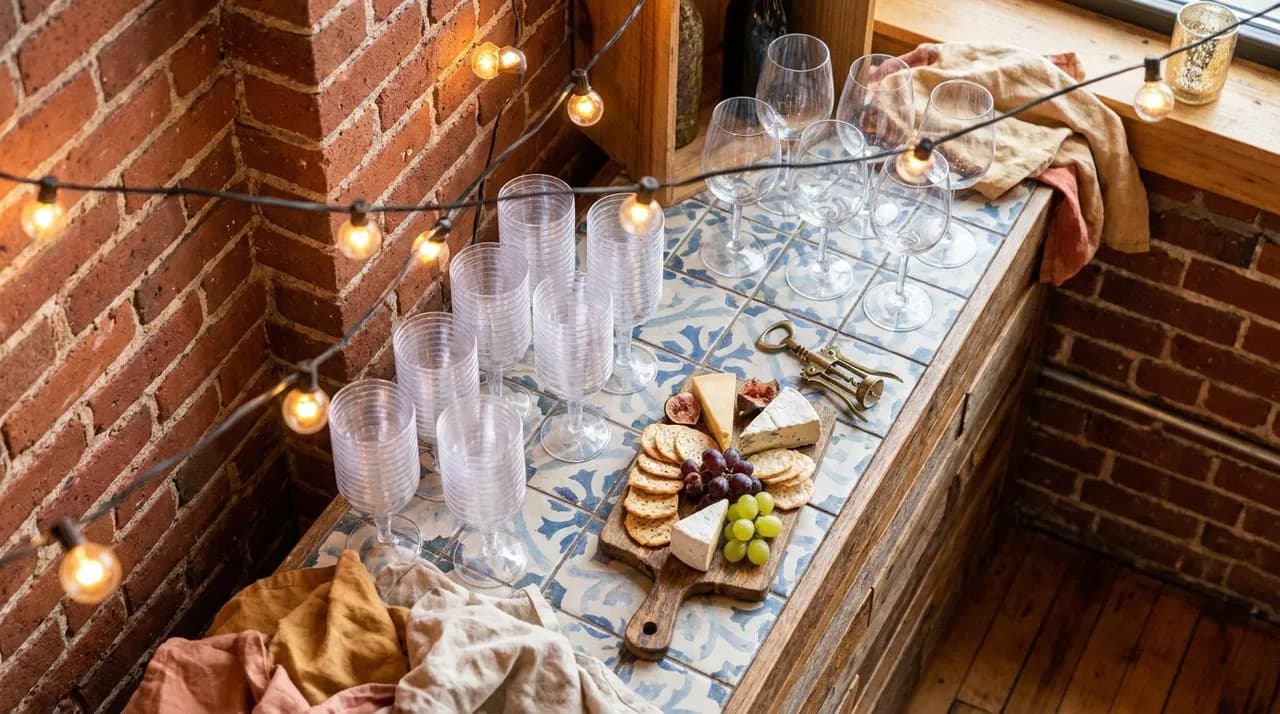
One of June's best-kept secrets is the rooftop reception hosted by a collective of printmakers and ceramicists in a five-story building near the corner of Berkeley and Appleton. The space does not advertise heavily, but a small sandwich board on the sidewalk directs visitors to a freight elevator that opens directly onto a terrace with string lights, folding tables of wine and sparkling water, and panoramic views toward the Prudential Tower. The reception runs from six to eight-thirty, and no RSVP or ticket is required; simply step off the elevator and help yourself to a plastic cup.
Artists from the building rotate hosting duties each month, so the June 5 lineup might feature a live screen-printing demo or a table where you can try your hand at trimming a small clay tile. The rooftop is particularly pleasant in early June when temperatures hover in the low seventies and the breeze carries the scent of blooming linden trees from the residential blocks to the east. Arrive by seven if you want a seat on one of the benches; after seven-thirty, most guests stand along the railing and chat in clusters of three or four.
Navigating the SoWa Power Station and Smaller Co-Ops
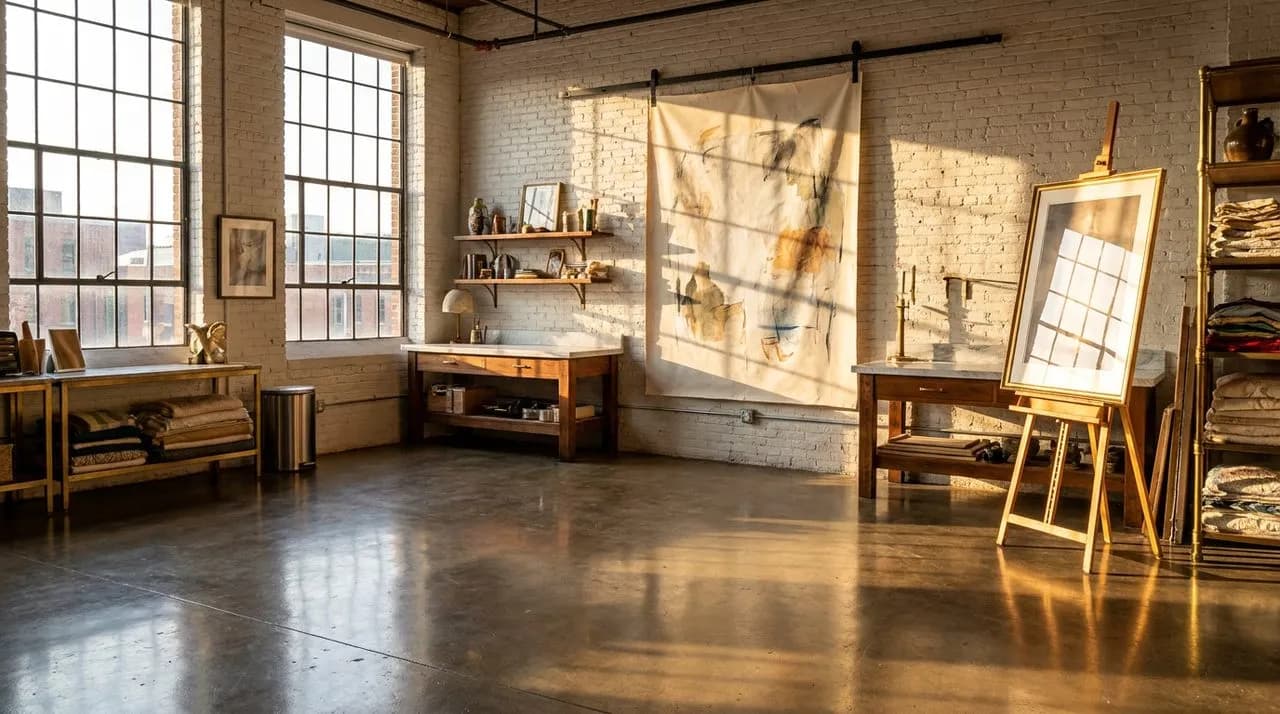
The SoWa Power Station on Harrison Avenue houses dozens of micro-studios in a labyrinth of hallways that can confuse first-time visitors. Each floor has a different layout, and some studios share a single doorway with a curtain divider. Look for the printed floor plan taped near the stairwell entrance; it lists artist names and room numbers, though a few makers swap spaces between months. The building's industrial heating ducts and exposed brick give it a gritty authenticity that polished commercial galleries lack, and you will often find the most experimental work tucked into corners where rent is lowest.
Smaller co-ops on side streets like Randolph and Thayer operate on shoestring budgets, so expect modest signage and dim lighting in hallways. Bring a phone flashlight if you plan to explore upper floors after sunset, because some buildings rely on motion-sensor lights that do not always trigger promptly. These co-ops are where emerging artists show raw, unfiltered pieces—large-scale abstracts that have not yet been framed, welded sculptures still smelling of cutting oil, and photo series printed that afternoon. The intimacy of a ten-by-twelve studio means you will have the artist's full attention, and prices are often negotiable on the spot.
Practical Notes for June 5, 2026
Right on time for early summer, June 5 falls two weeks before the solstice, so daylight lasts until nearly eight-thirty. That extended glow means outdoor sculptures and murals remain visible well into the evening, and photographers will appreciate the golden-hour light on brick facades between six-forty-five and seven-fifteen. The forecast for early June in Boston typically shows mid-seventies temperatures and low humidity, though a light cardigan is wise if you plan to stay past eight when the breeze picks up.
Public transit is the simplest approach: the Orange Line to Back Bay or Tufts Medical Center puts you within a ten-minute walk, and the Silver Line stops at East Berkeley Street. Street parking on residential blocks north of the district is metered until eight, and spaces turn over quickly after six when commuters leave. If you drive, aim for the lot on Wareham Street or the garage near the Boston Center for the Arts. A few practical tips follow.
- Wear comfortable shoes; you will cover at least a mile on concrete and uneven brick.
- Bring cash for any small prints or ceramics you want to buy on the spot; not every artist carries a card reader.
- Download a district map before you arrive; cell signal weakens inside thick-walled studios.
- Carry a tote bag for brochures and business cards; you will collect a stack by the end of the night.
- Plan to eat before or after; food trucks sometimes appear on Harrison Avenue, but selection is unpredictable.
Why This Free Art Walk Matters in Boston
SoWa First Friday endures because it removes barriers that keep casual audiences away from contemporary art. No admission fee, no dress code, no pressure to buy—just open doors and artists willing to explain their process. In a city where museum tickets hover near thirty dollars and gallery openings can feel exclusive, this monthly event democratizes access and reminds visitors that art thrives in working studios, not just white-cube institutions. The South End has gentrified steadily over two decades, but the art walk preserves a slice of the neighborhood's creative roots.
For artists, First Friday provides income, exposure, and community. A single evening can yield a commission, a feature in a local blog, or simply the encouragement that comes from watching strangers pause in front of a painting for two full minutes. The event also anchors the broader SoWa district economy; restaurants and wine bars see a surge in reservations, and the Sunday farmers market benefits from the heightened weekend foot traffic. Free art walks are rare in major American cities, and Boston's version remains one of the most consistent and welcoming.
Sources consulted: City of Boston official site · SoWa Boston district information · Massachusetts Office of Travel and Tourism · Boston events calendar · Massachusetts Bay Transportation Authority
All trademarks are the property of their respective owners.