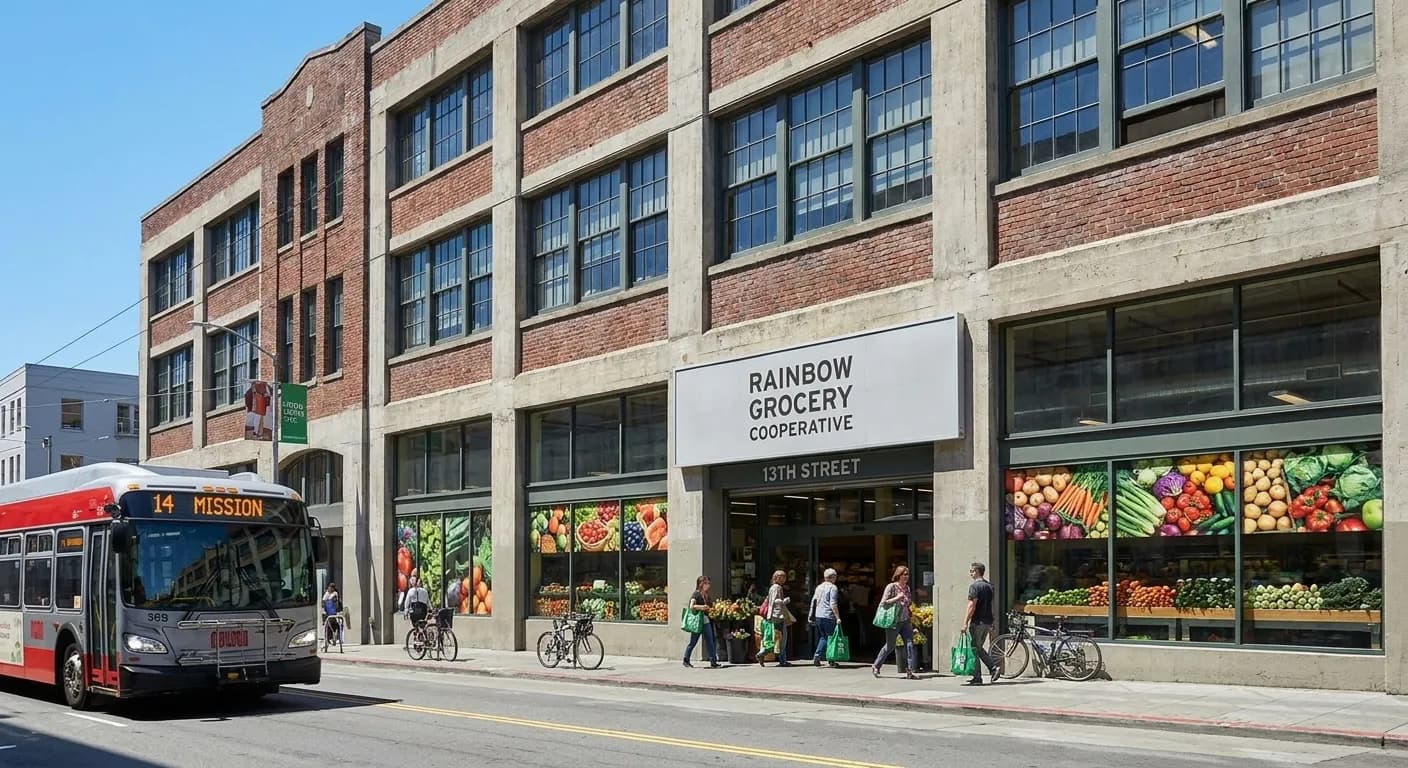
The blueberry recall that started in mid-August 2026 has sent shoppers scrambling to verify lot codes, decode packing stamps, and figure out which grocery stores actually track their supply chains. Unlike a simple expiration-date check, navigating a produce recall requires reading container codes that most people never notice and trusting that your grocer pulled affected inventory before you walked in. Two San Francisco markets—Rainbow Grocery in SoMa and Gus's Community Market in the Mission—have systems in place to trace berries back to the farm and verify lot codes before berries reach the shelf, which makes them safer bets than chains that rely on distributors to handle recalls downstream.
Karpo tracks real-time recall alerts at your neighborhood grocers and shows you which San Francisco markets verify lot codes before stocking shelves.
Why lot codes matter more than expiration dates
The current blueberry recall targets specific harvest batches, not every container on the shelf. A pint marked with an August sell-by date might be perfectly safe if it came from an unaffected farm, while another with a later date could carry the recalled lot code. The FDA recall notice lists specific alphanumeric codes stamped on the bottom or side of containers—usually a combination of letters indicating the packing facility and numbers showing the Julian date of harvest.
Rainbow Grocery at 1745 Folsom Street trains its produce staff to check lot codes before accepting shipments. The worker-owned co-op has been in the Mission since 1975, and its buying team maintains direct relationships with organic farms. When a recall hits, Rainbow's produce coordinator cross-references incoming lot numbers against FDA alerts before berries reach the floor. If you're unsure about a container you already bought, bring your receipt to the customer service desk—staff can trace the lot code using the timestamp and register number.
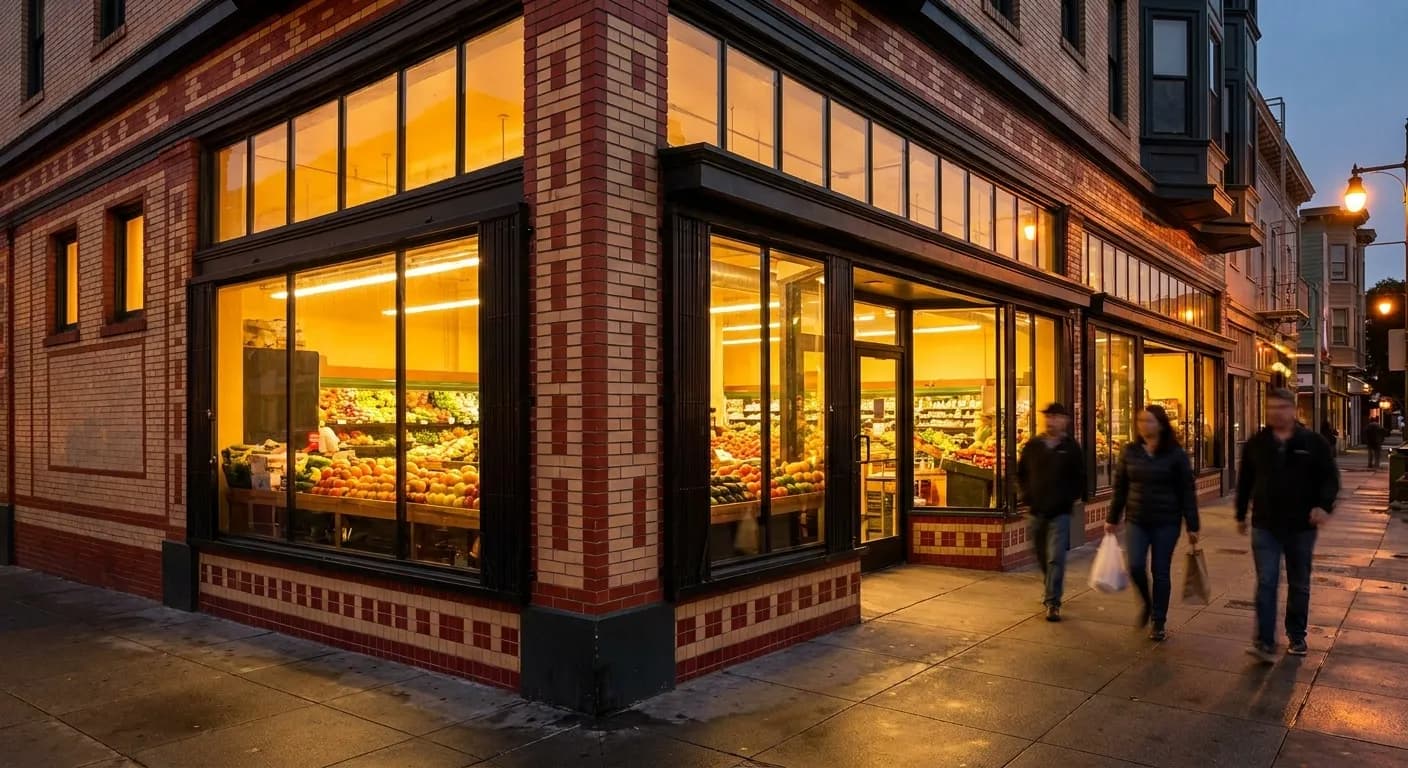
Gus's Community Market at 2111 Harrison Street, open 7 a.m. to 9 p.m. daily, posts recall alerts on a clipboard near the produce section. The family-owned market receives twice-weekly deliveries from local farms, and the receiving manager marks each flat with the farm name and harvest date. This traceability means you can ask any stocker which farm supplied today's blueberries and verify it against the recall list yourself.
How to read container stamps in thirty seconds
Most berry containers carry a small stamp near the barcode or on the bottom rim. The format varies by packer, but recalled lots typically include a facility code (two or three letters) followed by a three-digit Julian date. Julian dates run from 001 (January 1) to 365 (December 31), so day 238 translates to August 26. The recall notice will list specific code ranges—for example, "Facility XYZ, days 220-240." If your container shows XYZ239, it's part of the recall. If it shows ABC239 or XYZ250, it's clear.
Rainbow Grocery's bulk berry bins don't carry individual container codes, but the co-op labels each bin with the farm name and delivery date. The produce team replaces these tags every morning, so you're always seeing the current sourcing information. If you bought bulk berries earlier in the week and threw away the tag, bring your receipt—Rainbow's system logs which farm supplied bulk berries to which bin at what time, and staff can retrieve that data going back three months.
At Gus's, pre-packaged berries sit in refrigerated cases with the lot code visible. The market doesn't repackage commercial containers, so you can inspect the original stamp before you buy. If the code is smudged or hard to read, ask a produce clerk to scan the barcode—Gus's inventory system flags recalled lot codes automatically and will prevent the sale if there's a match.
Local alternatives that sidestep industrial supply chains
The recall primarily affects berries moving through large regional distributors. Small farms that pack and sell their own harvest aren't part of the affected supply chain, which makes them a safer bet during recall windows. Rainbow Grocery sources blueberries from farms within a 150-mile radius whenever possible, including operations in Sonoma, Santa Cruz, and the Central Valley. The co-op's buyer visits these farms quarterly and maintains a list of which growers handle their own packing versus which use third-party facilities.
Gus's Community Market works with farms that deliver directly to the store's back door. The Tuesday and Friday morning deliveries arrive in flats labeled with the grower's name, not a distributor code. This short supply chain means fewer points where contamination or mislabeling can occur. If you shop after 10 a.m. on delivery days, you'll find berries that were picked within 48 hours and never touched a warehouse.
Both stores post farm names on shelf tags, but the level of detail varies. Rainbow includes the city where the farm operates, which lets you cross-reference against recall notices that sometimes list affected regions. Gus's tags show the farm name and the phrase "direct delivery" when applicable. If a tag doesn't specify, assume the berries came through a distributor and check the lot code carefully.
What to do if you already bought recalled berries
Rainbow Grocery accepts returns on produce even without a receipt, but having the receipt speeds up the refund. The co-op's policy is to issue store credit equal to the purchase price, or a cash refund if you paid cash originally. If you bought the berries more than a week ago and didn't freeze them, discard them immediately—don't bring spoiled produce into the store. Rainbow's customer service desk is located just inside the 13th Street entrance, and the line moves fastest between 10 a.m. and noon on weekdays.
Gus's Community Market will refund or exchange recalled items with or without a receipt. Bring the container if you still have it, or at minimum note the date and approximate time you shopped—the register system can pull up transactions and verify the purchase. If you used a credit card, the lookup takes seconds. Gus's doesn't require you to bring the berries back if they're past safe handling time; a photo of the lot code on your phone is enough to process the refund.
Both stores participate in the FDA's recall notification system, which means they'll receive updated lot code lists as the recall expands or contracts. If you're a regular shopper, consider asking customer service to flag your account for recall alerts—Rainbow can add a note to your member record (co-op membership is free and open to anyone), and Gus's will take your phone number for text updates. This way you'll know immediately if a product you bought last week gets added to the recall list.
Timing your shop to catch the safest inventory
Rainbow Grocery restocks produce between 7 a.m. and 9 a.m. daily, but the bulk of new deliveries arrive Monday, Wednesday, and Friday. The produce team pulls anything with an approaching sell-by date around 8 a.m., which means the selection from 9 a.m. to 11 a.m. reflects the freshest, most recently verified stock. The co-op is open 9 a.m. to 9 p.m. every day, but late-evening shoppers will find picked-over berry bins that may not have been replenished since morning.
Gus's Mission Market opens at 7 a.m., and the receiving crew unloads farm trucks between 7 a.m. and 9 a.m. on Tuesdays and Fridays. If you arrive at 7 a.m., you'll see yesterday's inventory; if you arrive at 10 a.m., you'll see today's farm deliveries tagged and priced. The afternoon shift restocks commercial brands around 2 p.m., so mid-afternoon is a good window if you're looking for a specific national brand that you've verified as recall-safe.
Both stores see the lightest foot traffic Tuesday and Wednesday mornings. Weekends bring crowds that can strip the berry section by noon, and Mondays are busy with shoppers stocking up for the week. If your schedule allows, a Tuesday at 10 a.m. gives you first pick of farm deliveries at Gus's and fully restocked shelves at Rainbow, with no checkout lines.
Practical notes
Rainbow Grocery is at 1745 Folsom Street in SoMa, open 9 a.m. to 9 p.m. daily except major holidays; the co-op offers free two-hour parking in the garage at the 13th Street entrance and additional parking at 14th and Trainor. Seniors 60+ receive 10% off with ID, and any shopper spending $100 or more before tax saves 10%. Gus's Community Market sits at 2111 Harrison Street at 17th in the Mission, open 7 a.m. to 9 p.m. every day; street parking is metered until 6 p.m., and the 14 Mission, 22 Fillmore, and 49 Van Ness lines all stop within two blocks. Both stores accept FSA and HSA cards for eligible items. Check lot codes on every berry container before you buy, prioritize local farms during recall periods, and keep your receipt for at least a week in case the recall expands.
Tags: #BlueberryRecall #SanFranciscoGrocery #MissionDistrict #RainbowGrocery #GusCommunityMarket #FoodSafety #LocalProduce #SoMaShopping #BayAreaFarms #RecallAlert #SafeGroceries #SFMarkets #ShopLocal #ProduceSafety #FarmToTable
All trademarks are the property of their respective owners.
Ask Karpo first
Need to verify which berry brands are recall-safe at your regular San Francisco grocer, or find the nearest farm stand with verified-local blueberries? Ask Karpo to track recall updates at Rainbow, Gus's, or any Mission and SoMa market—we'll show you current lot codes, delivery schedules, and which vendors source directly from inspected Bay Area farms.