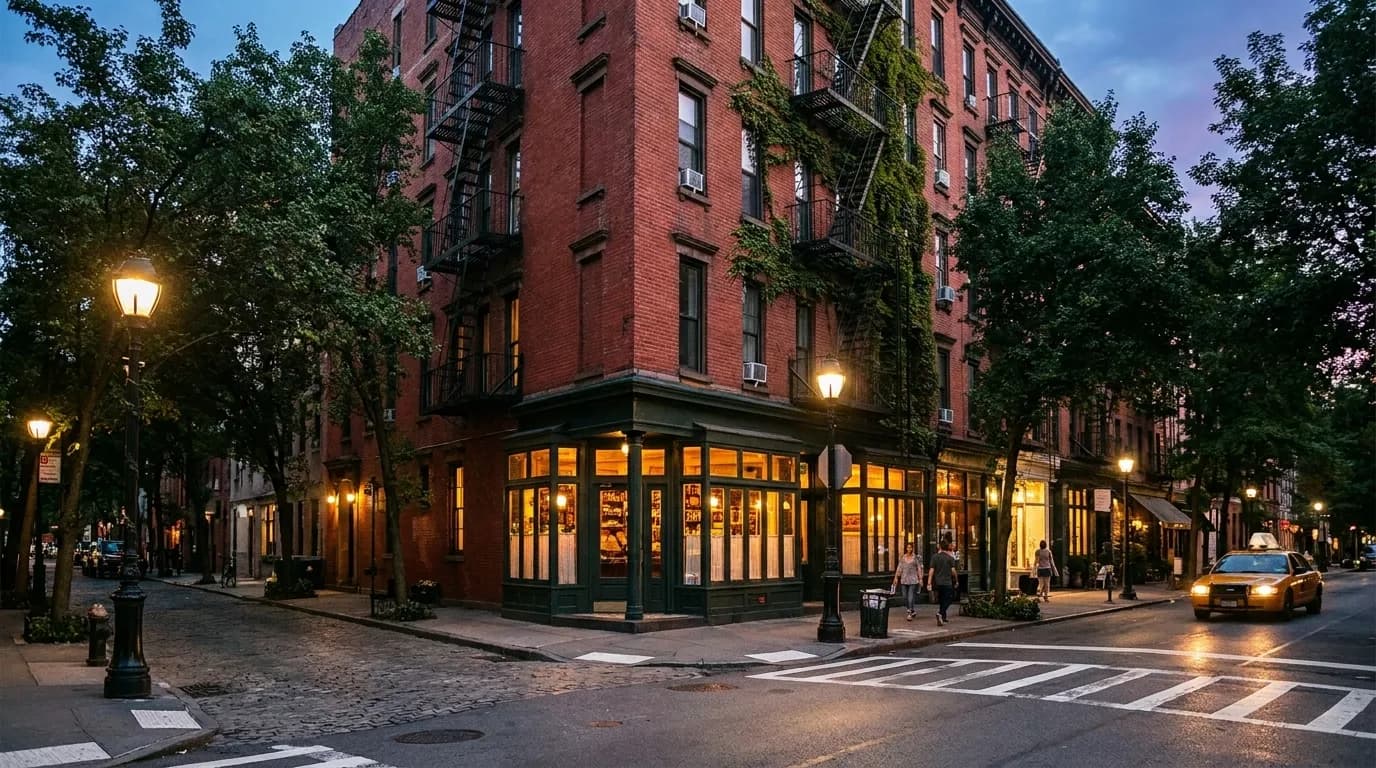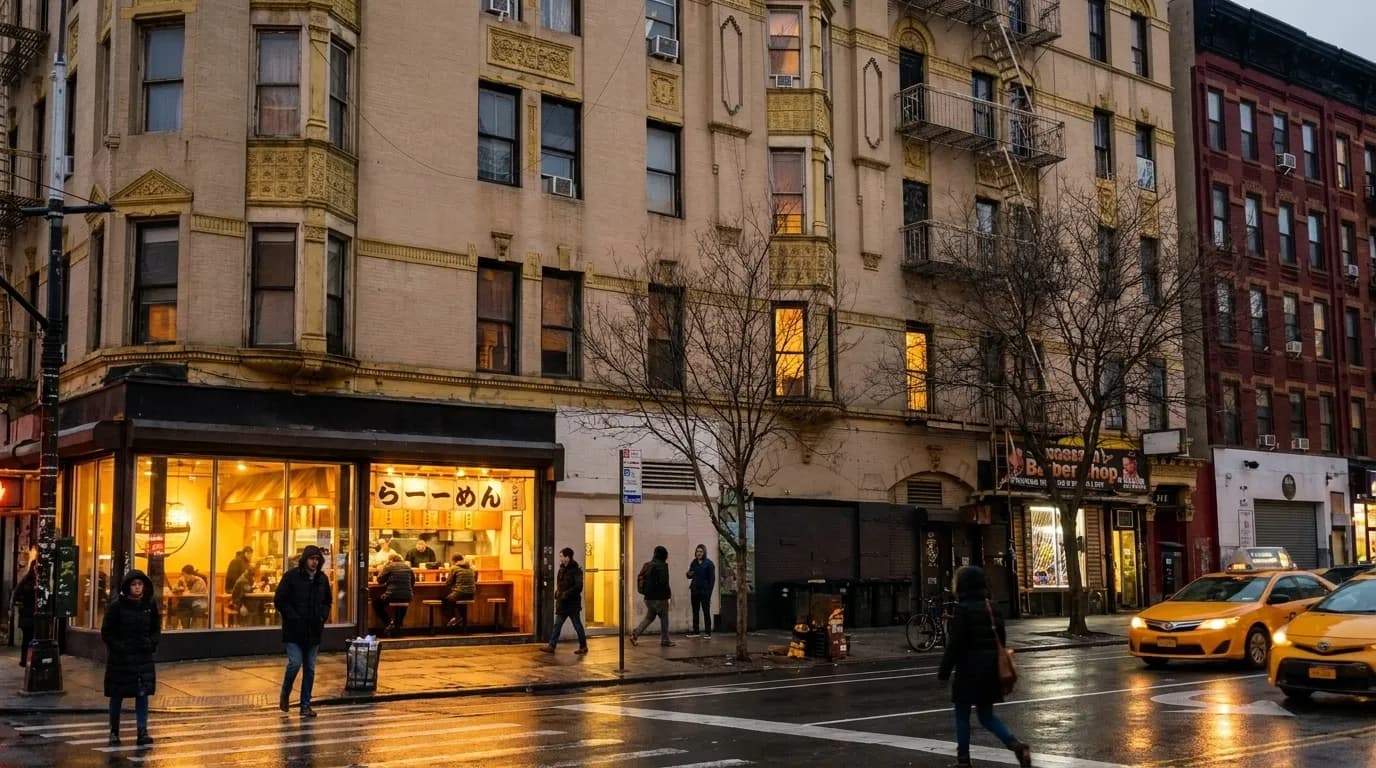
New York has enough ramen to fill a month of dinners, but the best bowls reveal themselves when you stop thinking in terms of 'good' versus 'bad' and start thinking in styles. Tonkotsu, shio, shoyu, miso—they're not interchangeable, and neither are the restaurants that commit to one over another. The bowls that matter here come from kitchens that understand a specific style deeply enough to make it their signature, and three places make that case better than most.
Karpo helps you pick the right ramen style for tonight based on your location, wait tolerance, and whether you want something rich or clean.

Ippudo: the tonkotsu that started it all
Ippudo opened in the East Village in 2008 and made tonkotsu ramen the default New York order. The broth is milky, pork-heavy, and simmered long enough that it coats your lips. This is the style Fukuoka made famous, and Ippudo's Akamaru Modern—their signature bowl with garlic oil and a miso paste that melts into the broth—is still the version most people measure others against. The noodles are thin and firm, made in-house, and they hold up to the richness without going soft.
Go during off-peak hours if you can, which means weekday afternoons or right when they open for dinner. Weekend waits stretch past an hour, and the room gets loud—wood tables, open kitchen, hard surfaces that amplify every conversation. Order the Akamaru if it's your first time, but regulars often go for the Shiromaru, the cleaner tonkotsu without the garlic and miso layering. Add an egg; it's always jammy. Expect to spend around eighteen dollars for a bowl before add-ons.
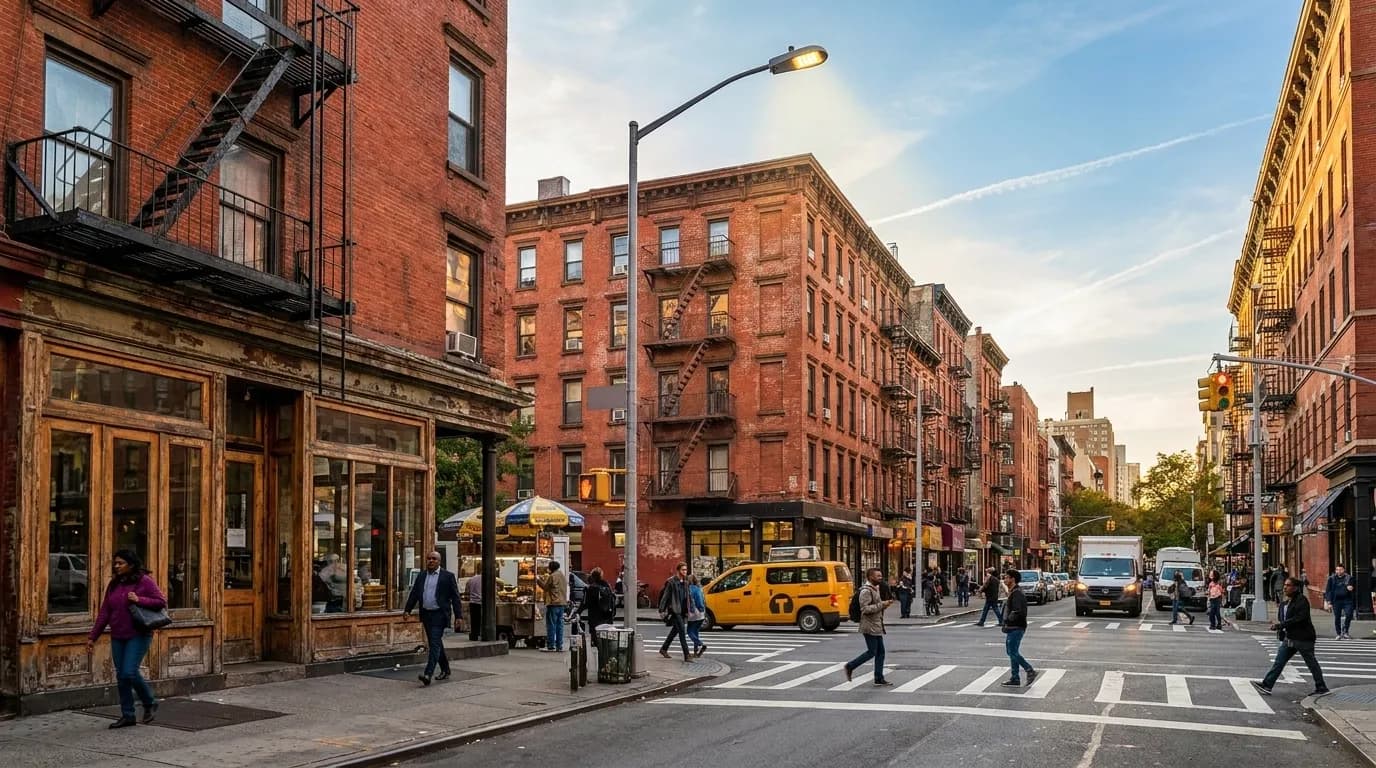
Nakamura: shio ramen as a palate reset
Nakamura in the East Village takes the opposite approach. The signature here is shio—salt-based broth that's light, clear, and built on chicken rather than pork. It looks delicate, almost restrained, but the flavor is clean and intense in a way that tonkotsu never is. The broth tastes like the essence of poultry and dashi, with a saline backbone that doesn't shout. This is the bowl you want when you're tired of heavy broths or when you want to taste every ingredient instead of one dominant flavor.
The space is small—counter seating and a handful of tables—so come alone or with one other person if you want to avoid a wait. Lunch is the smarter play here; the midday crowd cycles faster than dinner. The noodles are slightly thicker than Ippudo's, with more chew, and the chashu is lean and tender. Don't skip the ajitama if you're ordering à la carte; the egg yolk is custard-soft. Bowls run around sixteen dollars, and the menu is short enough that you can read it in thirty seconds.
Okiboru: tsukemen for when you want control
Okiboru does tsukemen, which is ramen deconstructed: cold noodles served separately from a hot, concentrated dipping broth. The noodles are thicker and chewier than anything you'll find in a traditional bowl, and the broth is reduced to the point where it's almost a sauce. You dip, slurp, and the noodles stay cold and firm the entire way through. It's a different rhythm—more interactive, less meditative—and it gives you control over how much broth hits each bite.
The East Village location is compact and gets busy during lunch rushes, especially on weekends. Locals know to ask for extra broth halfway through; the kitchen will top you off with a lighter, hot broth that stretches the meal. The pork-based dipping broth is rich but not as heavy as tonkotsu, with a slightly smoky edge. If you're new to tsukemen, start with the standard size—the large is genuinely large. Bowls are around seventeen dollars, and the menu has a few maze-soba options if you want something brothless.
Why style matters more than ranking
The best ramen in NYC isn't a single bowl; it's knowing which style fits the moment. Tonkotsu is cold-weather comfort, the kind of bowl that fills you up and keeps you warm on a February walk home. Shio is what you want when you're eating alone and paying attention, or when you've had three heavy meals in a row and need something that won't flatten you. Tsukemen is the move when you want texture and temperature contrast, or when you're eating with someone who likes to take their time.
Each of these places commits to a style hard enough that the bowl tastes like a considered choice, not a menu filler. That's what separates them from the dozens of other ramen spots scattered across Manhattan and Brooklyn—they're not trying to do everything, so what they do tastes sharper and more specific. You can tell within three bites whether a kitchen understands the style it's serving, and at Ippudo, Nakamura, and Okiboru, the answer is obvious.
What to skip and what to double down on
Appetizers at ramen shops rarely justify the table space. Skip the gyoza unless you're genuinely hungry for more than a bowl; they're fine but never the reason to go. At Ippudo, the pork buns used to be a must-order, but they've become inconsistent—sometimes great, sometimes underseasoned. At Nakamura, stick to the shio and maybe try the shoyu if you're a regular; the other bowls don't showcase the kitchen's strengths. At Okiboru, the brothless maze-soba is polarizing—some people love it, but if you're there for tsukemen, don't get distracted. Focus on the core bowl, add an egg if you want it, and move on.
Practical notes
All three spots are subway-accessible in the East Village; take the L to First Avenue or the 6 to Astor Place. Ippudo takes limited reservations for dinner but walk-ins are the norm—expect waits after seven on weekends. Nakamura and Okiboru are walk-in only, and both move faster at lunch. None of these places are quiet; if you want a conversation, go early or late. Cash and card both work, but Nakamura sometimes has card reader issues, so bring a backup. If you're planning a ramen crawl, space the bowls by at least three hours—tonkotsu sits heavy.
Tags: #bestrameninnyc #ippudonyc #nakamura #okiboru #tsukemen #tonkotsuramen #shioramen #eastvillageramen #nycnoodles #ramenguide #nycfood #japanesefood #ramenstyles #noodlesnyc #ramencrawl
All trademarks are the property of their respective owners.
Ask Karpo first
Karpo knows which ramen spot has the shortest wait right now, which style matches your mood, and how to route your night so you're not backtracking across Manhattan. Text Karpo in iMessage before you commit to a bowl, and it'll tell you exactly where to go and what to order when you get there.