Every lunch business in the Mission competes with the same thing: a burrito, eleven to fifteen dollars, foil-wrapped, that is a complete meal and that half the neighbourhood considers a solved problem. That is an unusually strong incumbent, and it shapes everything else that opens here. Poke, which arrived in this district in the 2010s along with the rest of the country, has to make an argument against it - lighter, colder, quicker, no rice-and-beans heaviness - and where it succeeds and fails tells you a lot about how to order it.
Poke counters here are weekday lunch businesses in a district that eats late, so the hours are narrower than you would expect. Tell Karpo when you want to eat.
The competition, stated fairly
A Mission burrito is a large flour tortilla, steamed to make it pliable, wrapped tightly in foil around rice, beans, meat, salsa and usually cheese and sour cream. It costs eleven to fifteen dollars, it holds heat for twenty minutes, it is portable, and for most people half of one is a meal. On pure calories per dollar it is close to unbeatable, and on convenience it is genuinely unbeatable.
A poke bowl is fourteen to twenty dollars, does not travel - the rice firms up and the seaweed weeps into the fish within about forty minutes - and is a lighter meal. So the poke argument is not value, it is what you want to feel like afterwards. On a warm Mission afternoon, when the district is twenty degrees warmer than the Outer Sunset and you have somewhere to be, that is a real argument. At eleven at night it is not, which is why no poke counter in this district is open then.
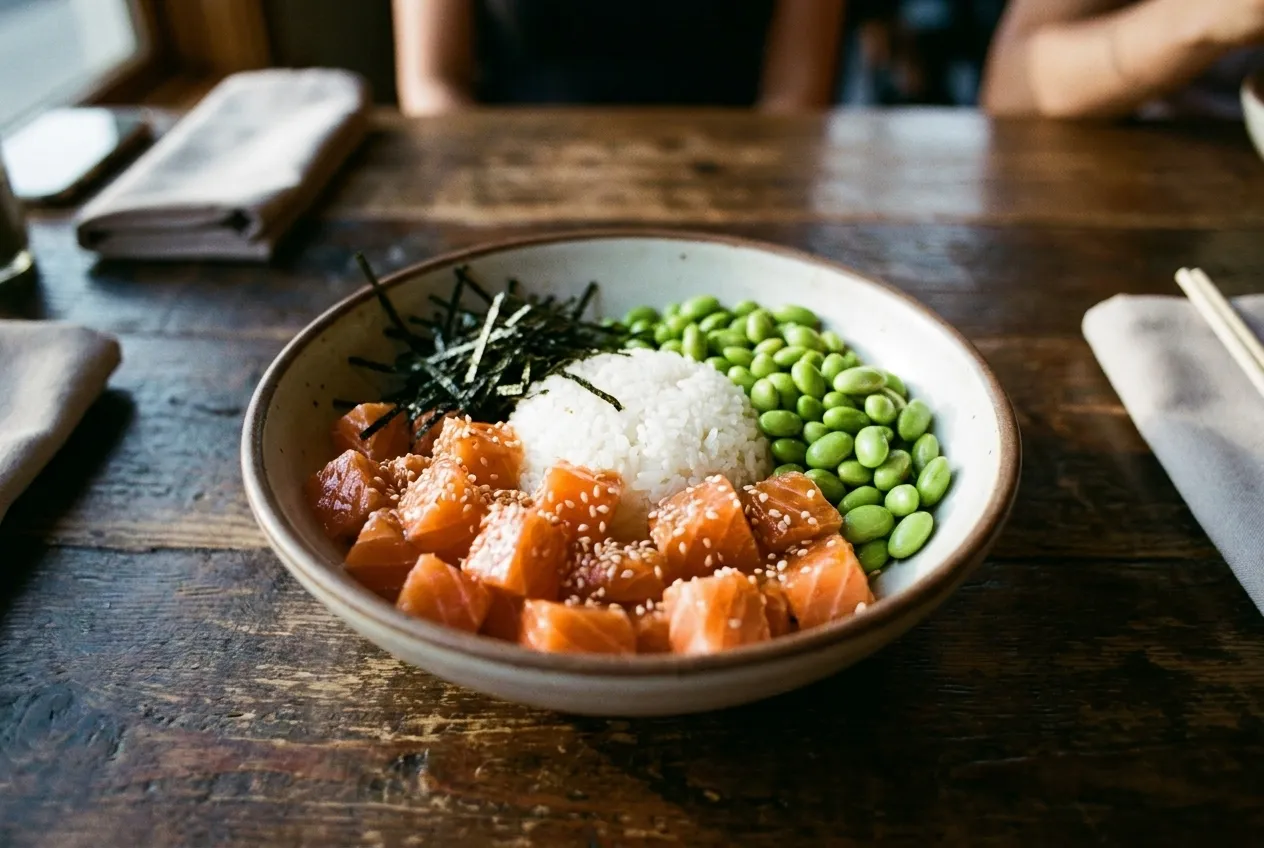
Where the counters sit
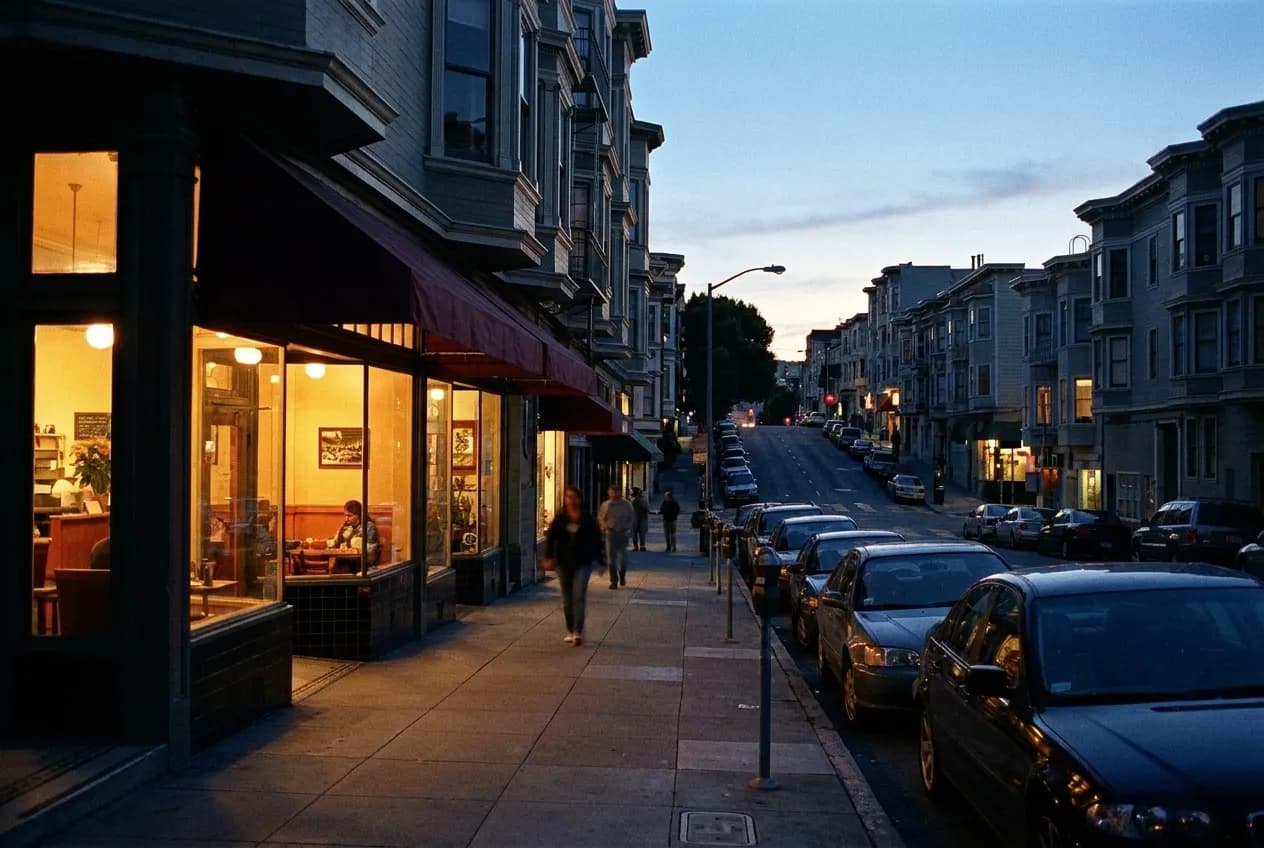
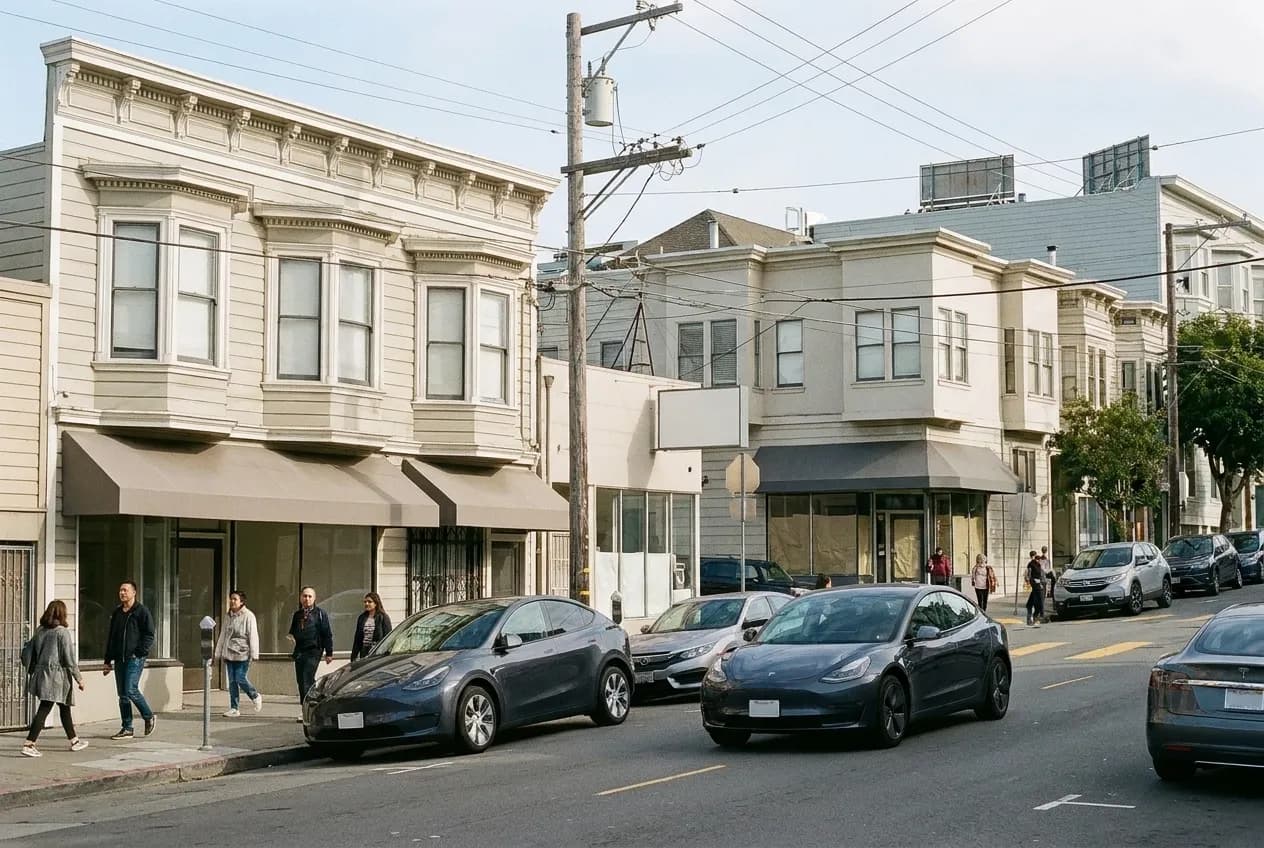
Poke in the Mission clusters where the daytime working population is - the Valencia Street corridor and the blocks near the 16th Street BART station rather than deep into the residential south. That is a weekday lunch geography, and it is a different map from the taquerias, which line Mission Street one block east and run late into the night.
The practical consequence is narrow hours. Most of these counters open around eleven and close between seven and nine, with the trade concentrated between eleven and two. They are quiet at weekends compared with weekdays, which is the reverse of everything else in the neighbourhood. If you want poke here, it is a lunch.
The quality curve, which matters more here
Raw fish counters have a sharp arc through the day. The fish is cut in the morning for the midday rush; between eleven and one it is at its best, freshly cut and turning over fast. By mid-afternoon the trade thins, the trays sit, and the cubes at the edges dull. Because the Mission's poke trade is so heavily concentrated at lunch, that decline is steeper here than at a counter with steady all-day office custom.
Judge by looking. Good ahi is deep red to pink-red, translucent rather than opaque, glossy without being wet. Dull or brownish edges mean it has been sitting. A uniform, almost fluorescent red across every cube can indicate the fish has been treated to fix the colour. And the cubes should hold their shape with some resistance - mushy fish has been frozen and thawed badly.
Bowl shop or actual poke
Most places here sell the assembly-line format - pick a base, a protein, six toppings, a sauce - rather than the traditional preparation, in which fish is cut and dressed in advance and left to marinate so the seasoning penetrates. Both are legitimate; they are different foods. The tell is the case: bowls of already-dressed fish means the traditional version, undressed trays plus a rack of squeeze bottles means the other.
In a bowl shop, the single change that improves the result most is to strip it back. Two proteins at most, no more than three toppings, one sauce, and ask for the sauce mixed through the fish rather than drizzled on top - almost every counter will do this. Skip the crab mix, which is mayonnaise and surimi and flattens everything underneath it.
Where it fits in a Mission day
The neighbourhood's natural rhythm is bakery or taqueria in the morning, something light at lunch, Dolores Park in the afternoon if the sun is out, and taquerias again late. Poke fits the lunch slot precisely - cold, quick, and light enough that an afternoon on the grass afterwards is still appealing, which a burrito makes considerably less likely.
Given it does not travel, eat it within a few blocks of where it was made rather than carrying it to the park. If a park lunch is the plan, the better move is a burrito, which was engineered for exactly that journey. This is not a ranking of the two - it is that they are good at different things, and the Mission gives you both within one block.
Practical notes
Prices: bowls fourteen to twenty dollars, against eleven to fifteen for a burrito that is roughly twice the food. Timing: counters open around eleven and close between seven and nine; best between eleven and one; weekdays busier and fresher than weekends. Judge the fish on colour, gloss and texture. Ask for the sauce mixed through. Two proteins, three toppings, one sauce. Eat within a few blocks - poke does not travel. BART at 16th Street and 24th Street brackets the district. And the Mission is the warmest neighbourhood in San Francisco, which is the entire reason a cold bowl makes sense here and not in the Outer Sunset.
Tags: #BestPokeNearMe #MissionDistrict #SanFrancisco #PokeBowl #MissionBurrito #ValenciaStreet #DoloresPark #SFLunch #NeighborhoodGuide #Ahi #RawFish #BART #SFEats #Taqueria
All trademarks are the property of their respective owners.
Ask Karpo first
A lunch format in a late-night district means the hours are the whole question. Ask Karpo which poke counters near you are open and freshly cut right now, whether you have missed the good window, and whether the burrito one block east is the better call today.