The single largest discount available in New York restaurants is not a coupon or an app. It is the lunch special: a set menu, a rice plate, a bento or a prix fixe served on weekdays by restaurants that charge two or three times as much for the same kitchen's food after six. It exists at hundreds of places across the city and almost none of it is advertised anywhere you would think to look.
Lunch specials change weekly and live in the window rather than online. Ask Karpo what is running near you today.
Where the specials are
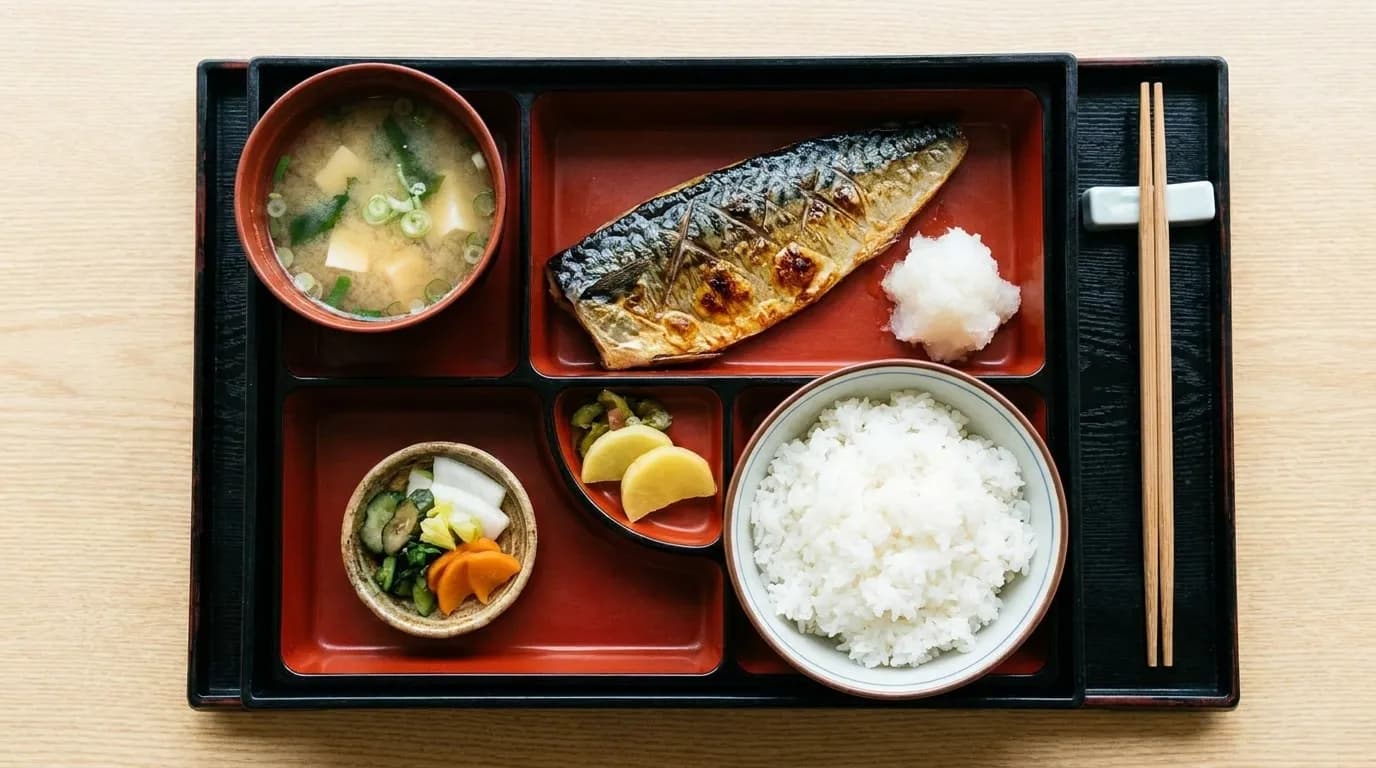
Certain cuisines run them almost universally. Japanese restaurants across Midtown, the East Village and Japantown-adjacent blocks serve a lunch set — a main, rice, miso and pickles on a tray — at a fraction of the dinner price. Korean restaurants on 32nd Street do the same with a set that includes banchan. Indian restaurants in Curry Hill run lunch buffets and thalis. Chinese restaurants across the city serve a lunch combination plate.
Beyond that: Thai and Vietnamese rooms with a lunch menu, Middle Eastern counters with a plate special, and — the most overlooked category — proper sit-down restaurants that serve a two-course prix fixe at lunch and a full menu at dinner. That last group includes a substantial number of the city's serious kitchens, and the gap between the lunch and dinner price at those is the largest in the city.
How to actually find them
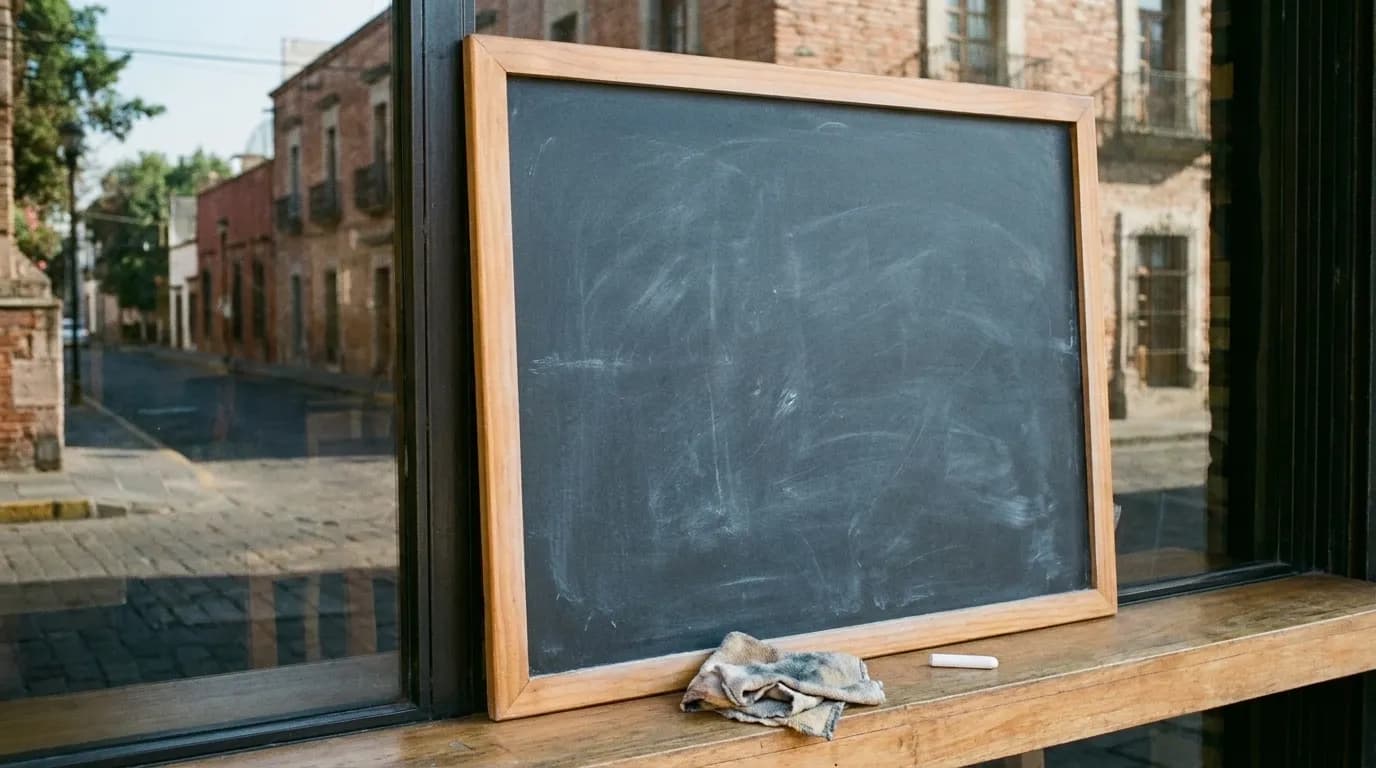
Look at the window. In New York, the lunch special is on a card taped inside the glass or on a chalkboard on the pavement, and it is very often not on the website, not on a delivery platform and not on any aggregator. Walking a block at noon and reading windows is a genuinely more effective search method than any app, which is an odd thing to say in 2026 and remains true.
The second method is to ask. A restaurant that does not advertise a lunch special will frequently tell you about one if you ask what they do at lunch. The third is to notice which restaurants have a different, shorter menu on the table at midday — that is the tell that a set menu exists even if nothing says so.
The city-wide programmes
New York runs a long-established restaurant week programme twice a year, in winter and summer, in which a large number of restaurants offer fixed-price lunch and dinner menus. The lunch half is consistently the better value and the easier booking, and it is the cheapest way into rooms that are otherwise expensive. It has expanded over the years and the participating list is large.
There are similar seasonal programmes for specific neighbourhoods and cuisines through the year. The general rule with all of them is the same: book the lunch, not the dinner; book early in the run rather than late, when kitchens are fresher; and read what is actually included, because drinks and gratuity usually are not.
Why they exist at all
It is worth understanding the economics, because it explains why the discount is so large. A restaurant's rent, insurance and salaried staff are paid whether or not anyone comes in at noon, so a lunch service that covers food cost and hourly labour is worth running even at a price that would be a loss in the evening. The kitchen is already there. That is why the gap between lunch and dinner prices is widest at exactly the restaurants with the highest fixed costs — the serious rooms in expensive neighbourhoods — and narrowest at the counters that were cheap to begin with.
The rules that apply
Almost all lunch specials are weekday-only, and most run from around eleven-thirty to three. A few extend to four; almost none run at weekends, which catches people out. Many are dine-in only and are not available for delivery, which is one reason they never appear on platforms. And several are cash-preferred at the smaller places.
Portion sizes are genuinely smaller at lunch in most cases, which is the point rather than a complaint — a lunch set is designed to be eaten in forty minutes and returned to work from. If you want the dinner portion, order from the dinner menu and pay the dinner price.
The buffet question
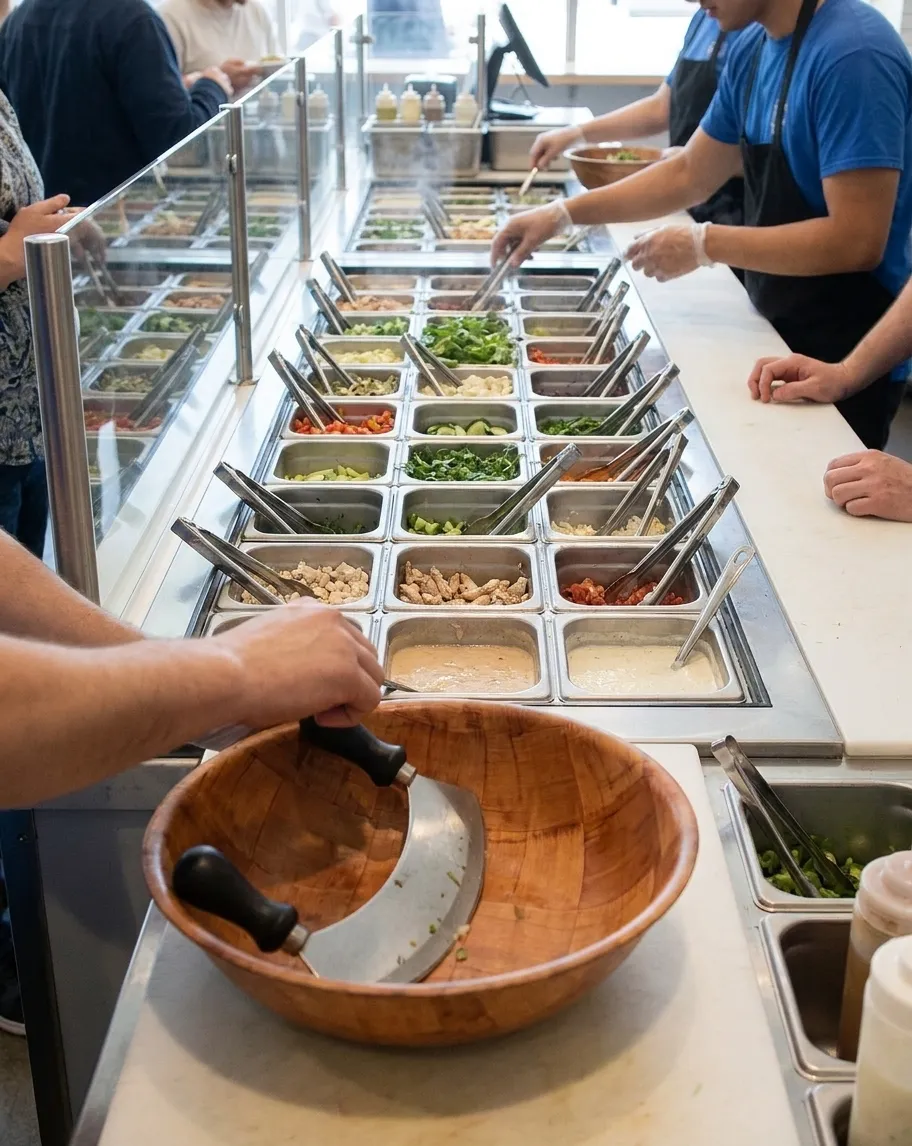
Curry Hill's Indian lunch buffets deserve a specific mention because they are the best value-per-calorie in Manhattan and are frequently dismissed. A well-run buffet at a serious Indian restaurant refreshes trays constantly through the peak, which means going between about twelve-fifteen and one gets you food that has been out for minutes rather than an hour. Going at two-thirty gets you what is left. The same rule applies to the Chinese and Middle Eastern steam-table counters across the city: buy at the peak, not after it.
Where the biggest gaps are
The largest lunch-to-dinner price gap in New York is at serious Japanese restaurants, where a lunch set can be a quarter of what the same kitchen charges in the evening. Midtown steakhouses run lunch menus that are dramatically cheaper than dinner. And the tasting-menu rooms that serve lunch at all — a small but real number — offer the single best value fine dining in the city.
The smallest gaps are at places that are already cheap: a taqueria, a slice counter or a halal cart has no lunch special because its ordinary price is already the lunch price. Which is a reminder that the specials are most valuable precisely at the restaurants you would otherwise not go to.
Practical notes
Walk and read windows; the special is very often not online. Ask directly if you cannot see one. Weekdays only, roughly eleven-thirty to three. Check whether drinks and gratuity are included in any prix fixe. Restaurant week lunches are the best value and the easiest to book. And note that many lunch specials are dine-in only, which is why they never appear on a delivery app.
Tags: #NYC #NewYorkCity #LunchSpecials #Lunch #CheapEats #PrixFixe #RestaurantWeek #Midtown #CurryHill #Koreatown #FoodNearMe #NYCEats #LunchNearMe #BudgetNYC
All trademarks are the property of their respective owners.
Ask Karpo first
Want to know which restaurants near you are running a lunch special today, what it includes, and how late it runs? Ask Karpo before you pick somewhere.