The smallest official weather station in Manhattan sits inside a castle. Not a metaphorical castle, but an actual gray-stone Victorian folly perched on Vista Rock, seventy-nine feet above the park floor, bristling with instruments that measure wind speed, temperature, and humidity for the National Weather Service. Belvedere Castle has been many things since Calvert Vaux designed it in 1869—overlook, ruin, restoration project—but since 1919 it has been used as a weather station, though the current measurements are now primarily from equipment housed just south of the building that shapes the official record of New York City weather. To see the station at work, you arrive when the birders do, in that blue hour before the castle formally opens its doors.
Updated August 2026: hours, prices, reservations, event dates, transit details, and venue policies can change. Use the linked official venue, city, or operator sources in the Sources section as the final reference before you go.
The working station on the ramparts
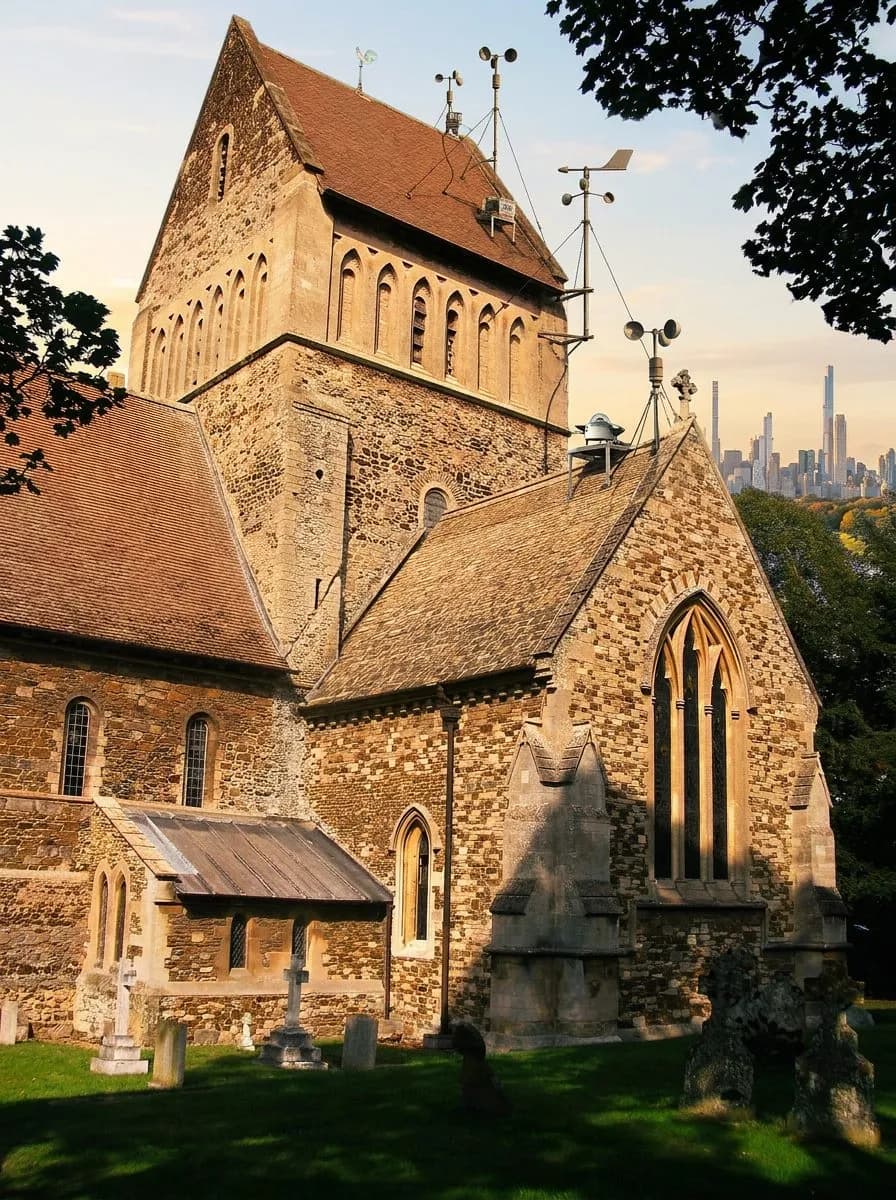
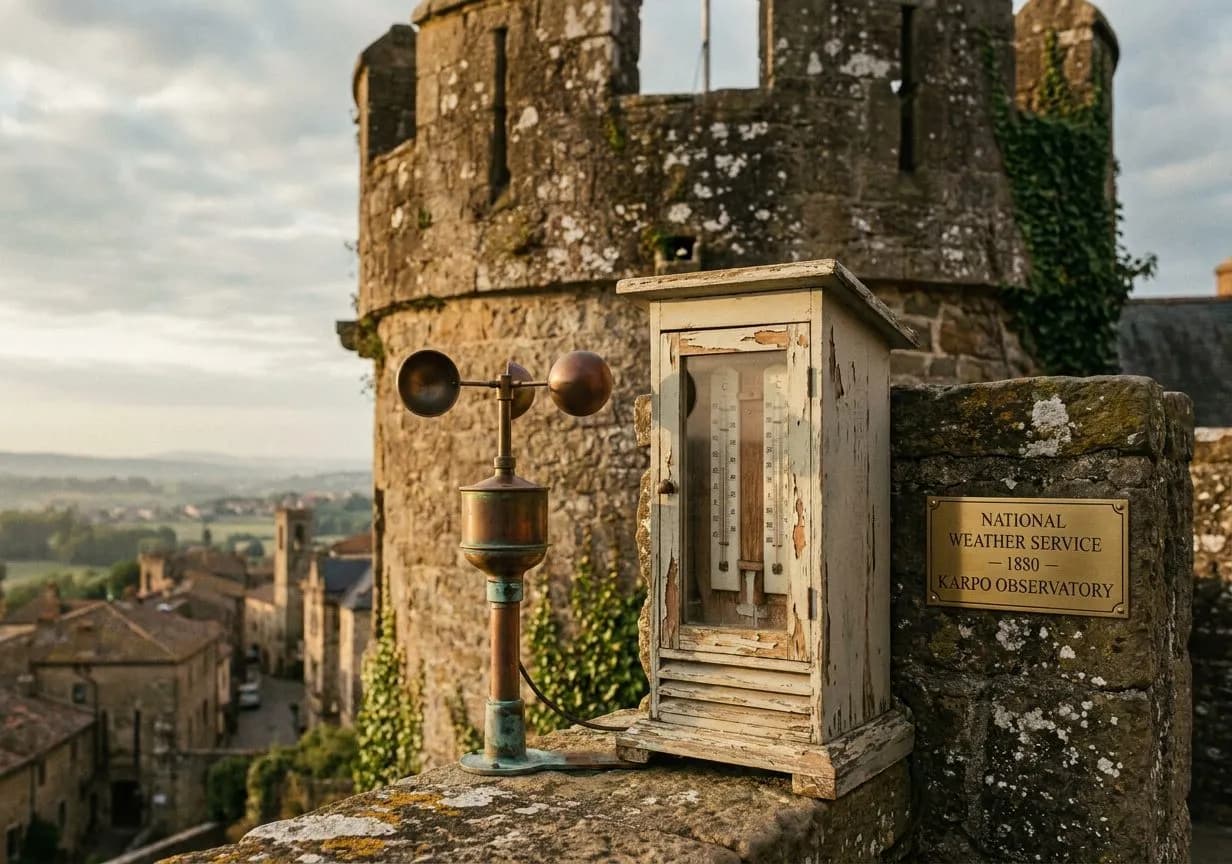
The anemometer spins above the highest turret, weather instruments are now primarily housed in a fenced-in area just south of the building. On clear mornings the metal gleams; on overcast days it becomes a silhouette against the skyline, still turning. The thermometer housing sits lower, a white louvered box designed to shield sensors from direct sunlight while allowing air to circulate. These are not decorative props. The weather station transmits real-time data used in official Central Park climate records, with instruments maintained on a regular service schedule by technicians who navigate the same narrow spiral stairs that challenge tourists in sneakers.
From the observation deck the instruments are close enough to photograph, assuming you time your arrival correctly. The castle typically opens at 10 a.m., but birders visit the area at dawn during spring and fall migration windows, when warblers and thrushes move through the park in waves. The birders tolerate the early cold because the castle's elevation offers sightlines into the Ramble's canopy and across the pond's western edge, where migrating species pause to feed. You're welcome to join them on the exterior platforms, binoculars optional, weather instruments overhead.
Stone and sightlines
Vaux built Belvedere—Italian for "beautiful view"—as a deliberate eyecatcher, a folly meant to be seen from the Ramble and the Lake, then climbed for the payoff panorama. The architect chose Manhattan schist and gray granite, materials that echo the bedrock outcrop beneath. The castle is small, almost toy-scale when you stand inside: two cramped floors, a single turret you can ascend, walls thick enough to stay cool in summer and cold in winter. The stone smells faintly mineral after rain, and the stairs wear smooth grooves from a century and a half of foot traffic.
The observation deck wraps around the turret, open to wind and weather. In late 2026 the view remains one of the finest free things to do in the city—north across the Great Lawn to the reservoir, south over the Lake's inlets, east toward the Met's tiered facade, west to the towers along Central Park West. Early morning light rakes across the park horizontally, sharpening shadows, turning the Lake into hammered bronze. Tour groups will claim this deck by midday, but in the first hours you share the space with a handful of serious birders, their scope tripods wedged into corners, their field guides annotated in pencil.
Inside the folly
The ground floor houses a small interpretive center dedicated to the park's ecology and the history of the weather station. Panels explain how anemometers and barometers work, why the castle's elevation matters for accurate readings, and how the data fits into broader climate monitoring networks. The displays are well-designed but modest, the kind of public-science education that assumes curiosity rather than demanding it. The interior exhibits explaining weather instrument function are best viewed during weekday morning hours before school groups arrive, when the echo of children's voices off stone walls has not yet begun.
A narrow spiral staircase—iron, steep, with a rope handrail—connects the ground floor to the turret observation level. The steps are unforgiving to knees and generous coats. Twice a year the park briefly closes the stairs for maintenance; the rest of the time you climb at your own pace, pausing on landings to let others pass. The turret itself is barely wide enough for two people to stand shoulder to shoulder, but the windows face all four cardinal directions, framing discrete views like a camera obscura built from stone.
Migration overlap
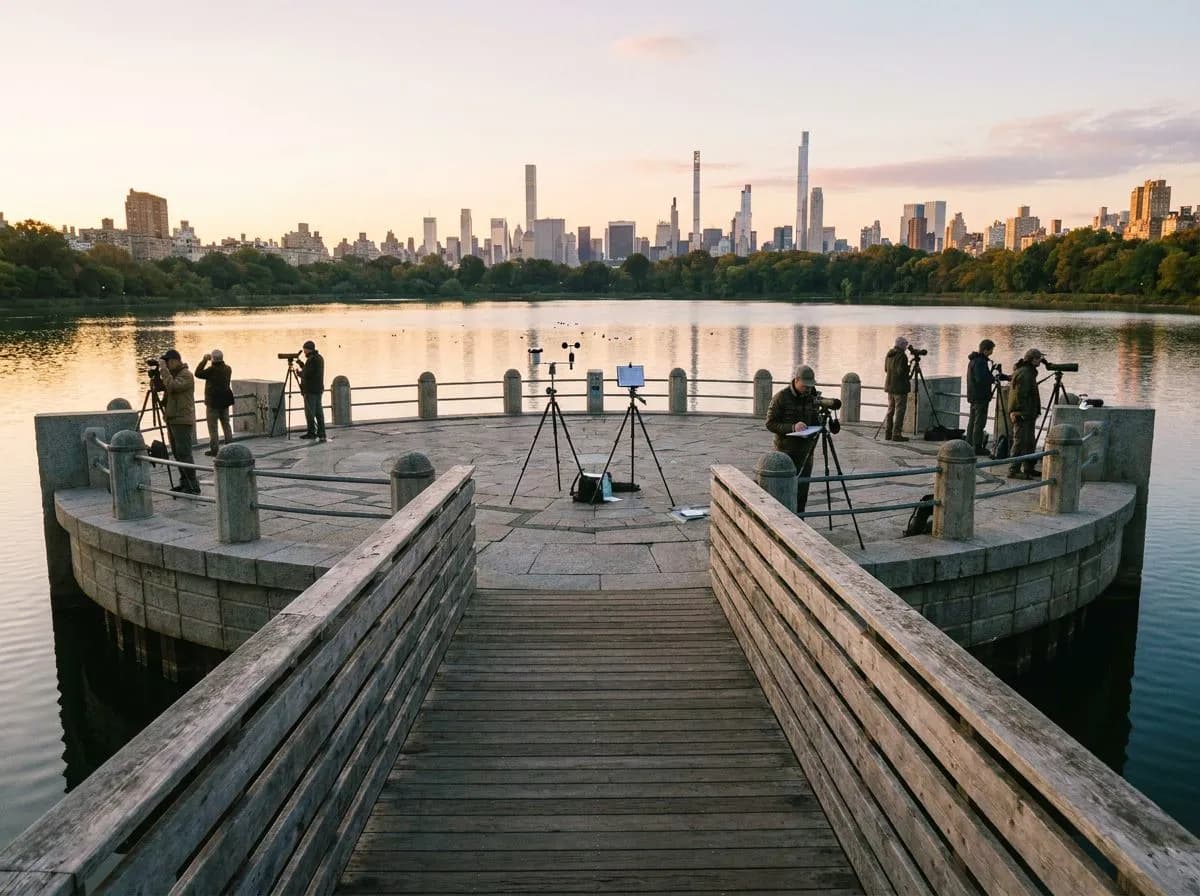
Spring and fall bring the birders in numbers. They arrive before official opening hours, claiming spots along the exterior observation areas with the quiet territorial efficiency of regulars. Some carry coffee in insulated mugs. Most wear layers that can be peeled away as the sun climbs. They communicate in murmurs and hand signals, pointing out movement in the trees, calling out species names—black-throated blue, magnolia, Cape May—like a litany. The weather instruments spin and measure overhead, indifferent to the avian traffic below.
The overlap is coincidence but fitting. Both weather observation and bird migration depend on atmospheric conditions: wind direction, temperature gradients, the timing of fronts. The birders check forecasts obsessively, planning their dawn visits around favorable migration nights—south winds in spring, north winds in fall, clear skies after rain. On those mornings the castle becomes a double observatory, tracking both meteorological patterns and the creatures that move within them.
The empty afternoon
By noon the dynamic shifts. School groups arrive in bright clusters, their chaperones corralling them up the spiral stairs. Tourists with selfie sticks claim the observation deck, backs to the instruments, faces to the skyline. The birders have long since moved on to other corners of the park—the Ramble's winding paths, the northern woodlands, the quiet edges of the Loch. The weather station continues its work, transmitting data every hour, unaffected by the crowd pressed against the ramparts. The anemometer spins. The temperature updates. The city's official climate record ticks forward, one measurement at a time.
The castle is smallest when most full, the stone walls pressing close, the stairs bottlenecked with ascending and descending traffic. If you've arrived at dawn and lingered through the morning, you'll recognize this as your cue to leave. Let the afternoon visitors have their turn. You've already seen what you came for: the instruments at work, the light clean and low, the brief hour when observation means both watching the sky and reading the machines that measure it.
Practical notes
Belvedere Castle sits mid-park at 79th Street, accessible from the 81st Street entrance on Central Park West or the 79th Street transverse. Nearest subway: B/C to 81st Street–Museum of Natural History. The castle typically opens at 10 a.m.; verify hours directly with the Central Park Conservancy, as schedules shift seasonally. Exterior observation areas are accessible earlier during migration periods, though interior exhibits remain locked until official opening. The site is not fully wheelchair accessible—spiral stairs and uneven stone paths limit mobility. Bring binoculars if you're interested in birds, layers for wind on the observation deck, and patience for the stairs. No admission fee.
Tags: #BelvedereCastle #CentralPark #NYCWeather #NationalWeatherService #BirdingNYC #MigrationSeason #FreeNYC #TheOddEdit #VictorianFolly #CentralParkViews #DawnInTheCity #WeatherStation #NYCBirders #UrbanNature #Winter2026
Sources consulted: Belvedere Castle · NYC Parks: Belvedere Castle · National Weather Service New York · Birdwatching · Central Park Conservancy
All trademarks are the property of their respective owners.