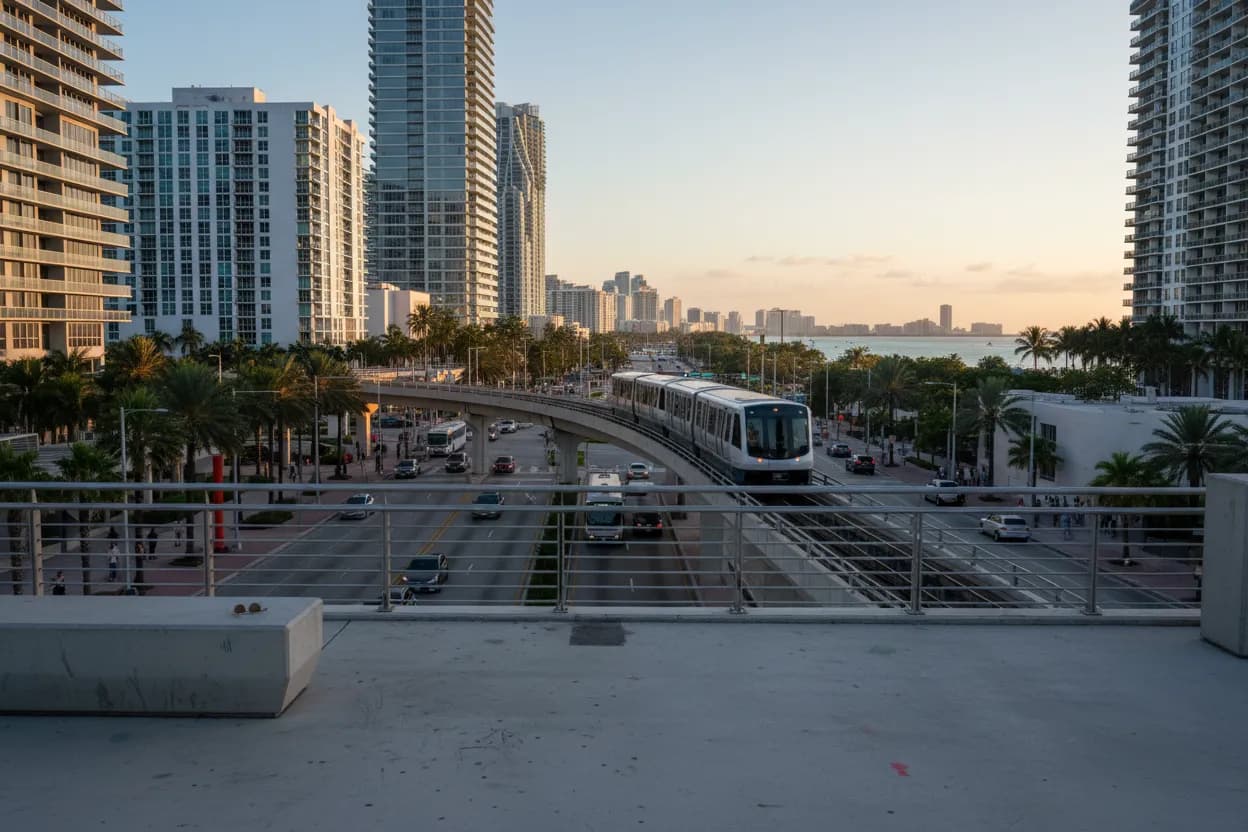
The locked title is “aoc: A Transit-Smart Miami Area Guide,” but the useful question is not whether a headline guarantees anything in Miami. It does not. The useful question is where a resident or visitor should spend limited time if online attention has pushed them to look up the city today, Tuesday, August 11, 2026. Greater Miami & Miami Beach’s official visitor site frames the destination around beaches, food, arts, culture, sports, neighborhoods, and seasonal programs such as Miami Spice and Miami Spa Months. Miami-Dade Transportation & Public Works points readers to rider alerts, service updates, Transit Tracker, the Trip Planner, and elevator and escalator status. Start there, then build a day that can survive heat, delays, crowds, and a changed plan.
Want a Miami plan that checks transit, timing, backups, and access before you leave? Text Karpo with your starting point, must-do stop, and return deadline.

Translate the headline into a neighborhood question
When aoc is the phrase pulling attention, treat it as a search hook, not a local confirmation. The official sources provided here do not establish a Miami appearance, affiliation, private access opportunity, guaranteed event, or endorsement. That matters because Miami rewards planning and punishes assumption: a cross-bay trip, a late transfer, or a crowded waterfront stop can turn a simple outing into a long recovery loop.
The better neighborhood question is practical: what do you actually want within public reach today? If the goal is arts and culture, the official visitor site points readers toward Greater Miami’s museums, galleries, Wynwood Walls, live music, theater, dance, and festivals. If the goal is beach time, South Beach is identified as a world-famous white-sand beach. If the goal is a food-centered outing, August overlaps with Miami Spice, which the official visitor site describes as specially-priced three-course meals at top eateries for lunch/brunch and dinner. Verify the current participating details on the official page before choosing a table.
Choose the area by the actual task
Pick the area by task, not by hype. Downtown Miami works best as a transit-first base because the official transit page connects the city through Metrorail, Metromover, Metrobus, Metro Express, MetroConnect, and Special Transportation Service. Downtown also gives you a shorter decision tree if your plan changes: you can shift between culture, waterfront time, food, or a return trip without committing first to a car-dependent day.
For a beach-forward plan, use South Beach or another official beach point of interest as the main event, then keep the rest of the day light. For a visual arts plan, the official visitor site highlights Wynwood Walls and arts-and-culture options across Greater Miami. For a heritage-and-street-life plan, Calle Ocho in Little Havana appears among the official live webcam locations, which makes it a useful pre-trip conditions check rather than proof that a specific crowd or activity will be present.

Use transit exits as planning anchors
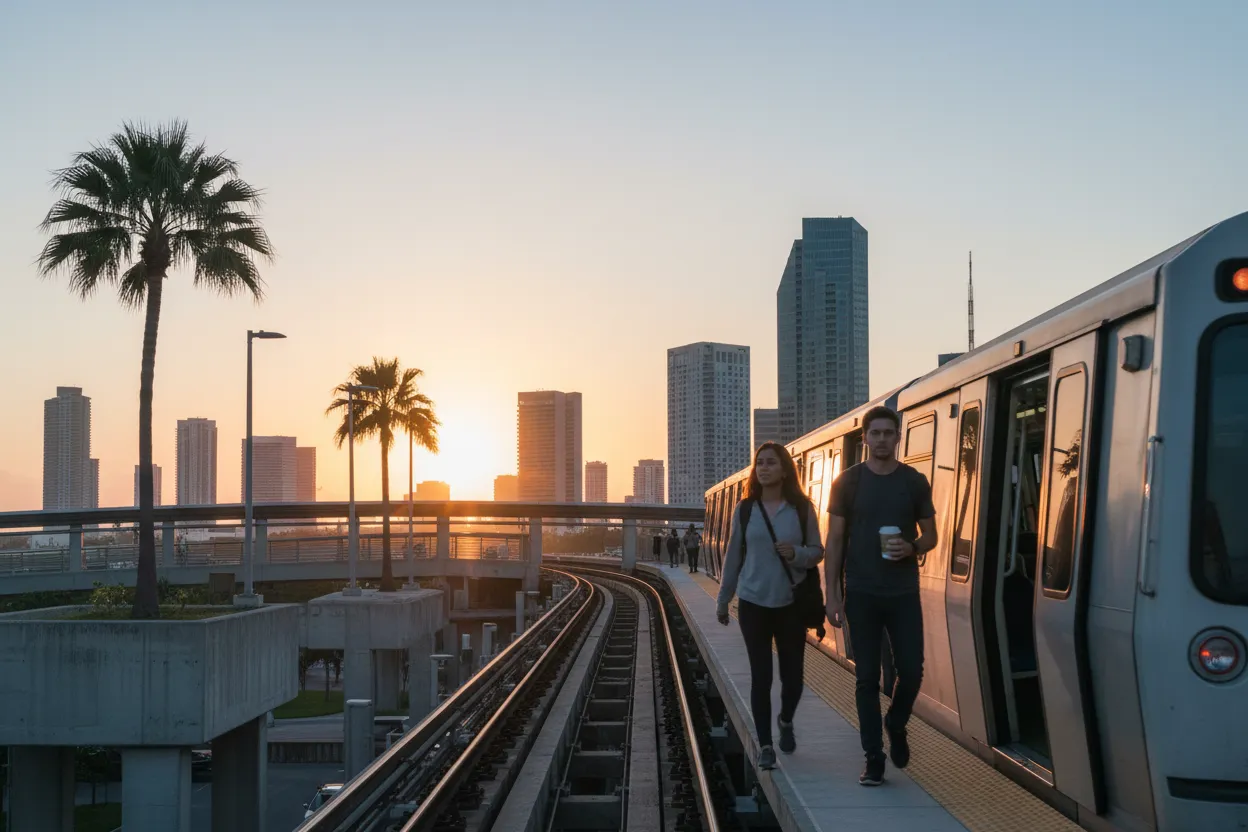
Before leaving, open the Miami-Dade Transportation & Public Works tools, not just a map app. The official page directs riders to service updates and rider alerts, real-time bus and train tracking, the Trip Planner, and elevator and escalator status. Those checks should shape the day’s order. If an access feature matters to your group, confirm it before committing to a station or transfer path.
Build the outing around exits and return points. Decide the station, stop, or transfer area you will use to leave, then choose nearby activities that fit that anchor. This is especially important in August, when heat, storms, and event-related crowds can make an extra walk feel larger than it looked online. If you are using Metromover, remember the official transit page posts project and service messages; any timing detail should be verified the same day.
For airport-linked planning, the official transportation page notes the Orange Line connection to and from Miami International Airport station and tells riders to use official trip-planning tools. Do not treat a fare, route, or connection as permanent just because it appeared in an old post. Check the live service information, then leave yourself a return buffer.
Add one indoor and one outdoor backup
A Miami plan needs two backups: one indoor and one outdoor. The indoor backup can be an arts-and-culture stop, a museum or gallery plan, a Miami Spice meal if the official listing fits your timing, or a spa appointment during Miami Spa Months if availability is confirmed directly through the official program and provider. Do not assume walk-in access, discounts, or open hours without checking the current page.
The outdoor backup should be simpler than your main plan. South Beach, Bayfront Park, Biscayne Bay views, Lincoln Road, Ocean Drive, Coconut Grove’s Sailboat Bay area, Sunny Isles Beach, Virginia Key Beach Park, and Wynwood Walls all appear as official webcam or visitor-site points of interest. Use those official live views and listings as condition checks, not guarantees. If the sky, crowding, or transit status looks wrong, choose the shorter trip.
Avoid treating online attention as a local promise
Miami gets plenty of national attention, and that attention often arrives detached from local logistics. A trending phrase can make people search, but it cannot create public access, a confirmed schedule, or a safe route. With aoc, the responsible move is to separate curiosity from itinerary. If an official venue, agency, or organizer has not posted a relevant detail, do not build your day around it.
This is also a crowd-risk issue. Online interest can send people toward the same obvious places: South Beach, Downtown Miami, Wynwood, Little Havana, and waterfront viewpoints. The official visitor site describes Greater Miami as broad and diverse, with cities and neighborhoods offering different kinds of charm, culture, greenery, lively energy, and coastal serenity. Use that range. If one area looks overloaded, switch to the backup that keeps your group moving less and waiting less.
Verify conditions before crossing the city
Run a final check in this order: official transit alerts, Trip Planner, real-time tracking, elevator and escalator status if needed, official visitor listings, and any direct page for the place you plan to enter. Miami-Dade’s transportation page also points riders to sign up for transit alerts and to report issues such as service complaints, safety concerns, suspicious activity, lost items, ADA complaints, and Title VI complaints. Those are practical tools, not background reading.
Then set a turn-back time. If your main stop requires crossing from the mainland to the beach, moving between neighborhoods, or catching a return connection, decide in advance when the plan becomes too late to continue. A good Miami day is not the one with the most stops; it is the one that gets you there, gives you a real experience, and gets you back without pretending a viral headline is a transportation plan.
Tags: #Miami #MiamiGuide #NeighborhoodGuides #MiamiTransit #DowntownMiami #SouthBeach #Wynwood #LittleHavana #MiamiBeach #TransitSmart #PublicTransit #TravelPlanning #AskKarpo #BeforeYouGo
Sources consulted: miamiandbeaches.com · miamidade.gov · miamidade.gov
All trademarks are the property of their respective owners.
Ask Karpo first
Ask Karpo first before you cross Miami for a headline. Send your starting point, mobility needs, preferred neighborhood, and latest return time, and Karpo can help turn official checks into a tighter public plan with a realistic backup.