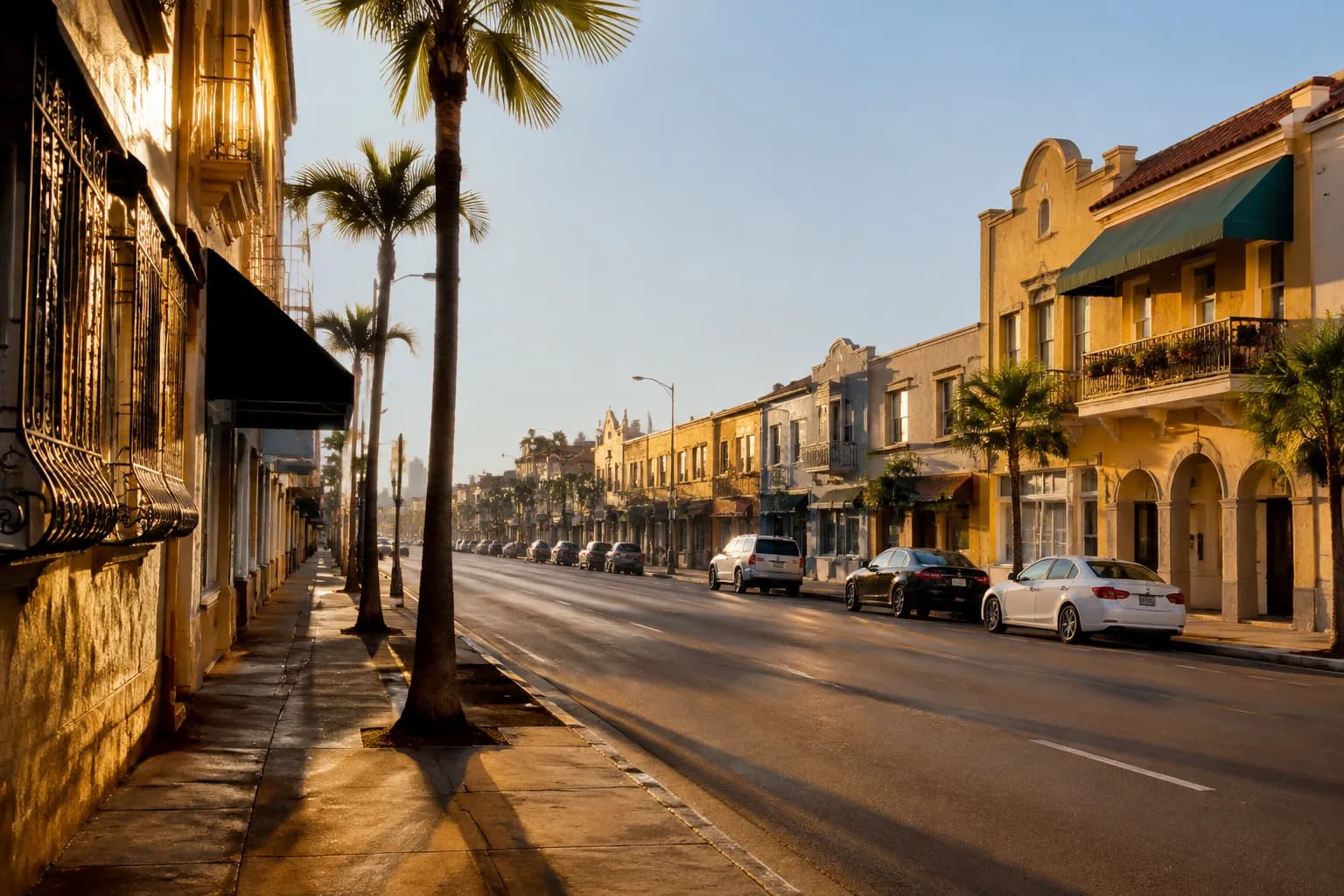
Scrolling through Anamaria Goltes' polished looks or any fashion inspiration feed often sparks the same question: where can you actually sit down, spread out a mood board, and talk through outfit ideas without fighting for a table or losing cell signal? This walking route treats Miami's coffee and dessert scene as a research project—one that borrows the focus of a fashion search but applies it to finding the right café for weekend afternoons with friends or solo planning sessions. Instead of committing to a single address, you'll compare several stops across accessibility, seating style, ambient noise, Wi-Fi reliability, and proximity to retail, then decide which trade-offs match your goals. The route assumes you want an easy, casual meetup vibe and enough flexibility to pivot if a spot feels too crowded or lacks the power outlets you need. No hours, prices, or rankings appear here; every recommendation includes verification steps so you confirm current conditions before you go.
Text Karpo your preferred Miami neighborhood, whether you want a quiet study spot or a social atmosphere, and if you need outlets and strong Wi-Fi. We'll send a ranked list of Miami coffee shops popular with fashion and sports fans, parking tips, and a backup list of dessert cafes if coffee spots are crowded.

Why Fashion-Search Thinking Shapes Café Research
When you search for someone like Anamaria Goltes, you're hunting visual cues—color palettes, silhouette proportions, styling tricks—that you can adapt or remix. Café research works the same way: you're not looking for a single "best" answer but a menu of attributes you can mix and match depending on whether you need quiet focus, social energy, natural light for photos, or a quick exit to nearby stores. Fashion searches teach you to evaluate details fast—fabric drape, accessory scale, background context—and the same habit helps you assess a café's table spacing, outlet availability, and whether the playlist will drown out conversation or fuel it.
This mindset also keeps expectations grounded. A model's outfit might look effortless in a studio but require three layers and specific lighting to replicate; similarly, a café that photographs beautifully may have hard chairs, no phone signal, or a line out the door on Saturday afternoons. By treating each stop as a data point rather than a destination, you gather enough information to choose confidently later—or to recognize when a hybrid approach, like ordering to-go and sitting in a nearby park, better serves your plan.

Mapping a Multi-Stop Route Without Fixed Addresses
Start by identifying a walkable corridor that clusters coffee and dessert options within a few blocks, ideally near Metromover stations or public transit to minimize car dependency. Miami-Dade's free Metromover operates seven days a week from 5:30 a.m. to 10 p.m., serving downtown, Brickell, and Omni areas with frequent service—every 90 seconds during rush hours and every three minutes off-peak—so you can hop between neighborhoods without parking hassles. Confirm current Metromover service status and elevator availability online before you leave, since modified loops or maintenance can shift which stations are most convenient.
Once you've sketched a rough corridor, list three to five café names you've seen on social media or mapping apps, then cross-reference their general locations with retail clusters, park access, and public seating. Avoid locking in a strict sequence; instead, plan to walk the area and duck into whichever spot has the shortest wait or best window light when you arrive. Bring a small notebook or phone note to jot quick observations—table count, outlet visibility, background music volume, whether staff seem rushed—so you can compare stops later without relying on memory.
What to Check at Each Stop Before You Settle
Walk in and scan for four things within the first minute: seating variety (counters, communal tables, solo chairs), power outlet placement, ambient noise level, and whether the space feels half-empty or packed. If you're planning to spread out a tablet, magazine clippings, or fabric swatches, you need a table with enough surface area and a neighboring vibe that won't make you feel pressured to clear out fast. Counter seating works for quick solo note-taking but rarely accommodates two people comfortably; communal tables invite conversation but can mean strangers overhearing your entire planning session.
Next, test the Wi-Fi by opening a browser or messaging app—don't assume it works just because a network name appears. If you plan to video-call a friend or stream reference images, weak signal will stall the session. Check whether the café sells day-old pastries, single-origin pour-overs, or grab-and-go desserts; menu style hints at whether the business model prioritizes turnover or lingering. Finally, note the exit: if the spot doesn't suit your needs, can you leave gracefully and try the next block, or will you lose your walking momentum? Easy in-and-out access keeps the research route flexible.

Balancing Café Time With Retail and Park Proximity
A café visit rarely exists in isolation during a weekend afternoon—you might want to browse a nearby boutique for fabric inspiration, compare shoe styles in a window display, or take a break on a bench with better light. Miami-Dade Parks, Recreation and Open Spaces maintains over 200 public parks, many with fitness zones, dog parks, and family-friendly amenities; the department's online Park Finder tool lets you filter by location and features, so you can identify green space within a few blocks of your café cluster. If a coffee shop feels too dim or noisy, ordering to-go and relocating to a park table can solve both problems without sacrificing your timeline.
Retail proximity also matters for outfit-planning sessions. Walking past storefronts lets you photograph window displays, note seasonal color trends, or confirm whether a style you saw online translates to real-world proportions. Plan your route so that each café stop sits within a five-minute walk of either a retail corridor or a park; this gives you a fallback if the café disappoints and turns the research walk into a layered experience rather than a single-purpose errand. Just verify park hours and any permit requirements for group gatherings if your solo trip might expand into a larger meetup.
Who This Route Fits and When to Modify It
This approach works best for friends or solo visitors who enjoy low-pressure exploration, don't mind walking a mile or two, and prefer gathering information over committing to a single reservation. It suits weekend afternoons when you have flexible timing and energy for multiple stops, and when the aspirational-social mood means you want to feel productive—comparing options, taking notes, snapping photos—without high stakes. If you're coordinating with a larger group, the route becomes harder; more people mean slower consensus and fewer tables that fit everyone comfortably.
Modify the plan if your priority shifts. If you need guaranteed seating for a two-hour work session, skip the walking research and call ahead to confirm table availability and outlet access at one well-reviewed spot. If your goal is purely social and caffeine is secondary, replace half the café stops with park benches or public plazas where conversation flows without purchase pressure. And if weather turns—Miami's summer afternoon storms are common—have a backup indoor corridor or Metromover-adjacent cluster so you're not caught between stops in heavy rain. The route's value lies in its flexibility; treat it as a framework, not a script, and adjust as conditions change.
Tags: #Miamicafes #fashionplanning #weekendcoffee #caferesearch #Metromoveraccess #solocafevisits #outfitmoodboards #Miamidessertspots #walkingroute #publicparksMiami #cafeseating #WiFicafes #retailproximity #aspirationalsocial #casualmeetup
Sources consulted: Source 1: miamidade.gov · Source 2: miamidade.gov · Source 3: mdpls.org · Source 4: miamibeachfl.gov
All trademarks are the property of their respective owners.
Ask Karpo first
Ask Karpo to turn this Miami idea into a current plan for your date, budget, companion, transit preference, and energy level. Karpo can narrow the route and flag what to verify before you go.