 Westwood Country Bar in the Marina: Line Dancing and a Bull
Bars & Nights Out
A Weekend Winery Tours Guide for San Francisco Wine Lovers
San Francisco's urban winery scene pairs tasting rooms with fog-cooled walks and late-afternoon light across SoMa and Dogpatch.
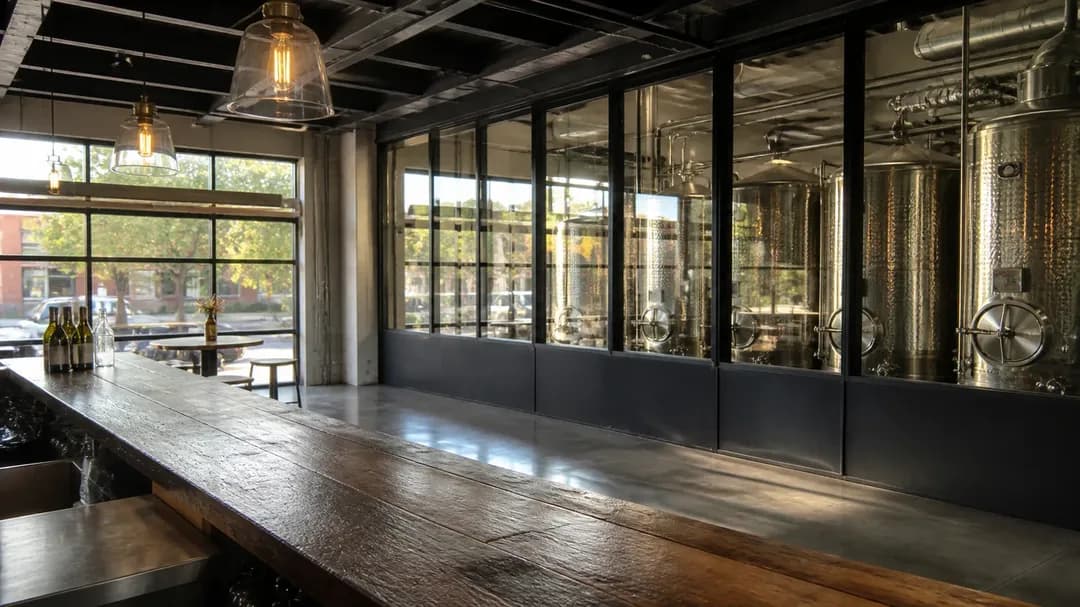
When you walk into a working winery tucked between SoMa warehouses or along a Dogpatch shipping corridor, the contrast registers immediately: stainless steel fermentation tanks catching afternoon light through industrial windows, the smell of oak and fruit cutting through the usual bay salt and diesel. San Francisco hosts more than a dozen urban wineries now, most of them sourcing grapes from Sonoma, Napa, and the Central Coast but doing the actual crush, fermentation, and aging here in the city. It is a different experience than driving north for vineyard views—you are tasting wine where it is made, often in neighborhoods you can reach on Muni, and the tasting rooms stay open later than most country operations because the people pouring are also the winemakers finishing a bottling run in the back.
Karpo tracks which urban winery tasting rooms are open today, checks transit timing from your starting point, and texts you a backup if your first choice hits capacity or closes early for a private event.
Why San Francisco built wine country inside the city
The urban winery model took root here because warehouse space opened up as manufacturing left, rents in wine country climbed, and a generation of winemakers wanted to live in the city instead of commuting from rural cellars. The result is a weekend route that mixes wine with walks along the Embarcadero, coffee in Potrero Hill, and the option to pivot to dinner without driving. The fog that rolls through in the afternoon cools the tasting rooms naturally, and the industrial bones—concrete floors, high ceilings, roll-up doors—make the spaces feel more like studios than country clubs.
Start in Dogpatch before the afternoon crowds
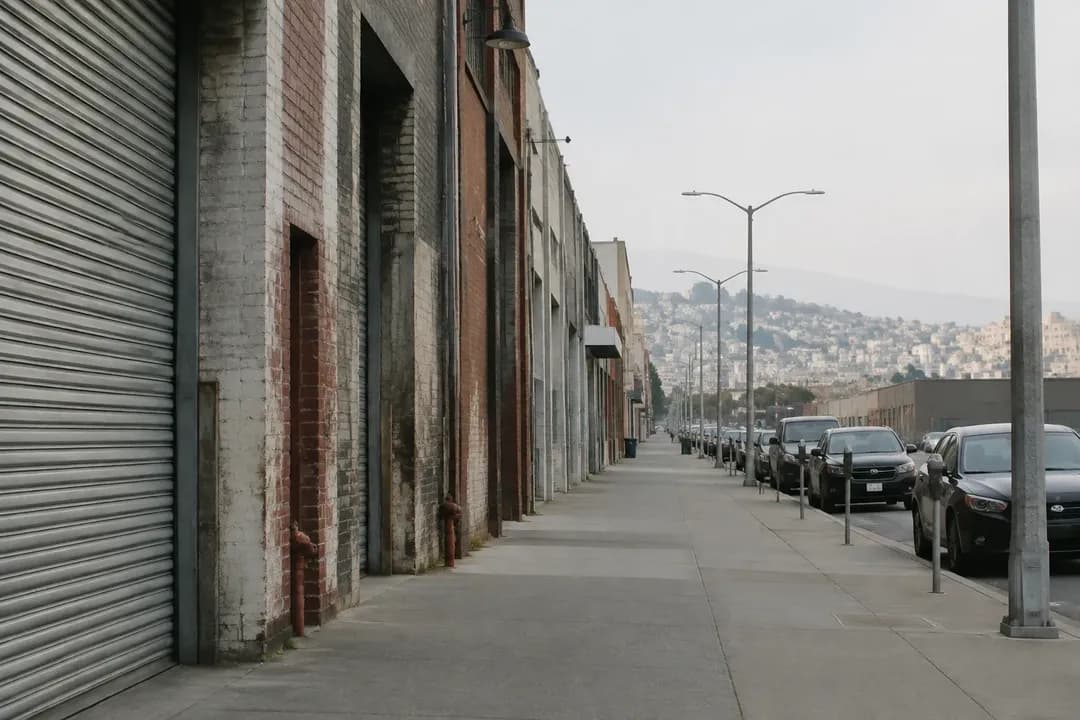
Dogpatch between Third Street and the waterfront is home to the highest concentration of urban wineries in the city, and Saturday mornings are the softest entry point. Check posted hours before you go, and arrive early in the day for a quieter room where you can ask questions without shouting over a bachelorette group. The neighborhood itself is flat and walkable, with wide sidewalks that were built for truck traffic and now accommodate strollers and dogs. Start near the 22nd Street Caltrain station if you are coming from the Peninsula, or take the T-Third if you are coming from downtown—it is a straight shot, though the line can slow near the ballpark on game days.
The winery tasting rooms here are working facilities, so the aesthetic is functional: you are often standing at a bar made from reclaimed wood or repurposed machine parts, with tanks visible behind glass or mesh partitions. Most offer flights of four to six wines, and the staff will walk you through what was harvested when and where. If you are new to tasting, say so—the pours are generous, and it is easy to overdo it before lunch. Plan to spend forty-five minutes to an hour at your first stop, then walk a few blocks to the next. The stretch along Third Street between 20th and 23rd has the densest cluster, so you can map a loop without backtracking.
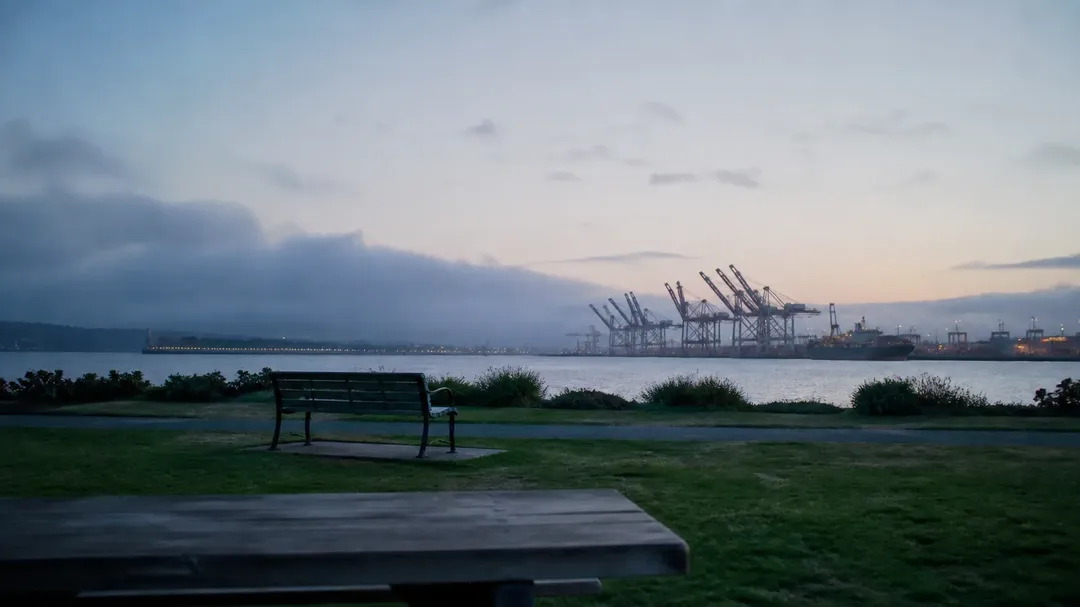
Between wineries, the neighborhood offers useful breaks: there is a coffee roaster on Third near 22nd that opens early, a bakery on Tennessee that does not run out of pastries until mid-afternoon, and Esprit Park at the end of the peninsula if you need air and a bench with a view of the cranes and the bay. The park is small but rarely crowded before two, and the grass is real, not artificial turf.
Move west through Potrero and up to SoMa by mid-afternoon
By two or three, Dogpatch tasting rooms start to fill with groups who booked ahead, and the energy shifts louder. That is a good time to walk west up the hill into Potrero Hill or catch the 22 bus north into SoMa, where a handful of other urban wineries operate in quieter pockets near the design district and along Bryant. Potrero Hill is steep—if you have been drinking, the climb from Third Street to the top of the hill is not trivial, and the wind picks up as you gain elevation. The views from the top are worth it if you are steady on your feet, but if the group is tired, the bus is a better call.
SoMa's winery tasting rooms tend to be smaller and more appointment-focused, but a few welcome walk-ins on weekends. The blocks between Eighth and Eleventh, south of Market, are less polished than Dogpatch—more chain-link and loading docks—but the spaces inside are often more intimate, with seating areas that feel like someone's loft rather than a commercial bar. Check the posted hours before you walk over; some places close at five on Saturdays if they have a private event, and there is no backup plan on those blocks if you arrive to a locked door.
If you are planning to stay in SoMa into the evening, confirm transit timing before it gets dark. BART runs reliably, but Muni lines can slow or skip stops after six on weekends, and ride-share pricing spikes when events let out downtown. The walk from SoMa wineries back to Market Street is flat but can feel long if the fog has settled and the temperature has dropped.
If the plan falls apart or someone needs a reset
Urban winery tasting rooms are small, and weekend capacity fills fast. If you arrive to a full room or a private event, do not try to wait it out on the sidewalk—most places do not have outdoor seating, and the industrial blocks are not set up for loitering. Instead, pivot to one of the neighborhood's wine bars or bottle shops that also do tastings. The Mission has several along Valencia between 16th and 20th, and the Hayes Valley corridor near Octavia offers wine bars with food, which becomes important if your group skipped lunch.
If someone in your group has had enough wine by mid-afternoon, the best reset is food and a non-alcoholic hour. Dogpatch has a brewpub with solid sandwiches and a full non-alcoholic menu, and Potrero Hill has a dim sum spot on Connecticut that does not require a reservation. Japantown, a fifteen-minute ride west on the 22 or 38 bus, offers ramen, onigiri, and matcha if the group wants to shift gears entirely before deciding whether to continue or call it.
Weather is the other variable. The fog that makes morning tastings pleasant can turn raw by four, and most urban wineries do not have much in the way of heating. If you are cold and the tasting room is not packed, ask if there is a space heater—they usually have one somewhere. If you are outside between stops and the wind is cutting through, duck into any of the coffee shops or bookstores along Third or Valencia rather than rushing to the next winery. A bad mood from being cold and hungry will flatten the rest of the day faster than any scheduling mishap.
What to confirm the morning you go
Urban wineries operate on tighter margins than country tasting rooms, so hours and availability shift more often. Check each location's website or social feed the morning of your visit—cancellations, bottling days, and private events are usually posted by ten. If a winery requires reservations, book by Friday afternoon; walk-in space is limited, and weekend slots fill by mid-week during harvest season in the fall.
Transit is reliable in theory but uneven in practice on weekends. Muni's T-Third line is the most direct route to Dogpatch, but it can bunch or delay south of the ballpark. If you are coming from the East Bay, BART to 16th Street and then the 22 bus south is often faster than waiting for a Caltrain connection. If you are driving, street parking in Dogpatch is free but competitive after noon; the lots near the waterfront charge by the hour and fill during events at the Chase Center.
Plan your last stop to end by six if you want to sit down for dinner without a wait. Most restaurants in Dogpatch and Potrero do not take reservations for parties under six, and the walk-in lines start by five-thirty on Saturdays. If you are heading back downtown or to the Mission, factor in fifteen to twenty minutes for transit or a ride, and remember that the fog makes everything feel later than it is. Finally, if anyone in your group is driving or biking home, pace the tastings accordingly and keep water and snacks in rotation—urban wineries pour generously, and the flights add up faster than vineyard sips.
Practical notes
- Most urban winery tasting rooms open between 11 a.m. and noon on Saturdays; confirm hours the morning of your visit.
- Flights typically cost $20–$35; some waive the fee with a bottle purchase, but check before you start tasting.
- Dogpatch is flat and walkable; Potrero Hill is steep—take the 22 bus if your group is tired or has been drinking.
- Fog and wind pick up by mid-afternoon; bring a layer even if the morning is sunny.
- Pace your tastings, drink water between stops, and arrange a safe ride home—do not drive after a day of wine tasting.
- If a winery is at capacity, pivot to a wine bar in the Mission or Hayes Valley rather than waiting on the sidewalk.
Tags: #karpo #sanfrancisco #winery #urbanwinery #dogpatch #winelover #winetasting #sfweekend #bayarea #potrerohillsf #sfdogpatch #sfbars #winecountry #exploresf #sfnightlife
Sources consulted: SF Urban Wineries · Dogpatch Neighborhood Guide · SFMTA Weekend Service
Please drink responsibly. Must be of legal drinking age.
All trademarks are the property of their respective owners.
Ask Karpo first
Text Karpo the morning of your winery day to check which tasting rooms are open and accepting walk-ins, confirm Muni or BART timing from your starting point, and get a live route that strings together two or three stops without backtracking. If your first choice is closed or full, Karpo will text you the nearest backup with current hours.
Ask Karpo for more information.
Keep reading
- Westwood Country Bar in the Marina: Line Dancing and a Bull
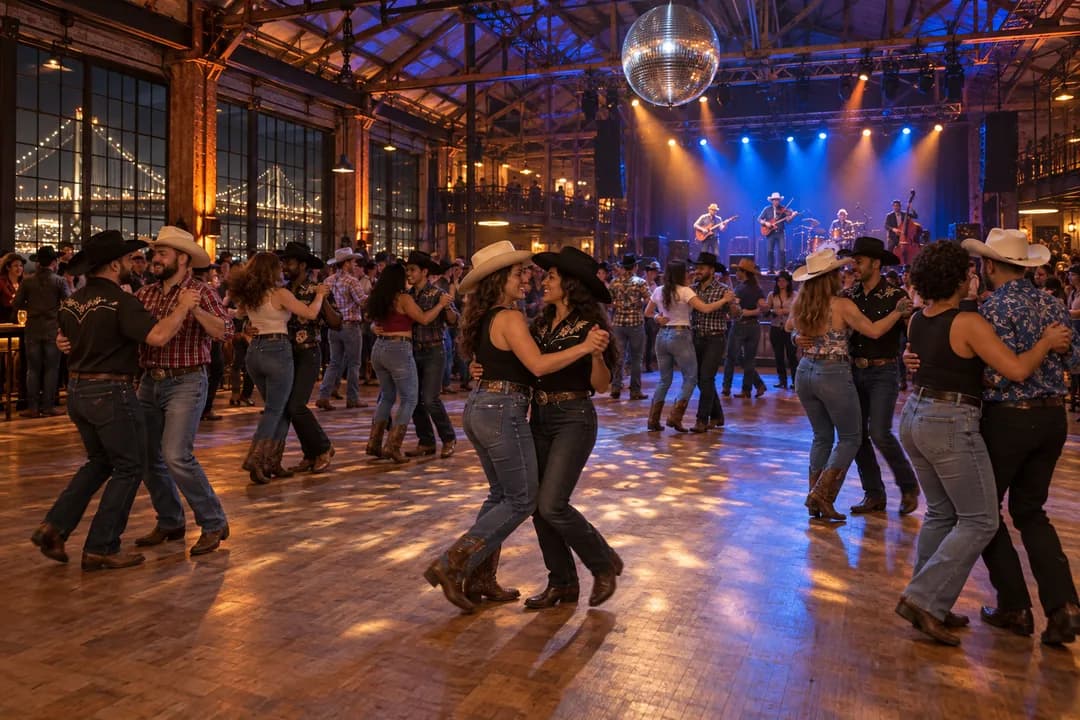 Sundance Saloon: SF's Queer Country Bar Night for Two-Step
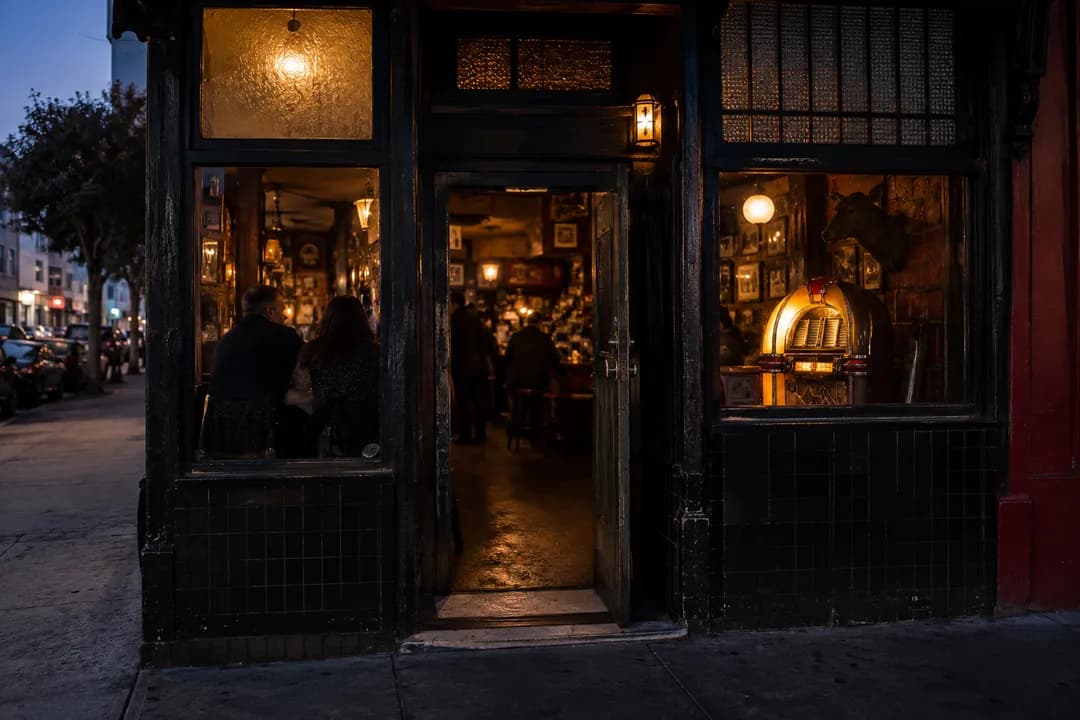 Shuffleboard Bar Near Me in San Francisco: Doc's Clock Mission