 Shuffleboard Bar Near Me in San Francisco: The Wreck Room
Bars & Nights Out
Shuffleboard Bar Near Me in San Francisco: Doc's Clock Mission
A Mission District guide to Doc's Clock with shuffleboard, cash-friendly drink prices, jukebox etiquette, and a Valencia Street walk.
Doc's Clock is a Mission dive bar where shuffleboard feels woven into the regular life of the room. The address is 2417 Mission Street, and the atmosphere comes from the mix of jukebox, arcade, narrow floor plan, and people who know the bar as more than a one-night attraction. A search for shuffleboard bar near me leads here when the desired mood is cash-friendly, music-led, and slightly scruffy.
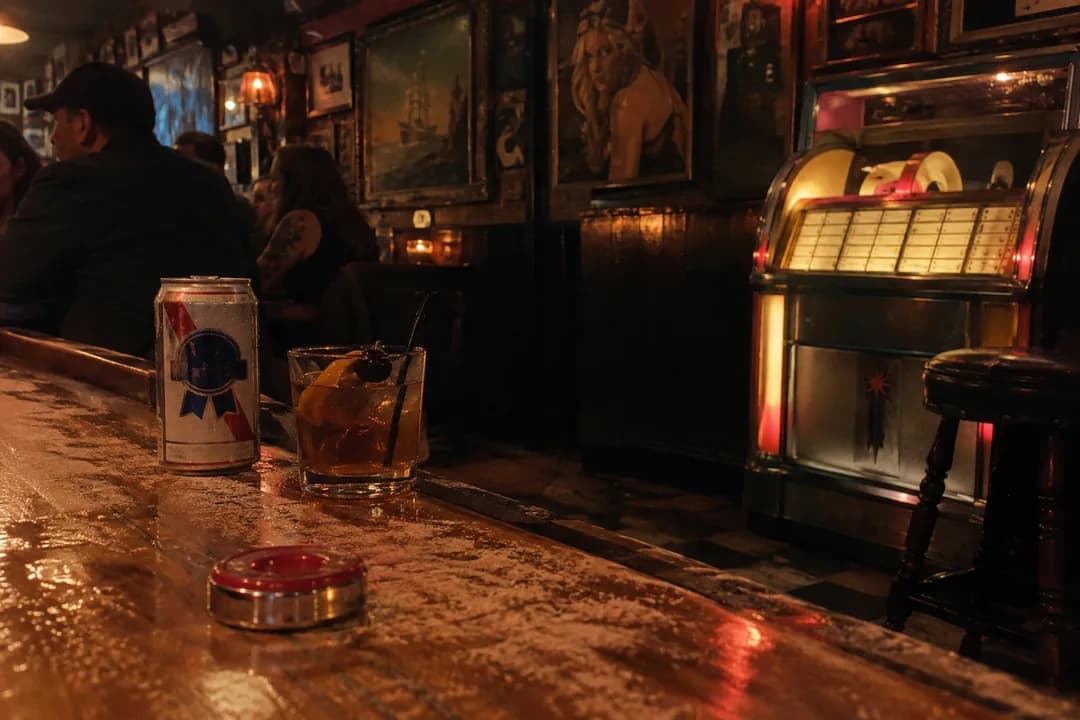
Bring the right arrival attitude. The room is narrow enough that the group should enter, find the bartender, and ask about the table before spreading out. Cash keeps the visit simple, and bags belong under a chair rather than beside the playing lane. If a regular is finishing a frame, wait for the natural break. The table belongs to the room, not to whoever reaches it first.
The surface is easiest to learn when the jukebox is already part of the background. Watch one puck, notice whether the table runs faster than expected, and begin with a safe line. A beginner who keeps the weight on the board contributes more than a player who chases a dramatic score and sends it off the end. Doc's Clock makes room for skill, but its main promise is participation.
When Mission Local profiled the bar in 2019, PBR was $3 on weeknights, most beers were about $5, and cocktails topped out at $10. Treat those as a guide to the price level rather than a current menu. The room encourages a long, low-pressure visit: choose a drink, put a song on, play a frame, and decide whether to stay for another. It is a rare setup where the bill can stay visible all night.
Food is not the main event here, so plan around the neighborhood if the group needs dinner. A drink and a jukebox selection can start the evening, while the shuffleboard table supplies the shared activity. Friends who arrive after eating can still join without feeling that they missed a course. That flexibility is useful in the Mission, where a bar stop often sits between a meal, a mural walk, and another late-night destination.
The lane needs more discipline than the room's dive-bar mood might suggest. Keep the drink on the side, do not lean across the surface, and avoid choosing a song while another player is lining up. Finish the frame before stepping away. Those habits are not formal rules so much as a way of respecting the regulars who made the table part of the bar's character long before a visitor searched for it online.
Players can make a match more interesting by using the jukebox as the reset between games. Let the first person choose the opening track, play one frame without overthinking the score, and use the second song to signal the rematch. The format gives the night a natural pulse. It also prevents the group from treating the game as a competition that needs a referee or a detailed score sheet.
Doc's Clock's history includes a move that preserved the bar's personality while keeping the games and music central. That sense of continuity is why the shuffleboard table feels believable here. It is not a photo prop and it does not ask guests to dress for an experience. The Mission address, the jukebox, and the crowded little floor all point toward the same kind of night: informal, social, and a little unpredictable.
The Mission is generous after the last puck. A route along Valencia Street can lead to murals, Dolores Park, or the 24th Street corridor. Keep the first walk short if the group is carrying the argument over a close score, then lengthen it if the air feels good. A walk also gives the room a clean ending. Nobody has to decide whether to order another drink simply because the conversation is still active.
This is a particularly good pick for a pair of friends, a small birthday group, or visitors who want a bar with a local personality rather than a polished package. It is less suited to a large party that needs every guest seated together. Doc's Clock asks the group to share space, and that constraint becomes part of the charm when everybody keeps the lane and jukebox accessible.
When another party is waiting, the fairest move is to complete the current frame and step aside. Do not start a fresh match while the next group is standing behind the table. Staff can tell you whether the table is free, but regulars notice whether visitors understand the room. A short, clear rotation keeps the game alive and makes the bar feel like a place where strangers can share an activity without a formal booking.
The second game should use a different strategy. If the first round was about keeping the puck safe, try blocking the scoring zone or forcing a bank shot. The jukebox and arcade provide natural pauses, so nobody needs to hurry. That looseness is the point. Doc's Clock is not selling a perfect score; it is giving the group a reason to stay in the Mission for another half hour.
Practical Notes: Doc's Clock is at 2417 Mission Street, San Francisco, CA 94110, with the listed phone (415) 824-3627. Mission Local's 2019 price snapshot put PBR at $3 on weeknights, beers around $5 and cocktails at up to $10. The long shuffleboard table moved with the bar when it relocated in 2017. Carry cash, keep bags away from the game, and expect the room to be narrow.
For a shuffleboard bar near me query that really means a neighborhood dive with music and a table, Doc's Clock is a convincing answer. Pick a song on the jukebox, play with the regular room rather than against it, and leave through the Mission streets when the last frame is done. The experience is memorable precisely because it stays small, specific, and unpolished.
Ask Karpo for more information.
Keep reading
- Shuffleboard Bar Near Me in San Francisco: The Wreck Room
 Shuffleboard Bar Near Me in San Francisco: Emperor Norton's Boozeland
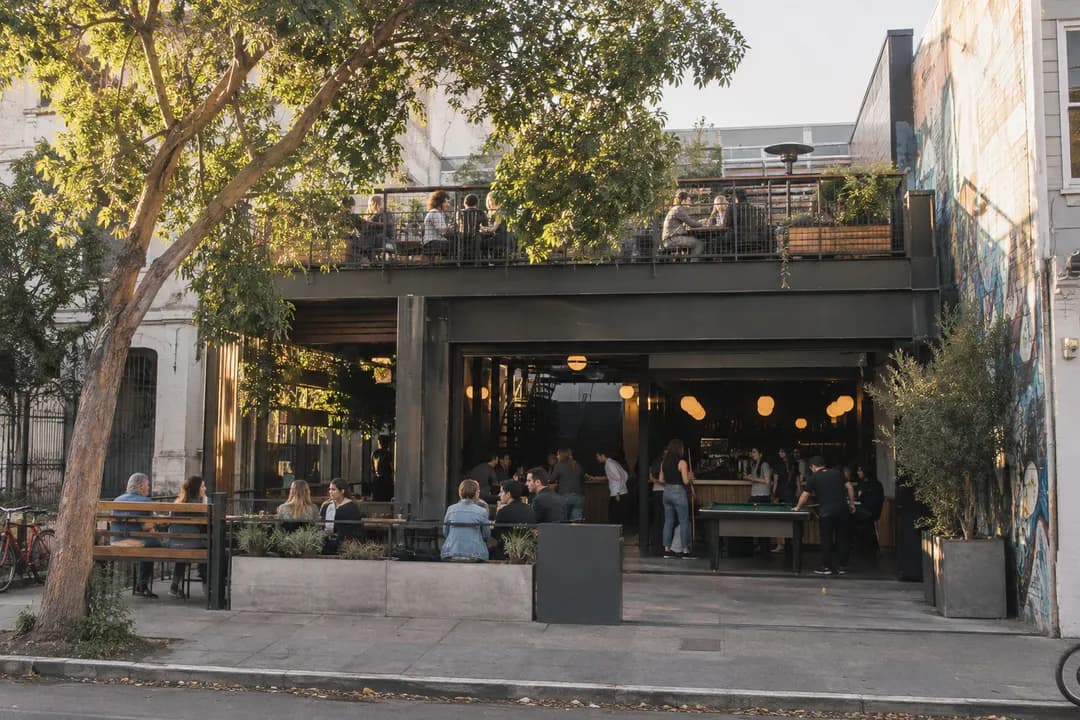 Shuffleboard Bar Near Me in San Francisco: Teeth Mission Patio