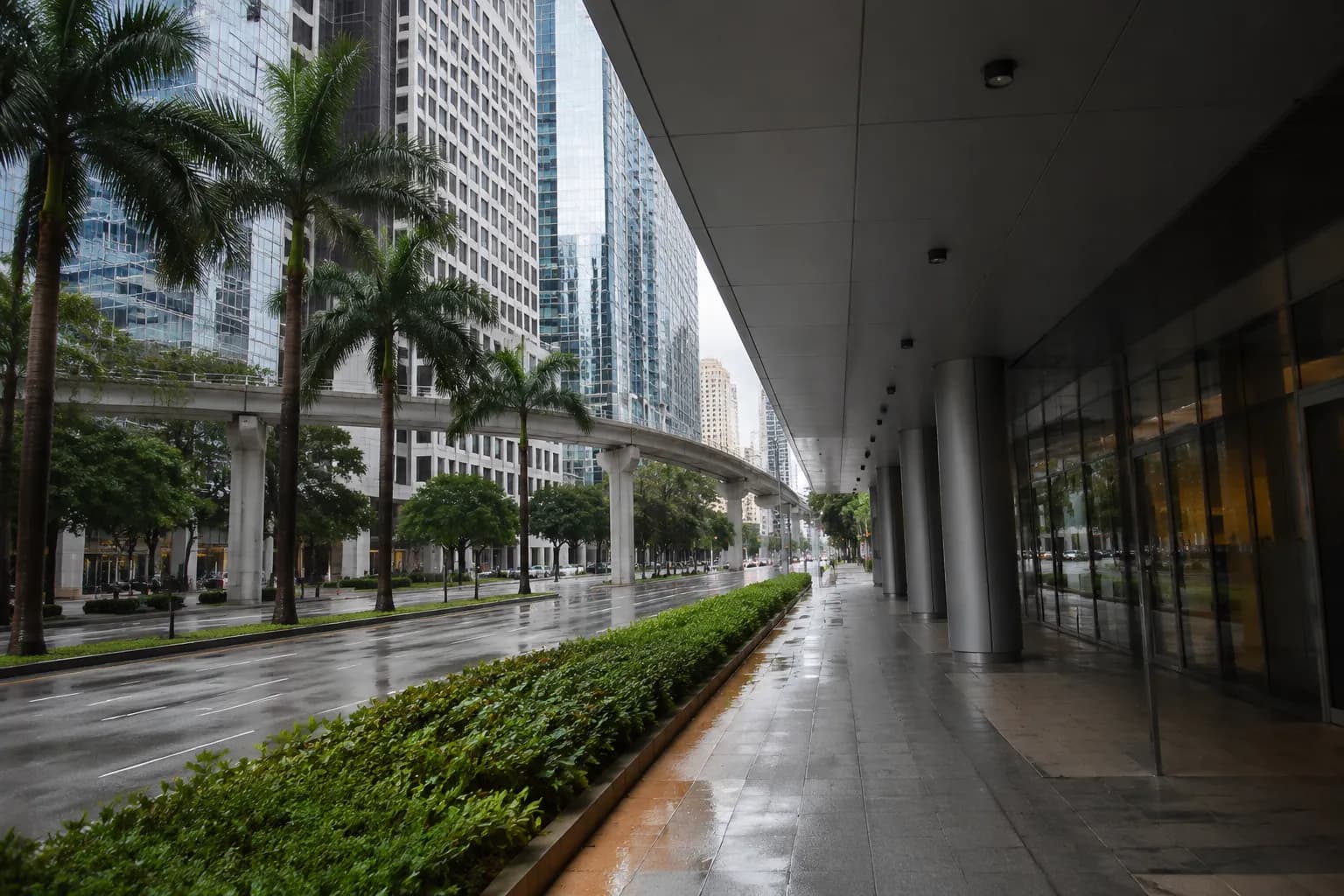
The hour between four-thirty and six on a Miami summer afternoon is when delivery timing falls apart. Kitchens that opened at eleven are hitting their stride, but storms roll in from the west, drivers cluster under awnings near Brickell Avenue or wait out lightning near covered pickup zones at Brickell City Centre, and your food sits on a counter getting cold. Orders placed at five-fifteen can arrive at seven-thirty, tepid and limp, because no one accounts for the weather gap that happens almost daily from June through September.
Karpo checks which restaurants near you have the shortest current wait and gives you a live route to backup spots if your first choice is slammed or closed for the afternoon.

Understand the summer delivery window before you order
Miami's Uber Eats ecosystem runs on two overlapping rhythms: the tourist schedule, which peaks around noon and again at eight, and the local schedule, which avoids midday heat and clusters around early dinner before storms or late night after they pass. If you order at one or nine, you're working with the system. If you order at five, you're competing with everyone who just got home from work and everyone trying to beat the rain. Brickell, Wynwood, and the Design District all see the same crunch, but Brickell's density makes it worse—more orders, more high-rises, more confusing lobby instructions that slow drivers down.
The other friction point is causeway traffic. If you're ordering from South Beach or Edgewater and the restaurant is across a bridge, add twenty minutes to any estimate Uber Eats gives you during rush windows. The MacArthur Causeway backs up westbound from four to seven most weekdays in summer, and the Venetian is no better. Drivers avoid those routes when they can, which means your order might sit longer waiting for someone willing to make the trip, or it gets picked up by someone already on the wrong side who's heading back.
Pick one restaurant that handles volume without falling apart
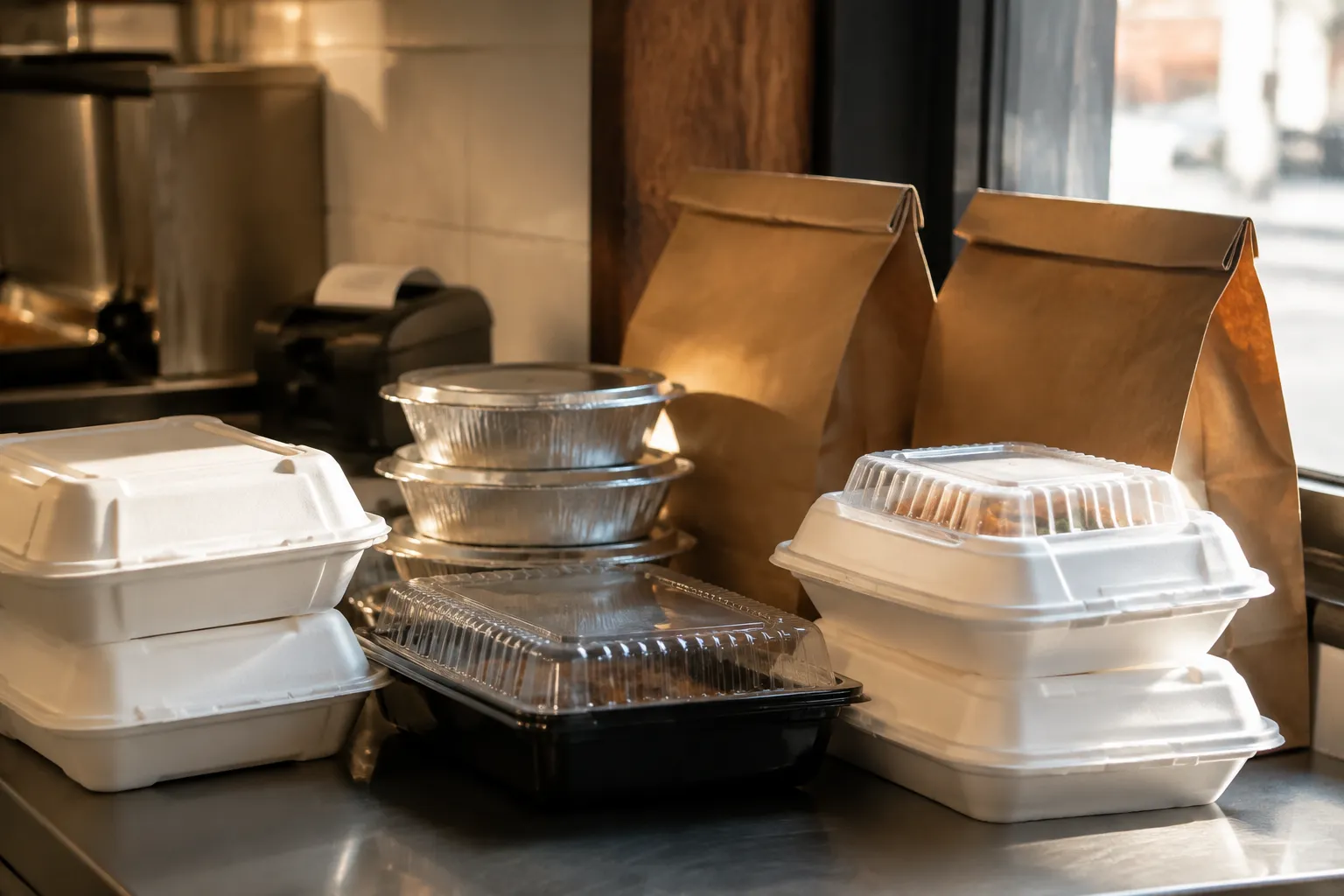
The best summer Uber Eats strategy in Miami is to find two or three places that stay consistent when they're busy and save them as favorites. You want kitchens that don't rely on intricate plating or delicate greens that wilt in a hot bag, and you want restaurants near major rideshare zones where drivers are already circulating. Brickell has a cluster of these along South Miami Avenue and near Mary Brickell Village—places that do high throughput, pack food in containers that vent steam, and sit close enough to residential towers that drivers don't waste time hunting for parking.
Look for spots that list their pickup instructions clearly in the app and have a dedicated counter or shelf for delivery orders. The ones that make drivers wait at the host stand or mix delivery orders into the dine-in flow are the ones that run late when it's busy. You can usually tell from reviews: if multiple people mention cold food or long waits, the kitchen isn't set up for volume. If reviews talk about good packaging or accurate timing, that restaurant has its systems sorted.
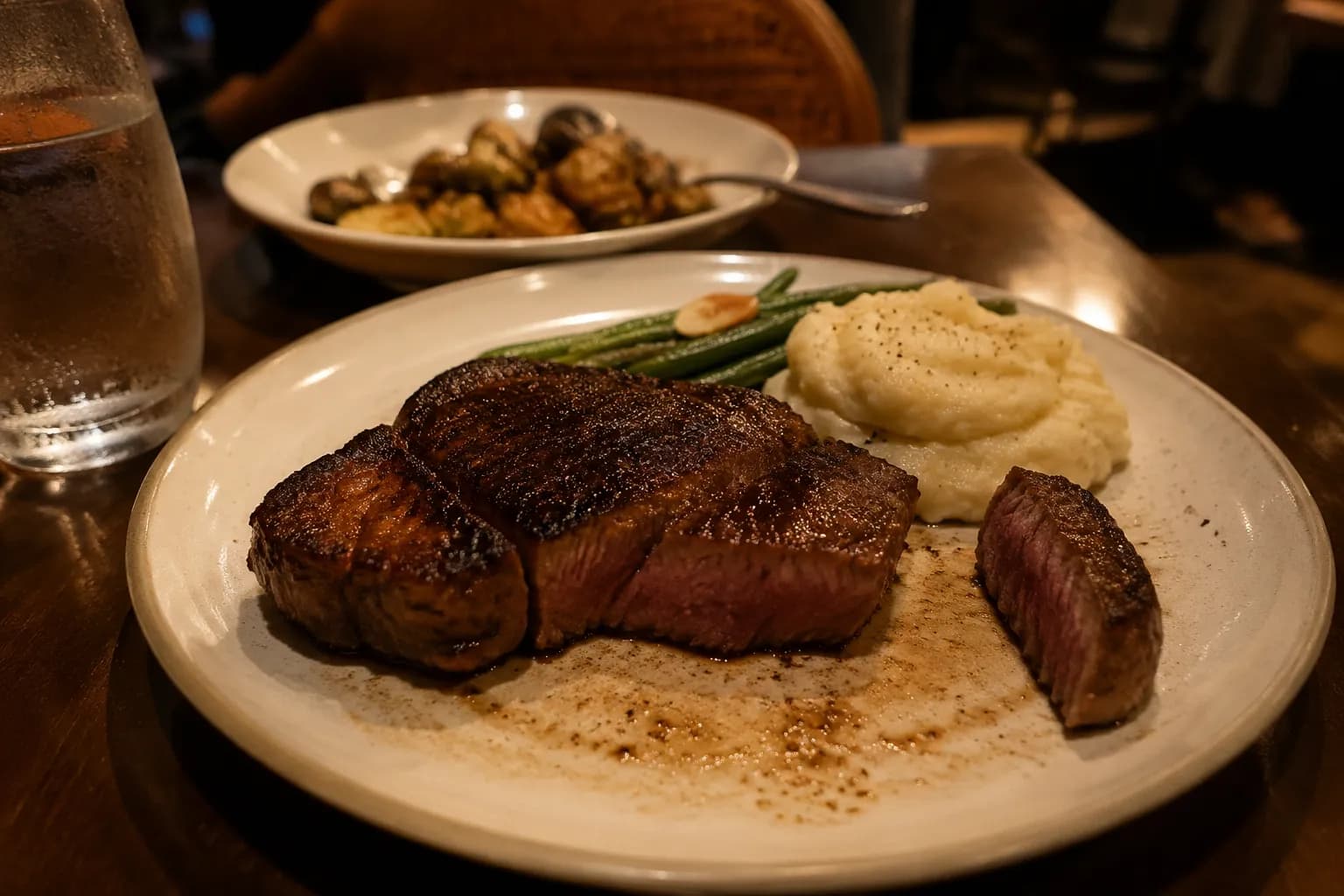
Cuban, Peruvian, and Thai places tend to hold up better in transit than anything involving fresh mozzarella, medium-rare steak, or a composed salad. Rice-based dishes, stews, roasted meats, and anything that's meant to be warm rather than hot all survive the twenty-minute window better. In Brickell, the stretch between Eighth and Fifteenth Streets has enough variety that you can usually find something that fits this profile without ordering the same thing every week.
Line up a second option that's walkable if delivery stalls
The backup plan for any Miami summer Uber Eats order is knowing where you can walk to pick up food yourself if the app shows a driver sitting still for fifteen minutes or if a storm hits and everything pauses. Brickell's grid makes this easier than most Miami neighborhoods—you're rarely more than a ten-minute walk from a takeout counter that doesn't require a reservation or a wait. South Miami Avenue, Brickell Avenue, and the Mary Brickell Village loop all have sidewalk coverage and enough awnings that you can move between blocks even in light rain.
Keep one place in mind that does walk-up pickup and has indoor seating or a covered patio where you can wait if weather turns. The big chains near the Metromover stops handle this well because they're used to high turnover and have space to stand without blocking service. If you're west of the Avenue, the spots near Ninth Street have parking that converts to quick pickup zones after six, and they're less congested than the blocks closer to the water.
The other advantage of having a walkable backup is that you skip the delivery fee and the tip, which in summer can add twelve dollars to a fifteen-dollar order. If your Uber Eats order is sitting unassigned for more than ten minutes, you're often better off canceling and walking five blocks. Check the restaurant's own site or call to confirm they're still taking orders—sometimes a place will pause Uber Eats during a rush but still handle walk-ins.
Check same-day variables before you confirm the order
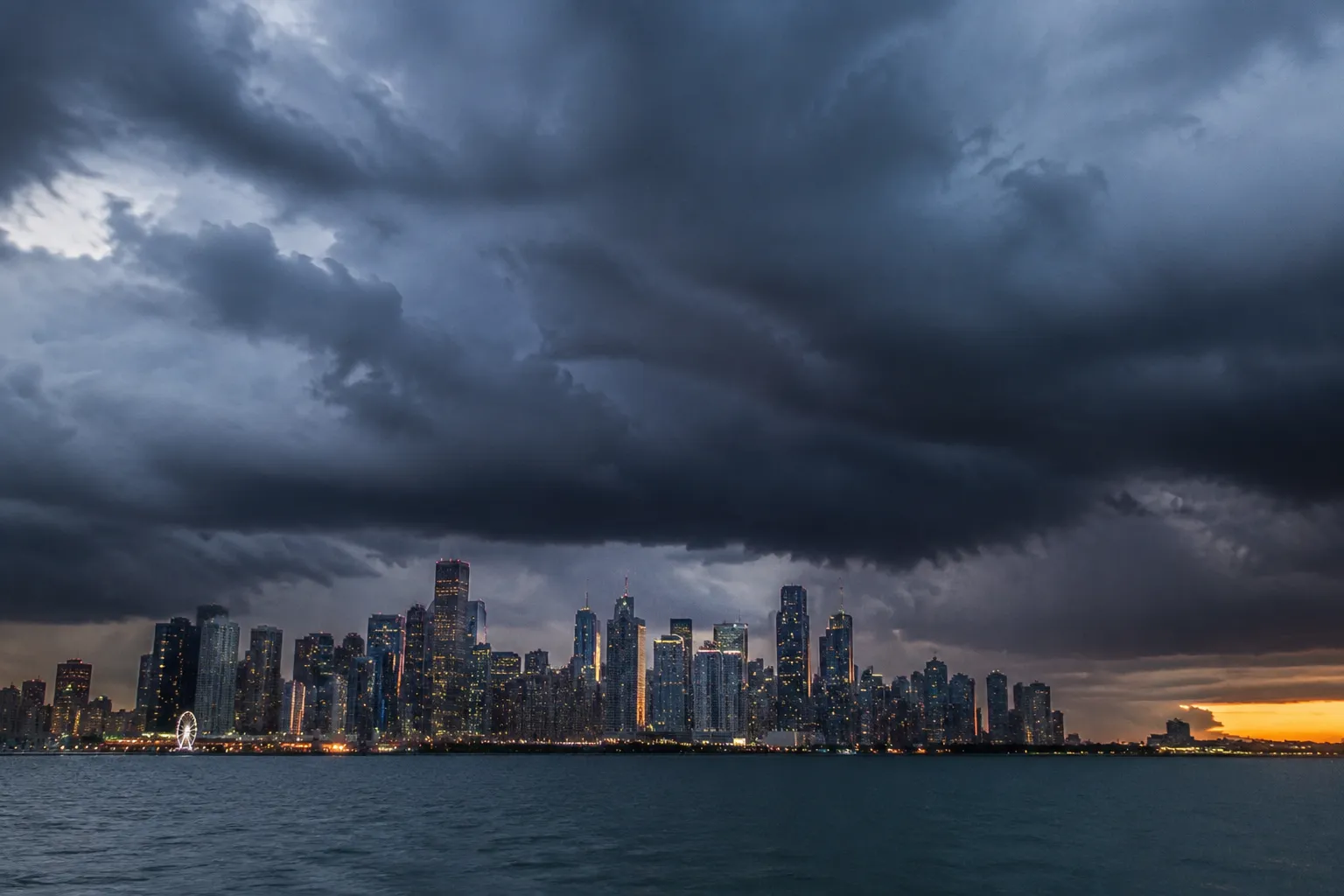
Before you hit the order button on Uber Eats in Miami during summer, open a second app and check the radar. If there's a storm cell moving east over the Everglades and it's after three in the afternoon, it will reach Brickell within ninety minutes. That's your window to order and receive before everything pauses. If the cell is already over Doral or the airport, wait it out—orders placed during active lightning usually get canceled by drivers or sit unassigned until the weather clears, and by then your food is cold or the kitchen has moved on to the next batch.
Also verify the restaurant's actual hours, not just what Uber Eats says. A surprising number of Miami kitchens close for a break between three and five, especially smaller spots that don't have split shifts. The app will let you place an order, but the restaurant won't start it until they reopen, and no one tells you that until thirty minutes have passed. If it's a place you haven't ordered from before, check their Instagram or Google listing for any same-day closures or shortened hours—summer is when a lot of kitchens take their annual maintenance week or reduce service because tourist volume drops.
Finally, look at the delivery estimate Uber Eats gives you and add ten minutes if it's peak time, add twenty if there's bridge traffic, and add thirty if a storm is forecast within the hour. The app's algorithm doesn't account for Miami-specific friction—it assumes drivers move at a constant speed and that kitchens start your order the moment it arrives. Neither is true here in summer. If the estimate says forty-five minutes and you need food in thirty, you're better off switching to pickup or choosing a closer restaurant.
Practical notes
- Avoid ordering between 4:30 and 6:30 p.m. when storms and traffic converge
- Add 20 minutes to any estimate if the restaurant is across a causeway during rush hour
- Check radar before ordering—storms pause deliveries and leave food sitting
- Walk-up pickup in Brickell is usually faster and cheaper than delivery after 5 p.m.
- Verify restaurant hours on their own site; Uber Eats doesn't always reflect afternoon closures
- Choose rice-based or stew dishes over salads or rare meats for better transit survival
Tags: #karpo #miami #brickell #miamidelivery #ubereats #miamieats #summerinmiami #miamifood #brickelleats #localmiami #miamilife #deliverytips #miamidining #neighborhoodguide #miamifoodie
Sources consulted: City of Miami Open Data Portal · National Weather Service Miami · Miami-Dade Transit Metromover
All trademarks are the property of their respective owners.
Ask Karpo first
Text Karpo before you order to check which nearby restaurants are actually open right now and how current delivery wait times compare to their estimates. It'll also give you a live walking route to the closest backup spot if your first choice is slammed or paused for weather.