 Best Trick or Treating Neighborhoods Near Me: Park Slope
Neighborhood Guides
A Local's Guide to Seafood in NYC This Summer
Raw bars, fish shacks, and oyster counters run the length of the city when June hits—here's where to build a real route.
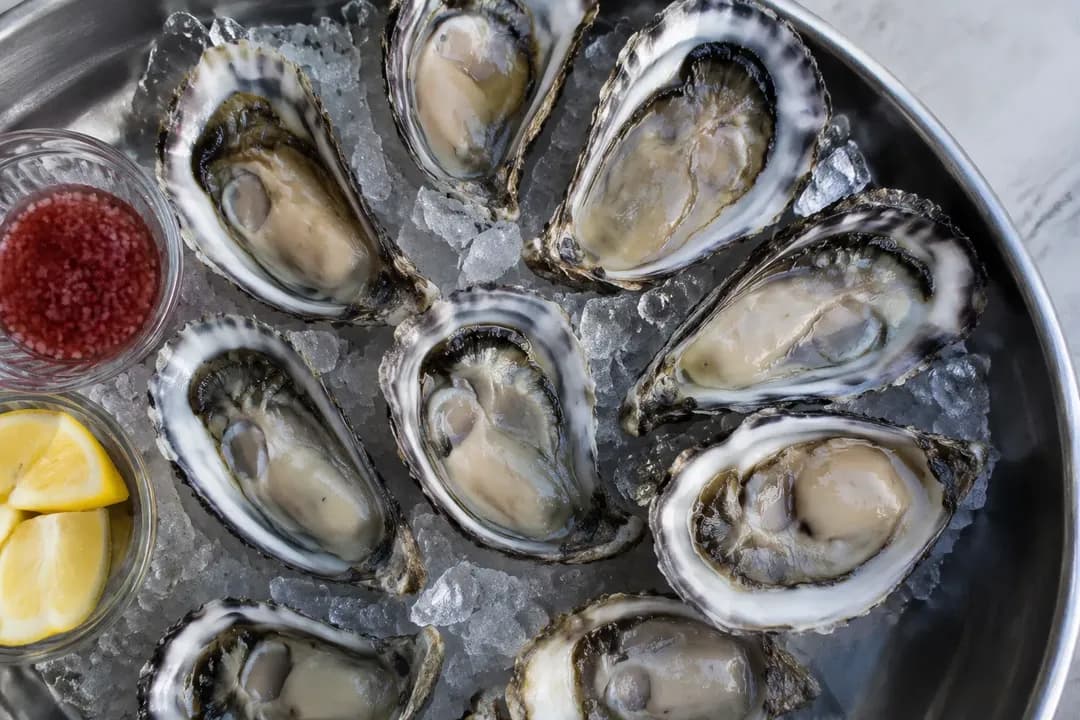
The city's seafood rhythm changes when the temperature goes up. Counters that were quiet in April suddenly have lines at six-thirty. Raw bars that ran abbreviated spring menus flip to full East and West Coast oyster lists. The difference isn't just selection—it's that people start building evenings around cold shellfish and a beer, not a seated dinner. You're looking for places where standing at a counter with a dozen littlenecks feels like the plan, not the detour.
Text Karpo before you head out and it'll tell you what's open right now, which counters have walk-up space, and how to route between two spots without backtracking across the river. If a place is packed, it'll pull a backup within ten minutes.
Why summer seafood here is its own routine
This matters in Greenpoint and the neighborhoods radiating out from it because the seafood spots worth your time are rarely clusters. You're not walking a single strip. You're threading together a fish market with a takeout counter, a raw bar with outdoor seating, and a fallback nearby in case your first stop is packed. The routes work, but only if you know which transfers are smooth and which subway gaps will cost you twenty minutes. Summer also means everyone else has the same idea—expect crowds after seven on weekends, and plan your timing around that.
Start at the Greenpoint waterfront or Fulton
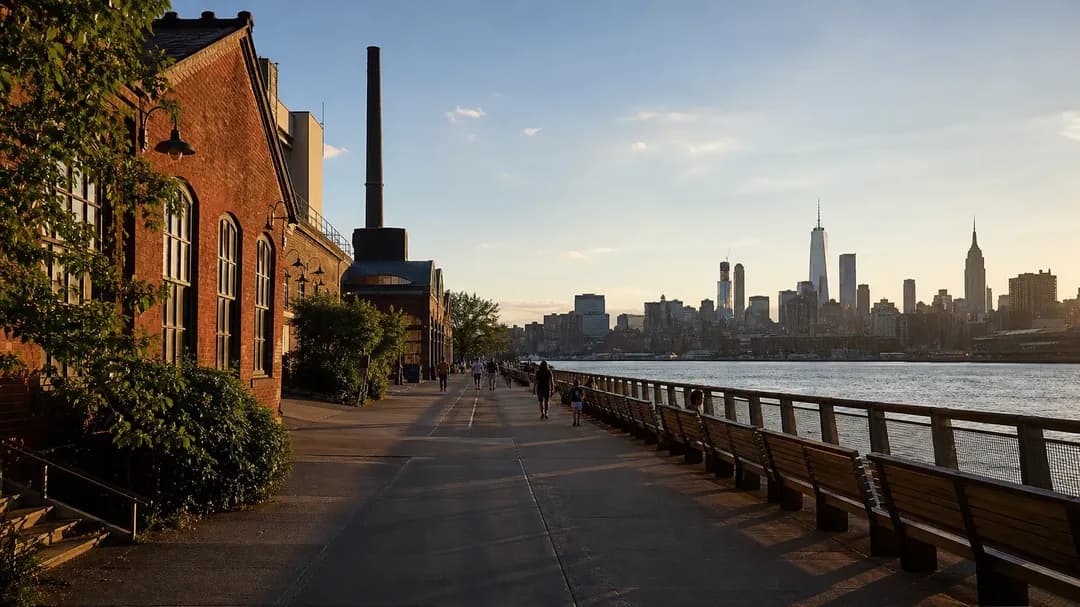
If you're coming from Manhattan, the G train to Greenpoint Avenue puts you near the kind of neighborhood seafood counter where locals pick up whole fish and you can order a lobster roll at the same window. The waterfront end of Franklin Street has benches that face the river, and on a clear evening you can eat outside without fighting for a table. Check what the market has that day—summer brings fluke, porgy, and better-priced striped bass—and if you're not cooking, ask whether they'll steam or grill to order. Not every shop does it, but the ones that do will have it ready in fifteen minutes.
The other anchor is the Fulton Fish Market area in the South Street Seaport. Yes, it's touristy. It's also where the city's fish supply still moves, and the vendors who've been there for decades know what came in that morning. Walk the stalls, then head to one of the raw bars on the north side of Fulton Street. You want a place that posts its oyster sources on a chalkboard and turns over inventory fast. Summer weekends get dense with crowds, so go before five or after eight-thirty if you can.
Both starting points give you the option to pivot. If Greenpoint feels too quiet or the place you wanted is closed, the L train to Bedford Avenue in Williamsburg is one stop and opens up more seafood counters. From Seaport, the 2 or 3 uptown to Union Square connects you to the kind of seafood-focused restaurants that do a summer menu but don't require a reservation if you're willing to eat at the bar.
Build the middle around oysters and a second neighborhood
Once you've eaten something, the next decision is whether you're staying put or moving. If you started in Greenpoint, consider the ferry to Williamsburg or Dumbo. The East River Ferry runs every twenty to thirty minutes in summer, and it's faster than the subway if you're aiming for a waterfront oyster bar in Brooklyn Bridge Park. Dumbo has a couple of spots where you can sit outside with a view and order shellfish by the half-dozen. The ferry dock is a five-minute walk from the park, and the benches near the water don't fill up until after sunset.
If you began downtown at Seaport, head west into Tribeca or north into the East Village. Tribeca's seafood places skew formal, but many have bars where you can order à la carte without committing to a full table. The walk from Seaport to Tribeca is flat and takes about twelve minutes. The East Village option is better if you want a second round of food that's cheaper and less polished—think grilled sardines, fried smelts, a bowl of mussels. Take the 6 train from Brooklyn Bridge–City Hall to Astor Place. The neighborhood has Portuguese and Spanish spots that treat seafood as the center of the plate, not a luxury add-on.
Wherever you land for the middle stretch, confirm the kitchen is running a full menu. Some places trim offerings between lunch and dinner service, and summer schedules can be unpredictable. If you're ordering oysters, ask what's cold and what just came out—the difference in temperature is obvious, and you don't want room-temp bivalves in July. Also, check whether a place does walk-ins or if they're reservation-only for tables. Many seafood spots in NYC have pivoted to book-ahead-only on weekends, even for bar seating.
When the first plan doesn't hold
Seafood places close without warning in summer. A supplier misses a delivery, a health inspection pops up, the kitchen floods. You won't know until you're standing outside. Have a second spot in mind before you leave home, ideally one that's a short subway ride or a walkable fifteen minutes away. In Greenpoint, that might mean shifting from a raw bar to a Polish diner that does fried fish platters—not the same experience, but it works. In lower Manhattan, Grand Central Oyster Bar is the fallback everyone knows, and it's open every day. The 4, 5, or 6 will get you there from most points in under twenty minutes.
Weather is the other variable. A thunderstorm will kill outdoor seating plans, and a lot of the best summer seafood experiences in NYC depend on being outside. If it's raining, look for places with covered patios or enclosed but airy dining rooms. Chelsea Market has a few seafood counters under one roof, and it's accessible from the A, C, E at 14th Street or the L at Eighth Avenue. You're trading ambiance for reliability, but you'll stay dry and you'll eat well.
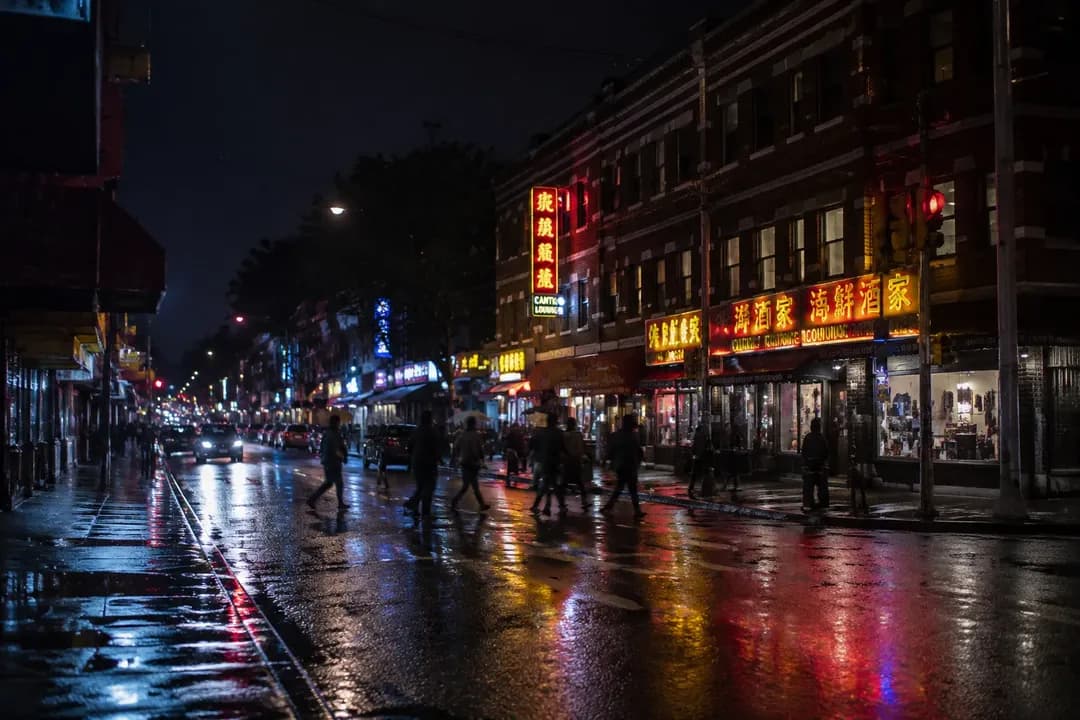
Late-night service is tricky. Most seafood kitchens in the city stop serving by ten or ten-thirty, earlier than burger or pizza spots. If you're out past nine and haven't eaten, your options narrow fast. Chinatown is the exception—several Cantonese seafood restaurants stay open until eleven or midnight, and the food is excellent. The N, Q, R, W, J, Z, or 6 will all drop you within a few blocks of the main stretch on Canal and Mott.
What to confirm the day you go
Check the weather that morning, not the night before. Summer storms in New York City roll in fast, and a forecast can shift between breakfast and lunch. If rain's likely after six, move your timing earlier or have an indoor backup queued up. Also check subway service alerts—the G and L trains both have a history of weekend work that forces transfers or bus bridges, and that will add fifteen to twenty minutes to any cross-borough trip.
Call ahead if you're counting on a specific item. Summer is when places run out of popular fish by eight o'clock, especially on Saturdays. If you want a whole grilled branzino or a particular oyster varietal, a quick phone call in the afternoon will tell you whether it's still available. Don't assume that because a dish is on the online menu, it's in the kitchen that night.
Finally, bring cash. Not every seafood counter or market takes cards, and the ones that do sometimes have minimums. ATMs are easy to find in most neighborhoods, but it's one more stop you don't want to make when you're hungry. A twenty or two in your pocket smooths out the evening and keeps you from hunting for a bodega with a working machine.
Practical notes
- Subway timing: Greenpoint to Seaport via G to F at Bergen is about 35 minutes; plan for delays on weekends.
- Most raw bars and fish counters stop serving by 10 or 10:30 PM; Chinatown seafood restaurants run later.
- Outdoor seating fills up after 7 PM on weekends—go earlier or have an indoor backup.
- Bring cash; many fish markets and smaller counters are cash-only or have card minimums.
- Check same-day subway service alerts for the G and L lines, which often have weekend work.
- Confirm the kitchen is running a full menu if you're arriving between standard meal times.
Tags: #karpo #nyc #newyorkcity #seafood #greenpoint #brooklyn #nycfood #oysters #rawbar #summerinnyc #localsguide #nycseafood #williamsburg #seaport #neighborhoodguide
Sources consulted: NYC Ferry schedule and routes · MTA service status and alerts · Fulton Fish Market history and vendors
All trademarks are the property of their respective owners.
Ask Karpo first
Text Karpo the morning you're going and ask what's actually open, which oyster bars have space at the counter, and how to route between two spots without losing half an hour to transfers. If your first choice is packed or closed, it'll pull a nearby alternative and tell you the fastest way to get there.
Ask Karpo for more information.
Keep reading
- Best Trick or Treating Neighborhoods Near Me: Park Slope
 Best Trick or Treating Neighborhoods Near Me: Carroll Gardens
 Best Trick or Treating Neighborhoods Near Me: West Village