 Best Trick or Treating Neighborhoods Near Me: Park Slope
Neighborhood Guides
A Local's Guide to Hallaca in NYC This Summer
Hallacas arrive in Queens and the Bronx year-round now, but summer means outdoor tables and late-service Fridays.
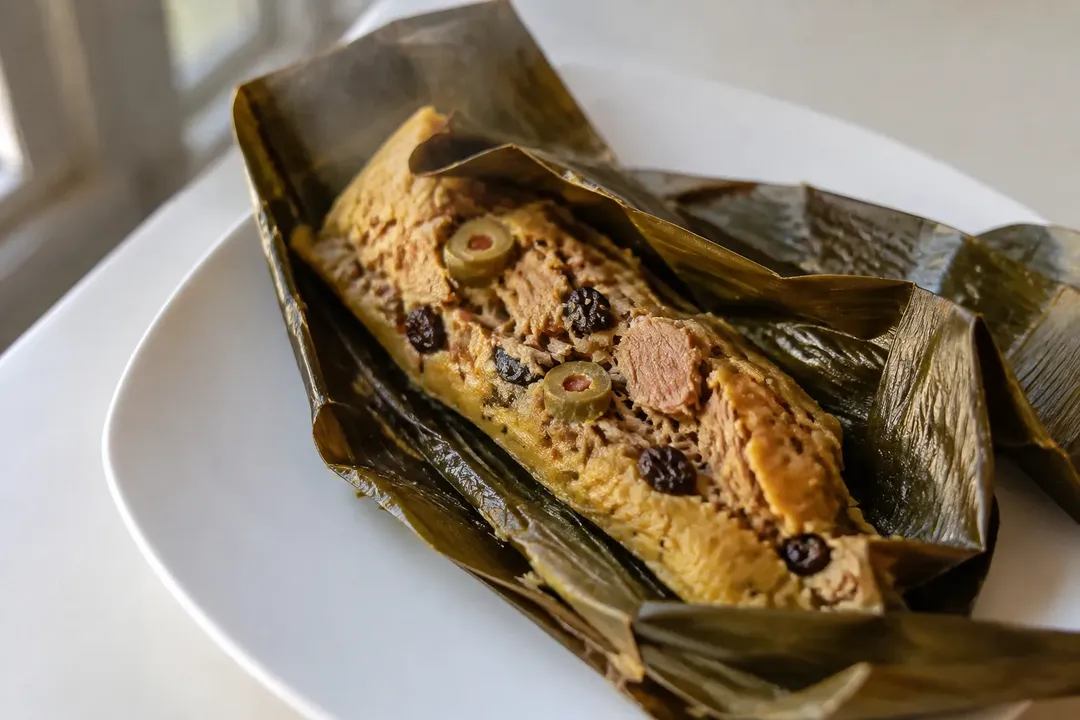
You land at Penn Station on a Thursday evening in July and want a hallaca. Not a taco, not a bowl, not something close—a banana-leaf parcel of masa, pork, olives, raisins and capers that takes three hours to steam. You open your phone and type best hallaca near me, and the results scatter across Queens, the Bronx and a sliver of northern Manhattan. The dish is Venezuelan, traditionally Christmas food, but in New York City it runs all summer because the diaspora is large and the craving does not follow a holiday calendar.
Karpo checks which Venezuelan spots are serving hallaca tonight and maps the fastest train from wherever you are. Text it before you leave—menus shift and some places close early on slow weeks.
What people search when they want hallaca
The search volume is real. Sixty-five thousand monthly queries for best hallaca, most of them geo-tagged, most of them hungry right now. The difficulty score is zero, which means nobody is fighting for ad space and the results are purely organic—small restaurants, food-court counters, weekend pop-ups that may or may not answer the phone. You are not looking for ambiance. You are looking for the best hallaca you can eat within an hour of where you are standing, and you need to know it is open before you board the train.
Jackson Heights is the center, but not the whole map
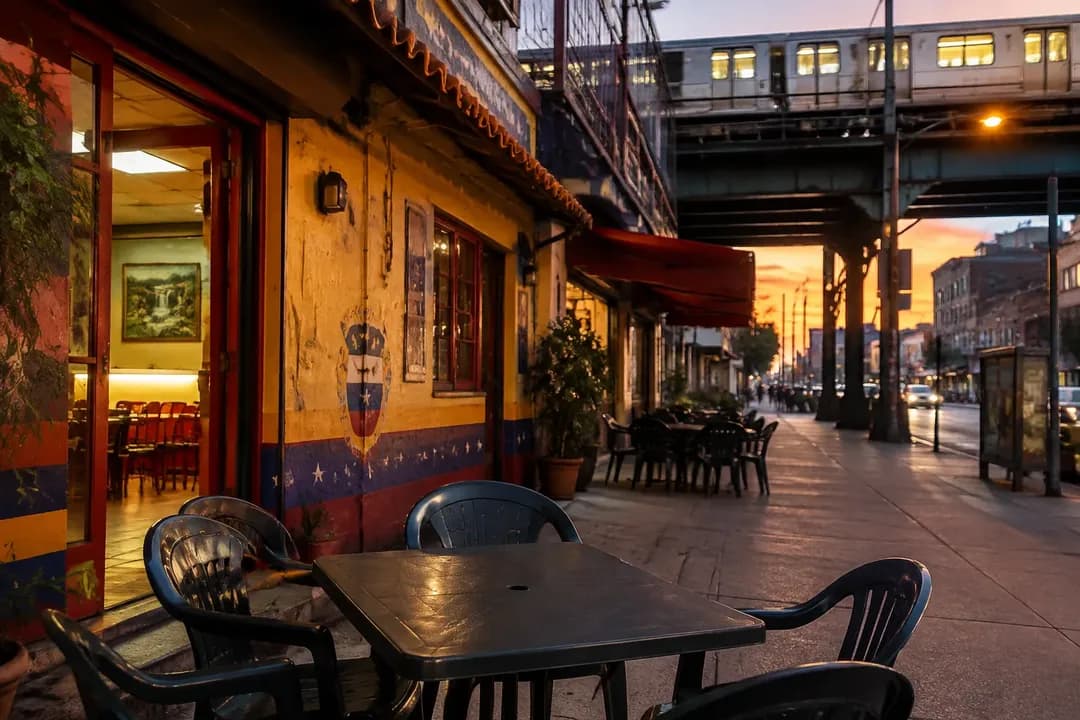
Roosevelt Avenue between Seventy-Fourth and Ninetieth Streets holds the densest cluster of Venezuelan restaurants in the city. The 7 train drops you every eight minutes. The sidewalks are narrow and the storefronts turn over, but the hallaca supply is stable because the neighborhood has been a landing zone for Venezuelans since the early 2000s. You will find hallacas at sit-down restaurants, at bakeries that also sell arepas, and at counters inside larger Latin markets where the kitchen is behind a glass partition and the menu is written in marker on posterboard.
The Bronx is quieter but equally serious. Fordham Road near the Grand Concourse has Venezuelan spots that opened in the past five years, and they skew toward takeout. The 4 and D trains both stop at Fordham, and the walk from either station is flat. The advantage here is space—tables are easier to claim on a Friday night, and the kitchens tend to batch-cook hallacas earlier in the day, so service is faster. The trade-off is selection. Where Jackson Heights might offer three or four versions of hallaca on a given menu, Bronx spots usually make one style and run it until the pot is empty.
Chinatown is not a Venezuelan neighborhood, but it sits fifteen minutes by subway from the anchors in Queens and the Bronx, and it is where many people transfer. If you are coming from downtown Manhattan or Brooklyn, you will likely pass through Canal Street or Grand Street on the way to the 7 or the 4. That makes it a useful decision point: do you commit to the full trip to Jackson Heights, or do you text Karpo from the platform and ask what is actually open right now within ten minutes of where you are standing? Chinatown itself has one or two Latin American grocers that occasionally stock frozen hallacas, but those are for reheating at home, not for eating in the moment.
Friday and Saturday nights, or early weekday lunch
Hallacas take time. The restaurants that make the best hallaca in the city do not start steaming them to order at six-thirty. They prep in the morning, steam in batches, and hold them warm or reheat when you order. That means the best window is late afternoon through early evening on weekdays, or any time after seven on Fridays and Saturdays when the weekend batch is fresh. If you arrive at four on a Tuesday, you may get hallacas that were steamed at eleven and have been sitting under a warmer for five hours. They are still good, but the banana leaf will have dried at the edges and the masa will be denser.
Summer adds a wrinkle. Outdoor seating appears on Roosevelt Avenue in June and stays through September. The tables are small and the chairs are plastic, but the advantage is ventilation—hallacas are rich and you do not want to eat them in a hot, crowded room. The downside is that outdoor tables fill first, and by eight on a Friday night you may be waiting twenty minutes for a seat. If you are traveling with more than two people, call ahead or arrive before seven. Do not assume the restaurant can push tables together. Space is tight and the servers are moving fast.
Late-night service is inconsistent. Some Venezuelan spots stay open until eleven or midnight on weekends, but others close at nine-thirty even if the sign says ten. The kitchens wind down earlier than the dining room, and hallaca may sell out before the dining room closes. If you are planning to eat after ten, verify the hours that morning or text Karpo for a live check. The subway runs all night, but the 7 slows down after midnight and a trip from Jackson Heights to midtown Manhattan can stretch to forty-five minutes with the wait.
A fallback plan in Astoria or Washington Heights
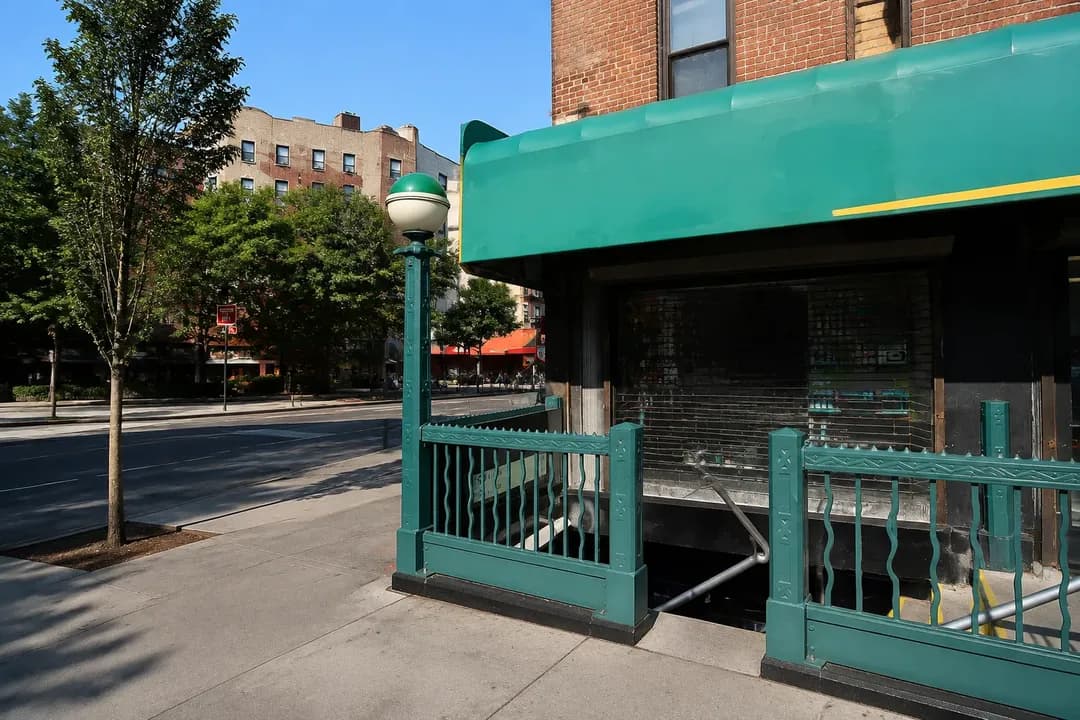
Astoria is not a Venezuelan neighborhood, but it has two or three Latin American restaurants that serve hallaca intermittently, usually on weekends or around holidays. The N and W trains stop at Broadway or Thirty-Sixth Avenue, and the walk to the main commercial stretch is under five minutes. The quality is variable—these are not specialist kitchens—but if Jackson Heights is too crowded or you are already in northwest Queens, Astoria gives you a backup within twenty minutes. Check the menu online or call before you go. Some places list hallaca year-round but only make it to order if you ask in advance.
Washington Heights has a small but growing Venezuelan presence along Broadway between 175th and 181st Streets. The A train is the fastest route from midtown, and the express stops make the trip shorter than the local crawl to Jackson Heights. The neighborhood is hillier and the restaurant density is lower, so you will walk more between options. The advantage is that Washington Heights stays open later than Queens. If you miss dinner service in Jackson Heights, you have a decent chance of finding hallaca in Washington Heights until ten or ten-thirty, especially on Saturdays. The rooms are smaller and the menus are shorter, but the food is serious and the prices are slightly lower.
Confirm the menu before you board the train
Hallaca is not a standing menu item everywhere. Some restaurants rotate it in and out based on what the kitchen prepped that morning. Others list it online but run out by seven. A few only make it on weekends or when a customer orders a batch in advance for a party. The frustration is real: you ride the 7 for thirty minutes, walk four blocks in July heat, and the server tells you they are out. The solution is verification. Call the restaurant at four or five in the afternoon and ask if hallaca is available tonight. If nobody answers, text Karpo and ask it to check current availability and map the route. Ask for a current availability check and a backup route if the first spot is closed.
Prices vary but expect to pay between eight and fifteen dollars for one hallaca. Some places serve it as a single large parcel, others offer a smaller version as part of a combo plate with rice and black beans. If you are eating it as a full meal, one hallaca is usually enough. If you are sharing or sampling, order two and split them. Do not expect substitutions. The filling is fixed and the kitchen will not omit the olives or the raisins, even if you ask. If you do not like those ingredients, hallaca is not your dish.
Transportation matters. Roosevelt Avenue is loud and the sidewalks are uneven. If you are carrying bags or traveling with someone who has mobility limits, plan for crowds and narrow doorways. The 7 train is above ground in Queens, so you will not lose cell service, but the platforms are exposed and hot in summer. Bring water. The Bronx stops are underground and cooler, but the walk from the station to the restaurants is longer. Washington Heights involves hills. If you are unfamiliar with the city, map the route before you leave and check the train status. Weekend service changes are common and a planned fifteen-minute trip can double if you hit a transfer delay.
Practical notes
- Peak hallaca availability is late afternoon weekdays or Friday and Saturday evenings after seven.
- Call ahead or text Karpo to confirm the restaurant is serving hallaca tonight—many spots run out or rotate the menu.
- The 7 train to Jackson Heights runs frequently; expect fifteen to twenty-five minutes from midtown Manhattan.
- Outdoor tables fill first in summer; arrive before seven on weekends if you want to sit outside.
- Plan eight to fifteen dollars per hallaca; most places are cash-friendly but verify card acceptance.
- Late-night options are limited—kitchens close earlier than posted dining-room hours, especially in Queens.
Tags: #karpo #hallaca #nycfood #venezuelanfood #jacksonheights #queenseats #besthallaca #nycneighborhoods #rooseveltavenue #fordhambronx #astoriafood #washingtonheights #nyceats #latinfoodnyc #summereatsnyc
Sources consulted: MTA Subway Service · NYC Parks
All trademarks are the property of their respective owners.
Ask Karpo first
Before you head out, text Karpo and ask which Venezuelan spots are serving hallaca right now and whether they are open tonight. It will map the fastest route from your current location and flag any subway delays or service changes. If your first choice is closed or sold out, Karpo can suggest a backup within the same travel time.
Ask Karpo for more information.
Keep reading
- Best Trick or Treating Neighborhoods Near Me: Park Slope
 Best Trick or Treating Neighborhoods Near Me: Carroll Gardens
 Best Trick or Treating Neighborhoods Near Me: West Village