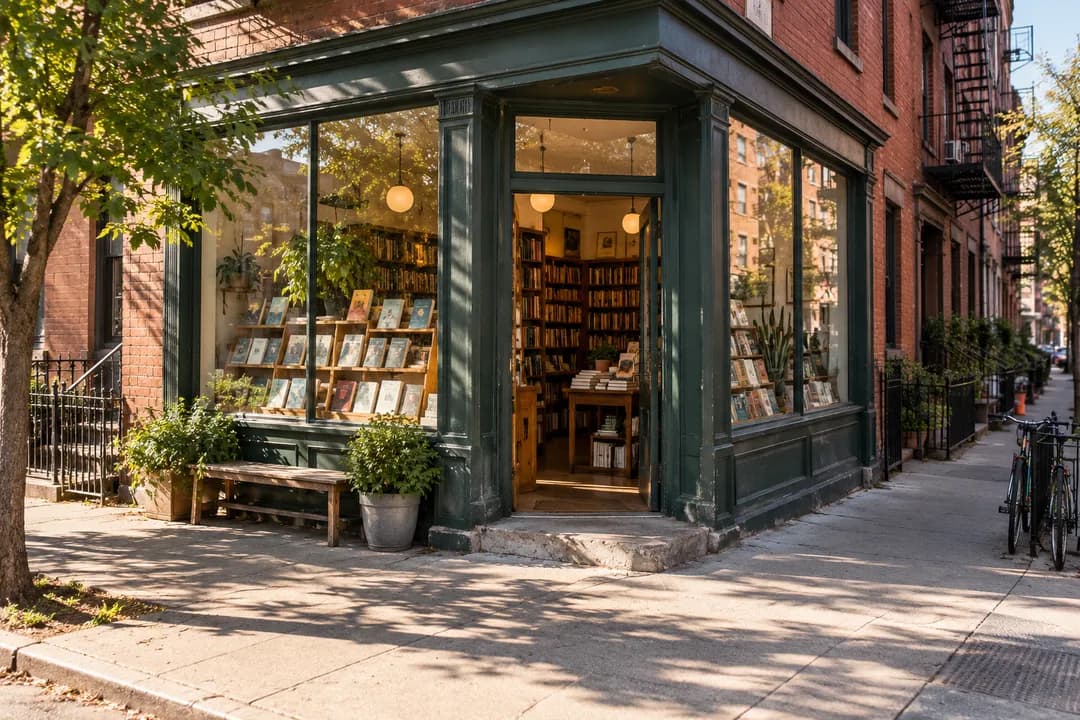
 WORD Bookstore in Greenpoint Remains a Community-Focused Indie Bookstore Near Me
Hidden Gems & Odd Finds

A Bookbinder on the Bowery Who Repairs Spines by Feel
No signage, second floor; he dates leather by smell and stitches without measurement
You climb a narrow staircase on the Bowery where the building numbers skip from 267 to 271, and on the second floor landing, there's just a frosted glass door with no name. Inside, Joseph Caruso sits at a workbench older than most SoHo galleries, repairing books the way his grandfather taught him—by touch, by smell, by the weight of a spine in his palm.
The Door That Doesn't Advertise
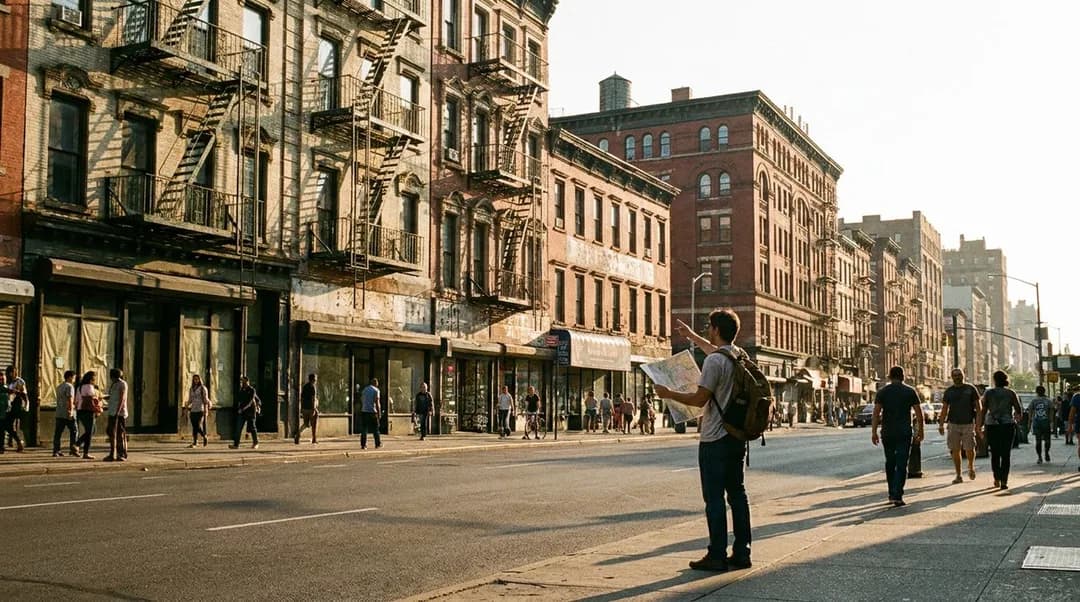
The entrance sits between a former restaurant supply shop and what used to be a flophouse hotel. You'll walk past it twice before you notice the intercom button, which Caruso installed in 2019 after too many people knocked on neighboring doors. He buzzes you up Tuesdays through Fridays between 11 AM and 4 PM, though he's often there until seven if you text ahead. The stairwell smells like old radiator paint and something else—leather tannins that have seeped into the walls over thirty-four years. When you reach the landing, wait. He's usually mid-stitch and won't answer immediately.
Leather That Speaks in Decades
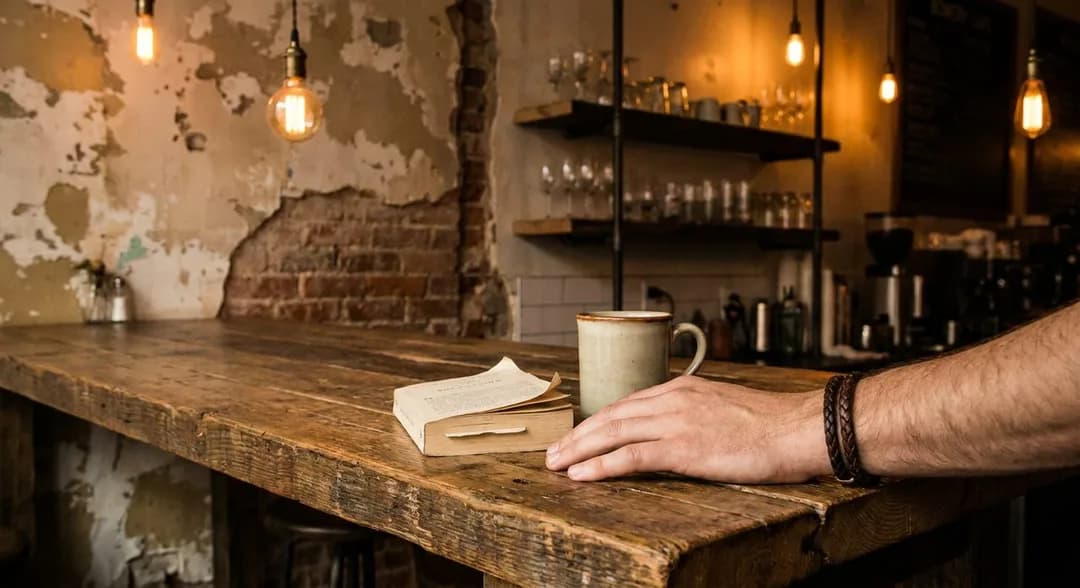
Caruso keeps no labels on his leather stock. He stores it in flat wooden drawers he built himself, arranged by what he calls "temperature"—not color, not thickness. Pick up a piece and he'll tell you it's 1960s Nigerian goat or 1980s Italian calf without looking. The smell test happens fast: he brings it close to his nose, inhales once, sets it down. He's correct about the decade roughly ninety percent of the time, which he knows because clients sometimes bring provenance documents. The other ten percent he blames on modern tanning shortcuts that confuse the nose. Watch him select leather for a repair and you'll see him close his eyes, run his thumb across the grain, then pull from a drawer you'd never have chosen.
The Measuring Tape He Never Uses
His workbench holds bone folders, awls, needles in seven sizes, linen thread he waxes himself every morning. What it doesn't hold: rulers, measuring tape, or any kind of marked guide. Caruso stitches bindings by counting in his head and feeling tension in the thread. He learned this from his grandfather in Palermo, who was blind in one eye and refused to rely on sight for symmetry. You can watch him stitch a full leather binding—sixteen signatures, thirty-two holes—without marking a single guideline. The holes end up perfectly spaced. When you ask how, he shrugs and says his fingers know the rhythm. He charges $340 for a full rebind on an octavo, $480 for anything larger, and he won't quote you over email.
What He Won't Repair
Caruso turns down about forty percent of the work that comes through his door. He won't touch book-shaped objects that were never properly bound—those photo albums from chain stores, spiral-bound notebooks someone wants "upgraded," anything involving hot glue. He also refuses books he calls "too honest"—volumes that have been read so thoroughly their looseness is part of their story. A woman once brought him a copy of Leaves of Grass that had been in her family since 1892, spine completely detached, pages loose. He handed it back and told her some books should fall apart. She cried. He didn't change his mind. If you bring him something genuinely rare, he'll send you to a conservation specialist in midtown. His specialty is books that people actually use—cookbooks, prayer books, field guides, journals.
The Appointment System That Isn't
You can't book Caruso through any platform. His website is a single page with an email address and a phone number that goes to voicemail. He responds to emails on Sunday evenings, usually around 9 PM, and his replies are three sentences maximum. First-time clients need a referral—not formal, just mention who sent you. He asks this to filter out people who found him through wedding blogs looking for "vintage vibes" for their guest book. If you pass that test, he'll give you a day and a two-hour window. Show up in that window. He doesn't reschedule. The exception is if you're bringing him something genuinely unusual—he once had someone text him a photo of an 1840s ledger from a Catskills tannery, and he told them to come immediately, Sunday be damned.
The Smell of His Workshop at 2 PM
By mid-afternoon, the space smells like a combination of leather, beeswax, and the specific mustiness of old paper—not mildew, but the scent of lignin breaking down in pre-1850s rag paper. He keeps two windows open year-round, even in January, because he says closed air makes his nose lazy. There's also coffee, always. He drinks it black from a dented aluminum moka pot that sits on a hot plate near his bindery press. The press itself is a cast-iron standing press from the 1890s, which he bought from an estate sale in Red Hook for $200 because no one else wanted to move it. It weighs 340 pounds. He had it hauled up the stairs by three guys from a moving company who he still uses for large furniture jobs.
Practical Notes
Joseph Caruso's bindery operates Tuesday through Friday, 11 AM to 4 PM, by appointment only. Email through his website or call and leave a detailed voicemail—he checks messages Sunday evenings. First visits require a referral name. The nearest subway is Bowery station (J/Z), exit at Delancey and walk south three blocks. Street parking is impossible; use the lot on Chrystie Street. Expect a minimum $180 for consultation and minor repairs, $340+ for full rebinding work. Turnaround ranges from three weeks to four months depending on his queue. Cash or check only—he has no card reader and says he won't get one. Bring your book in a bag or box; he judges people who carry rare editions unwrapped on the subway.
Tags: #BookbindingNYC #BowerySecrets #TheOddEdit #HiddenWorkshops #TraditionalCrafts #LowerManhattan #NYCInsiders #ArtisanNewYork #BookRepair #ManualCraftsmanship #OldWorldSkills #BoweryHistory #NYCCrafts #SecretNYC #KarposFinds
Sources consulted: atlasobscura.com · timeout.com · nytimes.com
All trademarks are the property of their respective owners.
Ask Karpo for more information.
Keep reading
- WORD Bookstore in Greenpoint Remains a Community-Focused Indie Bookstore Near Me
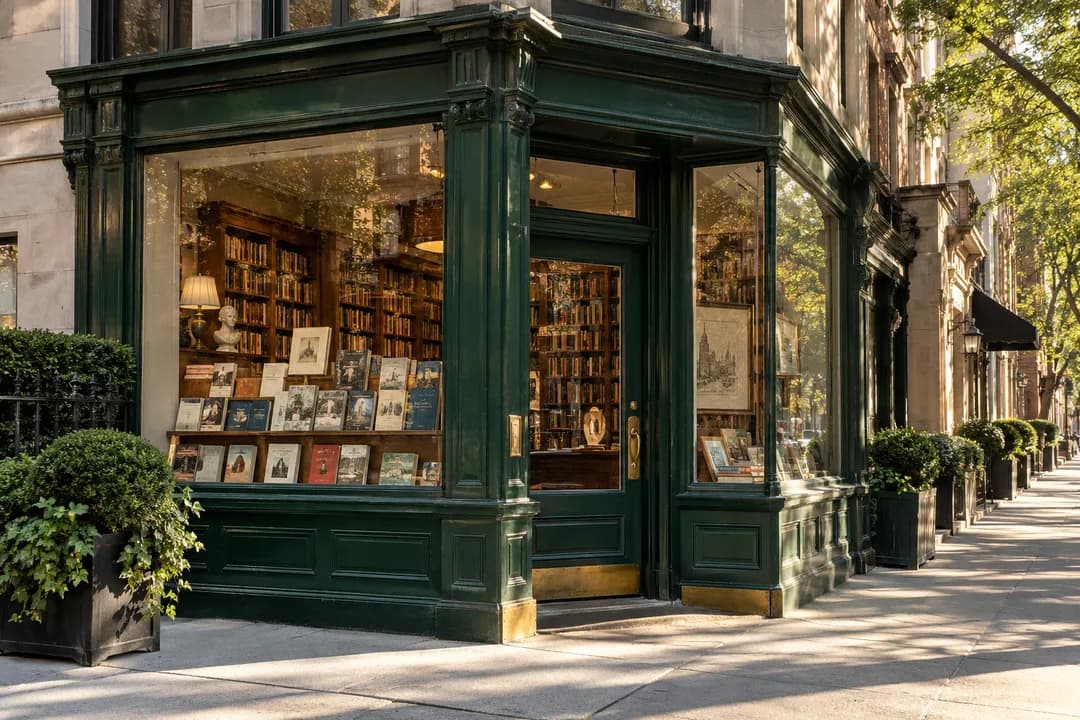 The Corner Bookstore on Madison Avenue Is Carnegie Hill's Indie Bookstore Near Me
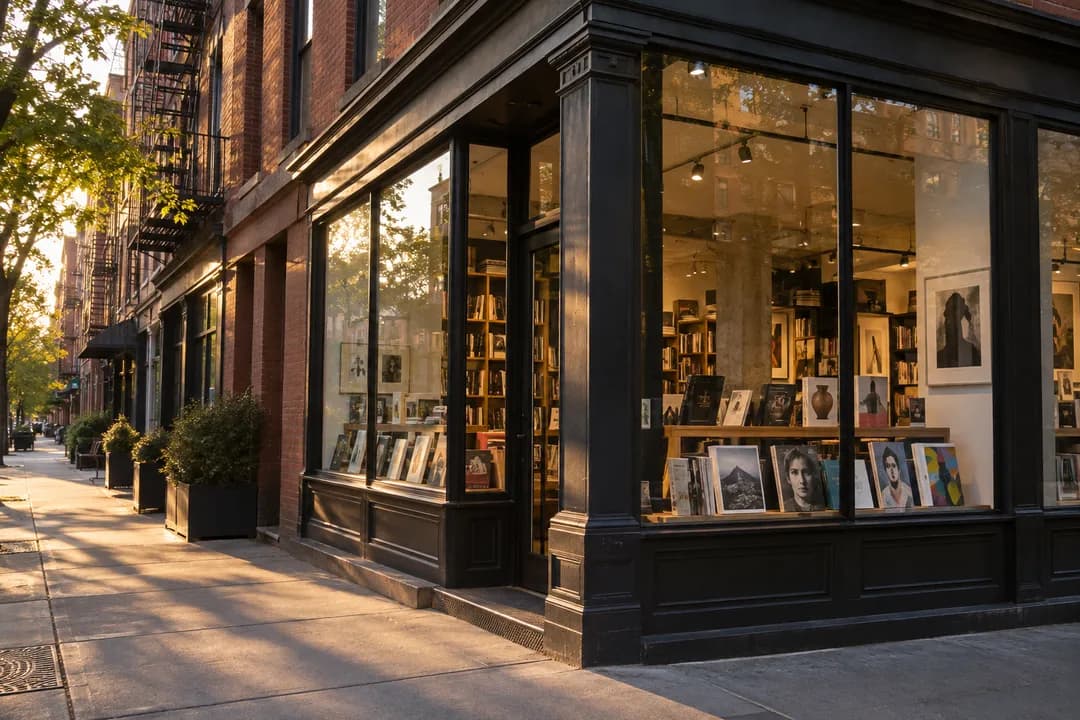 192 Books in Chelsea Brings Art and Fiction to Indie Bookstore Near Me