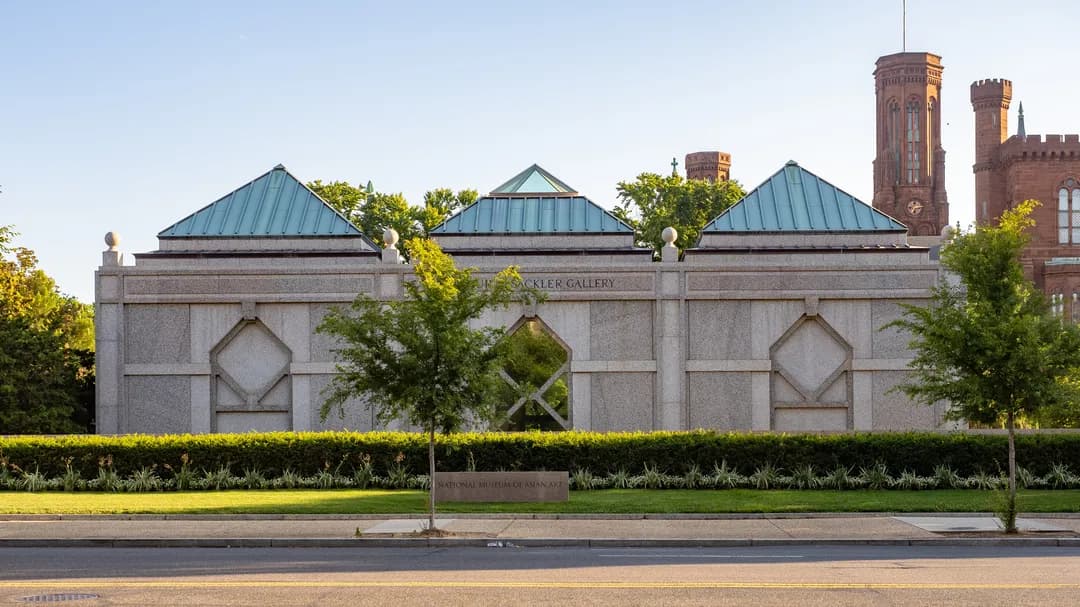
National Arboretum: The Pine That Survived Hiroshima and the Capitol's Columns
One free garden holds the Japanese white pine in training since 1625 that came through Hiroshima, and the sandstone columns that stood on the Capitol until 1958, a quarter mile apart.
Bonsai Museum to Capitol Columns
🌲 The Pine That Outlived the Bomb
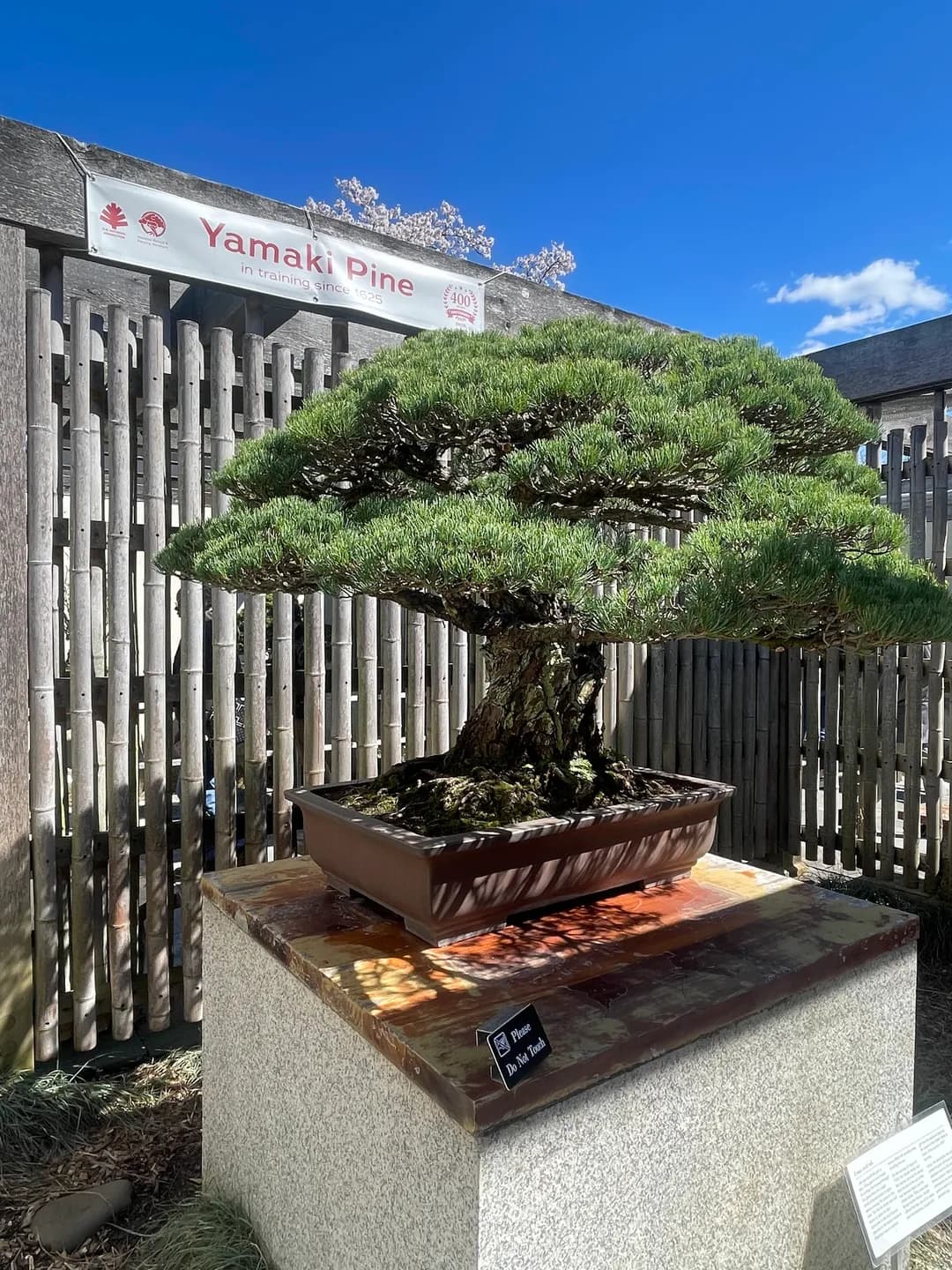
The Yamaki Pine lives in the museum's Japanese Pavilion and has been in training since 1625, which makes it older than the country around it. The bomb dropped on Hiroshima in 1945 went off less than two miles from the family nursery, and the bonsai survived behind a tall wall of the garden. Masaru Yamaki gave it to the United States in 1976. From November the Japanese Pavilion closes for the season and selections from all three pavilions go on display in the Chinese Pavilion, so ask where the pine is sitting before you count on it.


🏛️ A Quarter Mile to the Columns
A path drops from the museum through the grounds to the Ellipse Meadow, a quarter mile and five to ten minutes on foot, where the columns stand on a natural knoll. They were sited in the Capitol's East Portico in 1828 and stayed until the east front was extended in 1958, and the move here came in the 1980s. They rest on a foundation built from the Capitol's own old stone steps. One capital sits on the grass for a close look at the acanthus carving, and a reflecting pool runs along the front.

🚶 Put Both Stops in One Afternoon
Both stops sit inside one free garden. Start at 10 AM when the museum opens, then cross the meadow to the columns. The R Street gate stays open until 4:30 PM and the grounds close at 5 PM, with last entry half an hour earlier, and the New York Avenue gate shuts at 2 PM on weekdays. The museum closes on federal holidays from November through February. Metro riders take the C41 bus from Stadium-Armory and walk two blocks down R Street.