 Where to Eat Near Penn Station That Isn't a Chain
US Open 2026
Zay Flowers Ravens Fans Portable Phone Charging US Open Queens
A Queens-first US Open planning guide for keeping your phone charged while you ride the 7, cross Flushing Meadows, and keep up with football clips between tennis sessions.
Zay Flowers is the kind of search phrase a Ravens fan might type with one thumb while standing on a crowded platform, refreshing highlights before heading into a long US Open day in Queens. The practical problem is not celebrity gossip or game-day drama. It is battery life. A tennis session at the 2026 US Open can turn into a full local itinerary: the 7 train, a walk through Flushing Meadows Corona Park, photos near the Unisphere, tennis scores, football clips, group texts, mobile tickets, maps, restaurant searches, and maybe a museum or cafe stop before the ride back. If your phone is doing all of that, charging needs to be part of the plan, not an afterthought.
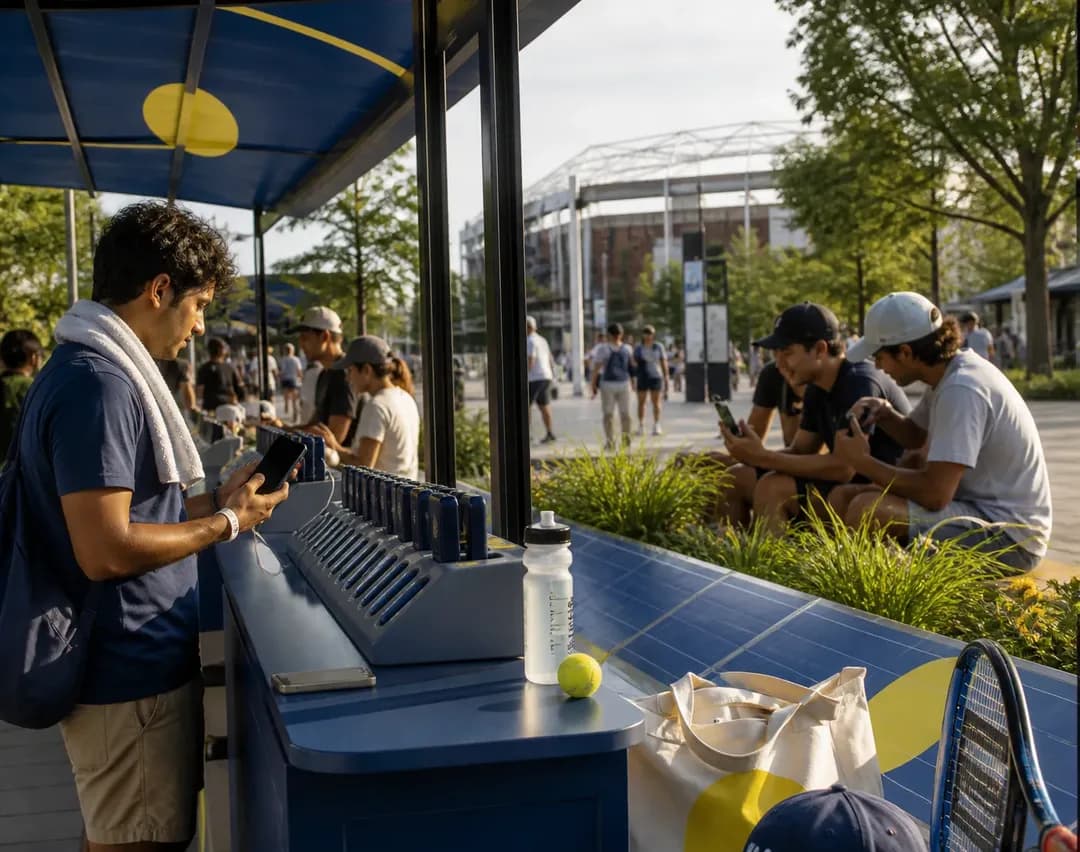
Text Karpo with your US Open session time and Queens starting point, and we’ll turn this Battery pack rental stations and solar charging benches throughout Flushing Meadows for football fans streaming highlights during tennis rain delays into a practical local plan.
Start With The 2026 US Open Basics
Before building any Queens route, start with the official US Open event schedule and visitor guidance. The tournament site is the source to confirm session timing, grounds access rules, bag policy details, and what you can bring inside. Treat everything else, including social posts and map listings, as secondary. If you are planning around a day session, evening session, or a long gap between plans, the official schedule helps you understand how much phone use you are likely to need before, during, and after your time near the Billie Jean King National Tennis Center.
A phone-charging plan matters most on the days when your US Open visit is not just tennis. Maybe you are meeting friends from Astoria, tracking a group coming in from Long Island City, sending photos from Flushing Meadows, or watching football highlights while waiting out a pause in your day. The more your phone becomes your ticket, camera, wallet, map, and entertainment screen, the less you want to gamble on finding a convenient outlet.
Build A Battery Plan Before The 7 Train
The 7 train corridor is the backbone of many US Open trips, especially for visitors moving through Manhattan, Long Island City, Sunnyside, Woodside, Jackson Heights, Corona, and Flushing. The MTA’s official US Open guide should be your baseline for transit directions and station context. Once you know your route, think about your battery in stages: charged before you board, conserved while riding, topped up before entering the grounds if possible, and preserved for the ride home.
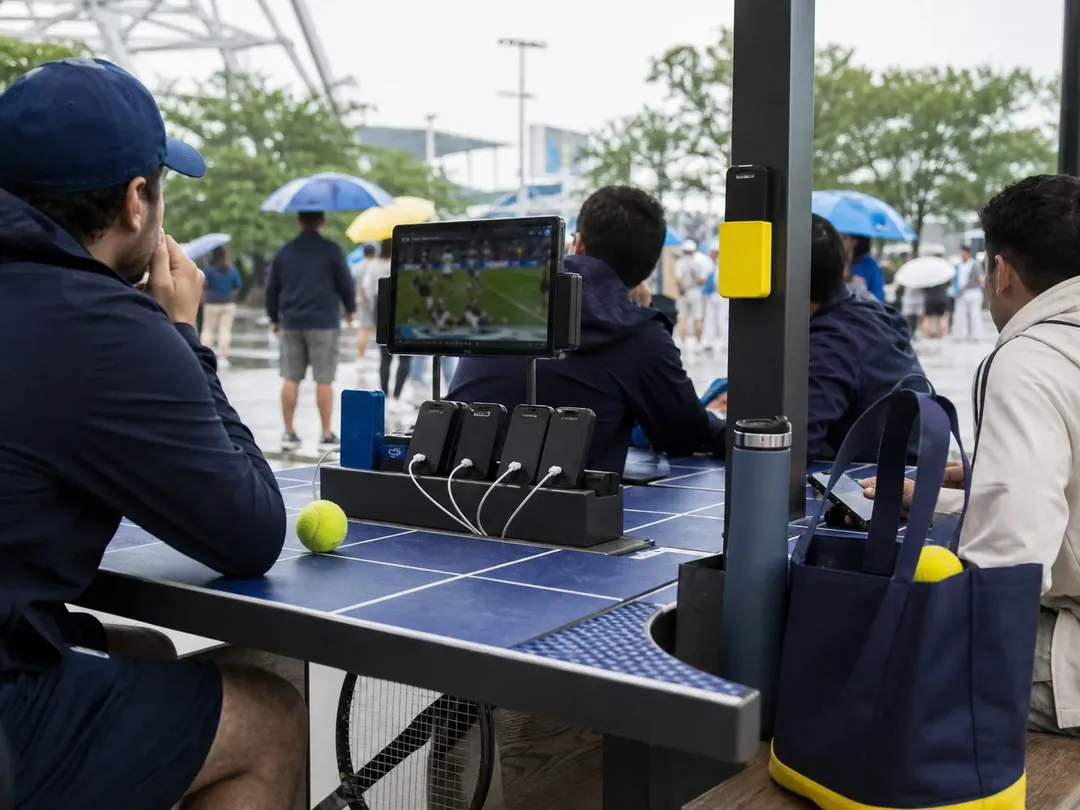
If you are streaming Zay Flowers or Ravens highlights, use that as the reminder to manage power. Download what you can on Wi-Fi before leaving a hotel, apartment, or cafe. Lower screen brightness during the ride. Keep mobile tickets, transit details, and meeting points easy to access. If you use a battery pack, make sure it is charged before you leave. If you plan to rent one, check the provider’s official app or posted information close to your visit, because rental station locations, fees, and availability can change.
Flushing Meadows Is Bigger Than It Feels
Flushing Meadows Corona Park is not a tiny venue-adjacent plaza. It is a major Queens park with museums, fields, paths, public art, and big walking distances depending on where you enter, where your group meets, and what else you want to do. NYC Parks is the official source for park context, and it is worth checking before you build a day around the grounds. If you are coming early, staying late, or adding a park walk, your phone will likely be in use for maps, photos, and coordination long before you reach your seat.
Solar charging benches, public charging points, and battery pack rental stations can be useful when available, but they should not be treated as promise infrastructure for a high-demand event day. The best plan is layered: arrive with a full phone, bring an approved portable charger if allowed under the current US Open rules, know where you might pause outside the venue, and keep backup meeting instructions in case someone’s phone dies. A simple “meet near this station exit” or “wait by this landmark” plan can save the group from a lot of stress.
Where To Pause Around Queens Without Overplanning
Queens works best when you leave room for real local life. Flushing can be a food stop before or after tennis. Corona can be a practical neighborhood pause. Jackson Heights is useful for groups coming from different train and bus directions. Long Island City can work well for hotel routines, waterfront walks, galleries, and a calmer reset before continuing deeper into Queens. Astoria can be a good pre- or post-session neighborhood if your group is staying nearby or wants a casual evening outside the US Open bubble.
Do not assume a cafe, bar, deli, bookstore, or museum will have open seating, outlets, bag storage, or the exact hours you remember from a previous trip. Check official business pages, museum sites, and current listings close to the visit. The goal is not to turn your day into a rigid spreadsheet. It is to know two or three realistic places where you can regroup, charge, eat, and decide what comes next without standing in the middle of a sidewalk with 8 percent battery.

Use Rain Delays As Planning Time, Not Panic Time
Tennis days can involve waiting, schedule checking, and a lot of refreshing, but you should avoid assuming any specific weather or delay pattern before your visit. The useful planning angle is simple: if your day includes extra waiting, your phone usage can spike. People start watching highlights, texting friends, checking match updates, scrolling maps, looking up food options, and comparing return routes. That is exactly when a battery pack or charging pause becomes more valuable.
For football fans, the temptation is obvious. A short Ravens clip becomes another clip, then a group chat, then a search, then a replay. If Zay Flowers is the hook that gets you thinking about your phone habits, use it practically. Decide when you will stream and when you will save power. Keep your most important travel details loaded. If you are with friends, assign one person to preserve battery for navigation and another for photos or updates. It sounds basic, but it works.
Pack Smart For The Venue Rules
The official US Open prohibited-items guide is the place to confirm what is allowed before you pack. Do not rely on old offline copies, forum posts, or someone else’s memory. Portable chargers are common travel items, but venue rules can be specific about bag size, electronics, containers, and other items. A smooth day starts with checking the current official rules before you leave, especially if you are bringing a larger bag, camera gear, food items, or anything that could slow down entry.
The same goes for transportation. The US Open transportation page and the MTA’s US Open guide should shape the route, especially if you are choosing between subway, rail, rideshare, walking, or a hotel shuttle. Build your charging plan around the official route you actually expect to use. A power bank at the bottom of a packed tote is less useful than a small, accessible setup you can use while waiting outside or moving between stops.
Practical Notes For A Charged Queens Day
- Charge your phone and portable battery before leaving your hotel, apartment, or first cafe stop.
- Check the official US Open schedule, A-Z guide, transportation page, and prohibited-items guide close to your visit.
- Use the MTA’s official US Open guide for transit context along the 7 train corridor.
- Do not depend on any single public charger, rental station, bench, outlet, or business being available.
- Set a low-battery meeting plan with your group before you enter crowded areas.
- If you plan to visit museums, parks, cafes, bars, bookstores, or galleries, confirm current hours and policies through official sources.
- Save offline copies or offline notes for key route details, but confirm live transit conditions before departure.
Make The Phone Part Of The Itinerary
The best US Open day in Queens is not only about getting through the gate. It is about how the whole day moves. Maybe you start in Long Island City, ride the 7 through Jackson Heights and Corona, walk through Flushing Meadows, catch your tennis session, check football highlights during downtime, grab food in Flushing, and head back with enough battery to navigate the last leg. That is a real local-life itinerary, and it needs a phone that lasts.
Karpo can turn that into a practical plan without pretending to know things that need to be checked live. The right version depends on your session time, starting point, group size, bag situation, food preferences, and how much you want to explore beyond the tennis grounds. Use official US Open, MTA, NYC Parks, museum, library, and business sources close to the visit, then let the plan stay flexible enough for Queens.
Tags: #USOpen2026 #Queens #FlushingMeadows #KarpoFinds #Karpo #zayflowers #NewYorkLocal #TennisTravel #NYCLocalLife #TennisTravel
Sources consulted: usopen.org — Official event schedule · usopen.org — Official visitor A-Z guide · usopen.org — Official transportation directions · usopen.org — Official prohibited-items guide · MTA — Official US Open transit guide · NYC Parks — Flushing Meadows Corona Park · NYC Department of Consumer and Worker Protection · Queens Public Library
All trademarks are the property of their respective owners.
Ask Karpo first
Want to know what is actually open, how to time the trip, and where to pause around Queens? Ask Karpo for the latest public US Open context, a respectful visitor plan, and a live route around Flushing Meadows before you head out.
Ask Karpo for more information.
Keep reading
- Where to Eat Near Penn Station That Isn't a Chain
 Andytown Coffee in the Outer Sunset: The Snowy Plover Explained
- Best Things to Do in Chicago: What the City Gives Away