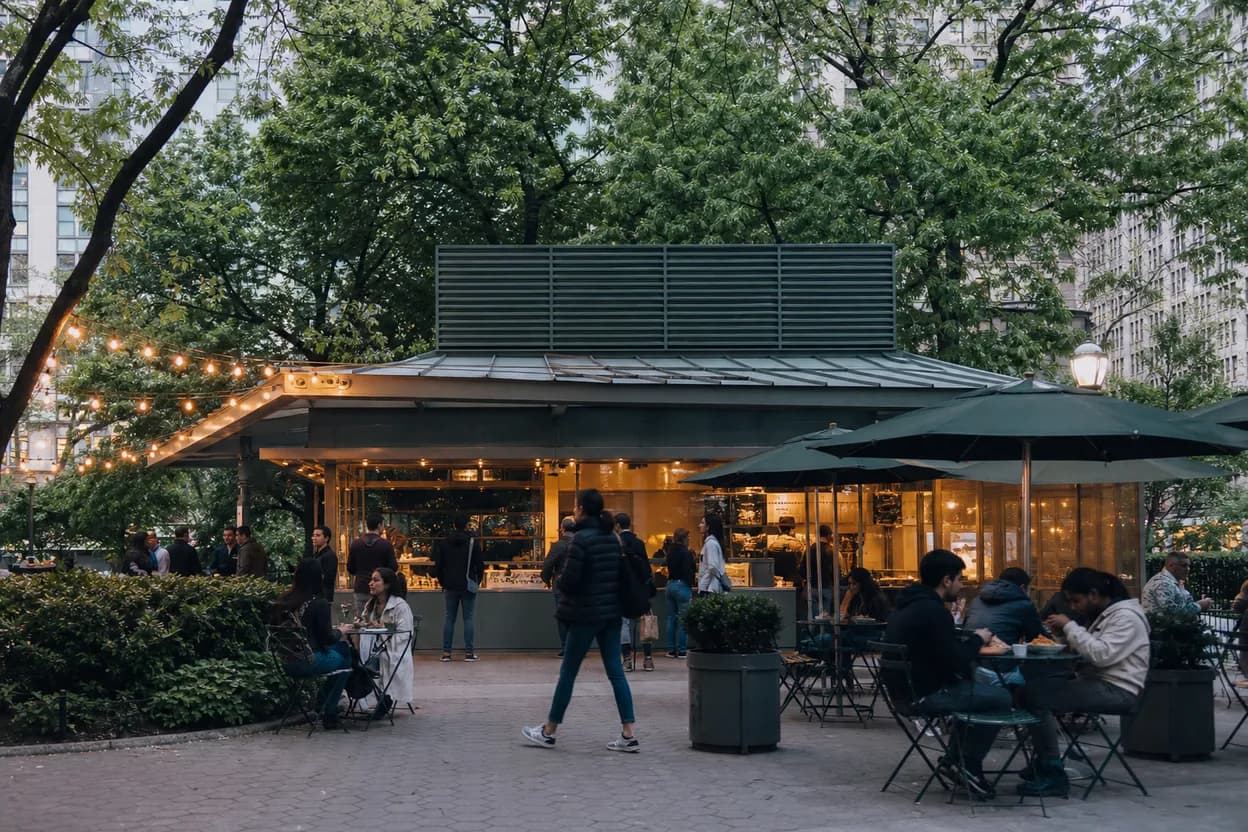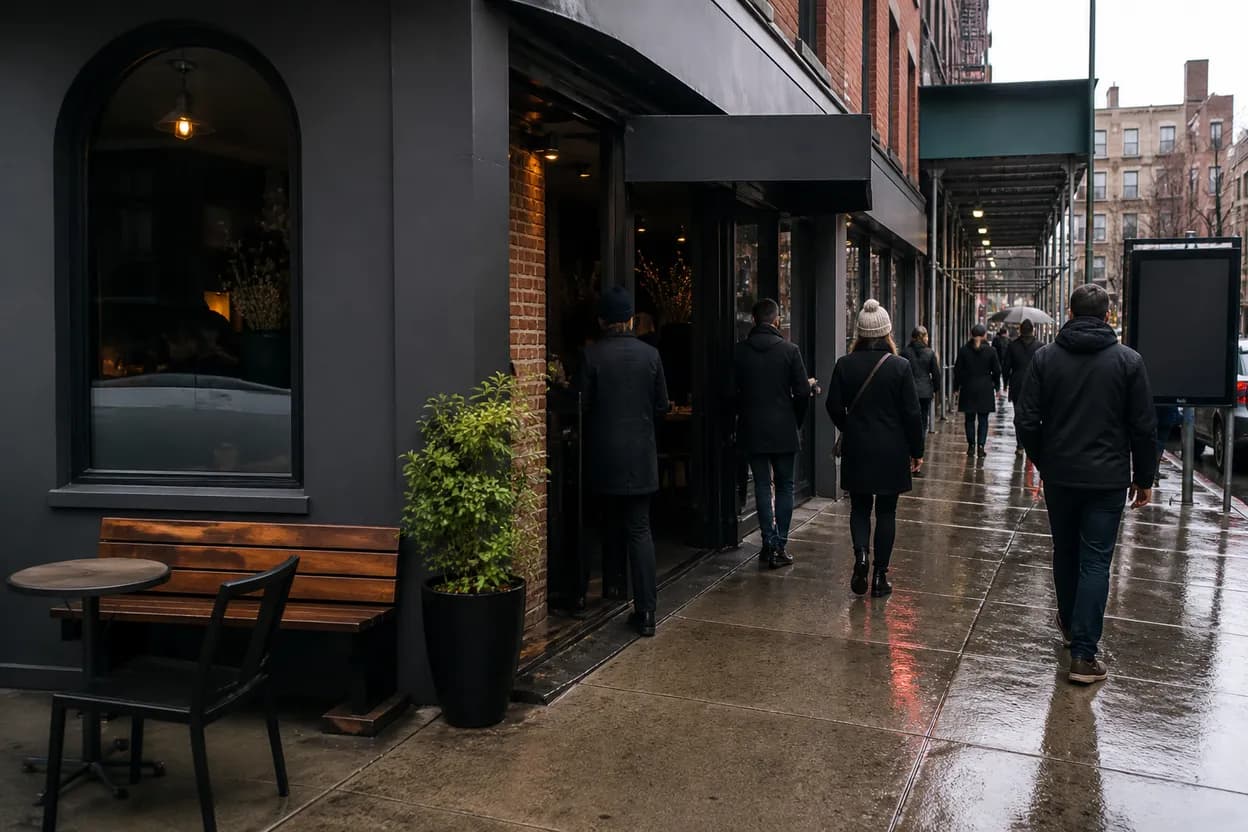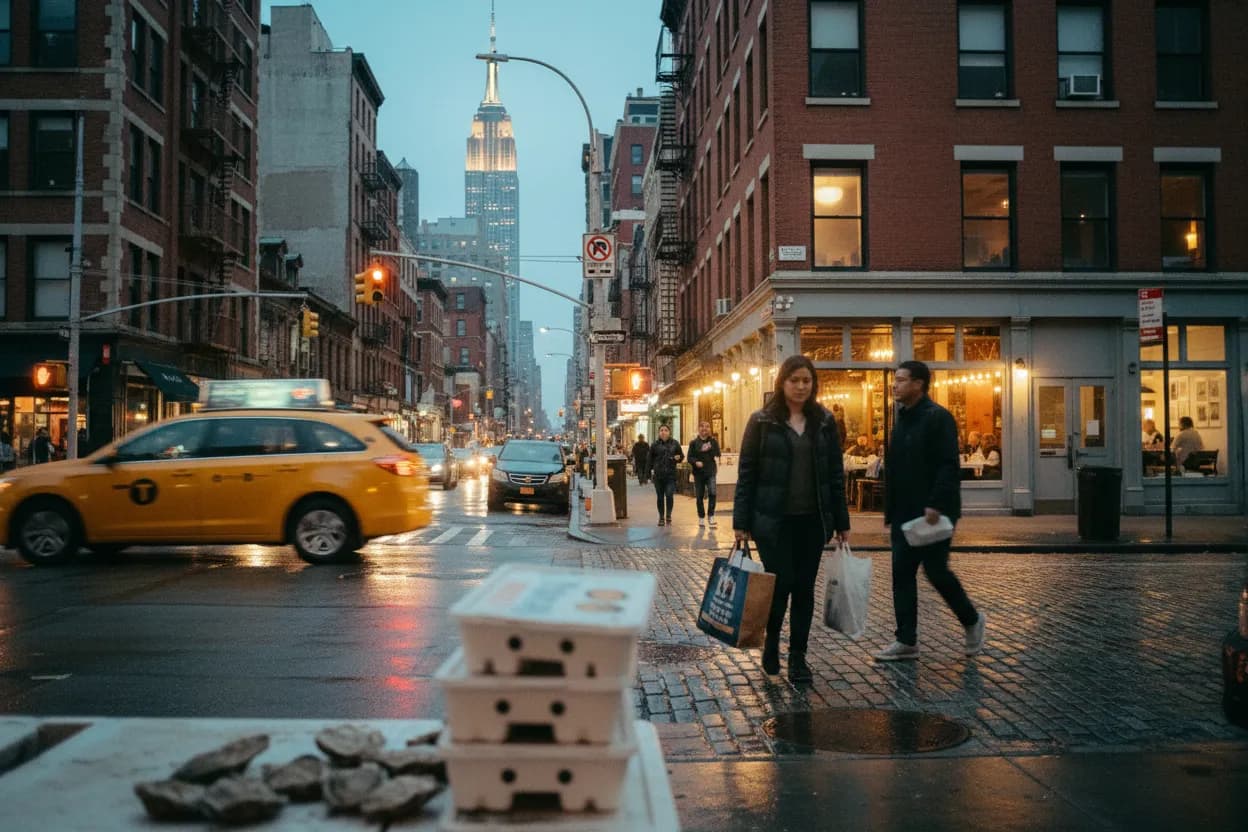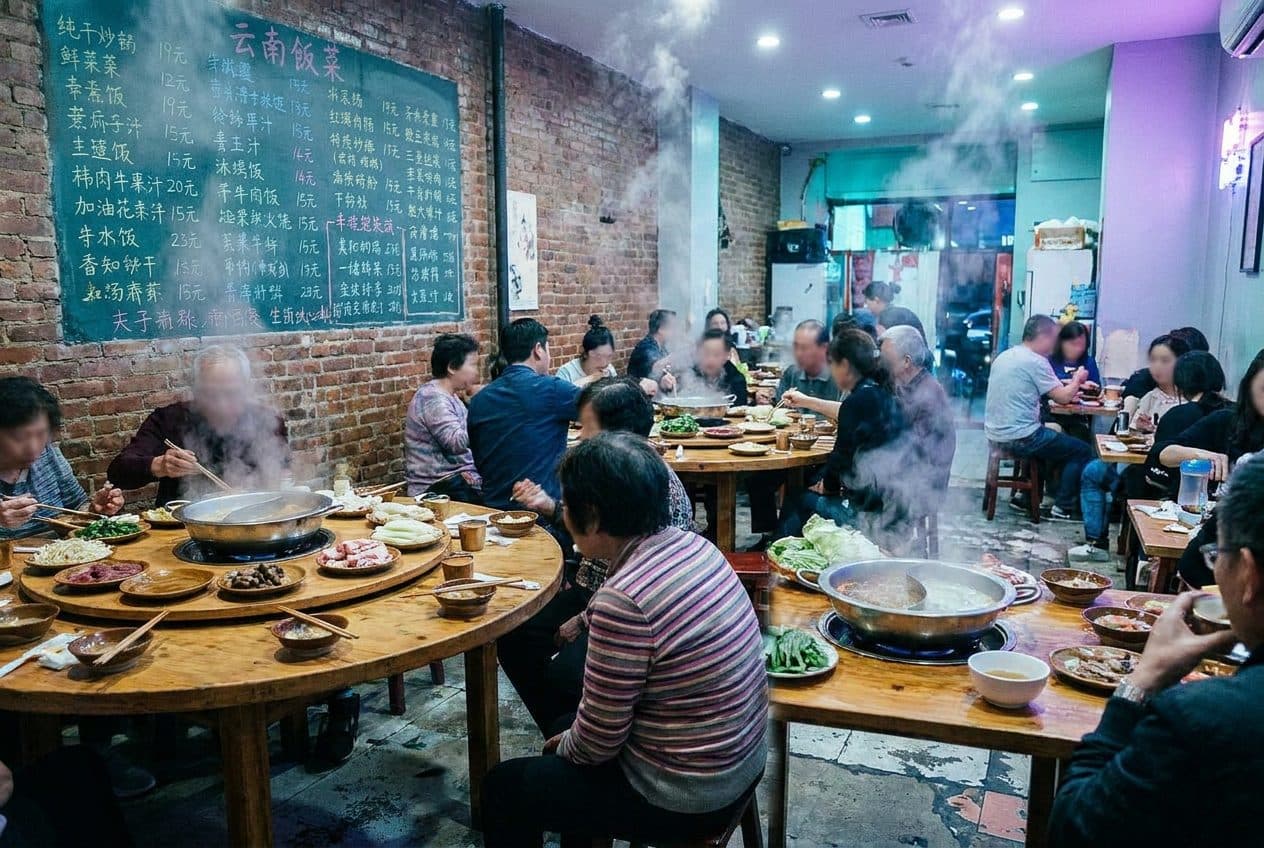
The corner storefront on Fifth Avenue doesn't announce itself with neon or English signage—just a modest awning and condensation fogging the windows from the inside out. Inside, steam rises from clay pots at nearly every table, and servers navigate the narrow aisles carrying wooden bridges laden with raw ingredients destined for simmering broths. This is one of Sunset Park's handful of Yunnanese restaurants, the kind of place where the menu runs to twenty pages and the regulars order entirely in dialect, pointing at handwritten characters on laminated sheets taped to the tiled walls.
The Bridge That Crosses to the Table
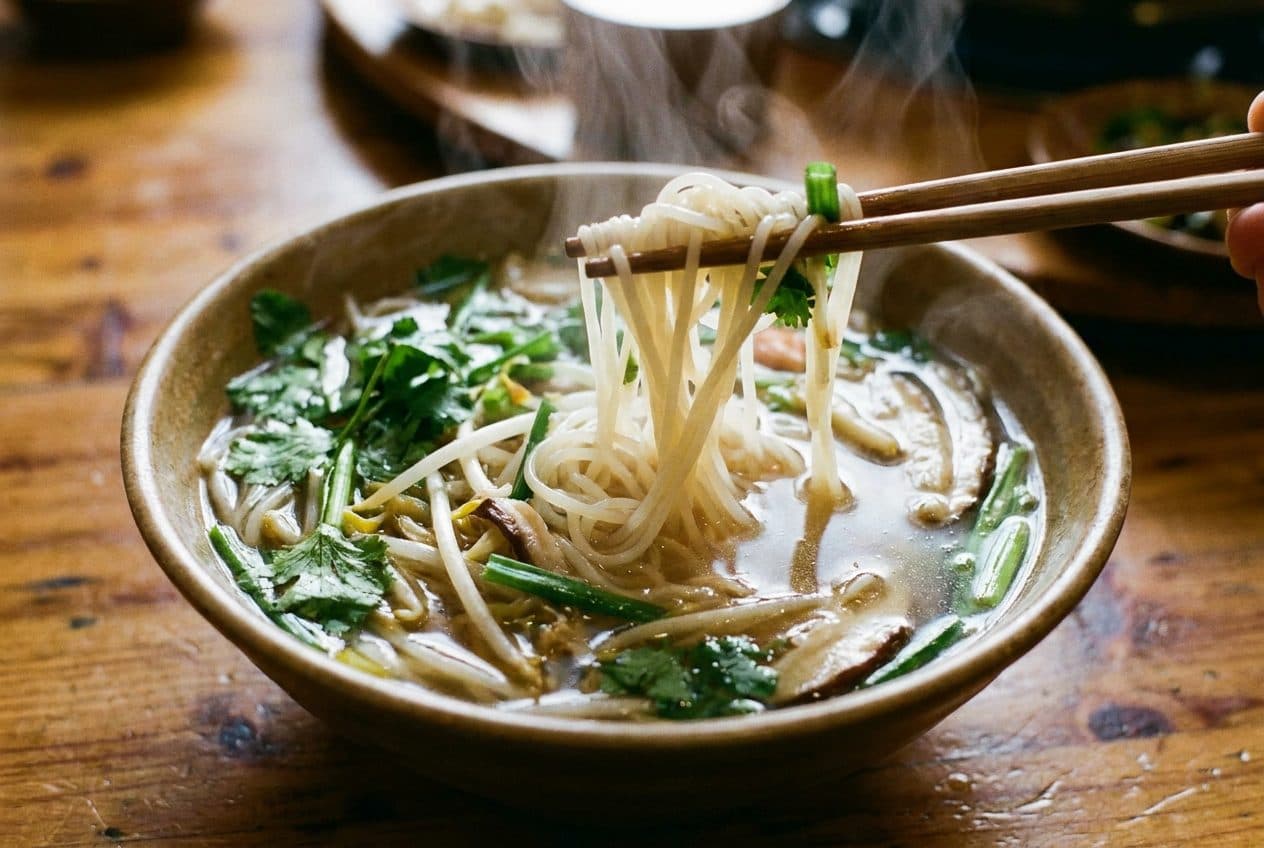
Crossing-the-bridge noodles arrive on a wooden tray designed to mimic the arched bridges of Yunnan province. The presentation is theater and function both: thin-sliced meats, quail eggs, vegetables, and a mound of rice noodles arranged in compartments, accompanied by a clay bowl of near-boiling chicken broth so hot it continues cooking everything added to it. The ritual is specific—proteins first, then vegetables, noodles last—and first-timers often glance at neighboring tables to confirm the sequence. The broth itself has been simmered for hours, a golden clarity that tastes of chicken bones and ginger, nothing muddied or rushed. Regulars know to ask for extra chili oil from the condiment station near the kitchen entrance, the kind with crispy bits settled at the bottom that turn the mild broth into something that clears sinuses.
The Wall Menu and What It Reveals
The laminated English menu covers the standards—rice noodles, stir-fries, a few hot pot options. The real catalog lives on sheets of paper affixed to the wall tiles near the back, updated with a ballpoint pen when ingredients come in or sell out. These handwritten menus list seasonal mushroom varieties, offal preparations, and regional specialties that don't translate neatly: erkuai rice cakes, mint-heavy salads, fermented vegetable sides. Families who've been coming for years scan the wall first, ordering in a mix of Mandarin and Yunnanese that the servers answer without missing a beat. The kitchen operates on two speeds—the quick-fire wok station for noodles and stir-fries, and the slower hot pot assembly where broths simmer in individual clay pots over portable burners. The divide is visible from certain seats: one cook working at high intensity, another methodically building layered flavors that will take twenty minutes to fully develop at the table.
The Hot Pot Rhythm
Hot pot here means individual clay pots, not the communal cauldrons of Sichuan or the electric burners of all-you-can-eat chains. Each pot arrives already bubbling, the broth chosen from a roster that includes mushroom, tomato, pickled vegetable, and a bone broth that's been the house specialty since the restaurant opened. The mushroom version comes loaded with shiitake, enoki, wood ear, and whatever seasonal varieties the owner sources from suppliers in Flushing. Diners add from there—thin-sliced lamb, fish balls, tofu skin, greens—ingredients brought out on small plates and dropped in as the meal progresses. The pace is slower than a plated dish, the table lingering over the pot as it reduces and intensifies. Couples and small groups dominate the hot pot orders, though solo diners occasionally claim a two-top and work through a pot methodically, reading or scrolling between additions. The rhythm of the room shifts with the hot pot tables—less turnover, more sustained presence, the kind of meal that stretches past an hour without anyone checking the time.
The Crowd and the Clock
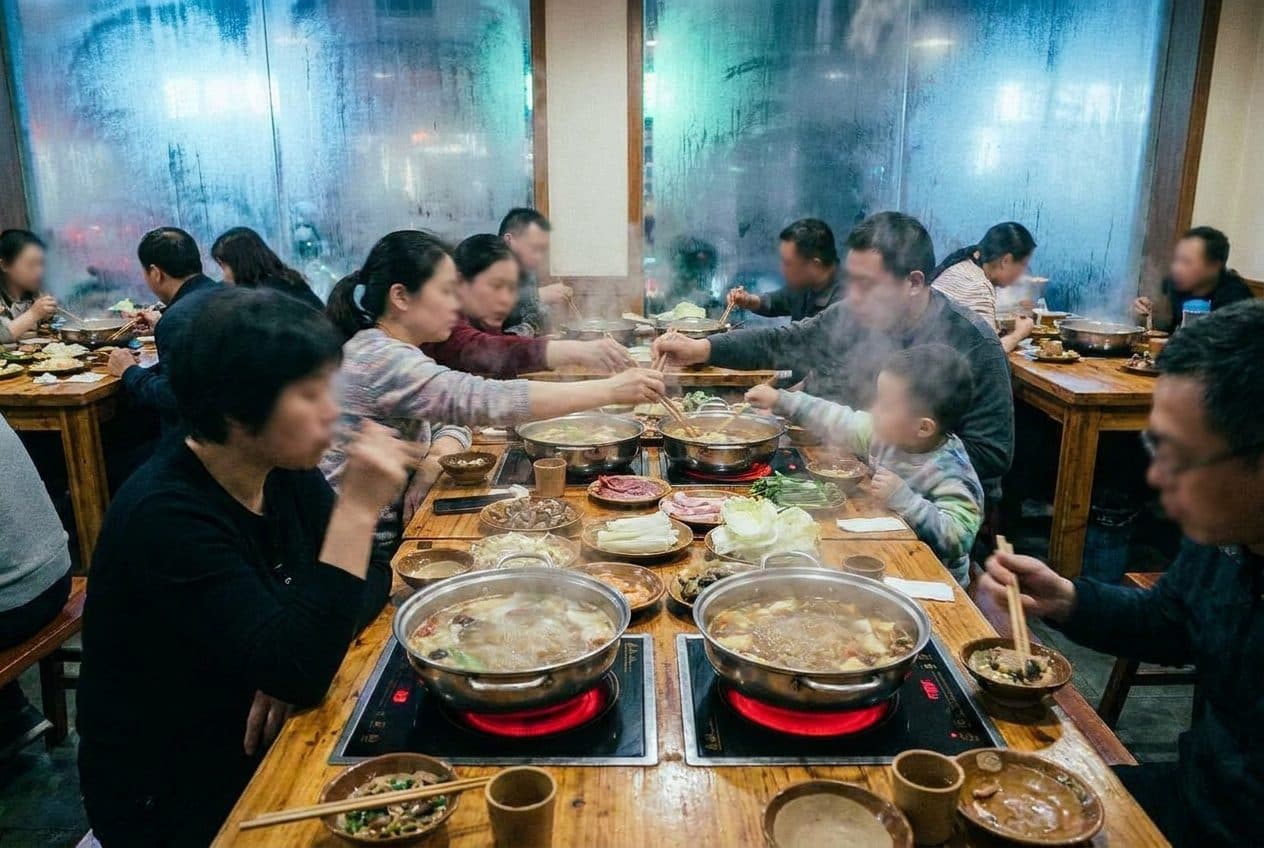
Lunch service skews to neighborhood workers—construction crews from nearby sites, hospital staff from the medical center a few blocks south, delivery drivers between routes. The midday rush is efficient, orders placed quickly, food arriving within ten minutes, tables cleared and reset before the next wave. Dinner brings families, often multi-generational groups where grandparents order and grandchildren negotiate for less-spicy versions. Weekend evenings see the restaurant near capacity, a wait for tables common after seven, though turnover is faster than the hot pot pace suggests because half the room is eating noodles or stir-fries that arrive and disappear in twenty minutes. Late-night traffic is sparse but consistent—kitchen workers from other restaurants, night-shift nurses, the occasional group spilling out of karaoke bars on Eighth Avenue looking for something warming and open past ten. The restaurant operates on Brooklyn hours, not Manhattan ones, closing when the last table finishes rather than adhering to a posted time.
The Details That Signal Insider Status
The condiment station near the kitchen holds more than soy sauce and vinegar. Regulars mix their own dipping sauces from a rotation that includes fermented tofu paste, sesame paste, cilantro, scallions, and three grades of chili oil. The combination is personal, adjusted by the dish—heavier on sesame for lamb, more vinegar for offal, cilantro by the handful for anything with mint. The restaurant doesn't announce this station or explain its use; newcomers either observe and adapt or stick with the table's default sauces. Another tell: ordering erkuai, the chewy rice cakes that are a Yunnan staple but rarely appear on English menus outside of specialist restaurants. They come stir-fried with vegetables and bits of cured pork, the texture somewhere between mochi and a dense pasta, and they're a marker of familiarity with the cuisine. The third insider move is timing—arriving just before the dinner rush, around five-thirty, when tables are still available and the kitchen is fully prepped but not yet slammed, the window when special requests or off-menu items are most likely to be accommodated.
Practical Notes
The restaurant sits on Fifth Avenue in the low 50s, a ten-minute walk from the Sunset Park subway station on the N, R, and W lines. The 36th Street station on the D, N, and R lines is closer for those approaching from the north. Hours run roughly from late morning through late evening, with the kitchen staying open as long as diners are seated—past eleven on busy nights, earlier on slow weekdays. No reservations, walk-in only, though waits are rare outside of weekend dinner hours. Prices trend toward the lower end of the neighborhood's dining spectrum, with noodle dishes and stir-fries in the single digits and hot pots climbing into the mid-range depending on add-ons. Cash is preferred, though cards are accepted. The dining room is small, maybe fifteen tables, and the acoustics are lively—conversations layer over each other, punctuated by the clatter of clay pots and the hiss of woks. Not a quiet meal, but the noise feels like proof of the room's vitality rather than a distraction from it.
The Thing That Lingers
What stays with visitors after the meal is the specificity—the sense that this restaurant is serving a particular regional cuisine to a particular community, and that outsiders are welcome to participate but not catered to. There's no dumbing down of flavors, no explanatory text on the menu about Yunnan's place in Chinese culinary geography, no fusion gestures toward broader appeal. The food is what it is, prepared the way it's been prepared, and the assumption is that diners either know what they're ordering or are willing to take a chance on something unfamiliar. That confidence, that refusal to apologize or over-explain, is part of what makes the meal feel like a discovery rather than a transaction. The steam rising from the hot pots, the bridge of ingredients crossing to the broth, the handwritten characters on the wall—these aren't staged for effect. They're the infrastructure of a working restaurant feeding its neighborhood, and the fact that the neighborhood includes both Yunnanese families and curious eaters from elsewhere only makes the room more interesting. The crossing-the-bridge noodles are named for a legend, but the real bridge is the one between a specific culinary tradition and whoever walks through the door hungry enough to meet it on its own terms.
Tags: #YunnaneseCuisine #SunsetParkEats #CrossingTheBridgeNoodles #HotPotNYC #BrooklynDining #FifthAvenueFood #AuthenticChinese #NeighborhoodGems #SteamAndSpice #RegionalChinese #CloudyKitchen #NYCNoodles #PullUpAChair #SunsetParkNYC #KarposFinds
Sources consulted: eater.com · timeout.com · infatuation.com
All trademarks are the property of their respective owners.
Ask Karpo first
Want to know how to order the hot pot like a regular and what those mushroom varieties actually are?
Ask Karpo for the translated ingredient list, hot pot ordering strategy, and which dishes the owner's family eats on their day off before you head out.