 Humanmade Woodworking Workshop: SOMA Tools And Classes Guide
Weekend Plans
Your San Francisco Weekend Plan: Dave and Busters Not to Miss
A Saturday that starts with arcade lights in the Embarcadero and stretches into Japantown after dark, built for fog and uneven transit.
San Francisco weekend planning means accounting for microclimates, early kitchen closures, and the fact that a venue on the waterfront can be fifteen degrees colder than one six blocks inland. A day built around Dave and Busters—the Embarcadero location sits between Piers 1 and 3, near the Ferry Building—gives you a solid indoor anchor when the fog rolls in thick around three in the afternoon. The arcade and sports bar format solves the problem of what to do when you want noise, games, and food under one roof, without hopping between neighborhoods on unreliable weekend Muni.
Karpo checks which Muni lines are running smoothly right now, finds you a backup dinner spot if the arcade wait runs long, and routes you home before the late-night gaps hit. Text it before you leave.
Why this particular Saturday rhythm works here
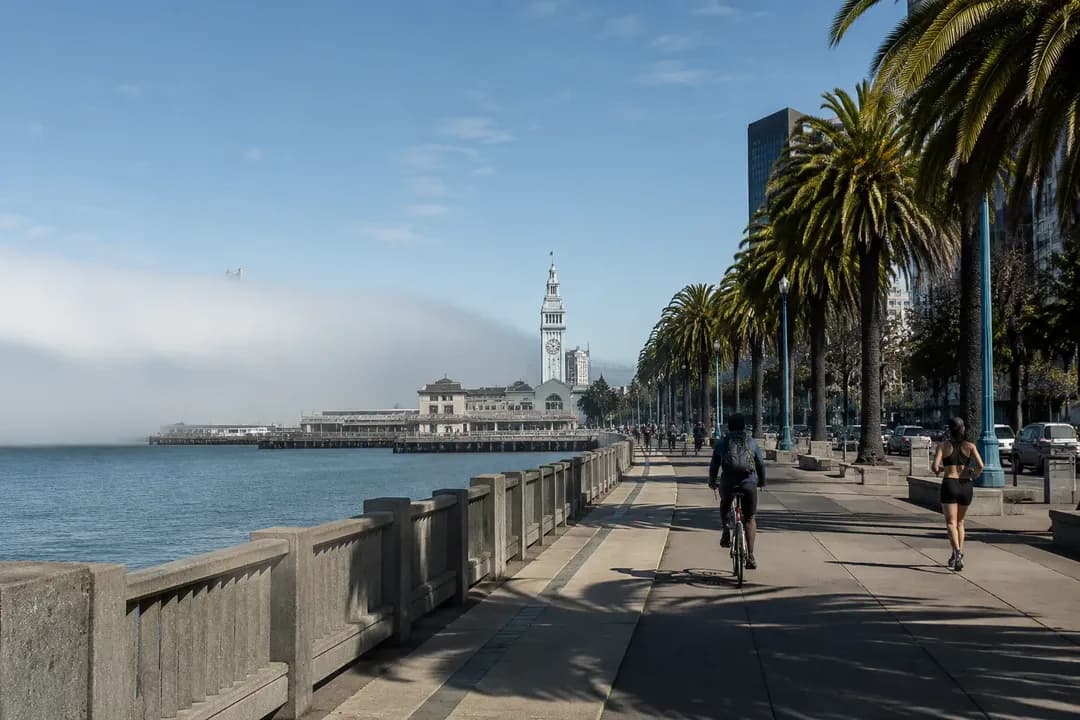
The Embarcadero stretch has changed shape over the past decade. Where shipping infrastructure once dominated, you now find long pedestrian promenades, popup food markets on weekends, and a steady stream of tourists mixing with locals who live south of Market or in Dogpatch. Dave and Busters fits into that shift—it's a chain, yes, but it offers a predictable experience when the rest of your day might be subject to weather or transit delays. You can kill two hours shooting hoops and playing skeeball, then decide your next move based on how the wind feels when you step back outside.
This plan leans into Japantown as the evening anchor, a neighborhood that stays lively after dark and offers dense, walkable options for dinner, dessert, and a quieter bar if you want one. The distance between the Embarcadero and Japantown is manageable by bus or rideshare, and the shift from waterfront to residential mid-city feels deliberate rather than random. You're not bouncing around trying to catch a vibe—you're moving through two distinct textures of the city in a way that respects how San Francisco actually flows on a Saturday.
Starting at the waterfront with arcade intention
Arrive at Dave and Busters mid-afternoon, ideally between two and four, when the lunch rush has cleared and the evening sports crowd hasn't yet claimed every booth. The Embarcadero location is accessible via the F-line streetcar, which runs along Market and then follows the waterfront, or the 2 or 6 bus if you're coming from the Richmond or the Sunset. If you're driving, the pier garages fill up on weekends, so budget extra time or use the Embarcadero Center parking structure and walk south along the water.
Inside, the lighting shifts from the gray-blue fog outside to saturated reds and purples bouncing off screens and game cabinets. The noise level is high but not overwhelming—conversation is still possible if you stay near the bar rather than deep in the arcade pit. Load a game card with enough credits to try a variety of machines; the basketball shootout and the racing simulators tend to have the shortest wait times in the early afternoon. If you're here with someone competitive, the head-to-head games near the back wall—air hockey, pop-a-shot, the giant Connect Four—give you something to focus on without needing to talk over the ambient din.
The food here is standard American bar fare: wings, burgers, flatbreads. It's engineered for sharing and for soaking up beer, and it does that job without pretense. Order a round of soft pretzels or loaded fries while you play, and save a heavier meal for later in Japantown. The bar itself has a dozen beers on tap, including a few local options, and the bartenders will make you a decent margarita if you ask. The point is not culinary discovery—it's having a reliable, warm, loud place to spend two or three hours when the city outside is windy and uncertain.
Before you leave, check the time and the transit app. The 38 Geary bus runs frequently and will take you west toward Japantown, but weekend schedules can slip, especially after five. If the wait looks longer than fifteen minutes, a rideshare is worth it—you'll save twenty minutes and arrive in Japantown with energy left for dinner.
The shift into Japantown after dark
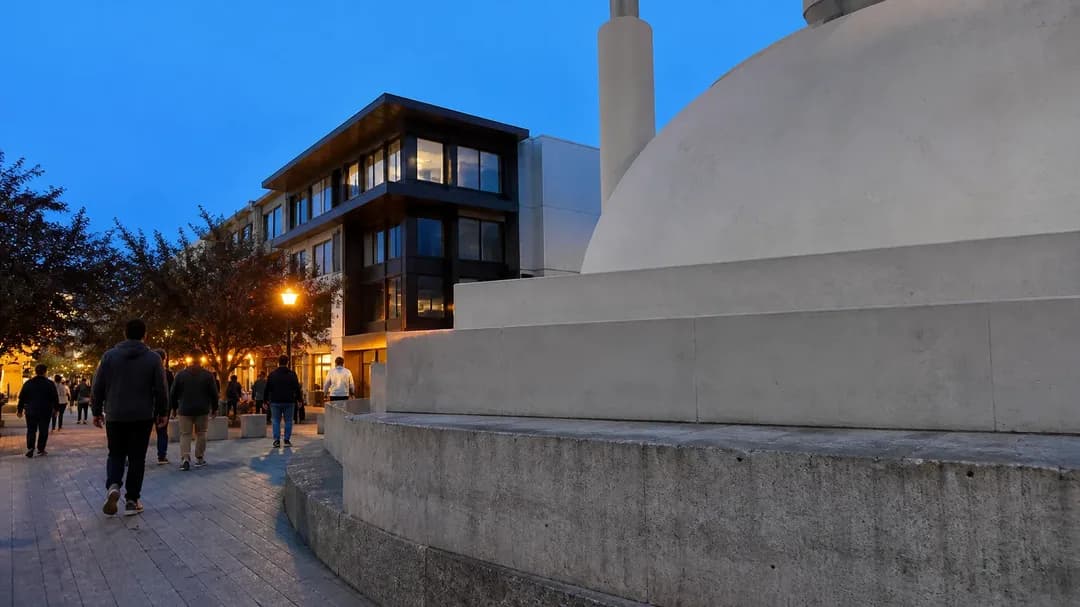
Japantown, centered on the Japan Center mall and Post Street between Fillmore and Laguna, condenses a lot of activity into a few walkable blocks. By early evening, the ramen shops have lines, the karaoke bars are warming up, and Benkyodo Company still has trays of fresh manju and strawberry mochi in the case. The Peace Pagoda, a five-tier concrete structure gifted by Osaka in 1968, anchors the plaza and offers a quiet visual break if you need one.
For dinner, Marufuku Ramen on Post Street serves a clean, chicken-based broth that's lighter than the heavy tonkotsu you'll find elsewhere. The line moves steadily, and the space is small, so expect to wait ten or fifteen minutes on a Saturday night. If ramen doesn't appeal, Daeho on Geary Boulevard does Korean barbecue and kalguksu in a bright, casual dining room. The neighborhood also has several izakayas if you want small plates and sake, though most fill up by seven.
After dinner, walk the interior corridors of Japan Center. The mall itself is dated—built in the 1960s and showing its age—but the mix of bookstores, tea shops, and small stalls selling ceramics and stationery gives you something to browse without pressure. Kinokuniya, the bookstore on the second floor, has a solid selection of English-language graphic novels and design books alongside Japanese magazines. The daifuku from Benkyodo is worth picking up for later; the red bean filling is smooth and not too sweet.
If you want a drink, the Hotel Kabuki bar, just off the main plaza, is quieter than the karaoke spots and has a short, well-made cocktail menu. The space is dim, with low seating and a subdued soundtrack. It's a place to decompress rather than to keep the energy high. Alternatively, the New People cinema sometimes screens Japanese films or anime with English subtitles; check their schedule ahead of time if that interests you.
What to do if the original plan stalls
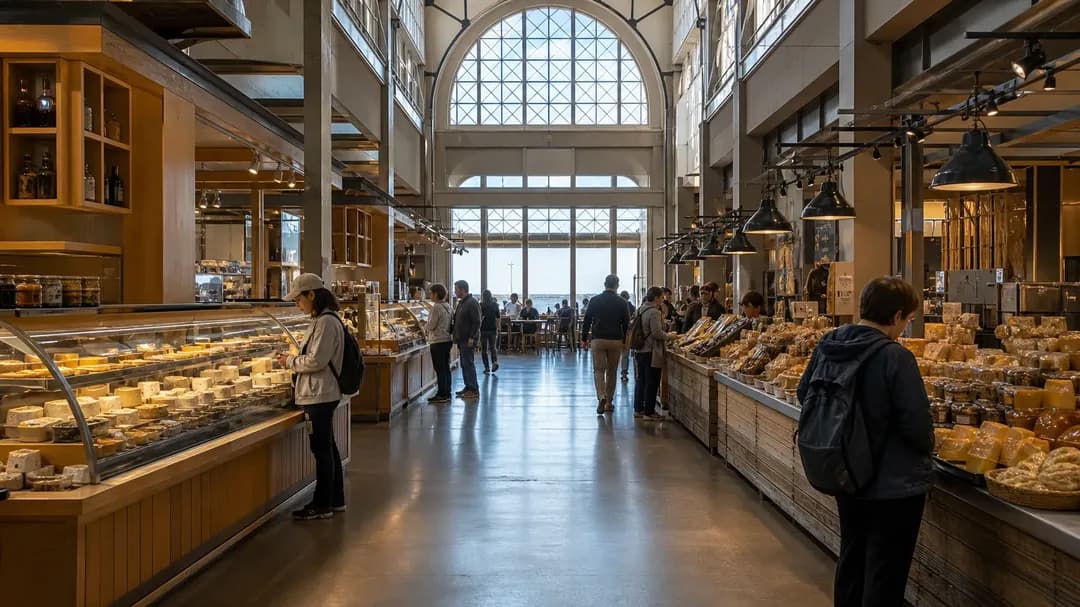
If Dave and Busters is packed or the wait for a game card feels too long, the Embarcadero offers other options within a short walk. The Exploratorium, at Pier 15, is open until five on Saturdays and offers hands-on science exhibits in a bright, bay-facing building. It's quieter than the arcade and appeals to a different mood, but it's still indoors and engaging. The Ferry Building Marketplace, a few piers north, has cheese counters, oyster bars, and artisan chocolate if you want to graze instead of committing to a full meal.
If Japantown dinner lines are longer than you're willing to wait, the Fillmore corridor just north of Geary has several good backup options. State Bird Provisions and The Progress are both on Fillmore between Eddy and O'Farrell, though they often require reservations. For walk-in availability, try the taco spot or the Thai restaurant on the same block—both are reliable and less crowded than the ramen shops.
Weather can shift your timeline. If the fog lifts and the evening turns warm, consider walking from Japantown west into the Lower Pacific Heights residential blocks. The streets between Fillmore and Divisadero have quiet cafes, wine bars, and ice cream shops that stay open later. Alta Plaza Park, a steep, terraced green space at Clay and Steiner, offers views north toward the bay and is worth the climb if you have the energy. The western steps are less crowded than the southern side.
Checks to make the morning of
Confirm that Dave and Busters is open and operating normal hours; holiday weekends and private events occasionally close sections of the arcade. Check Muni alerts for the F-line and the 38 Geary—weekend service interruptions are common, and knowing ahead of time lets you budget rideshare costs if necessary. Japantown restaurants don't always take reservations, but calling ahead to ask about wait times can save you from standing outside in the wind for thirty minutes.
Pack a light jacket even if the forecast looks mild. The Embarcadero waterfront is consistently colder than inland neighborhoods, and the wind off the bay picks up in the late afternoon. If you're planning to walk between venues, wear comfortable shoes; San Francisco sidewalks are uneven, and the hills between Japantown and Pacific Heights are steeper than they look on a map.
Check the last Muni times if you're planning to rely on transit to get home. The 38 Geary runs late, but the frequency drops after ten, and the F-line stops running earlier than you'd expect. Have a rideshare app loaded and a backup plan for getting back to your neighborhood if you're staying out past eleven. Japantown itself is safe and well-lit, but the walk east toward the Tenderloin can feel less comfortable after dark if you're unfamiliar with the area.
Practical notes
- Embarcadero parking fills early on weekends; Embarcadero Center garage is more reliable than pier lots.
- Dave and Busters game cards load in increments; $30 covers two hours of casual play for two people.
- The 38 Geary runs frequently but slows after 8 p.m.; budget 25 minutes from Embarcadero to Japantown.
- Japantown ramen lines peak between 6:30 and 8:30; arrive before 6 or after 9 for shorter waits.
- Benkyodo closes at 5 p.m. on weekends; stop by before dinner if you want fresh mochi.
- Bring a jacket for the waterfront; the temperature can drop 15 degrees between Embarcadero and Japantown.
Tags: #karpo #sanfrancisco #sfweekend #daveandbusters #embarcadero #japantown #weekendplans #sfmuni #ferrybuildingsf #peacepagoda #marufukuramen #sfarcade #sffog #fillmore #exploratorium
All trademarks are the property of their respective owners.
Ask Karpo first
Text Karpo before you head out to check current Muni delays on the F-line and 38 Geary, and to confirm Dave and Busters hours for the day. It can also pull live wait estimates for Japantown restaurants and route you home once you know where your evening ends, adjusting for the actual transit schedule rather than the printed one.
Ask Karpo for more information.
Keep reading
- Humanmade Woodworking Workshop: SOMA Tools And Classes Guide
 Free Woodworking Workshop in the Mission: Noisebridge Shop
 Wood Thumb Woodworking Workshop: $94 Cutting Board Class