 Free Woodworking Workshop in the Mission: Noisebridge Shop
Weekend Plans

Humanmade Woodworking Workshop: SOMA Tools And Classes Guide
Humanmade at 655 Bryant Street offers a $180 Woodshop Fundamentals class, weekday hours to 9 pm, and certified machine access in SOMA. Here is how entry works.
Humanmade is a woodworking workshop and fabrication school at 655 Bryant Street, San Francisco, CA 94107. The official contact block lists (415) 484-1437 and info@humanmade.org. Its hours are Monday through Friday from 9 am to 9 pm and Saturday and Sunday from 10 am to 6 pm, which makes it unusually workable for someone whose project begins after an office day. The important distinction is certification: you take training first, then use the machines independently during member hours.
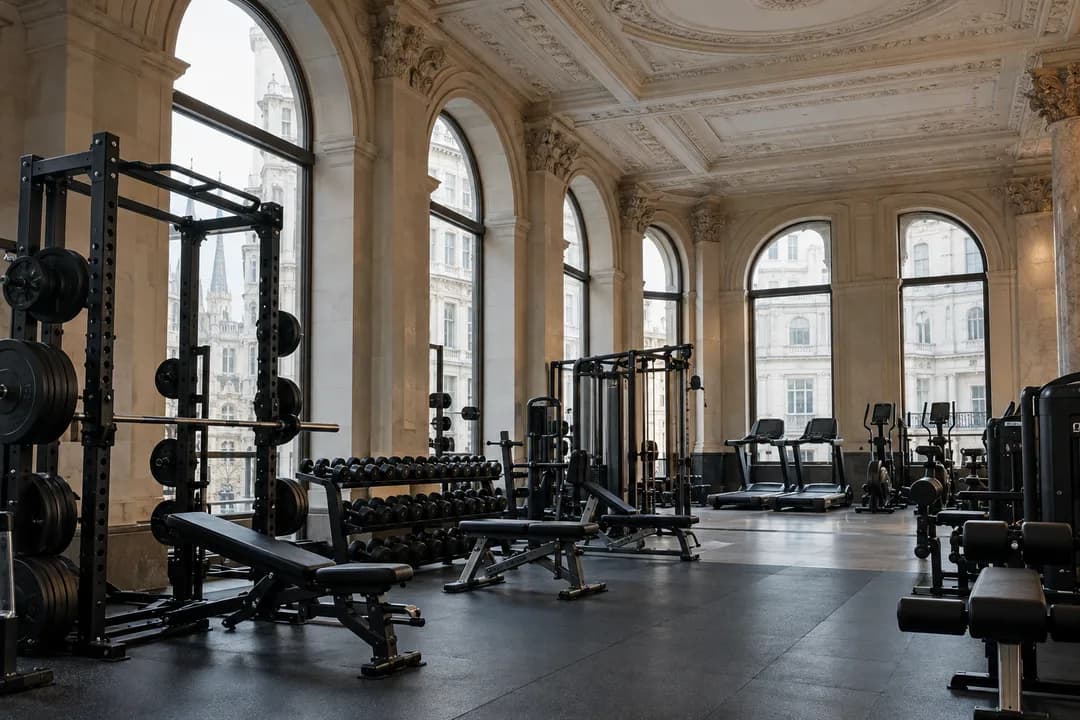
That structure makes Humanmade a better fit for a repeat learner than for a one-off tourist. The first evening is about learning the room and the second is about using it with less hesitation. You can arrive with an idea for a shelf or small table, but the winning move is to reduce the design to a cut list before you step through the door. Clear inputs leave more attention for safe, accurate work.
Start with Woodshop Fundamentals
Woodshop Fundamentals costs $180 and lasts three hours. Humanmade says the class introduces the miter saw, table saw, panel saw, band saw, drill press, and stationary sanding tools. That list is a useful preview of the experience: the class is about safe machine literacy, not a decorative craft demonstration. You learn how to stand, where your hands go, what the cut is doing, and how to leave a machine ready for the next person. If you are new to power tools, this is the correct first purchase.
The course menu has focused follow-ons at the same $180 price. Jointer, Planer, Router runs two hours and teaches how to turn rough-cut stock into flat, square lumber. Wood Lathe Spindle Turning lasts three hours, while the ShopBot CNC Router course runs three and a half hours. Humanmade also advertises a new-member $99 intro month, but do not confuse an introductory membership offer with machine certification. The training path still matters because access is tied to what you have been shown how to use.
Why the SOMA location feels different
Humanmade describes a 13,000-square-foot facility that combines wood, metal fabrication, digital prototyping, laser cutting, and sewing. The woodshop therefore sits inside a broader manufacturing culture. A furniture maker may be cutting a panel while another member is preparing a metal bracket or a digital file. That mix is valuable when your project crosses materials, but it also means you should keep your bench compact and your cut list clear. Shared space rewards people who arrive prepared rather than improvising across three work areas.
The facility’s nonprofit training mission makes the room feel more like a classroom with production capacity than a private cabinet shop. Staff and technicians can help you check a setup, but they are not there to replace preparation. Before a first independent session, draw the cut sequence, mark the reference faces, and decide which operations need dust collection. A five-minute plan keeps a twelve-foot board from becoming a dangerous obstacle in an aisle.
Rules that keep a shared machine room calm
Closed-toe footwear is required, and Humanmade’s woodshop guidance calls for safety glasses with side shields. Hearing protection belongs on the moment a saw, planer, or router is running. Tie back long hair and remove dangling jewelry. Treat dust as part of the job: use the collection system, wear the required mask for dusty operations, and do not leave a pile of chips for the next member. The clean-as-you-go habit is not cosmetic; it protects the next setup and makes small errors easier to see.
Do not use a machine because it is familiar from a video. Ask for help when a blade, fence, bit, or guard is outside your training. The best queue strategy is to avoid the queue entirely: book or attend training at a quieter time, then plan independent sessions for weekday afternoons or early weekend hours. The official hours extend to 9 pm on weekdays, but late access is useful only if your cut list is already decided and you can clean before closing.
Projects that fit the training path
Use Woodshop Fundamentals to build a small, square project: a wall shelf, a picture frame, a narrow table top, or a simple box. Save large furniture for after you have practiced breaking down stock and moving it safely. The Jointer, Planer, Router class is the right step when your lumber arrives rough; skipping that sequence often produces parts that look close until the assembly reveals a twist. The lathe course suits bowls, vases, spice grinders, and pens, while the CNC course is for people whose design is already prepared digitally.
A reasonable plan is one training class, one short project, and one review. Bring your measurements, a material list, and a way to label parts. Do not buy expensive hardwood before you know the machine capacity and the sequence. Humanmade is a strong choice for people who want a repeatable shop relationship; it is less suitable for someone who wants an instructor to do every decision for them. The payoff is independence, not a one-night souvenir.
A Bryant Street break
SOMA makes the workshop easy to pair with a short city walk. Before an evening class, walk toward South Park for a quiet reset and a meal. Afterward, continue toward the Embarcadero if you want air and bridge views, or stay near Bryant Street for a drink and a quick debrief about the project. The practical advantage is that you do not need to build an entire day around the shop: the weekday 9 pm closing time leaves room for a class after work without sacrificing the rest of the evening.
Practical Notes
Save Humanmade’s official Woodshop page in the Karpo APP, especially the training schedule and contact details. Call (415) 484-1437 or email info@humanmade.org when a course time does not fit; the site specifically invites people to reach out about training sessions. Arrive in closed-toe shoes, with a project small enough to control. Expect to pay $180 for the core machine class, not a vague workshop fee. Humanmade is the right SOMA woodworking workshop when your goal is to become a safe, certified shop user who can keep learning after the first evening. The best first project is deliberately modest: one shelf, one box, or one frame. A small win teaches more than a large project abandoned halfway through sanding. A short first project also makes the shop’s certification culture easier to understand. You can concentrate on the fence, blade, grain, and dust collection instead of rushing to finish a complicated design. Bring measurements in writing, label your parts, and leave enough time for cleanup. Humanmade rewards that kind of preparation: the more clearly you explain the project, the more useful a technician’s feedback becomes when you are deciding whether to mill, glue, or redesign.
Ask Karpo for more information.
Keep reading
- Free Woodworking Workshop in the Mission: Noisebridge Shop
 Wood Thumb Woodworking Workshop: $94 Cutting Board Class
 Inner Sunset Pottery Painting: No Studio Fee at Earthfire