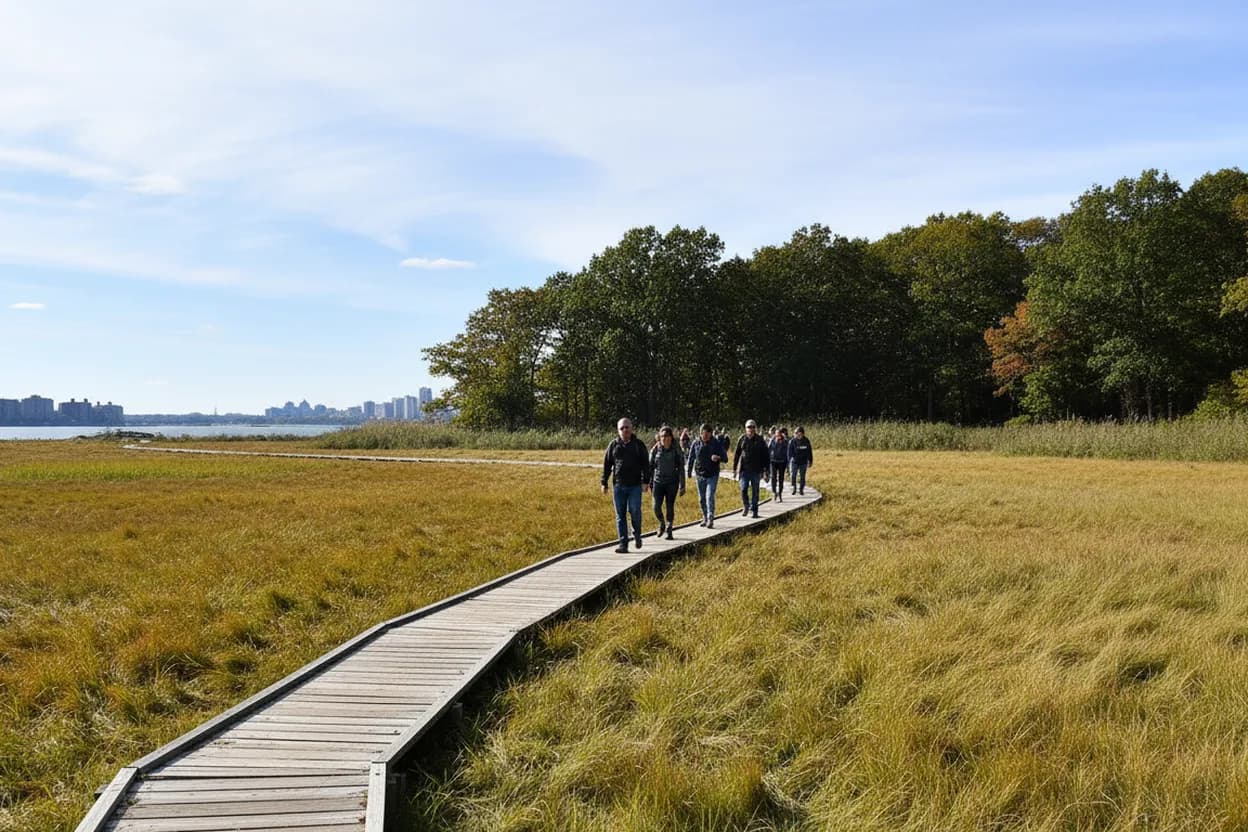
The yellowstone search spike is really a craving for scale: trees, water, quiet paths, and a day that feels bigger than the usual weekend loop. New Yorkers do not need to force a national-park fantasy onto a city map. The better move is choosing the landscape that matches the family, the forecast, and the exit plan. Pelham Bay Park offers the biggest footprint and Orchard Beach as a possible shoreline anchor. The Staten Island Greenbelt gives a deeper woods feeling, with more navigation responsibility. Inwood Hill Park keeps the nature reset closest to subway logic. This draft is current for July 27, 2026, with verification built into the decision.
Want a relaxed city-nature plan without guessing on trails, closures, or transit? Text Karpo before you leave for a borough-smart route, backup stop, and timing check.

Pelham Bay Park for Space, Shoreline, and a Flexible Family Day
Pick Pelham Bay Park when the family needs room to spread out. NYSDEC identifies Pelham Bay and Orchard Beach as New York City's largest park area, with about 2,700 acres, forest, marshland, rocky coastline, lookouts, trails, picnic facilities, playgrounds, sports courts, swimming, canoeing, and kayaking. That range makes it useful for mixed ages because the day can be built around one zone instead of one activity.
The tradeoff is size. Pelham Bay is not a compact loop where every restroom, bus stop, trail, and beach section sits together. Decide before leaving whether this is a shoreline day, a woods walk, or a picnic-first outing. For easier pacing, avoid promising a long trail and a beach visit unless the group is comfortable with distance, heat, and waiting for transit on the way back.
Orchard Beach as the Pelham Bay Pressure Valve
Orchard Beach is the built-in backup that makes Pelham Bay easier for families, but only if you treat swimming as conditional. NYC Parks' beach guidance says city beaches operate during beach season, lifeguards are normally on duty from 10 a.m. to 6 p.m., and swimming is prohibited without lifeguards or in closed sections. Check the beach status map and posted flags before anyone expects to get in the water.
This zone works best when the group needs a visible endpoint: promenade, sand, bathrooms if available, and an easier place to pause than a wooded trail junction. Current NYC Parks notices also list the Orchard Beach Pavilion as closed to the public, so do not rely on that building for comfort, shade, or food. If crowds, heat, or water conditions look poor, make Orchard Beach a short view-and-snack stop and keep the day moving.
Staten Island Greenbelt When Woods Matter More Than Speed
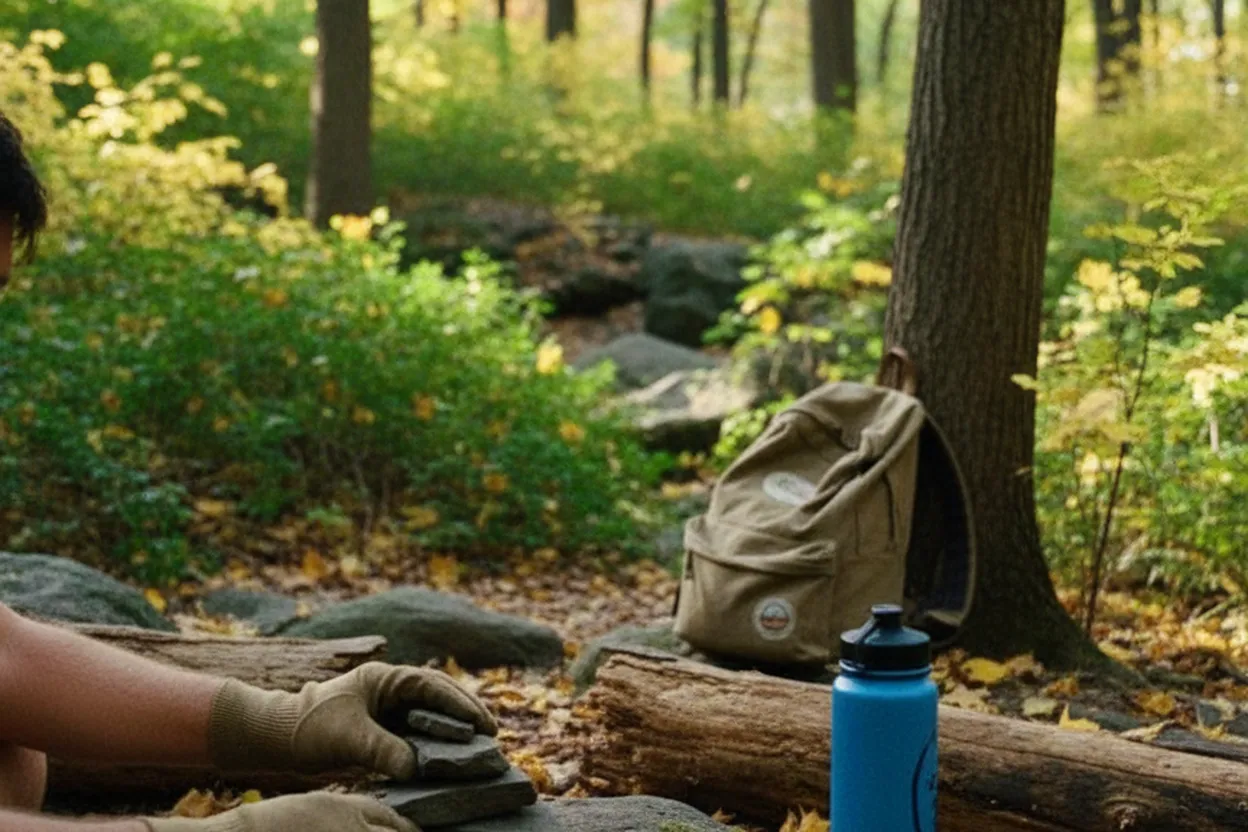
Choose the Staten Island Greenbelt when the point is a real trail day, not a quick park stroll. The Greenbelt Conservancy lists six major trails with varied terrain, including woodland routes where bicycles and motorized vehicles are prohibited, plus a wider multipurpose trail. NYC Parks' natural areas listing identifies Greenbelt habitats including forest, salt marsh, freshwater wetland, grassland, and streams, which gives the day a stronger escape feeling.
The cost is logistics. Staten Island trail time can feel calm once you arrive, but the approach and return need more care than a Manhattan park plan. Pick a known access point, download the map, and choose a short out-and-back or loop rather than treating the trail network as a challenge. Bring water, bug protection, and shoes that can handle dirt and damp spots.
Greenbelt Nature Center Trail for the Easiest Staten Island Version
If the Greenbelt sounds right but the full trail system feels too open-ended, start with the Nature Center Trail. The Conservancy describes it as a one-mile, semi-circular route beginning near Mitchell Crossing on the eastern edge of the Nature Center grounds. Its level terrain and short distance are listed as suitable for novice hikers, which makes it the cleanest family version of a woods plan.
The practical catch is that building hours, restroom access, programs, and parking can change. Verify the Greenbelt Conservancy and NYC Parks pages before leaving, especially if anyone in the group needs predictable facilities. If the center is closed but trails are open, the walk may still work, but the comfort level drops. If the group finishes early, extend only onto marked trails instead of improvising through side paths.
Inwood Hill Park for Subway-Reachable Forest and Water
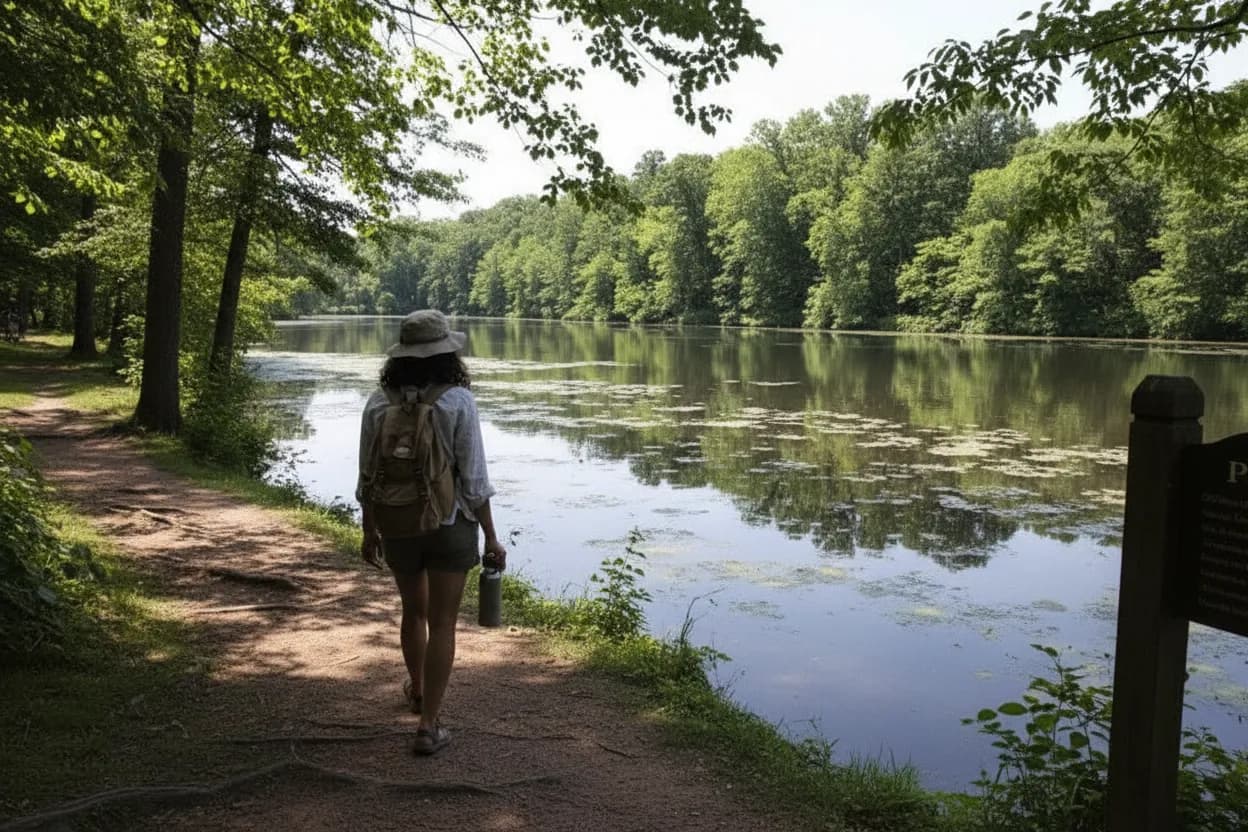
Inwood Hill Park is the best choice when the family wants nature without turning the day into an outer-borough expedition. NYC Parks lists the park at Dyckman Street, the Hudson River, and the Harlem River Ship Canal, with hiking trails, public restrooms, playgrounds, sports fields, dog-friendly areas, kayak and canoe launch sites, and Muscota Marsh among its features. It is compact, but it does not feel flat or generic.
That compactness is both the advantage and the failure mode. The hills and wooded paths can be more tiring than casual walkers expect, especially in humid weather. If the group includes a stroller, a slower walker, or someone avoiding stairs, bias toward the water edges and flatter approaches rather than climbing immediately. This is the easiest park to downgrade gracefully: shorter forest walk, marsh view, playground pause, then subway home.
Muscota Marsh and Inwood Hill Wildlife Watching With Limits
Muscota Marsh gives Inwood Hill Park a clear nature focus without requiring a long hike. NYC Parks describes it as a salt marsh on the river banks of the park, and the larger park page notes forest and salt marsh as defining natural assets. For a relaxed family day, that supports a slower rhythm: binoculars, shaded pauses, and time near the water instead of chasing a mileage goal.
Do not build the plan around access that may be closed. NYC Parks currently says the East Dock at Muscota Marsh is temporarily closed for repairs and points paddlers to alternate launches at Inwood Hill Park or Sherman Creek. Keep wildlife watching passive and public: stay on open paths, keep distance from sensitive areas, and skip any route that requires stepping past barriers, muddy edges, or unclear access signs.
Choosing the Right Park on the Morning of July 27
The right choice depends on which risk you want to manage. Pelham Bay gives the most scale and a beach option, but it needs zone planning and current closure checks. The Greenbelt gives the strongest woods experience, but travel time and trail navigation matter. Inwood Hill Park is the easiest transit compromise, but hills, crowds, and temporary closures can shrink the usable plan.
Make the final decision the morning you go. Check NYC Parks notices, the relevant park or conservancy page, beach status if Orchard Beach is involved, and MTA service for both outbound and return routes. If a key fact cannot be confirmed, treat that uncertainty as the answer: shorten the route, choose paved or marked paths, pack more water, and keep a nearby food or indoor backup ready.
Tags: #AskKarpo #BeforeYouGo #NYCParks #NYCNature #WeekendPlans #PelhamBayPark #OrchardBeach #StatenIslandGreenbelt #InwoodHillPark #FamilyWeekend #BronxParks #StatenIsland #ManhattanParks #UrbanHiking
Sources consulted: Source 1: dec.ny.gov · Source 2: php1-84.nycgovparks.org · Source 3: php1-84.nycgovparks.org · Source 4: sigreenbelt.org · Source 5: php1-84.nycgovparks.org · Source 6: php1-84.nycgovparks.org
All trademarks are the property of their respective owners.
Ask Karpo first
Tell Karpo your date, group size, budget, and starting neighborhood. We’ll check current access, timing, transit, and the cleanest plan for Pelham Bay Park, Staten Island Greenbelt, Inwood Hill Park before you head out.