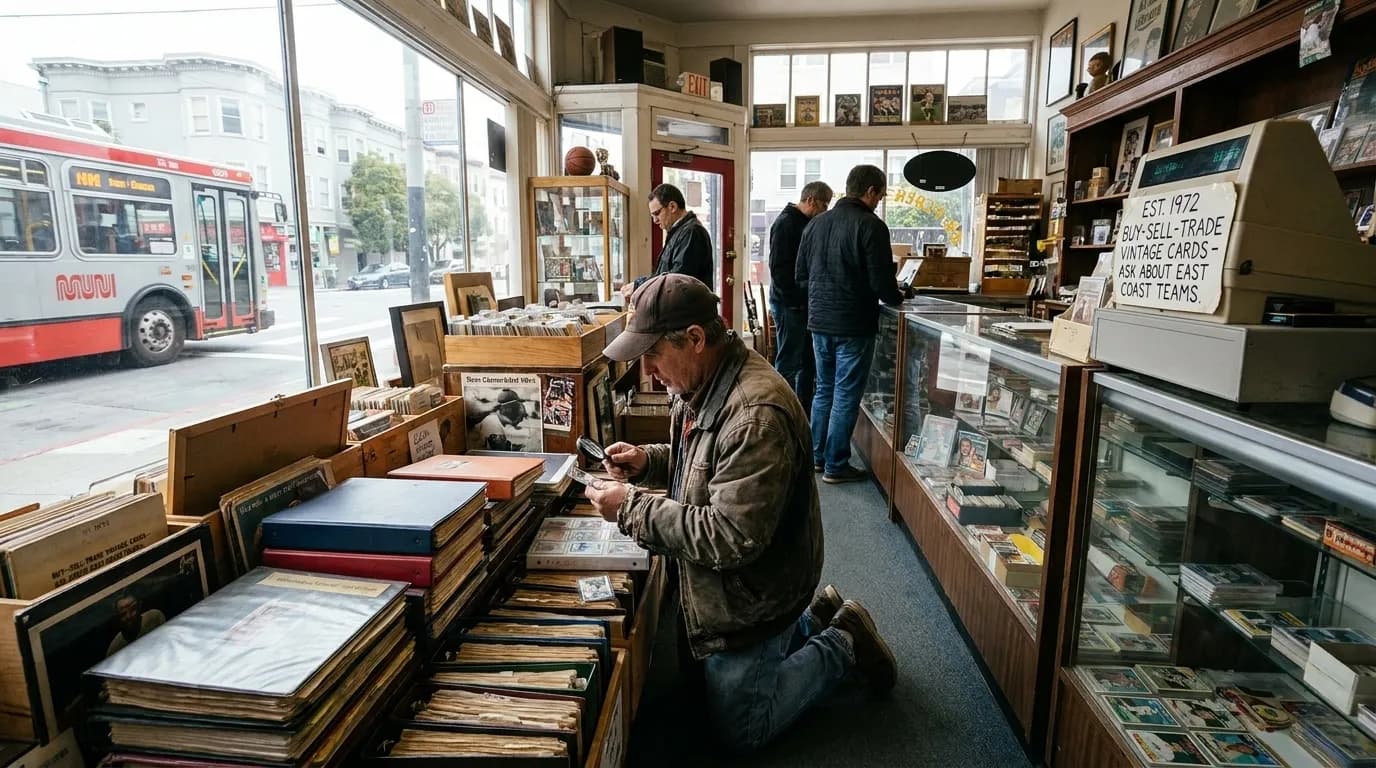
For baseball collectors devoted to East Coast teams like the Yankees and Phillies, San Francisco's vintage retail landscape offers an unexpected treasure trove. While Bay Area shops naturally emphasize Giants memorabilia, patient browsers discover overlooked Yankees pennants, Phillies programs, and trading cards tucked into corners of Haight-Ashbury antique stores, Inner Sunset collectibles dealers, and Outer Richmond vintage shops. The yankees vs phillies rivalry may play out three thousand miles away, but its artifacts surface in San Francisco's secondary markets—often at better prices than competitive East Coast dealers charge. This treasure-hunt approach rewards collectors who understand that inventory turnover is unpredictable, that the best finds require weekend afternoon browsing sessions, and that building relationships with shop owners yields insider knowledge about incoming estate collections and private sales.
Planning your baseball memorabilia hunt across San Francisco neighborhoods requires local insight into which dealers specialize in East Coast team inventory, when new collections arrive, and how to navigate between shops efficiently. Text Karpo to share your collecting focus—whether you're hunting vintage cards, signed jerseys, or specific-era programs—along with your neighborhood preference and budget range. Karpo connects you with curated dealer recommendations, optimal browsing routes through multiple shops, and backup options including appointment-only dealers and monthly card show schedules at community centers with verified vendor lists.
Neighborhood Collecting Zones and Transit Access
San Francisco's vintage baseball memorabilia landscape clusters in three primary neighborhoods, each accessible via MUNI and offering distinct collecting atmospheres. Haight-Ashbury concentrates antique shops and vintage stores along Haight Street between Masonic and Stanyan, reachable via the N-Judah or multiple bus lines; this area rewards browsers seeking eclectic inventory mixes where baseball items appear alongside general collectibles. The Inner Sunset along Irving Street between 9th and 19th Avenues, served by the N-Judah, hosts smaller specialty dealers and card shops with more focused sports inventory. The Outer Richmond, particularly along Clement Street and Geary Boulevard, offers lower rent storefronts where dealers maintain deeper back-stock and often negotiate prices more flexibly. Weekend afternoons between noon and 5 PM provide optimal browsing windows when shop owners are present and willing to pull additional inventory from storage for serious collectors.
What Yankees and Phillies Collectors Actually Find
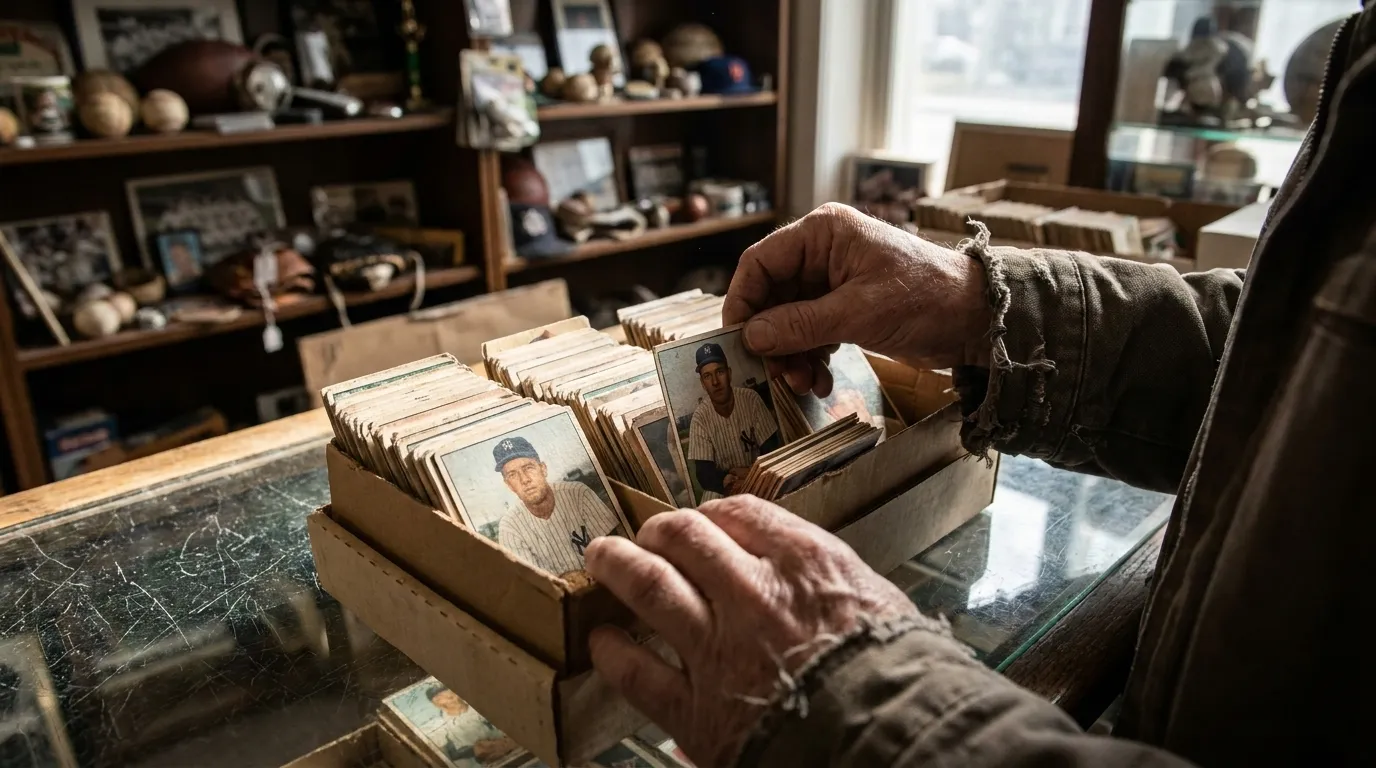
San Francisco's vintage shops yield specific categories of East Coast baseball memorabilia that reflect the city's collecting patterns. Trading cards from the 1970s through 1990s appear most frequently, often in mixed lots where patient sorting reveals Yankees and Phillies stars undervalued compared to Giants cards. Vintage programs and ticket stubs from playoff games and World Series appearances surface in estate collections, particularly from transplanted East Coast residents. Signed items and authenticated memorabilia appear less frequently but at competitive prices when dealers lack local buyer demand. Jerseys and apparel from specific eras—particularly 1980s and 1990s—turn up in general vintage clothing stores where sports items aren't the primary focus. Collectors should expect incomplete sets, varying conditions, and the need to verify authenticity independently, but also discover items priced below online market rates because local dealers prioritize inventory turnover over maximum profit on non-Giants material.
Budget Planning and Price Expectations
Baseball memorabilia hunting in San Francisco accommodates budgets from modest to substantial, with pricing dynamics that differ from specialized sports dealers. Individual vintage cards start around ten to twenty dollars for common players, while star cards and rookie cards scale upward based on condition and era. Unsigned programs and publications typically range from fifteen to fifty dollars depending on historical significance and condition. Signed items and authenticated memorabilia command higher prices starting around one hundred dollars and climbing based on player significance and authentication quality. General vintage shops often price items more aggressively than specialized sports dealers because owners lack deep market knowledge, creating opportunities for informed collectors. Bringing cash enables negotiation, particularly when purchasing multiple items. Collectors should budget for authentication costs when buying signed items without existing certificates of authenticity, and factor in potential framing or preservation expenses for paper goods and textiles.
Solo Versus Pair Collecting Strategies
The treasure-hunt nature of baseball memorabilia collecting in San Francisco works differently for solo collectors versus pairs. Solo collectors move more efficiently through shops, can make quick decisions without consultation, and build individual relationships with dealers who remember specific collecting interests. Pairs benefit from dividing search efforts within larger shops, providing second opinions on condition and authenticity, and sharing transportation costs when visiting multiple neighborhoods in one day. Pairs also negotiate more effectively when one person examines items while the other engages the dealer in conversation about inventory sources and upcoming acquisitions. For both approaches, patience proves essential—successful collecting sessions may yield no purchases but provide valuable intelligence about dealer inventory cycles and pricing patterns. Repeat visits establish collector credibility and often result in dealers contacting you when relevant items arrive.
Timing, Inventory Turnover, and Seasonal Patterns
Baseball memorabilia availability in San Francisco vintage shops follows unpredictable patterns shaped by estate sales, collection liquidations, and seasonal tourism. Weekend afternoons provide optimal browsing because shop owners are present and willing to access back-stock storage, but inventory turnover means that specific items rarely remain available beyond single visits. Spring and early summer see increased inventory as dealers acquire collections in preparation for baseball season interest, though Bay Area focus remains on Giants material. Post-season periods after playoff eliminations sometimes yield discounted prices as dealers clear sports inventory before holiday merchandise arrives. Monthly baseball card shows at community centers provide concentrated vendor access but require advance research to identify which dealers carry East Coast team material. Collectors should plan multi-shop routes that allow flexibility to spend more time where promising inventory appears, rather than rigid schedules that force premature departures from productive browsing.
Backup Options and Appointment-Only Dealers
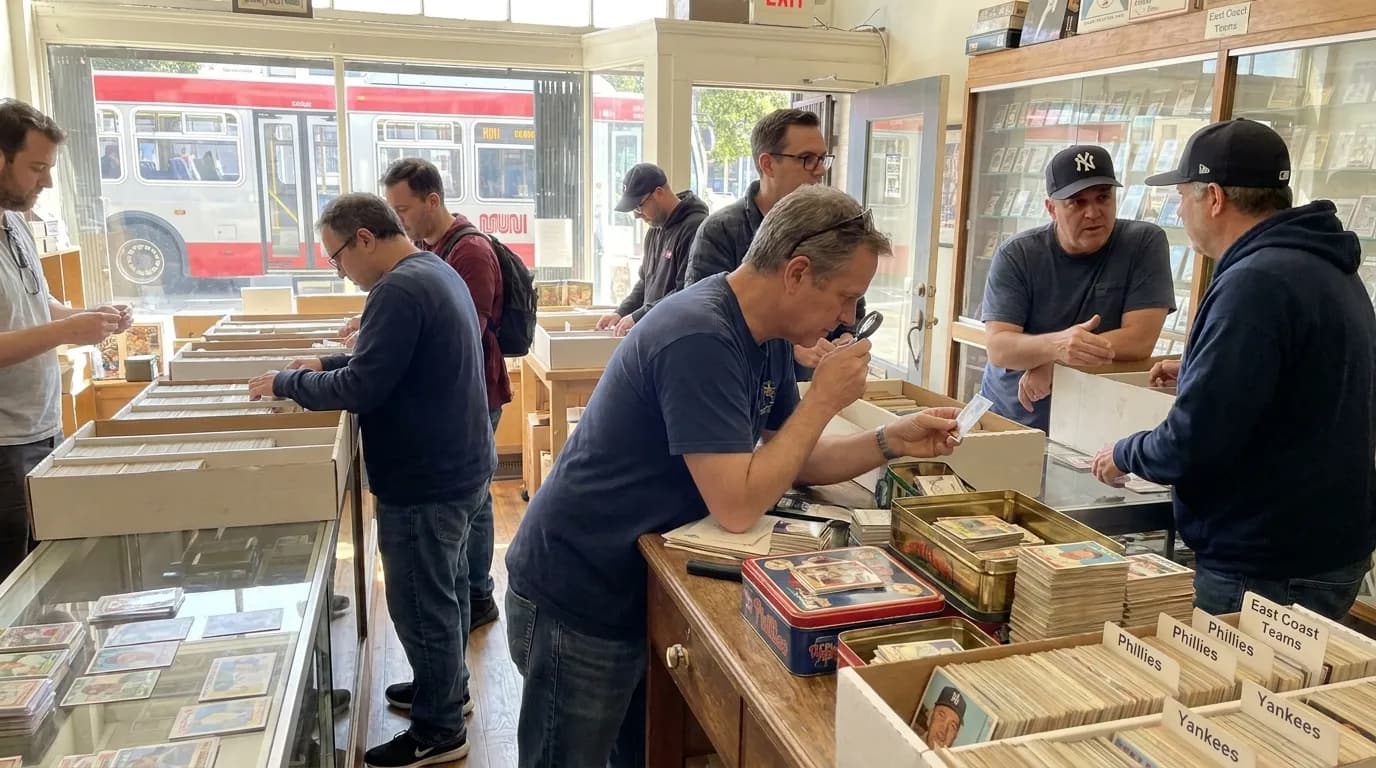
When storefront browsing yields limited results, San Francisco's baseball memorabilia landscape includes backup options that require advance planning. Appointment-only dealers operating from private locations maintain deeper inventory and often specialize in specific teams or eras, though they expect serious collector intent and typically serve buyers with established collecting goals. Monthly baseball card shows at community centers throughout the Bay Area concentrate multiple vendors in single locations, with verified vendor lists available through collector forums and social media groups. Online research before these shows identifies which dealers carry Yankees and Phillies material, allowing targeted booth visits rather than exhaustive browsing. Some vintage shops accept want-list requests, contacting collectors when specific items arrive, though this requires building relationships through repeat visits and purchases. The unpredictability of vintage inventory means that successful collecting combines patient storefront browsing with strategic use of appointment dealers and show schedules, creating multiple pathways to desired items rather than depending on single sources.
Accessibility and Physical Considerations
San Francisco vintage shops vary significantly in accessibility features, with implications for collectors with mobility considerations. Haight-Ashbury stores often occupy older buildings with narrow aisles, stairs to basement inventory, and limited wheelchair access. Inner Sunset shops tend toward smaller footprints with tighter spaces but street-level access. Outer Richmond locations sometimes offer better accessibility due to newer commercial spaces and wider aisles, though inventory may be stored in back rooms requiring staff assistance to access. MUNI accessibility varies by line and station, with the N-Judah offering accessible stops serving both Haight and Inner Sunset neighborhoods. Collectors should contact shops in advance to inquire about accessibility features and whether staff can bring inventory to accessible areas. The treasure-hunt nature of this collecting approach involves physical browsing through bins, boxes, and shelves, though building relationships with dealers enables requests for staff assistance in searching specific inventory areas.
Tags: San Francisco vintage baseball memorabilia, Yankees collectibles Bay Area, Phillies memorabilia San Francisco, baseball card dealers San Francisco, East Coast baseball collectibles, Haight Ashbury vintage sports, Inner Sunset card shops, Outer Richmond collectibles, yankees vs phillies, San Francisco hidden gems, vintage baseball cards, sports memorabilia treasure hunt, MUNI accessible vintage shops, baseball collecting San Francisco, East Coast team fans Bay Area
Sources consulted: mlb.com · sf.gov · sfmta.com
All trademarks are the property of their respective owners.
Ask Karpo first
Tell Karpo your San Francisco neighborhood preference (Haight, Inner Sunset, Outer Richmond, Mission), collecting focus (cards, jerseys, signed items, vintage programs), budget range, preferred era (vintage, modern, specific decades), and whether you want curated dealer recommendations or open-ended browsing routes through multiple shops.


