 Bernal Heights Pottery Glaze Supply Browsing Route: Walk
Hidden Gems & Odd Finds

Potrero Hill Pottery Glaze Supply Browsing Route: Walk
Plan a Potrero Hill pottery supply outing in San Francisco. Compare ceramic test tiles and explore studio craft corridors with ease in the Karpo APP today.
Ascending the sunlit residential ridges and historic industrial slopes of Potrero Hill delivers a panoramic and refreshing vantage point for ceramists preparing their material palette. Overlooking the sparkling blue expanse of the East Bay and San Francisco's southern maritime docks, this hill boasts a proud heritage of conversion warehouses, design showrooms, and industrious maker studios. Exploring a ceramic glaze browsing itinerary across these elevated avenues gives potters an opportunity to step away from kiln fumes and wheel aprons, soaking in expansive daylight and industrial architecture while crystallizing project concepts. Thoughtful surface design demands an intentional pause to evaluate mineral suspensions and glaze textures in relationship to functional studio workflows.
Elevated Bay Light and Stoneware Glaze Evaluation
The clear, unfiltered sunlight washing over Potrero Hill provides exceptional clarity when inspecting fired glaze test samples. Unlike coastal fog zones, this eastern hill often basks in crisp illumination that highlights subtle variations in surface reflectivity, from velvety micro-crystalline satin mats to lustrous high-gloss finishes. When examining reactive glazes containing rutile, zinc, or titanium dioxide, strong daylight reveals how crystal seeds blossom across curved shoulders and flat rims, giving you confidence in how finished decorative vessels will inhabit well-lit domestic living spaces.
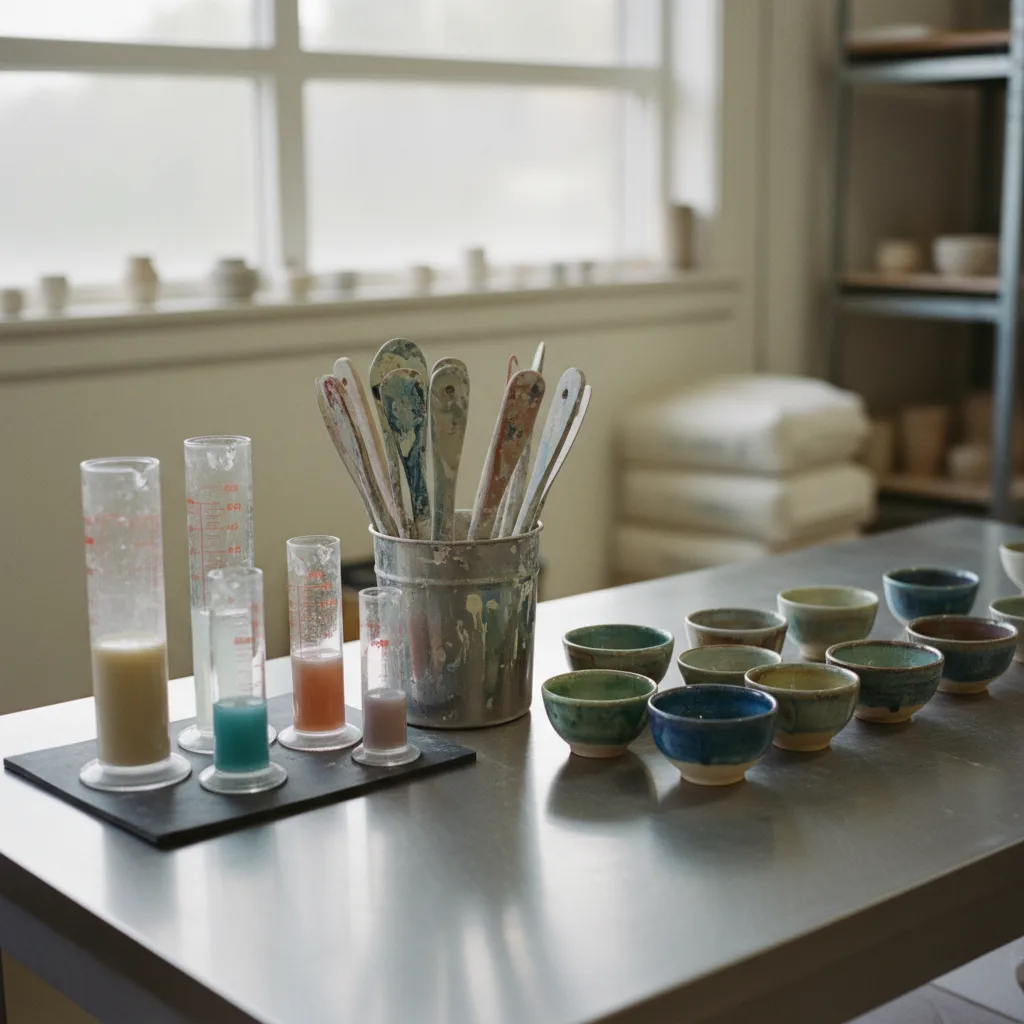
Before browsing physical stock or discussing mineral compositions, assembling a transportable test tray of your studio's bisque samples ensures accurate evaluations. Note whether your current body is a fine grogless porcelain, iron-bearing buff clay, or coarse dark sculpture clay. In collaborative urban warehouses where high-capacity electric kilns fire to Cone 5 or Cone 6, verifying maturity temperatures and soak durations prevents unexpected color shifts. Bringing dedicated fired test rings allows you to compare chemical color swatches directly under natural sunlight, checking tone transitions, micro-bubbling, and edge pooling. Experienced ceramicists frequently test both horizontal drip lines and vertical runs on wheel-thrown test cylinders, tracking how mineral viscosity behaves during the final firing soak. Having these empirical observations systematically recorded in your studio archives ensures reliable repeatability for your signature pottery lines.
Investigating the thermal fit between high-fire stoneware bodies and mineral glaze coatings is an essential studio practice for avoiding unexpected post-firing stress. When expansion coefficients diverge, cooling ware can experience delayed crazing lines or edge chipping long after coming out of the kiln. Maintaining systematic records of your standard bisque firing rates and holding times allows you to choose compatible glaze formulations that contract uniformly, guaranteeing strong, enduring bonds across functional pieces.
Technical Checklist for Sourcing Ceramic Chemistry
Entering a supply venue armed with specific technical inquiries ensures you walk away with materials that fit your production goals. If your pottery focuses on utilitarian ware like dinner plates, baking dishes, or beverage cups, food safety and chemical durability are non-negotiable considerations. Inquire closely into acid resistance, leaching stability, and knife-marking durability for everyday dinnerware. Reliable culinary glazes must withstand continuous contact with citrus juices, hot liquids, and dishwashing cycles without losing surface gloss or harboring bacterial deposits.
Understanding the rheology of glaze mixtures—including specific gravity, thixotropy, and settling tendencies—saves countless hours of troubleshooting back in your studio. Ask whether raw dry mixtures contain adequate clay fractions like ball clay or require additional suspending agents such as bentonite or magnesium sulfate. For ceramists applying layered coats by dipping, inquiring about optimal dry times between submersions ensures that top coats do not re-hydrate base layers, preventing pinholes and uneven crawling during firing. Carefully testing specific gravity with a glass hydrometer guarantees that your glaze batches deliver uniform coats from lip to foot, preventing crawling defects or thin patches. Maintaining consistent slurry viscosity through regular measurement protocols elevates your work to professional artisan standards.
Clarifying firing range tolerances is equally valuable when working with commercial or studio-blended glazes. Many reactive cone 6 glazes possess a narrow melt window, where a slight overfire creates excessive flow onto kiln shelves while underfiring results in muddy opacity. Gathering detailed temperature guidance and firing ramp recommendations from seasoned ceramic technicians provides the necessary technical assurance to execute successful glaze firings on your most prized ceramic forms.
Exploring Potrero Slopes and Creative Studio Enclaves
The delight of planning a pottery supply excursion across Potrero Hill lies in how effortlessly technical sourcing blends with a scenic urban hike. Between visiting community ceramics spaces and gathering materials, artists can climb historic hillside stairways, enjoy sweeping views of the downtown skyline, and pause at sunny neighborhood cafes. Walking along 18th Street and down toward the design district allows you to observe clean modern architectural lines and industrial textures that stimulate fresh ideas for ceramic proportions and glaze palettes. Taking unhurried strides past blooming garden steps gives you quiet moments to align your creative intuition with technical chemistry before heading back to your studio bench to glaze new ceramic forms.
Carrying a compact studio notebook lets you sketch glaze layering schemes, surface break lines, and bowl profiles while taking restful breaks on quiet hill benches. The rhythm of ascending quiet neighborhood slopes clears your mind, letting technical notes on specific gravity and colorants settle into a clear creative vision. Taking leisurely strides along tree-lined streets gives you uninterrupted moments to harmonize your artistic goals with practical studio chemistry before embarking on your next pottery session.
A Nearby Place to Review Potrero Test Pieces
When you want somewhere to pause in Potrero Hill, ask Karpo APP for nearby place recommendations. You might describe a preference for a cafe where you can spread out a small notebook, or an outdoor setting for looking at the skyline between sketches. Consider the suggestions and choose your own stop. Work out your travel directions separately, with the weight of your samples and the neighborhood slopes in mind. Your firing records stay in your own notebook, ready to consult when an interesting surface prompts another question about the next test batch.
A useful pause can focus on the shape of a single piece. Sketch a tall cylinder and a shallow bowl, then mark where you would want a glaze to remain thin and where a deeper pool might be visually interesting. Compare those drawings with your fired samples rather than judging from a color name alone. Write down one variable to explore back at the studio, such as application thickness on a vertical wall. Choosing a manageable experiment gives the afternoon a practical result while leaving room to enjoy the hill and its changing views.
Ask Karpo for more information.
Keep reading
- Bernal Heights Pottery Glaze Supply Browsing Route: Walk
 Mission Pottery Glaze Supply Browsing Route: Studio Walk
 SF Richmond Pottery Glaze Supply Browsing Route: Walk