The Bracket Narrows to Four
After weeks of group-stage drama and knockout tension, the 2026 World Cup has distilled 48 hopefuls down to four. The tournament's expanded format brought new storylines and unexpected heroes, but the semifinal stage returns us to familiar territory: four teams, two matches, one trophy. The path from here is brutally simple—win twice and you're champions, lose once and you're watching the final from home.
Text Karpo Now: Get insider tips on semifinal watch parties, fan zones, and the best routes to AT&T and Mercedes-Benz stadiums before kickoff.
The semifinals unfold across two iconic American venues. AT&T Stadium in Arlington, which has hosted more matches than any other ground this tournament, stages the first semifinal. Mercedes-Benz Stadium in Atlanta, with its signature retractable roof and downtown energy, hosts the second. Both winners advance to MetLife Stadium in East Rutherford, New Jersey, on July 19 for a final that promises to be one of the most-watched sporting events in history.
Each semifinalist earned their place through distinct routes. Some dominated from the opening whistle, others survived penalty shootouts and last-minute drama. The quarterfinals delivered the kind of tension that defines World Cups—France's progression past Morocco in the Boston area exemplified the razor-thin margins separating triumph from heartbreak at this level.
How the Final Four Got Here
The journey to the semifinals began with group-stage mathematics—three points for a win, navigating fixtures across time zones, managing squad rotation in the North American summer heat. The 48-team format meant more matches, more recovery challenges, more opportunities for upsets. Teams that advanced from the groups faced immediate knockout pressure, where a single defensive lapse or moment of brilliance could end a campaign.
The Round of 16 separated contenders from pretenders. Some favorites cruised through, others needed extra time or penalties to survive. By the quarterfinals, every remaining squad had proven their resilience. The matches took on a chess-like quality—managers gambling on substitutions, teams absorbing pressure then striking on the counter, goalkeepers becoming heroes when the margins grew impossibly thin.
Now the semifinalists carry not just their own ambitions but the weight of nations. Training sessions are dissected by millions. Tactical tweaks dominate headlines. Every player knows they're two matches away from immortality—or from a summer that ends in the cruelest fashion, one step short of the final.
Arlington and Atlanta Take Center Stage
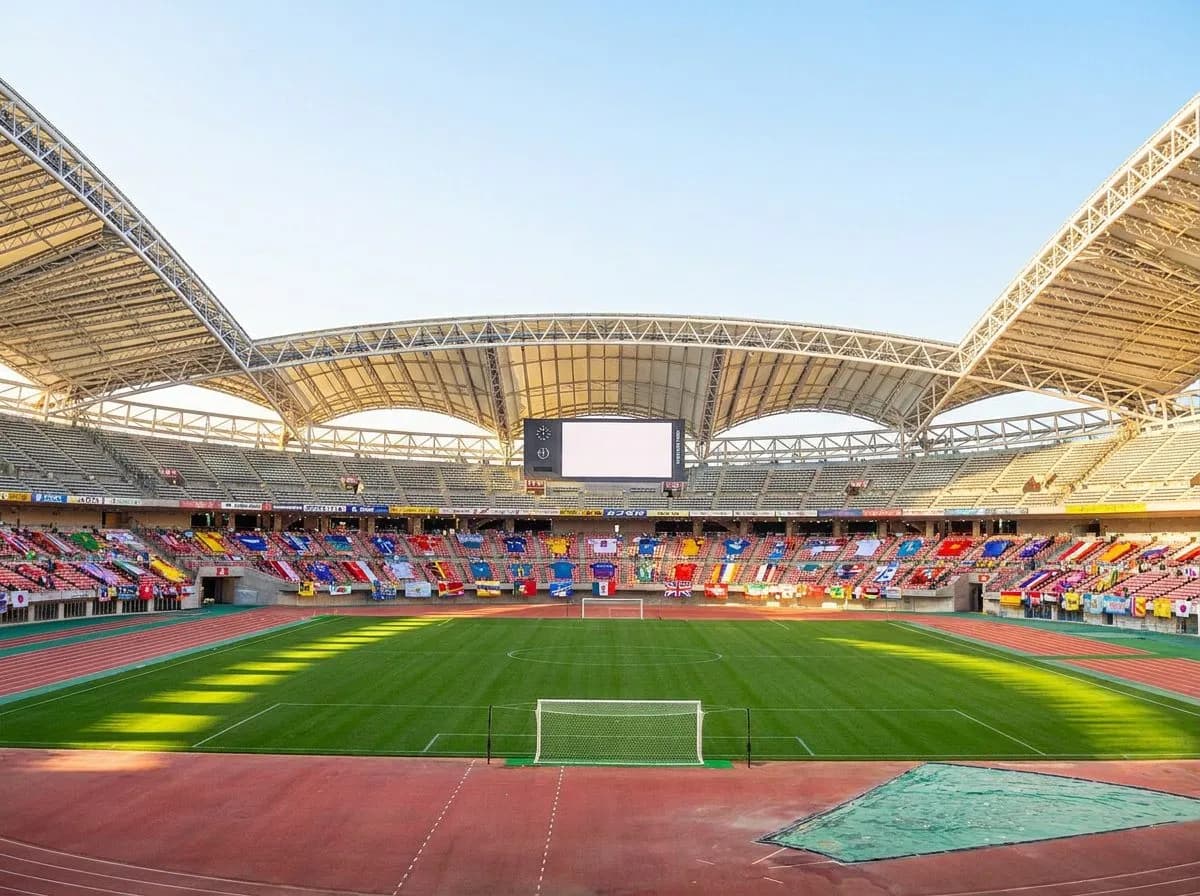
AT&T Stadium has become the tournament's workhorse, hosting nine matches and showcasing its retractable roof and massive video board to a global audience. The Arlington venue sits in the Dallas-Fort Worth metroplex, where the tournament atmosphere has built steadily through each round. For the semifinal, the stadium will pulse with the kind of energy that only knockout football generates—every clearance cheered, every near-miss groaned, every goal celebrated as if it were already the winner.
Mercedes-Benz Stadium brings downtown Atlanta's urban energy to the other semifinal. The venue's architectural drama—its petal-like roof, its proximity to Centennial Olympic Park—creates a distinct atmosphere. Atlanta has embraced its World Cup moment, with fan zones drawing crowds throughout the tournament and the city's transit system ferrying supporters between matches, watch parties, and celebration hubs.
Both cities understand the stakes. These aren't just semifinals; they're the matches that will define legacies. Players who score here will have their names chanted for decades. Managers who make the right substitution at the right moment will be hailed as tactical geniuses. And the cities themselves become part of World Cup lore, the stages where football history unfolded.
The Road to MetLife
The final on July 19 at MetLife Stadium represents the culmination of years of preparation and weeks of tournament football. The East Rutherford venue, accessible from New York City via NJ Transit, will host a match unlike any other. No on-site parking or tailgating means supporters will arrive via official shuttles or rail, creating a different rhythm to match day—less parking-lot grilling, more collective movement toward the stadium.
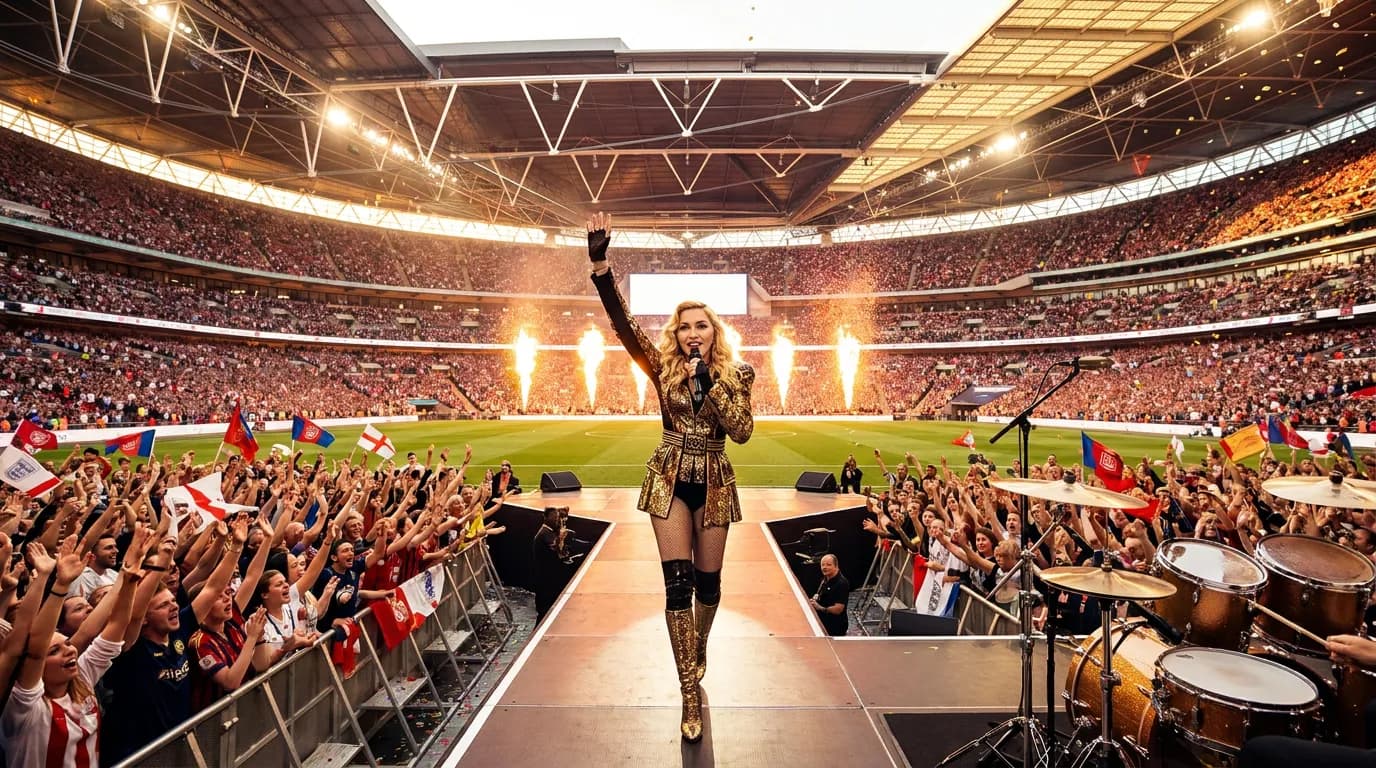
MetLife's World Cup final will feature a first-ever halftime show, curated by Coldplay's Chris Martin and featuring Madonna, Shakira, and BTS. It's a distinctly North American touch, blending the sport's global reach with entertainment spectacle. For purists, the halftime show might feel like a distraction. For others, it's a celebration of the tournament's cultural impact, a recognition that the World Cup has become more than ninety minutes of football.
But before any of that, two teams must emerge from the semifinals. The bracket is unforgiving. There are no replays, no second chances, no margin for error. Win and you're one match from glory. Lose and you face the consolation of a third-place playoff, a match nobody wants to play but everyone respects for its own kind of dignity.
What Makes a Semifinalist
Reaching the final four requires more than talent. It demands depth—the ability to rotate players without losing quality, to recover from injuries, to maintain intensity when legs grow heavy and minds grow weary. It requires tactical flexibility, the capacity to adjust mid-match when an opponent shifts shape or when a key player picks up a yellow card and must play cautiously.
The semifinalists have survived the tournament's physical toll. They've played through heat, traveled across time zones, managed the emotional swings of knockout football. Their squads have bonded through shared pressure, their coaches have made decisions that will be analyzed for years. Some teams rely on defensive solidity and clinical finishing. Others press high and dominate possession. There's no single formula, only the requirement that you find a way to win when it matters most.
The mental side separates good teams from great ones at this stage. Penalty shootouts test nerve as much as skill. Late goals require both belief and composure. The semifinalists have proven they possess both, but now they face opponents who've shown the same qualities. Something has to give.
Two Matches, One Champion
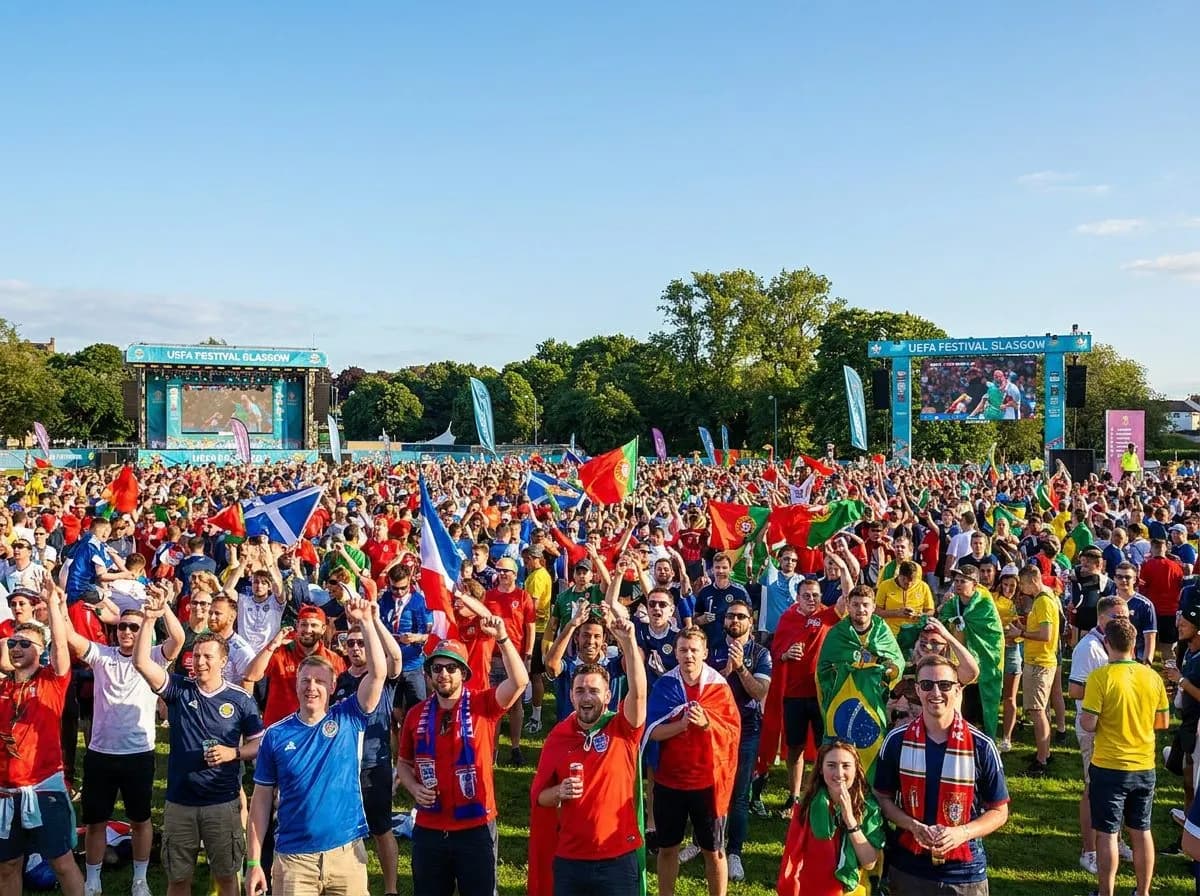
The semifinals will be decided by fine margins—a deflected shot, a refereeing decision, a moment of individual brilliance. Fans will fill AT&T Stadium and Mercedes-Benz Stadium, while millions more gather in fan zones, living rooms, and public squares across the globe. The matches will be dissected in real time on social media, celebrated in languages the players don't speak, watched by people who've never visited the host cities but feel deeply connected to the outcome.
For the two winners, the final awaits. For the two losers, there's the third-place match and the hollow comfort of 'almost.' The gap between those outcomes is impossibly small—a few inches on a goal-line clearance, a penalty saved, a substitution that works or doesn't. That's the beauty and cruelty of knockout football: everything matters, nothing is guaranteed, and the only certainty is that two teams will advance while two go home.
The World Cup has reached its crescendo. The final four are known. The venues are set. On July 19, MetLife Stadium will crown a champion, but first, Arlington and Atlanta will host the matches that determine who gets to play for the trophy. The bracket is clear. The stakes are absolute. The world is watching.
Practical notes
- Semifinals at AT&T Stadium (Arlington) and Mercedes-Benz Stadium (Atlanta) before the July 19 final at MetLife Stadium in East Rutherford, NJ
- MetLife Stadium accessible via NJ Transit with return wristband or official shuttles; no on-site parking or tailgating allowed
- First-ever World Cup final halftime show curated by Chris Martin featuring Madonna, Shakira, and BTS
- AT&T Stadium has hosted nine matches, the most of any venue in the 48-team tournament
- France advanced past Morocco in the quarterfinals in the Boston area to reach the final four
The semifinal stage is where World Cup dreams either crystallize into reality or shatter into what-ifs. Four teams remain, each carrying the hopes of millions, each two matches away from immortality. The bracket is set, the venues are ready, and the world is holding its breath. In Arlington and Atlanta, football history will be written—and in East Rutherford, it will be crowned.
Tags: #WorldCup2026 #WorldCupSemifinals #MetLifeStadium #ATTStadium #MercedesBenzStadium #FinalFour #KnockoutStage #WorldCupBracket #ArlingtonTX #AtlantaGA #EastRutherfordNJ #WorldCupFinal #SoccerCulture #TournamentFootball #GlobalGame
All trademarks are the property of their respective owners.
Ask Karpo first
The semifinal stage is where legends are made and heartbreak is guaranteed in equal measure. Whether you're planning to watch in a packed fan zone, at a neighborhood bar, or from the stands themselves, the next few matches will define this tournament. Ask Karpo first for the smartest ways to experience the final four—from transit tips to watch-party recommendations to the inside line on what makes each host city special when the world's eyes are watching.