 Haaland Has Seven Goals and Norway Runs Entirely Through Him
⚽️2026 FIFA WORLD CUP
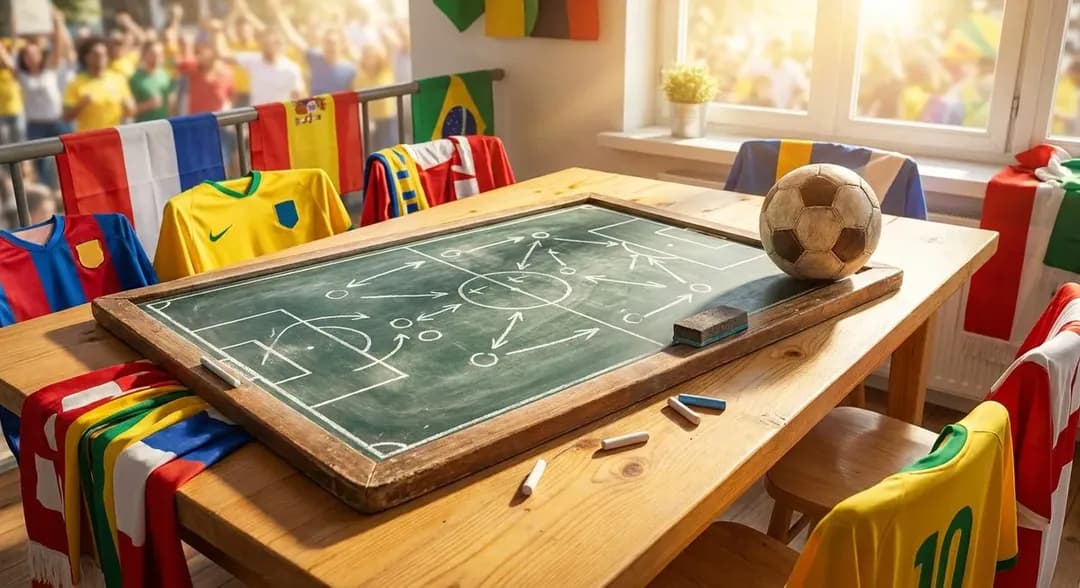
Olise and France's Attack: The Semifinal Tactical Question
As France prepare for their semifinal clash, the interplay between wide creativity and central thrust has become the tournament's most compelling tactical puzzle. Michael Olise's emergence adds another layer to a system already rich in options, and the coaching staff face choices that could define their path to MetLife Stadium.
The Wide Channels and Their Architects
France's progression through the knockout rounds has been built on the ability to stretch opponents horizontally, creating space for central runners and late arrivals in the box. The wide areas have become laboratories for invention, with overlapping fullbacks, inverted wingers, and the occasional false-nine drop creating numerical advantages that opposing defenses struggle to track. After the quarterfinal victory over Morocco in the Boston area, the coaching staff have options that few other nations can match, and the semifinal—whether at AT&T Stadium in Arlington or Mercedes-Benz Stadium in Atlanta—will test which combination unlocks the next opponent.
Fact-check refresh note, August 2026: this guide has been updated with a more conservative evidence policy. Use it as planning context, and treat exact scores, player statistics, event appearances, venue rules, opening hours, prices, transit details, and dated schedules as subject to confirmation from the linked official or primary sources before acting on them.
Text Karpo Now: Get insider tips on where to watch the semifinal with the best atmosphere in Dallas or Atlanta—real local spots, no tourist traps.
Michael Olise has emerged as a wild card in this equation. His comfort on either flank, his ability to receive the ball in tight spaces and turn defenders, and his vision for the killer pass have given France a different texture when he's on the pitch. He doesn't replicate what others do; he adds a layer of unpredictability that can unsettle even the most organized backlines. The question isn't whether he deserves minutes—it's how his skill set fits into a system that already hums with talent, and whether the semifinal stage is the moment to lean into that variance or stick with the combinations that have delivered results so far.
Tactical flexibility has been France's calling card throughout this tournament. The ability to shift between a 4-3-3, a 4-2-3-1, and even a 3-4-3 in certain phases means that opponents can't settle into a single defensive shape. Wide players drift inside, central midfielders push high, and fullbacks become auxiliary wingers depending on the phase of play. This fluidity is both a strength and a puzzle: too many options can lead to hesitation, but the right choices—made in real time—can crack open a semifinal that might otherwise be decided by a single moment of brilliance or a lapse in concentration.
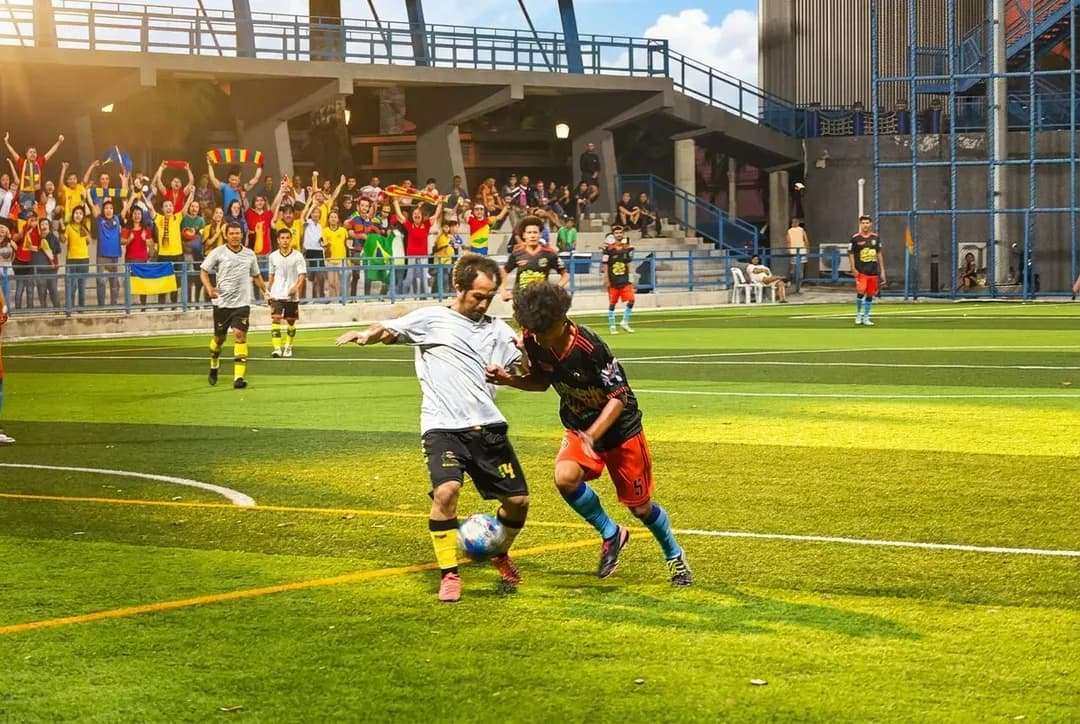
Olise's Skill Set and the Semifinal Context
What Olise brings is a blend of craft and courage. He's willing to take on defenders one-on-one, to attempt the pass that others might consider too risky, and to drift into pockets of space that aren't traditionally occupied by wide players. In a semifinal, where margins are razor-thin and opponents have had time to study every pattern and tendency, that willingness to deviate from the script can be the difference between a goal and a frustrating stalemate. His ability to deliver crosses from deep or cut inside and shoot also means that defenses can't commit fully to stopping one threat without exposing another.
The challenge for the coaching staff is integration. France's attacking rhythm has been built over weeks of training and matches, and inserting a player who offers something different requires trust from teammates and clarity about roles. Does Olise start, bringing his unpredictability from the first whistle, or does he come off the bench when legs are tired and defensive structures begin to fray? Both scenarios have merit. A starting role signals confidence and allows him to influence the game's shape early; a substitute appearance gives him the chance to exploit fatigue and disorganization in the final third of the match.
There's also the matter of balance. France's wide players have been asked to defend as well as attack, to track back and cover for advancing fullbacks, and to maintain the team's compactness when out of possession. Olise's defensive work rate isn't in question, but his natural instincts lean toward creation rather than containment. In a semifinal, where one defensive lapse can end a tournament dream, the coaching staff must weigh the offensive upside against the risk of leaving gaps that a quality opponent will exploit. It's a calculation that goes beyond individual talent and touches on the team's collective identity and appetite for risk.
The Opponent's Shape and France's Response
Semifinal opponents at this level arrive with their own tactical sophistication. They've studied France's wide rotations, identified the triggers for fullback overlaps, and prepared countermeasures designed to neutralize the very patterns that have been so effective. The question becomes: does France stick with what has worked, trusting that execution will overcome familiarity, or do they introduce wrinkles—like Olise's unique skill set—that force opponents to adjust on the fly and potentially make mistakes?
If the opponent sits deep and compact, inviting France to break them down through patient possession, then Olise's ability to create in tight spaces becomes invaluable. His quick feet and vision can unlock a defense that's content to absorb pressure and wait for a counterattack. On the other hand, if the opponent presses high and looks to disrupt France's buildup, then the emphasis might shift to pace and directness, with wide players stretching the field and runners in behind exploiting the space left by an aggressive defensive line. In that scenario, Olise's role might be as a second-half weapon, introduced when the opponent's press begins to tire and gaps appear.
The semifinal venue also matters. AT&T Stadium in Arlington, with its retractable roof and climate control, offers a consistent environment, while Mercedes-Benz Stadium in Atlanta brings its own atmosphere and sight lines. Both venues are vast, and the crowd noise—especially if the opponent has strong support—can influence communication and decision-making on the pitch. France's ability to adapt to these environments, to stay composed under pressure and execute their game plan regardless of external factors, will be tested. The tactical question around Olise is just one piece of a larger puzzle, but it's a piece that could tip the balance in a match where every detail counts.
The Midfield Connection and Creative Synergy
France's wide attack doesn't operate in isolation. The connection between the midfield and the flanks is what makes the system dangerous, with central players threading passes into the channels, wide players combining with overlapping fullbacks, and late runners arriving from deep to finish chances. Olise's effectiveness depends in part on the quality of service he receives and his understanding with the players around him. In training sessions and in the minutes he's logged so far, those connections have been forming, but a semifinal is a different test—faster, more intense, with less margin for miscommunication.
The central midfielders have been tasked with both shielding the defense and sparking the attack, and their ability to switch play quickly and find wide players in advantageous positions has been crucial. If Olise is on the pitch, those midfielders need to recognize when he's in space and when he's ready to receive the ball under pressure. It's a subtle dance, one that requires repetition and trust, and the coaching staff must decide whether the synergy is strong enough to rely on in a high-stakes semifinal or whether it's safer to lean on combinations that have been tested more thoroughly.
There's also the matter of rotation and rest. The tournament schedule is demanding, and managing player workload while maintaining competitive sharpness is an ongoing challenge. Olise's relative freshness—if he's been used more sparingly in earlier rounds—could be an asset, bringing energy and sharpness to a team that's been through multiple grueling matches. But freshness alone isn't enough; he needs to be integrated into the tactical plan in a way that enhances rather than disrupts the team's rhythm. It's a balancing act that the coaching staff navigate with every selection, and the semifinal is where those decisions are scrutinized most intensely.
The Path to MetLife Stadium
Every tactical choice in the semifinal is made with one eye on the final. Win, and France advance to MetLife Stadium in East Rutherford on July 19, where they'll face the winner of the other semifinal in front of a global audience and a halftime show curated by Chris Martin featuring Madonna, Shakira, and BTS. The stakes couldn't be higher, and the temptation to overthink or to chase perfection can be as dangerous as complacency. The coaching staff must trust their preparation, trust their players, and trust that the tactical framework they've built over the course of the tournament is robust enough to handle the pressure.
Olise represents both opportunity and risk. His inclusion—whether from the start or off the bench—signals a willingness to embrace creativity and unpredictability, to trust that individual brilliance can complement collective organization. But it also requires the rest of the team to adapt, to cover for his forays forward, and to capitalize on the chances he creates. In a semifinal, where every possession matters and every transition can be decisive, those trade-offs are magnified. The coaching staff must weigh the potential reward against the possibility of disruption, and make the call that they believe gives France the best chance to advance.
The journey to this point has been built on tactical discipline, individual quality, and the ability to adjust in real time. The semifinal will test all of those attributes, and the decisions around Olise's role are just one chapter in a larger story. France have the talent to win the tournament, but talent alone isn't enough. They need the right plan, the right execution, and the right balance between caution and ambition. The tactical question around the wide attack—and Olise's place within it—is where strategy meets instinct, and where the path to MetLife Stadium will be forged or foreclosed.
Watching the Semifinal Unfold
For fans in Dallas or Atlanta—or anywhere else across the host nations—the semifinal is a chance to witness tactical chess at the highest level. The decisions made in the dressing room, the adjustments made at halftime, and the substitutions that shift momentum are all part of the drama that makes knockout football so compelling. Whether Olise starts or comes off the bench, his presence in the squad adds a narrative thread that fans and analysts will follow closely, looking for the moments when his skill set changes the game's trajectory.
The semifinal venues are built for spectacle. AT&T Stadium's massive video board and Mercedes-Benz Stadium's retractable roof create environments that amplify every cheer, every groan, and every moment of tension. For those attending in person, the experience is visceral—the roar of the crowd, the sight lines that bring you close to the action, the sense that you're witnessing history. For those watching from local bars, fan zones, or living rooms, the connection is just as real, the investment just as deep. The tactical question around France's wide attack might seem abstract, but it plays out in real time, in moments that you'll remember long after the final whistle.
This is what the World Cup delivers: the convergence of strategy, skill, and stakes. The semifinal is where contenders prove they belong, where tactical plans are tested under the brightest lights, and where individual moments of brilliance can define legacies. France's attack, with or without Olise in a starring role, will be one of the stories that shapes the tournament's final chapters. The question isn't just whether they'll win, but how they'll win—and what that tells us about the choices that matter when everything is on the line.
Practical notes
- Semifinals take place at AT&T Stadium in Arlington (Dallas area) and Mercedes-Benz Stadium in Atlanta; check official FIFA channels for confirmed match assignments and kickoff times.
- AT&T Stadium is accessible via TRE commuter rail to CentrePort/DFW Airport Station with shuttle connections; Mercedes-Benz Stadium is walkable from MARTA's Vine City or Dome/GWCC/Philips Arena stations.
- No on-site parking or tailgating at the July 19 final at MetLife Stadium; plan to use official shuttles or NJ Transit with a return wristband for re-entry.
- The final features a halftime show curated by Chris Martin with performances by Madonna, Shakira, and BTS—arrive early to soak in the full experience.
- For semifinal viewing parties, seek out neighborhoods with strong soccer culture—Deep Ellum in Dallas or the Westside in Atlanta—where local bars and fan zones offer authentic atmosphere without the tourist markup.
The semifinal tactical question around Olise and France's wide attack is a reminder that tournaments are won not just by talent, but by the choices that unlock that talent at the right moment. Whether you're in the stands, at a local pub, or gathered with friends, you're watching a story unfold in real time—a story where strategy, skill, and stakes collide. The path to MetLife Stadium runs through these decisions, and the next chapter is about to be written.
Tags: #FranceSemifinal #MichaelOlise #WorldCup2026 #TacticalAnalysis #SoccerStrategy #ATTStadium #MercedesBenzStadium #KnockoutFootball #WideAttack #MetLifeStadium #FIFAWorldCup #SemifinalShowdown #CreativePlay #TournamentTactics #RoadToTheFinal
All trademarks are the property of their respective owners.
Ask Karpo first
The semifinal is where tactics meet destiny, and every choice on the pitch echoes through the tournament's final act. Whether you're planning to catch the match in Dallas, Atlanta, or your own neighborhood, Ask Karpo first for the local spots, the insider angles, and the details that turn a big game into an unforgettable experience. We're here to make sure you're in the right place, at the right time, with the right people—because the World Cup is about more than the scoreline; it's about the moments you'll carry with you long after the final whistle.
Sources consulted: FIFA World Cup 26 match schedule and results · FIFA World Cup 26 tournament hub
Ask Karpo for more information.
Keep reading
- Haaland Has Seven Goals and Norway Runs Entirely Through Him
 World Cup Trophy Ceremony Timing Medals and Postmatch Celebrations
 Nashville Hot Chicken and Honky-Tonks Near GEODIS Park