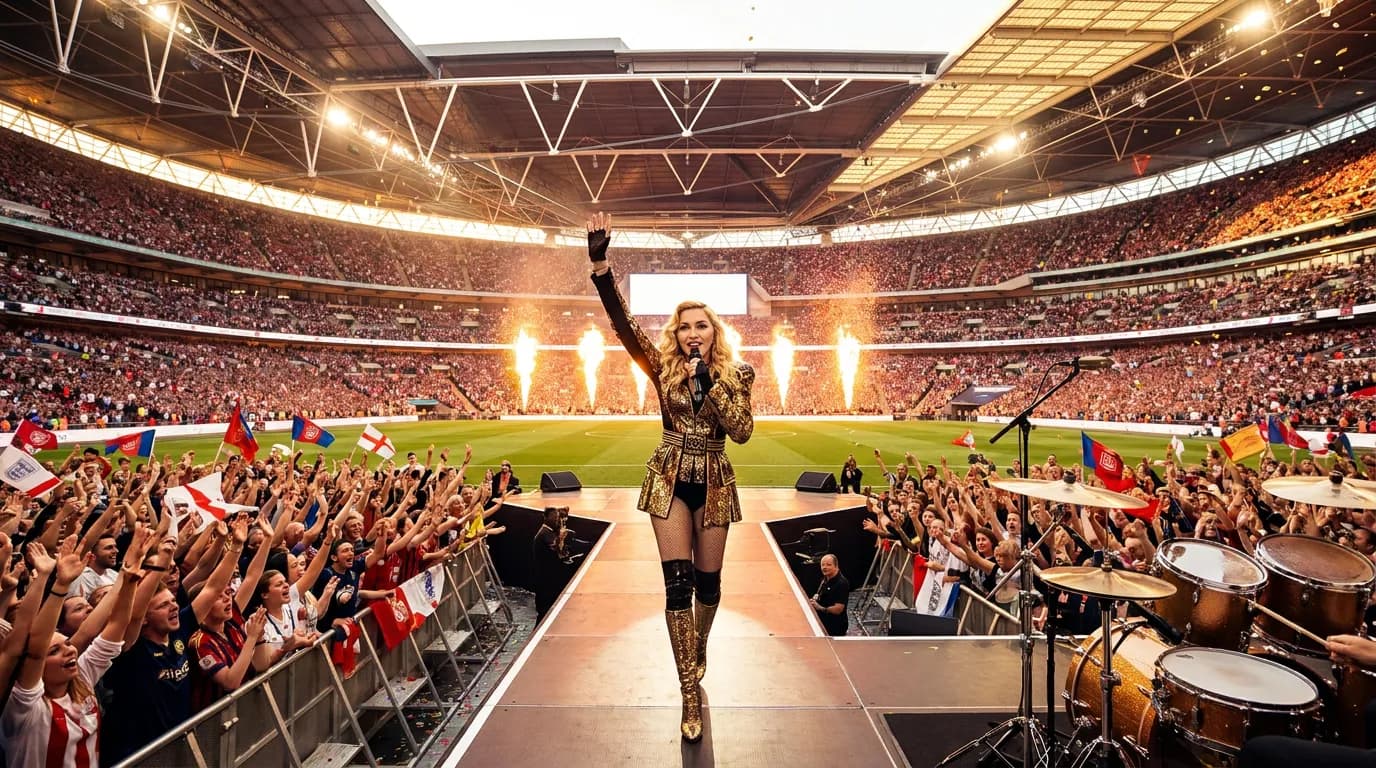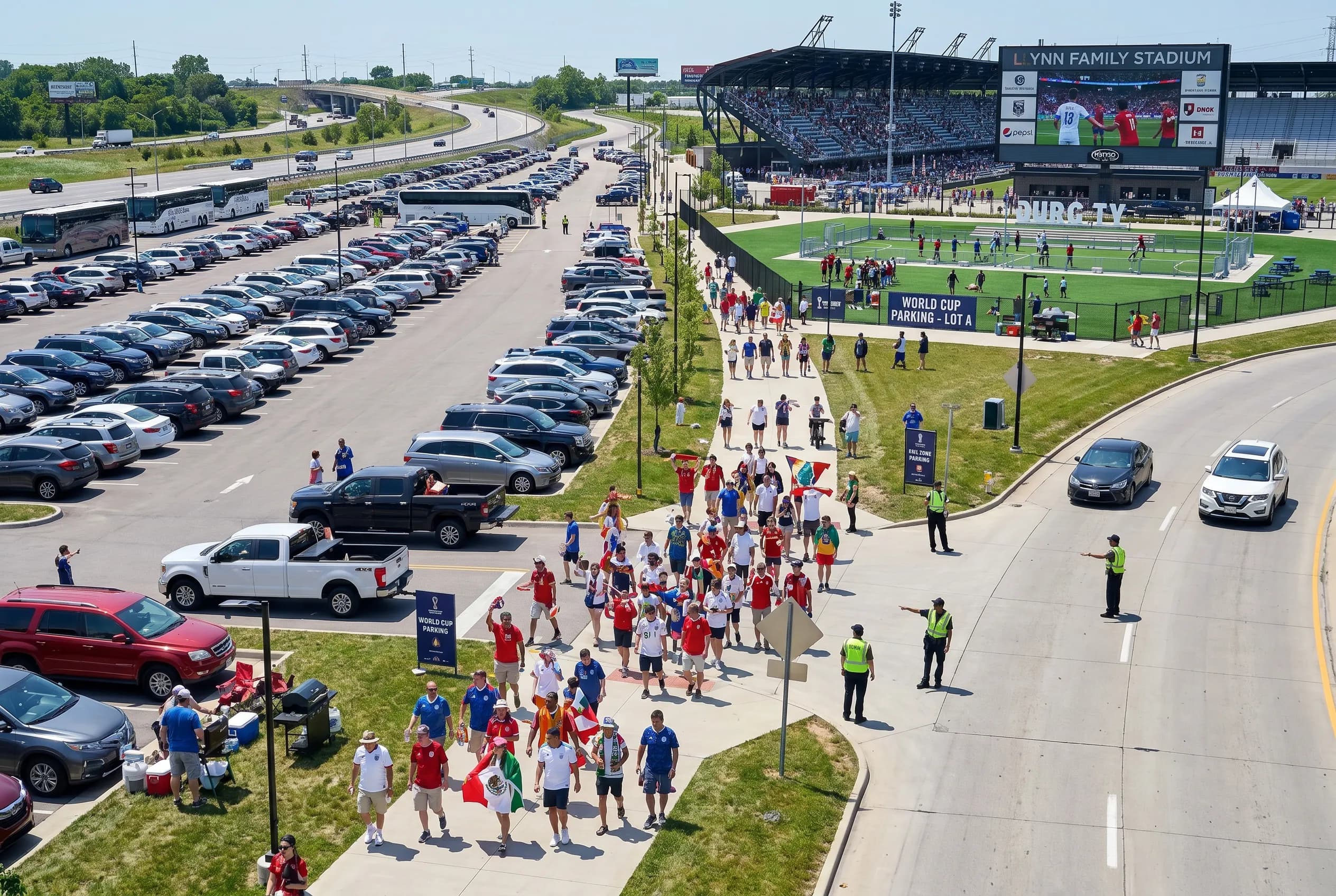
The FIFA World Cup 2026 will welcome millions of fans across sixteen host cities in Canada, Mexico, and the United States, and parking will be one of the most contested resources on match days. Stadium districts will implement extensive road closures, redirect traffic along alternative carretera routes, and reserve most nearby lots exclusively for credential holders or advance purchasers. Whether you're attending a group-stage fixture in Guadalajara or a knockout round in MetLife Stadium, understanding each city's parking framework now will save hours of frustration when tournament gates open.
Planning your World Cup journey involves more than securing tickets. Karpo helps you map the fastest route to your stadium, locate vetted parking options near your hotel, discover pre-match dining that won't make you late, and even find the best watch-party backup if you're traveling without a seat. Text Karpo for a personalized match-day plan tailored to your city, your schedule, and your group size.
United States Host Cities: East Coast and Midwest
MetLife Stadium in East Rutherford will anchor the final and handle the largest single-venue crowds of the tournament. The stadium's official parking lots open only to fans who prebook through FIFA or venue partners; on-site cash sales will not be available. New Jersey Transit will add extra rail service from Penn Station and Secaucus Junction, and officials strongly encourage using these lines to avoid the notoriously congested approach roads around the Meadowlands complex.
Philadelphia's Lincoln Financial Field sits within the South Philadelphia Sports Complex, where the city will activate a coordinated closure zone on match days. Broad Street and Pattison Avenue will be restricted to buses, credentialed vehicles, and ride-share drop-offs only. Fans driving in should target the Wells Fargo Center overflow lots and plan to walk approximately fifteen minutes. Boston's Gillette Stadium in Foxborough operates a similar prebooking model, with most inventory reserved weeks in advance and shuttle service running from dedicated park-and-ride facilities along Route 1.
Southern and Central United States Venues
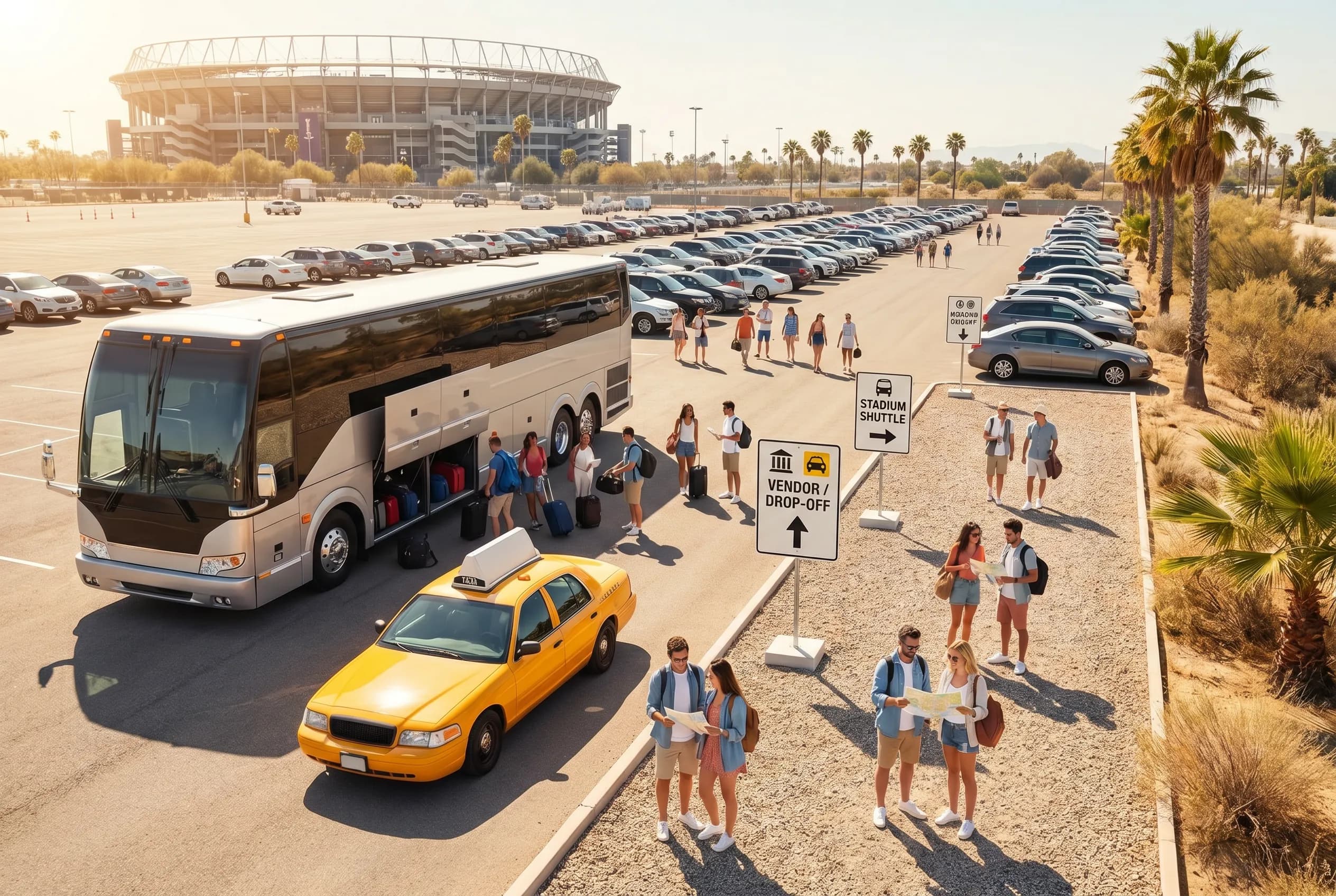
AT&T Stadium in Arlington, Mercedes-Benz Stadium in Atlanta, and NRG Stadium in Houston each manage large parking footprints, but all three will require advance reservations for premium and general lots. Arlington's entertainment district will close portions of Randol Mill Road and Collins Street, funneling traffic toward prepaid lots on the stadium's north and south plazas. Atlanta's MARTA rail system offers a direct connection to the stadium, and the city will expand service windows on match days to accommodate evening kickoffs and post-match crowds.
Hard Rock Stadium in Miami Gardens and Arrowhead Stadium in Kansas City both sit outside dense urban cores, making personal vehicles a more practical choice for many fans. Miami-Dade will implement rolling closures on the surrounding carretera network as crowds build, so early arrival is critical. Kansas City's lot system opens in phases, with tailgate-friendly spaces releasing first and closer inventory reserved for latecomers who prebooked. Levi's Stadium in Santa Clara and SoFi Stadium in Inglewood round out the U.S. host list, each offering robust transit links—Caltrain and VTA light rail for Santa Clara, Metro K Line for Inglewood—that will be faster than driving on high-attendance days.
Canadian Host Cities: Toronto and Vancouver
BMO Field in Toronto will implement a strict no-new-vehicle policy within the Exhibition Place grounds on match days. All parking must be secured in advance through the venue's official portal, and the city will close Lakeshore Boulevard segments to general traffic starting four hours before kickoff. GO Transit will run express trains from Union Station, and the TTC will add supplemental streetcar service on the 511 Bathurst and 509 Harbourfront lines.
BC Place in Vancouver benefits from its downtown location but offers limited nearby parking. The venue's attached lot holds fewer than five hundred vehicles and sells out within hours of release. Fans should consider parking in commercial garages near Waterfront Station or along the Canada Line corridor in Richmond, then riding SkyTrain directly to Stadium-Chinatown station. The city has indicated it will prioritize pedestrian and transit access over private cars, especially for high-profile matches.
Mexican Host Cities: Stadiums and Street Networks
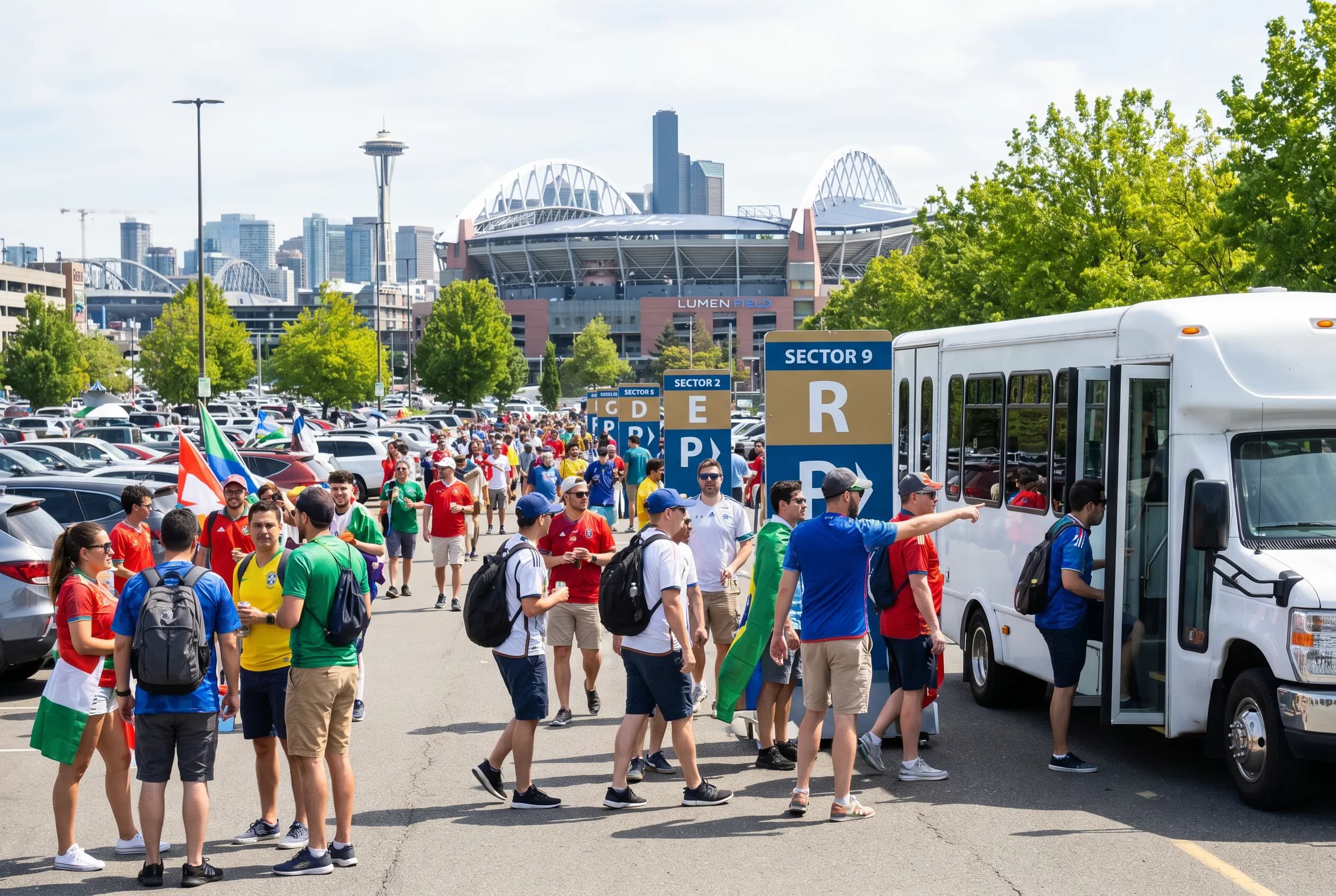
Estadio Azteca in Mexico City, Estadio BBVA in Monterrey, and Estadio Akron in Guadalajara will each face intense demand and complex carretera management. Mexico City's Viaducto and Periférico routes will see dedicated bus lanes and restricted turns near the stadium, and officials recommend using Metro Line 12 to Estadio Azteca station instead of driving. The neighborhood's narrow streets cannot absorb match-day traffic, and informal parking attendants may offer spots that block resident access or violate local ordinances.
Monterrey's Estadio BBVA sits along Avenida Pablo Livas, where the state will deploy traffic police to direct vehicles toward official park-and-ride hubs in San Nicolás de los Garza. Guadalajara's Estadio Akron, located in Zapopan, has ample surface lots, but the venue will sell parking exclusively through its app and website. Walk-up availability will not exist, and ride-share drop-off zones will be positioned more than half a kilometer from gates to ease congestion. All three cities will publish detailed carretera closure maps closer to the tournament, and fans should monitor local transit authority announcements for schedule changes.
Prebooking Strategies and Official Channels
FIFA and each host venue will release parking inventory in waves, typically aligned with ticket on-sales. Fans should create accounts on the official stadium websites and enable notifications so they receive alerts the moment parking becomes available. Third-party resale platforms may list parking passes, but these carry risk: venues can void unauthorized transfers, leaving buyers stranded on match day. Stick to the official channels, even if inventory appears sold out; venues often release additional spots as event plans are finalized.
Prebooking also allows you to compare lot locations and exit routes. Lots nearest the stadium fill first but often empty slowest, as thousands of cars converge on the same exit ramps. Perimeter lots farther from the gates may offer faster post-match departures and easier access to highways. Review the venue's parking map, identify which lot connects to your planned route home, and prioritize that zone when booking. This small bit of research can cut your exit time in half.
Transit Alternatives and Ride-Share Realities
Every host city will expand public transit service on match days, and in many cases trains or buses will deliver you closer to the gate than any parking lot. Vancouver's SkyTrain, Mexico City's Metro, and Atlanta's MARTA all stop within a short walk of their respective stadiums, and these systems will run extended hours to accommodate evening fixtures and extra time. Fares remain far below parking costs, and you avoid the stress of navigating closures and searching for a space in a chaotic lot.
Ride-share services will be available but should be considered a last resort. Surge pricing can multiply costs five- or tenfold during peak arrival and departure windows, and designated pick-up zones may be a fifteen-minute walk from the stadium exit. If you do plan to use ride-share, schedule your departure before the final whistle or wait thirty minutes after the match ends to let the initial wave clear. Better yet, pair a ride-share drop-off with a public-transit return, giving you flexibility without the expense of round-trip surges.
Tags: #WorldCup2026 #ParkingGuide #FIFAWorldCup #MatchDayParking #TransitAlternatives #HostCities #NorthAmerica
Sources consulted: FIFA host destinations
All trademarks are the property of their respective owners.
Ask Karpo First
Every stadium has its own parking quirks, closure patterns, and transit shortcuts. Text Karpo with your match city, arrival time, and group details, and we'll build a custom plan that gets you to your seat on time and back to your hotel without the guesswork.