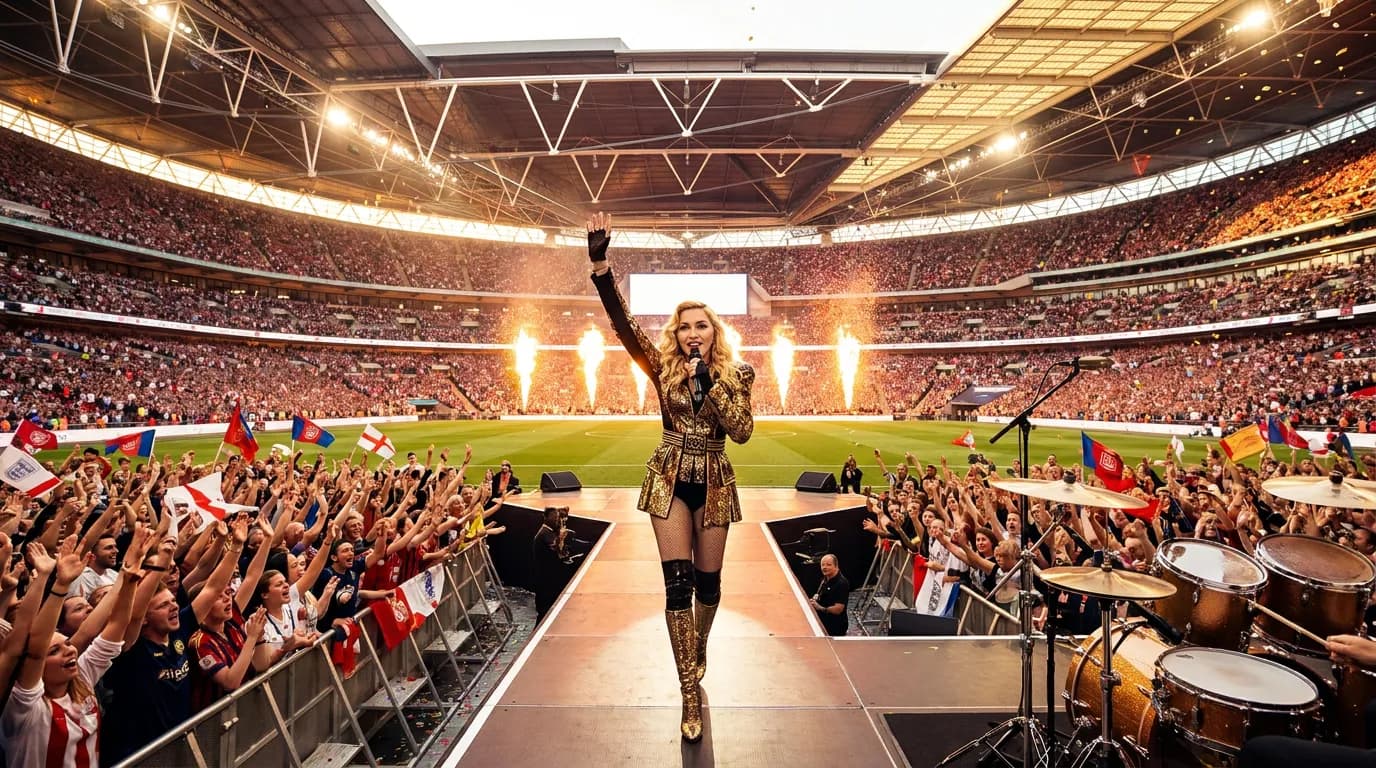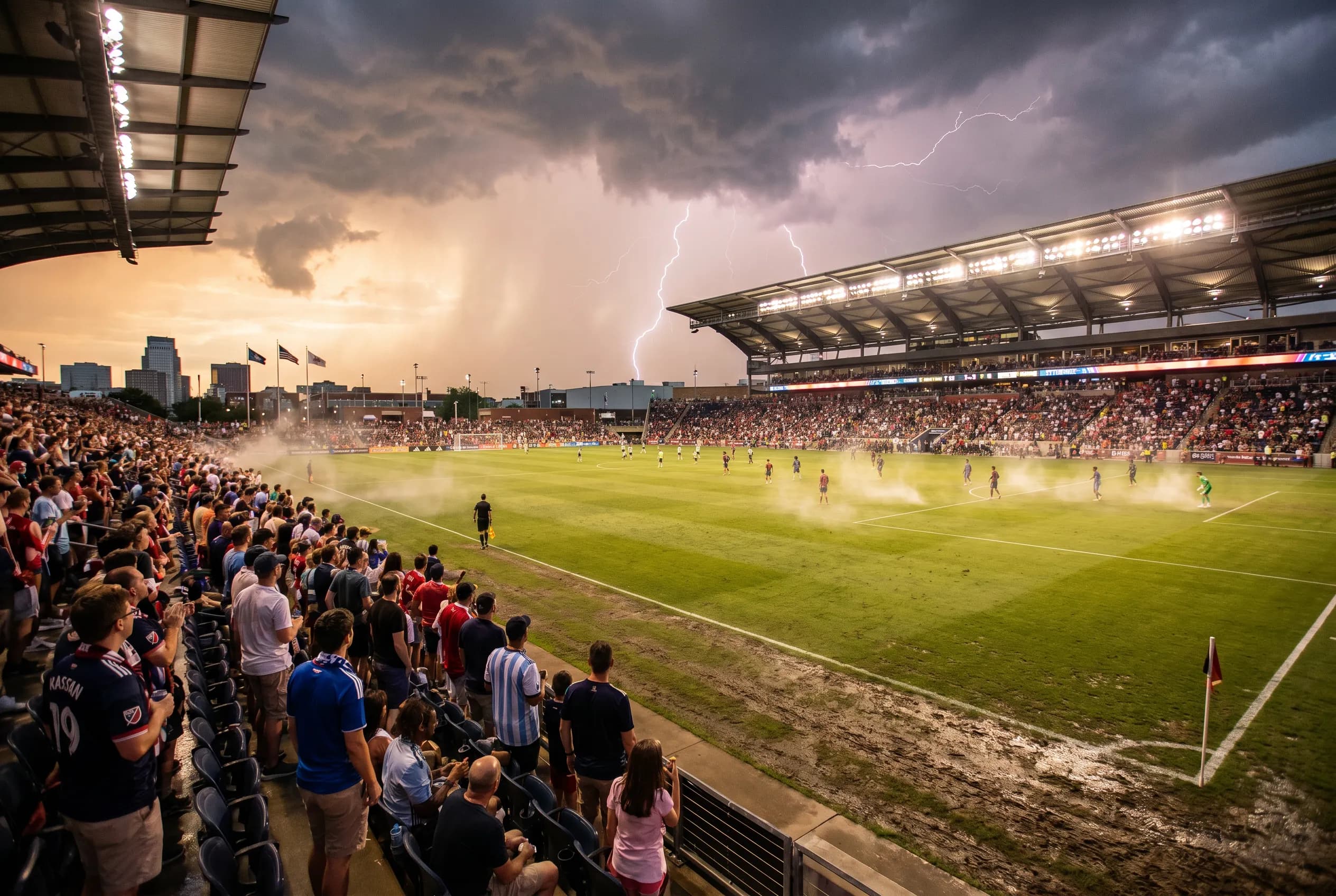
The 2026 FIFA World Cup will unfold across sixteen cities spanning three countries, each bringing distinct weather challenges to the tournament. Summer heat waves can push temperatures into dangerous territory in southern venues, while afternoon thunderstorms delivering heavy lluvia and lightning are common from Mexico City to Toronto. Stadium policies on weather delays, evacuation procedures, and indoor shelter access vary by venue, making advance preparation essential. Whether you're attending matches in the desert heat of Arizona, the humid conditions of Miami, or the variable climate of Vancouver, understanding how to interpret official weather warnings and knowing where to find real-time updates can make the difference between a memorable experience and a dangerous situation.
Planning your World Cup journey across multiple cities with different weather patterns? Text Karpo for a personalized match-day plan that includes weather-appropriate timing, indoor backup options near your stadium, and real-time alert sources tailored to your specific venues. We'll help you navigate heat advisories, sudden storms, and lightning delays so you can focus on the beautiful game.
Understanding Heat Warnings Across Host Cities
The US National Weather Service issues heat advisories when the combination of temperature and humidity creates dangerous conditions, typically when the heat index reaches 100 to 104 degrees Fahrenheit for two or more hours. Excessive heat warnings indicate even more severe conditions with heat index values of 105 degrees or higher. These warnings apply across southern host cities including Houston, Dallas, Atlanta, and the desert venues of Arizona and Southern California during summer months. Heat exhaustion symptoms include heavy sweating, weakness, cold and clammy skin, nausea, and fainting, while heat stroke presents with hot dry skin, rapid pulse, and confusion requiring immediate medical attention.
Mexico's Servicio Meteorológico Nacional uses a color-coded system with yellow indicating caution for temperatures that may affect vulnerable populations, orange for dangerous heat requiring protective measures, and red for extreme conditions. Estadio BBVA in Monterrey and Estadio Akron in Guadalajara both experience intense summer heat. Canadian host cities generally face lower heat risk, though Environment Canada does issue heat warnings when temperatures or humidex values are expected to reach or exceed locally defined thresholds for two consecutive days. Stadium policies typically allow sealed water bottles, but confirming specific venue rules before match day prevents dehydration issues at security checkpoints.
When Lluvia Disrupts Match Day Plans
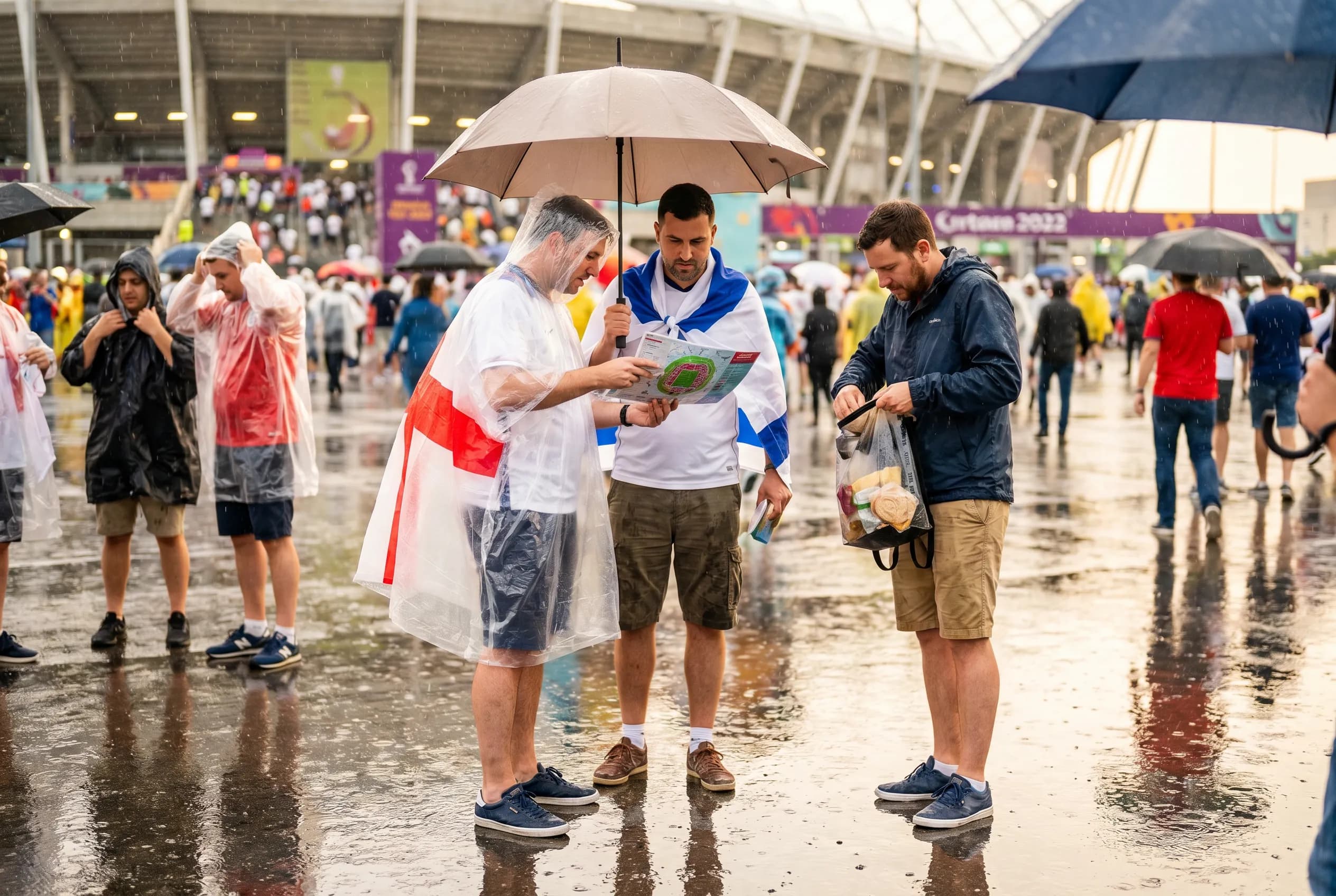
Heavy rainfall, or lluvia, affects World Cup venues differently depending on regional climate patterns. Mexico City experiences pronounced wet season conditions from May through October, with afternoon thunderstorms developing rapidly over the mountains and moving across the valley. Guadalajara and Monterrey follow similar patterns with intense but often brief downpours. US host cities face varied precipitation threats, from Gulf Coast venues like Houston and Miami dealing with tropical moisture to northern cities experiencing frontal systems. Vancouver records significant rainfall totals, particularly during shoulder seasons, though summer months see reduced precipitation.
Stadium drainage systems are engineered to handle substantial rainfall, but standing water on concourses, slippery stairs, and reduced visibility create safety hazards. Most modern venues feature partial or full roof coverage protecting seating areas, though field conditions may still cause delays. The US National Weather Service issues flood watches when conditions favor flooding and flood warnings when flooding is imminent or occurring. Flash flood warnings indicate particular danger in areas with poor drainage or near waterways. Checking venue-specific shelter maps before arrival helps you identify covered areas and indoor concourses where you can wait out heavy lluvia without leaving the stadium entirely.
Lightning Safety Protocols at Outdoor Venues
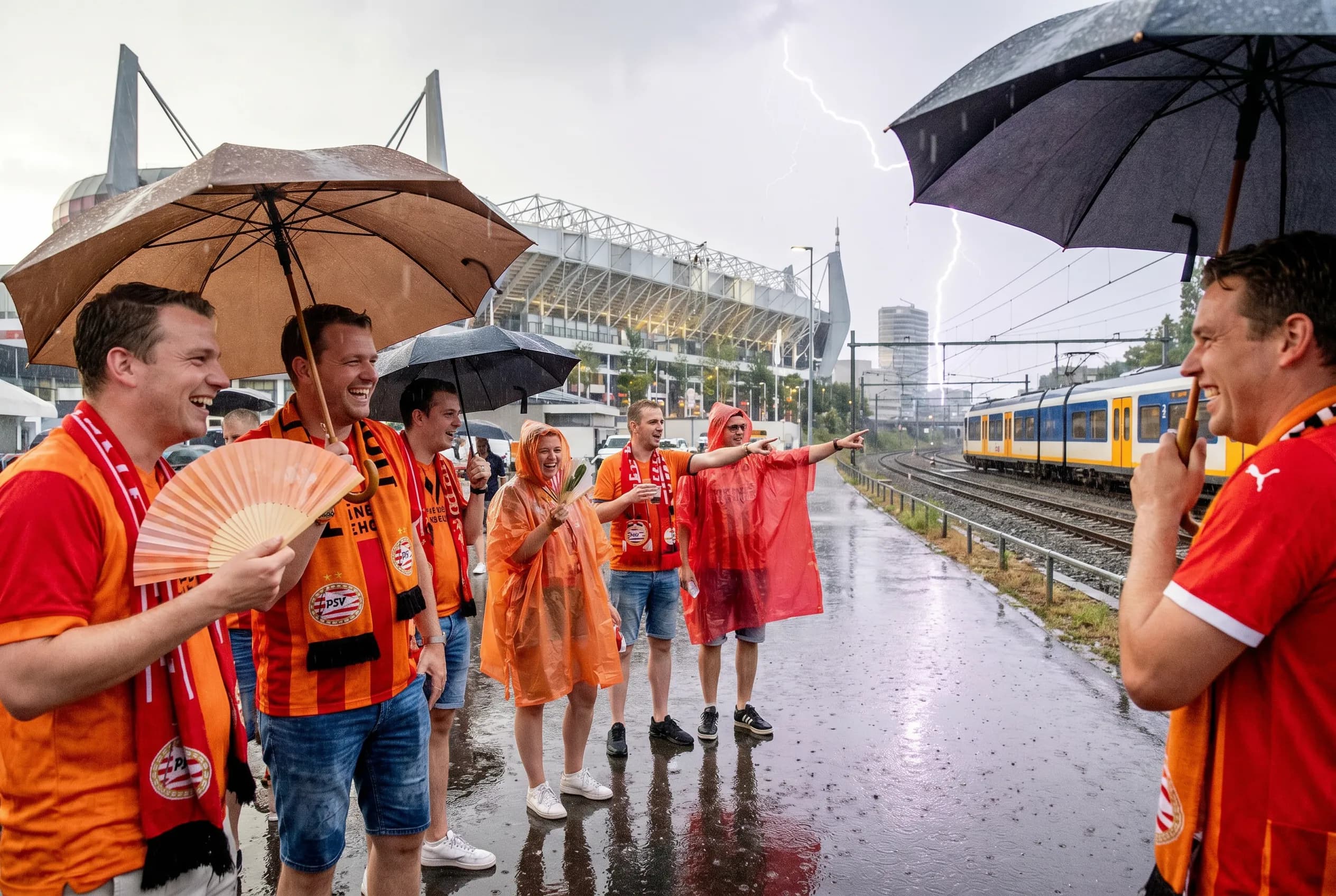
Lightning poses the most immediate weather threat at outdoor stadiums, capable of striking up to ten miles away from visible rainfall. FIFA protocols require match suspension when lightning is detected within a specified radius of the venue, with play resuming only after a designated period passes without additional strikes. The National Weather Service follows the principle that if you can hear thunder, you are within striking distance and should seek shelter immediately. Lightning detection systems at major stadiums provide real-time monitoring, triggering automated alerts to stadium operations staff who coordinate with match officials on suspension decisions.
Safe shelter during lightning activity means being inside a substantial building with wiring and plumbing that can ground a strike, or inside a fully enclosed metal vehicle. Stadium concourses with roof coverage are not considered safe lightning shelter if they remain open to the outside. Most World Cup venues feature enclosed club areas, restaurants, and interior corridors that provide proper protection. MetLife Stadium, AT&T Stadium, and Mercedes-Benz Stadium offer extensive indoor spaces, while more open-air venues like Arrowhead Stadium have designated shelter areas. Stadium announcements will direct spectators to appropriate locations during lightning delays, but knowing these areas beforehand reduces confusion and crowding during evacuations.
Stadium Roof Coverage and Weather Protection
Seven of the sixteen World Cup 2026 venues feature retractable or fixed roofs providing complete weather protection. AT&T Stadium in Arlington, Mercedes-Benz Stadium in Atlanta, SoFi Stadium in Los Angeles, NRG Stadium in Houston, and BC Place in Vancouver can fully enclose the playing field and seating areas. Hard Rock Stadium in Miami features a partial canopy covering seating areas while leaving the field open to elements. These climate-controlled environments eliminate weather delays but create different considerations around temperature regulation and air quality in enclosed spaces with 60,000 or more occupants.
Open-air venues including Arrowhead Stadium, Lincoln Financial Field, MetLife Stadium, Gillette Stadium, Levi's Stadium, Lumen Field, BMO Field, and the three Mexican stadiums expose spectators to full weather conditions. Seating location significantly impacts your weather exposure, with upper decks often featuring partial overhangs protecting rear rows while lower bowl seats remain fully exposed. When purchasing tickets, reviewing stadium seating charts with roof coverage overlays helps you understand your weather protection level. Bringing weather-appropriate gear within stadium bag policy limits, including sunscreen for day matches and light rain jackets that pack small, provides flexibility as conditions change during the match.
Official Weather Sources for Real-Time Updates
The US National Weather Service operates forecast offices covering all American host cities, providing localized forecasts, warnings, and radar imagery through weather.gov. Each office issues zone-specific forecasts and warning products, with major stadiums typically having dedicated spot forecasts for large events. The NWS mobile website and weather apps from commercial providers that source NWS data deliver push notifications for warnings affecting your location. Following the specific NWS office serving your stadium city on social media provides additional context and timing details that automated alerts may not include.
Environment Canada operates weather.gc.ca with forecasts and warnings for Toronto and Vancouver, using a similar warning structure to the US system but with metric measurements. Mexico's Servicio Meteorológico Nacional at smn.conagua.gob.mx provides forecasts and warnings for Monterrey, Guadalajara, and Mexico City, with information available in Spanish. Commercial weather services including Weather Underground, Weather Channel, and AccuWeather aggregate data from these official sources while adding proprietary forecast models. For critical safety decisions around severe weather, official government sources remain the authoritative reference, as they trigger formal emergency management responses and stadium operational protocols.
Preparing for Weather Delays and Evacuations
Weather delays can extend match duration by hours, requiring preparation beyond the typical ninety-minute game plan. Fully charged mobile devices ensure you can access weather updates and communicate with your group if separated during evacuations. Portable battery packs that comply with stadium security policies provide backup power during extended delays. Stadium concessions remain open during weather delays, but long lines and potential supply shortages make bringing allowed snacks and sealed beverages valuable. Understanding your venue's re-entry policy matters if you need to return to your vehicle for supplies during an extended delay, as some stadiums prohibit re-entry once you exit.
Evacuation procedures vary by venue but generally direct spectators to interior concourses and enclosed spaces during lightning threats. Stadium staff and security personnel will indicate safe areas and manage crowd flow to prevent overcrowding. Remaining calm and following official instructions prevents the panic that creates secondary safety hazards. If conditions deteriorate to the point where match cancellation becomes likely, having a backup plan for transportation matters, as ride-sharing surge pricing and limited public transit capacity can strand thousands of spectators. Identifying nearby weather-safe businesses, restaurants, or hotels where you can wait out severe weather before traveling provides alternatives to sitting in stadium concourses for hours.
Tags: #WorldCup2026 #StadiumSafety #WeatherGuide #LightningProtocol #HeatAdvisory #NorthAmerica #MatchDayPlanning
Sources consulted: US National Weather Service · Environment Canada weather · Mexico weather service
All trademarks are the property of their respective owners.
Ask Karpo First
Weather shouldn't derail your World Cup experience. Text Karpo with your match schedule and we'll build a weather-smart itinerary with indoor backup activities near each stadium, real-time alert sources for your specific venues, and contingency plans for delays. Whether you're following your team across multiple cities or catching one crucial match, we'll help you stay safe and comfortable through heat, lluvia, and lightning.