 Haaland Has Seven Goals and Norway Runs Entirely Through Him
⚽️2026 FIFA WORLD CUP
How Fans Can Verify World Cup Halftime Performer Claims
Viral World Cup halftime claims can move faster than official confirmations. Here is how fans can check what is real before sharing a lineup post.
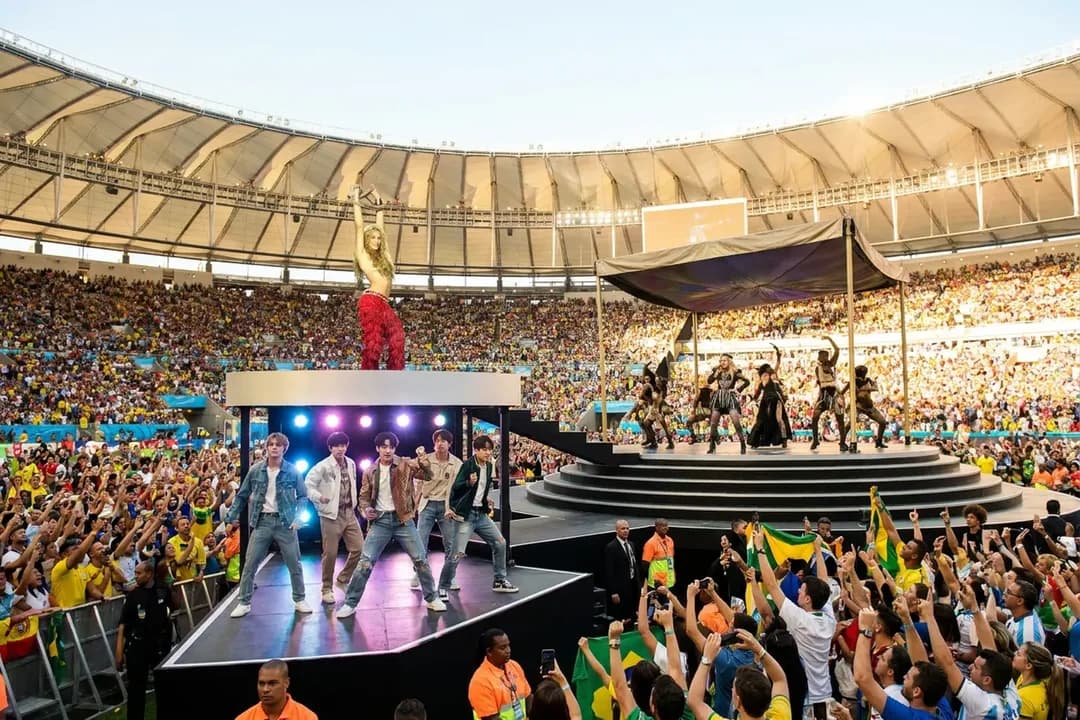
East Rutherford and New York City were at the center of global attention for the 2026 World Cup final, and halftime chatter quickly became its own information race. The confirmed lineup for FIFA’s first World Cup final halftime show featured Shakira, BTS, Madonna, Justin Bieber, Burna Boy, Coldplay and Christina Aguilera. Beyond that single confirmed list, fans should be careful with posts that claim surprise additions, secret guests or changed plans. A smart check starts with official sources, then moves through broadcaster schedules, artist channels, timestamps and the familiar warning signs of recycled rumor content.
Text Karpo before you share a viral post, and we can help build a personalized final-recap, viewing, celebration, food or city plan around what is actually confirmed.
Start With The Official Event Page
The cleanest first step is to look for the official event hub rather than a screenshot circulating on social media. FIFA’s final page is the natural starting point because it is tied to the tournament organizer, not a fan account, aggregator or anonymous poster. Official pages may not always answer every entertainment question immediately, but they establish the event identity, location and core framing. If a viral post cannot be connected back to an organizer page, treat it as unverified until stronger confirmation appears.
Fans should also note what an official page does not say. Rumor posts often fill silence with invented certainty, using phrases such as “locked in,” “sources say” or “just announced” without a traceable announcement. A real confirmation should point to a named organizer, official news release, broadcaster listing or verified artist channel. When the claim is only visible as a cropped graphic, a reposted caption or a video with no original source, the safest conclusion is not that it is false, but that it is unconfirmed.

Check Broadcaster Listings Without Guessing
Broadcaster schedules are useful because they show how a live event is being packaged for viewers. When a halftime-show claim appears, check whether the rights-holding broadcaster has a program entry, preview page or official listing that matches the claim. This is different from relying on a random TV guide screenshot, which can be edited or outdated. A broadcaster may confirm coverage windows, event titles or special programming, but fans should avoid assuming that every promo image confirms every artist rumor.
It is also important to separate a broadcaster’s coverage plan from a performer announcement. A listing for the final, a pregame show or extended coverage does not automatically verify a viral lineup. Look for wording that specifically names performers or refers to the halftime show as part of the official broadcast package. If the schedule only says the final will air, that is not enough. Good verification means matching the exact claim, not stretching a related listing until it seems to fit.
Use Artist Channels As Secondary Confirmation
Verified artist channels can help confirm participation, but they should be read carefully. Official websites, verified social accounts and newsletters are stronger than fan pages or repost accounts. A genuine artist confirmation usually appears in a clear post, event listing or announcement that matches the tournament and date. Still, not every artist posts every appearance in the same way, and silence on an artist page does not automatically disprove an official event confirmation from the organizer or broadcaster.
The biggest mistake is treating a fan-made poster as an artist announcement because it uses professional photos or familiar logos. High-quality design is not proof. Check whether the post comes from the artist’s verified account, whether it links to an official page and whether the caption gives specific event context. If a claim names extra guests beyond confirmed information, each added name needs its own verification trail. One confirmed performer does not make every companion rumor credible.
Read Date Stamps Before Reading Captions
Date stamps can expose many World Cup halftime rumors quickly. Search results and social feeds often mix fresh articles, old festival posts, past tour announcements and unrelated entertainment news. Before believing a claim, check when the post was published, when it was updated and whether it refers to the correct tournament year. A headline may look current in a screenshot, but the original page might be months old, updated for a different reason or tied to an entirely separate event.
Fans should be especially careful with posts that say “tonight,” “this Sunday” or “confirmed today” without showing the original date. Those words expire fast but keep circulating. If a post was shared after the final, it may be summarizing confirmed information, while a post shared before confirmation may have been speculative. The timeline matters. Verification works best when you ask three questions in order: when was this posted, who posted it and does the exact claim still match current official information?
Spot The Rumor Warning Signs
Viral lineup rumors often share the same warning signs. Be skeptical of graphics with too many names, no source line, mismatched fonts, blurry logos or captions demanding that fans “share before it is deleted.” Another red flag is a post that claims exclusive knowledge while offering no link, document or accountable publisher. Rumors also tend to stack celebrity names to maximize clicks. The more dramatic the claim, the more it needs a direct path back to an official source.
Watch for language that blurs confirmation with possibility. Words such as “expected,” “reportedly,” “could join,” “in talks” and “rumored” are not the same as confirmed. Entertainment coverage sometimes discusses speculation responsibly, but social reposts can strip away that context. If a headline says one thing and the body says another, trust the more cautious wording. Fans can still enjoy anticipation without spreading certainty. The goal is not to kill excitement; it is to keep the public record clean.
Build A Quick Verification Routine
A reliable routine takes less than a minute. First, search the official event page. Second, check whether a known broadcaster has a matching listing or announcement. Third, look at the named artist’s verified channels. Fourth, compare dates and wording across all three places. If at least one official source clearly confirms the exact claim, it is stronger. If every result leads back to the same unsourced graphic or recycled caption, the claim should stay in the rumor category.
When friends send a viral lineup post, respond with the source question instead of an argument. Ask where it was announced, whether the link is official and whether the date matches the final. This keeps the conversation practical and avoids turning entertainment news into a fight. For major global events, misinformation is often shared by excited fans, not bad actors. A calm verification habit helps everyone enjoy the moment while avoiding false certainty about performers, guests or programming.
Tags: #WorldCup2026
Sources consulted: World Cup final halftime show report · FIFA final hub
All trademarks are the property of their respective owners.
Ask Karpo First
Ask Karpo to help verify a World Cup halftime claim, plan your viewing setup or map a post-final celebration around confirmed information.
Ask Karpo for more information.
Keep reading
- Haaland Has Seven Goals and Norway Runs Entirely Through Him
 World Cup Trophy Ceremony Timing Medals and Postmatch Celebrations
 Olise and France's Attack: The Semifinal Tactical Question