 Haaland Has Seven Goals and Norway Runs Entirely Through Him
⚽️2026 FIFA WORLD CUP
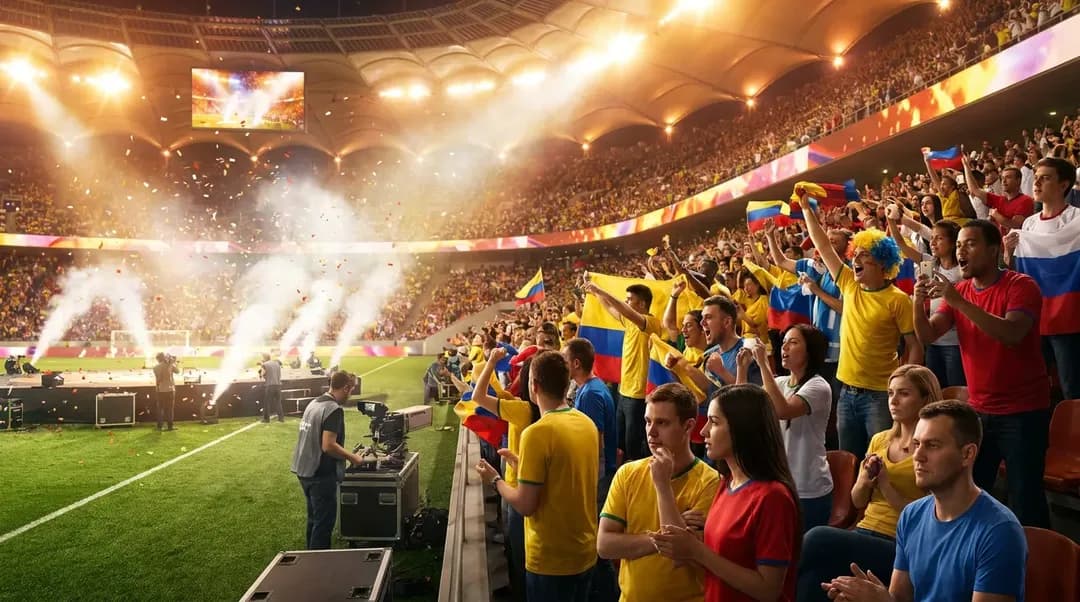
Why the World Cup Halftime Show Divided Football Fans
The 2026 World Cup final introduced a star-studded halftime performance to football's biggest stage, sparking immediate debate. From East Rutherford, the clash between global entertainment and tournament tradition revealed deeper questions about the sport's identity.
The 2026 World Cup final in East Rutherford marked a historic departure from tradition when FIFA introduced its first-ever halftime show to the championship match. The performance lineup brought together Madonna, Shakira, BTS, Justin Bieber and Burna Boy on a single stage, creating a spectacle that immediately divided the global football community. According to Associated Press reporting and public reactions documented across multiple platforms, the entertainment showcase generated both enthusiastic support and sharp criticism from fans watching the tournament's climactic match.
Text Karpo at [number] to get real-time updates on major football tournament decisions, format changes, and the stories behind the headlines that shape the sport's future.
The Spectacle That Changed a Final
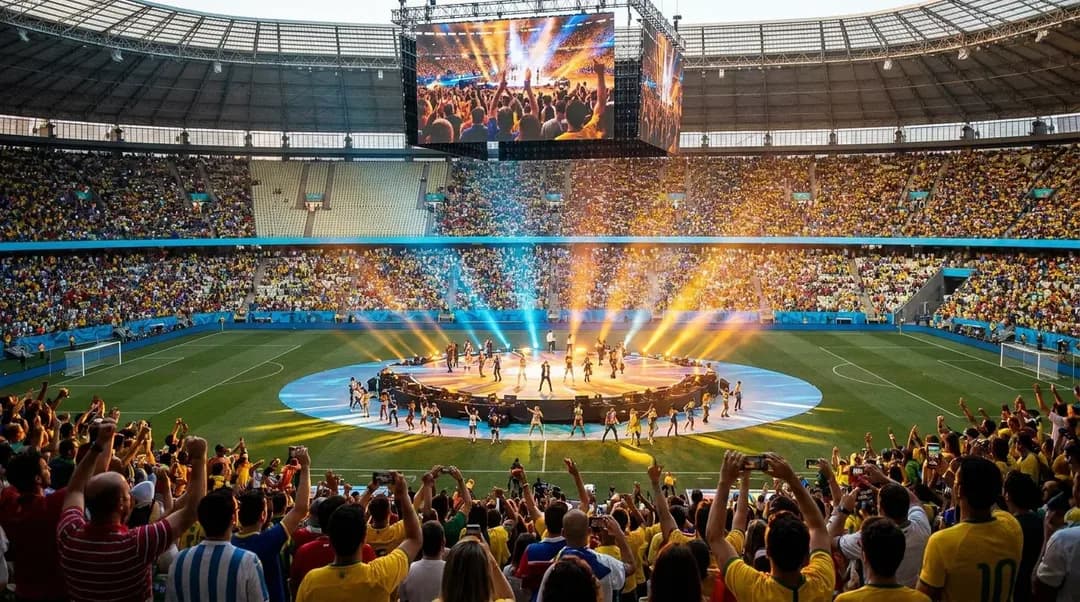
MetLife Stadium in East Rutherford became the venue where FIFA reimagined what a World Cup final could include. The decision to incorporate a major halftime performance aligned the tournament with entertainment models familiar to American sports audiences, particularly the Super Bowl. The artist selection represented multiple continents and musical genres, from Madonna's pop legacy to Burna Boy's Afrobeats influence, with BTS bringing K-pop's massive global following into the mix.
The production required coordination between FIFA's tournament operations and entertainment logistics on an unprecedented scale for a World Cup final. Stadium crews transformed the pitch during the interval, while broadcast partners managed coverage that needed to serve both the traditional football audience and viewers tuning in specifically for the musical performances. The execution demanded precision that left little room for the spontaneous atmosphere that typically defines World Cup halftime intervals.
Tradition Meets Transformation
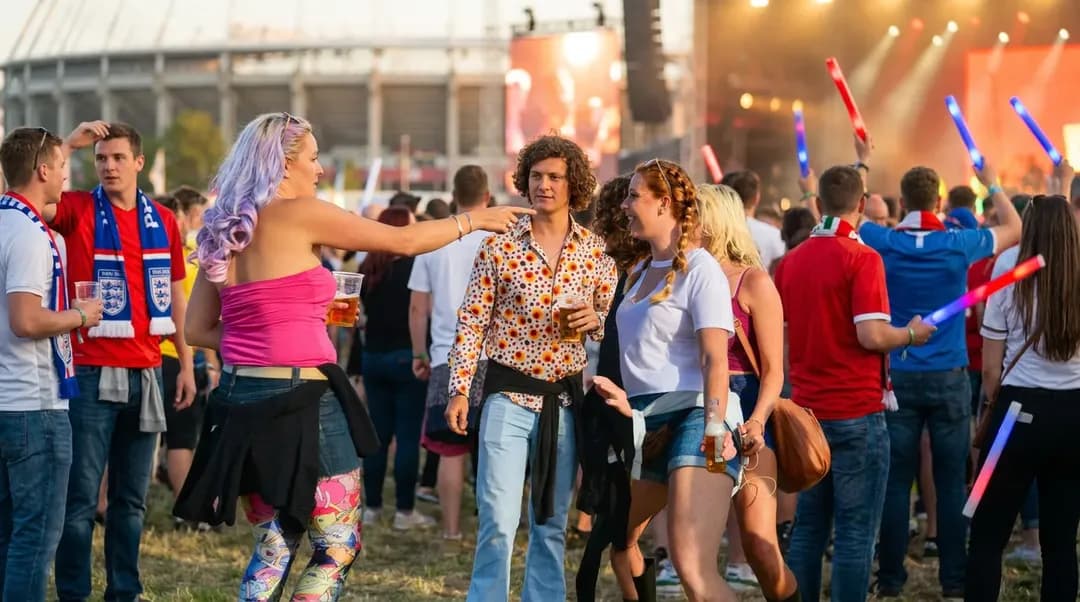
For decades, World Cup finals maintained a relatively simple halftime structure focused on analysis and brief ceremonial elements. Fans accustomed to this format expressed concern that the entertainment addition fundamentally altered the character of football's most important match. The criticism centered not on the artists themselves but on the principle of introducing elements borrowed from other sporting contexts into a tournament with its own established identity.
Supporters of the traditional approach argued that the World Cup final possesses sufficient drama and significance without supplementary entertainment. The 15-minute interval has historically served as a moment for tactical adjustments, fan anticipation, and broadcast analysis that deepens understanding of the match itself. Adding a major performance, these voices suggested, shifts focus away from the football and toward a broader entertainment experience that may not align with what brought audiences to the tournament.
The Reach Argument
Advocates for the halftime show pointed to the potential for expanding football's audience through entertainment crossover. The artist lineup represented combined social media followings in the hundreds of millions, theoretically exposing the World Cup final to demographics that might not otherwise watch a full match. This reasoning aligns with broader sports marketing strategies that view major events as opportunities to build new fan bases rather than solely serving existing ones.
The geographical context of hosting the 2026 tournament across North America provided additional rationale for the entertainment integration. The United States sports market has long blended athletic competition with elaborate productions, making the halftime show feel more natural in this setting than it might in other World Cup host nations. Proponents suggested that adapting to regional expectations could strengthen football's position in markets where the sport competes with established entertainment juggernauts.
What the Reactions Revealed
The documented responses to the halftime show displayed the full spectrum of fan sentiment. Enthusiasm came from those who appreciated the celebration of global musical talent and saw the performance as enhancing the final's status as a worldwide event. Critics expressed frustration that the World Cup had borrowed from other sports rather than maintaining its distinctive character, with some viewing the change as unnecessary Americanization of an international tournament.
What emerged from the debate was less about the quality of the performances and more about fundamental questions of tournament identity. The divide illustrated differing philosophies about whether major sporting events should evolve to incorporate broader entertainment elements or preserve the traditions that distinguish them from other spectacles. Neither perspective questioned the legitimacy of the other, instead highlighting genuine tension between growth strategies and cultural preservation.
The Broadcast Calculation
Television networks and streaming platforms faced unique challenges in covering the entertainment addition. Traditional World Cup broadcasts devote halftime to tactical breakdowns, player statistics, and expert commentary that serves the football audience. The halftime show required broadcasters to balance these elements with entertainment coverage, potentially compromising depth of analysis while attempting to satisfy multiple viewer segments with conflicting interests.
The viewing experience differed significantly depending on which broadcast feed audiences accessed. Some international broadcasters maintained focus on football analysis while acknowledging the performance, while others provided full entertainment coverage. This fragmentation suggested that even media partners struggled with how to integrate the new element into their World Cup final programming, reflecting the broader uncertainty about whether the addition enhanced or complicated the viewing proposition.
Looking Beyond 2026
The introduction of a World Cup final halftime show sets a precedent that future tournament organizers will need to address. Whether the format becomes standard practice or remains specific to the 2026 edition will depend partly on how FIFA interprets the fan response and broadcast data. The decision carries implications beyond a single match, potentially influencing how the organization balances commercial opportunities with tournament traditions in future planning.
The debate itself may prove more significant than the immediate outcome. By forcing conversations about what elements define the World Cup experience and which aspects remain open to evolution, the halftime show controversy revealed that fans hold strong but divergent views about the tournament's identity. Recognizing this divide without dismissing either perspective suggests that future format decisions will require careful consideration of how growth initiatives align with the qualities that made the World Cup culturally significant in the first place.
Tags: #WorldCup2026 #FootballTradition #HalftimeShow #FIFAFinal #SportsEntertainment #EastRutherford #WorldCupDebate #FootballCulture
All trademarks are the property of their respective owners.
Ask Karpo First
Before forming your opinion on tournament format changes, get the full context behind the decisions that shape football's biggest events. Karpo delivers the background, stakeholder perspectives, and documented reactions that help you understand why controversies emerge and what they reveal about the sport's direction. Whether you prioritize tradition or embrace evolution, starting with complete information ensures your perspective rests on substance rather than headlines.
Ask Karpo for more information.
Keep reading
- Haaland Has Seven Goals and Norway Runs Entirely Through Him
 World Cup Trophy Ceremony Timing Medals and Postmatch Celebrations
 Olise and France's Attack: The Semifinal Tactical Question