 Haaland Has Seven Goals and Norway Runs Entirely Through Him
⚽️2026 FIFA WORLD CUP
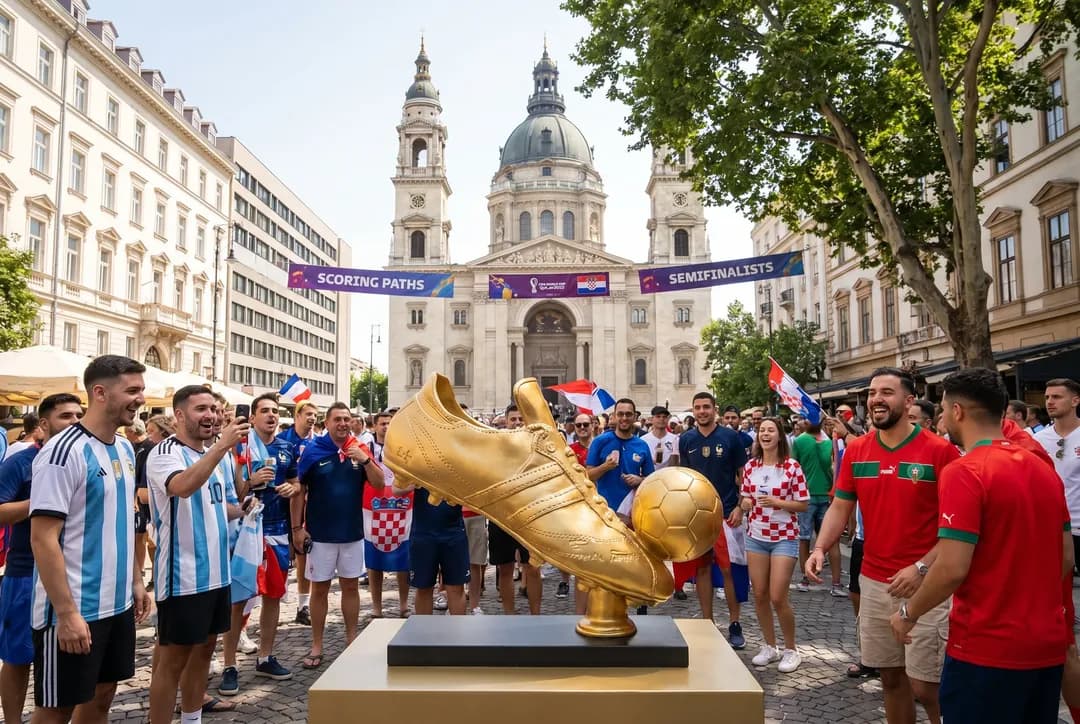
World Cup Golden Boot Race and Semifinal Scoring Paths
As the World Cup semifinals approach, the race for the Golden Boot remains wide open, with assists and minutes played serving as potential tiebreakers. Understanding how goals in the final rounds can reshape the leaderboard helps fans follow one of the tournament's most prestigious individual honors.
The FIFA World Cup Golden Boot award recognizes the tournament's top scorer, but the race rarely concludes before the final whistle of the championship match. As teams advance to the semifinals, every goal carries double significance: it pushes nations closer to the trophy while potentially securing individual glory for the scorer. The Golden Boot race intensifies in these final matches because fewer games remain, meaning a single goal can vault a player from outside contention to the top of the leaderboard. With Dallas, Atlanta, and New York hosting key matches in the 2026 tournament, fans across North America will witness these decisive moments firsthand.
Updated August 2026: World Cup schedules, stadium policies, player statistics, broadcast details, and post-match records can change quickly. Check the linked FIFA, stadium, broadcaster, or tournament sources in the Sources section before using this guide for travel, tickets, viewing plans, or factual citation.
Planning to catch the semifinals or final? Text Karpo to build a personalized match-day plan—whether you need the fastest route to the stadium, pre-game dining spots near your seat, or watch-party venues with the best atmosphere. Karpo helps you experience every goal and every Golden Boot moment without the logistics stress.
How the Golden Boot Scoring System Works
The Golden Boot goes to the player who scores the most goals during the World Cup, counting every match from the group stage through the final. If two or more players finish tied on goals, FIFA applies tiebreakers in sequence: first, the player with the most assists wins; if still tied, the player with fewer minutes played takes the award. This system rewards not only prolific scoring but also creative playmaking and efficiency on the pitch.
Editors should insert current verified goal totals from FIFA's official statistics page before publication, as inventing or estimating these figures compromises accuracy. The tiebreaker rules mean that a player trailing by one goal entering the semifinals can still claim the Golden Boot by scoring twice while the current leader blanks, or by matching the leader's total but holding an assist advantage. These scenarios make the final matches particularly compelling for individual achievement tracking.

Semifinal Matches Create Pivotal Opportunities
The semifinals represent the penultimate chance for players to add to their goal tallies, and the high stakes often produce open, attacking football. Teams that have defended cautiously through earlier knockout rounds sometimes adopt more aggressive tactics when just one win separates them from the final. This shift in approach can create scoring chances for forwards who have been quiet in previous matches, suddenly injecting new names into the Golden Boot conversation.
Historically, semifinal matches have reshaped the Golden Boot race more dramatically than any other stage. A hat trick in a semifinal can transform a mid-table contender into the frontrunner overnight. Conversely, the current leader might play for a team that adopts a defensive posture to protect a narrow advantage, limiting scoring opportunities. The asymmetry of semifinal results—one team advances while another exits—means that Golden Boot contenders face vastly different circumstances in their final one or two matches.
The Final and Third-Place Match Factor
After the semifinals, only two matches remain: the third-place match and the final. The third-place match often features more goals than the final because teams play with less defensive caution, having already missed their primary objective. Players on losing semifinal teams who lead or trail closely in the Golden Boot race have one last opportunity to pad their totals, and they frequently approach the third-place match with individual honors as added motivation.
The final itself typically produces fewer goals due to the immense pressure and tactical conservatism both teams employ. However, a goal in the final carries symbolic weight that transcends the Golden Boot—scoring in the championship match cements a player's legacy regardless of whether they claim the top scorer award. For players tied or within one goal of the lead entering the final, the tension between team success and individual achievement reaches its peak. A Golden Boot winner who also lifts the World Cup trophy achieves a rare double that defines careers.
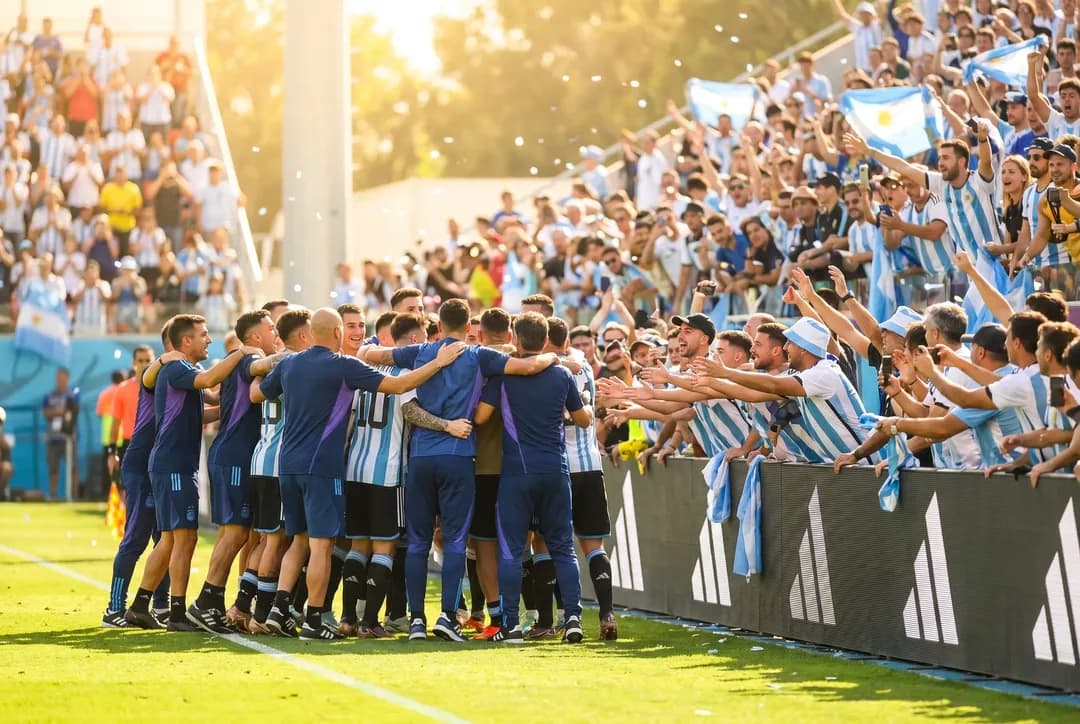
Assist Totals as the Critical Tiebreaker
When players finish level on goals, the assist tiebreaker often determines the Golden Boot winner, making creative midfielders and unselfish forwards viable contenders even if they trail in pure goal totals. An assist is awarded to the player who makes the final pass or cross leading directly to a goal, and FIFA's technical study group reviews disputed cases to ensure accurate crediting. This tiebreaker rewards players who contribute to their team's success beyond personal scoring.
In the semifinals and final, players aware of their assist totals relative to Golden Boot rivals may adjust their decision-making in the attacking third. A player tied on goals but trailing on assists has incentive to shoot rather than pass in marginal situations, while a player leading on assists might play more conservatively to protect that advantage. These subtle tactical considerations add a psychological dimension to the race, as players balance team tactics with personal achievement in real time during the tournament's most important matches.
Minutes Played and Efficiency Metrics
If players remain tied after comparing assists, the Golden Boot goes to whoever played fewer minutes—a measure of scoring efficiency. This tiebreaker rarely decides the award but has applied in past tournaments, rewarding players who made the most of limited playing time. A substitute who scores multiple goals across brief appearances can theoretically claim the Golden Boot over a starter with the same goals and assists but far more minutes on the pitch.
The minutes-played tiebreaker creates interesting scenarios in the semifinals and final. A player leading the race might be substituted late in a match to preserve the minutes advantage, while a trailing player needs to stay on the pitch to have any chance of scoring. Coaches must balance these individual considerations against team needs, particularly in knockout matches where squad rotation and fresh legs in extra time can determine advancement. The efficiency metric adds a layer of strategy that extends beyond the players themselves to the coaching decisions that shape their opportunities.
Watching the Race Unfold Across Host Cities
With Dallas, Atlanta, and New York among the 2026 host cities, fans in these metropolitan areas will have front-row access to matches that could decide the Golden Boot. Each city brings distinct stadium atmospheres and fan cultures, and the energy in the stands often influences the attacking ambition teams display. A raucous crowd can inspire the kind of open, goal-filled match that produces Golden Boot heroics, while a more subdued environment might contribute to cautious, low-scoring affairs.
For fans tracking the Golden Boot race, attending matches in person offers the advantage of seeing player positioning and movement that television broadcasts miss. Observing how a Golden Boot contender finds space in the box, times runs behind the defense, or links up with teammates provides insight into whether they are likely to add to their tally. The race adds a compelling individual narrative to the team competition, giving fans an additional storyline to follow as the tournament reaches its climax. Whether the winner emerges from a finalist or claims the award after exiting in the semifinals, the Golden Boot race remains one of the World Cup's most watched individual battles.
Tags: #WorldCup2026 #GoldenBoot #Dallas #Atlanta #NewYork #SoccerStats #FIFAWorldCup #SemifinalMatches
Sources consulted: FIFA World Cup 26 statistics
All trademarks are the property of their respective owners.
Ask Karpo First
Following the Golden Boot race across multiple matches and cities? Text Karpo for a customized plan that covers stadium access, neighborhood dining, and backup watch-party locations if tickets sell out. Karpo turns the logistics into a solved problem so you can focus on every goal, assist, and tiebreaker that shapes the race.
Ask Karpo for more information.
Keep reading
- Haaland Has Seven Goals and Norway Runs Entirely Through Him
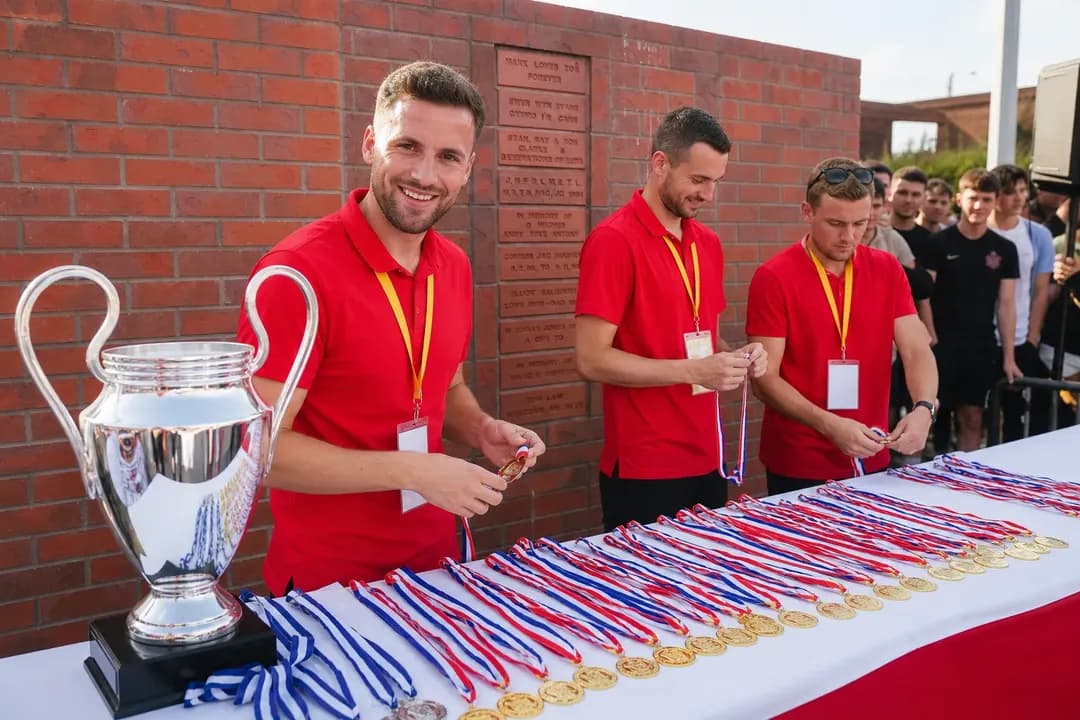 World Cup Trophy Ceremony Timing Medals and Postmatch Celebrations
 Olise and France's Attack: The Semifinal Tactical Question