 Haaland Has Seven Goals and Norway Runs Entirely Through Him
⚽️2026 FIFA WORLD CUP
World Cup Final Recovery Days Travel Distance and Preparation Edge
Spain are confirmed for the July 19, 2026 World Cup final at New York New Jersey Stadium. The other finalist remains pending from England versus Argentina, making recovery time, travel distance, and preparation logistics the story to watch.
The 2026 World Cup final is scheduled for July 19 at New York New Jersey Stadium, bringing the tournament’s biggest match to the New York · New Jersey region. Spain have qualified, while the second finalist is still pending from England versus Argentina, so the competitive picture is only partly set. What is already clear is that the final will not be shaped by talent alone. Recovery days, travel distance, hotel routines, training access, media obligations, and the emotional reset after the semifinal will all influence how prepared each team looks when the match arrives.
Text Karpo before final weekend for a personalized New York · New Jersey match-day plan built around your starting point, timing, budget, viewing preference, and food stops. Whether you are going to the stadium, watching near transit, meeting friends in Manhattan, Jersey City, Newark, or Hoboken, or trying to avoid the biggest crowds, Karpo can help turn the final into a smoother day instead of a last-minute scramble.
Why recovery days matter before a World Cup final
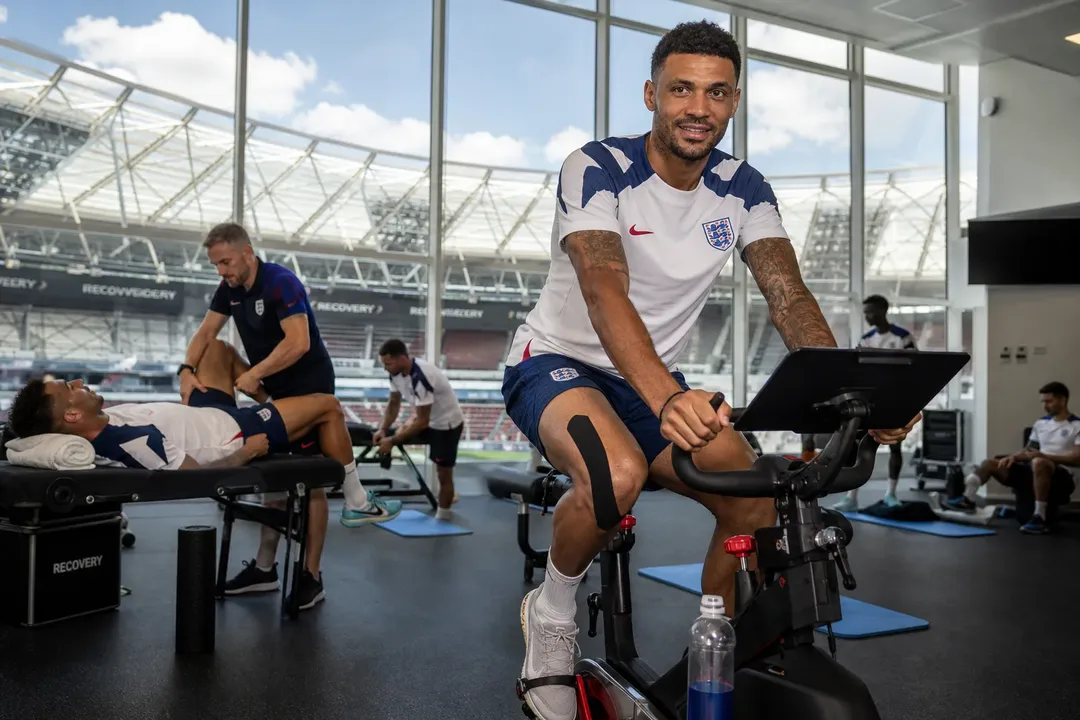
A World Cup final is often discussed through tactics, form, and star players, but the days between the semifinal and the final are a competition of their own. Players must come down from one of the most intense matches of their careers, complete recovery sessions, manage soreness, sleep properly, and refocus for an opponent that may have a very different style. Spain already know they are in the final, but the identity of the opponent remains pending until England versus Argentina is complete and officially confirmed.
The preparation edge is not only about having one more day of rest, although that can matter. It is also about the quality of that rest. A team that travels efficiently, avoids disrupted sleep, limits unnecessary movement, and keeps a stable training rhythm may arrive sharper than a team that spends valuable hours managing logistics. Fans should be careful with rumors about training schedules, injuries, or private team movements. Those details should be treated as unverified unless announced by the teams, FIFA, or recognized official channels.

Spain’s confirmed place gives planners one fixed point
Spain’s qualification gives supporters, broadcasters, hospitality venues, and local planners one confirmed anchor for the July 19 final. Spanish fans can now plan their New York · New Jersey weekend around a guaranteed appearance, while neutral fans can begin thinking about the likely atmosphere, viewing areas, and travel windows. Still, nobody should assume the second finalist, kickoff adjustments, lineups, or ceremony timing until those details are officially posted.
For Spain, the advantage of certainty is partly psychological. The team can begin preparing for the final environment without waiting to know whether England or Argentina will stand across from them. That does not mean Spain can fully plan the match tactically yet, because England and Argentina present different challenges. It does mean the staff can organize recovery protocols, media routines, and travel details around the confirmed date and venue. That kind of structure can reduce noise in a week when pressure will be enormous.
England versus Argentina keeps the other side pending
The second finalist is not confirmed yet and should be described as pending from England versus Argentina. Until that match is officially complete, it would be inaccurate to write that Spain will face either team in the final. Fans tracking updates should use the FIFA World Cup 26 schedule and results page and the FIFA tournament hub to verify the bracket, final participant, match status, and any official changes. Social media posts can move quickly, but speed is not the same as confirmation.
The pending semifinal also matters for preparation analysis. England and Argentina may come through different kinds of matches: one could advance after a physically draining contest, an emotionally tense finish, extra pressure moments, or a more controlled performance. Without verified details, no one should invent the way that semifinal unfolds. The safest analysis is conditional: whichever team advances will need to manage the physical and mental transition from a high-stakes semifinal into the final stage in the New York · New Jersey area.
Travel distance can become a quiet competitive factor
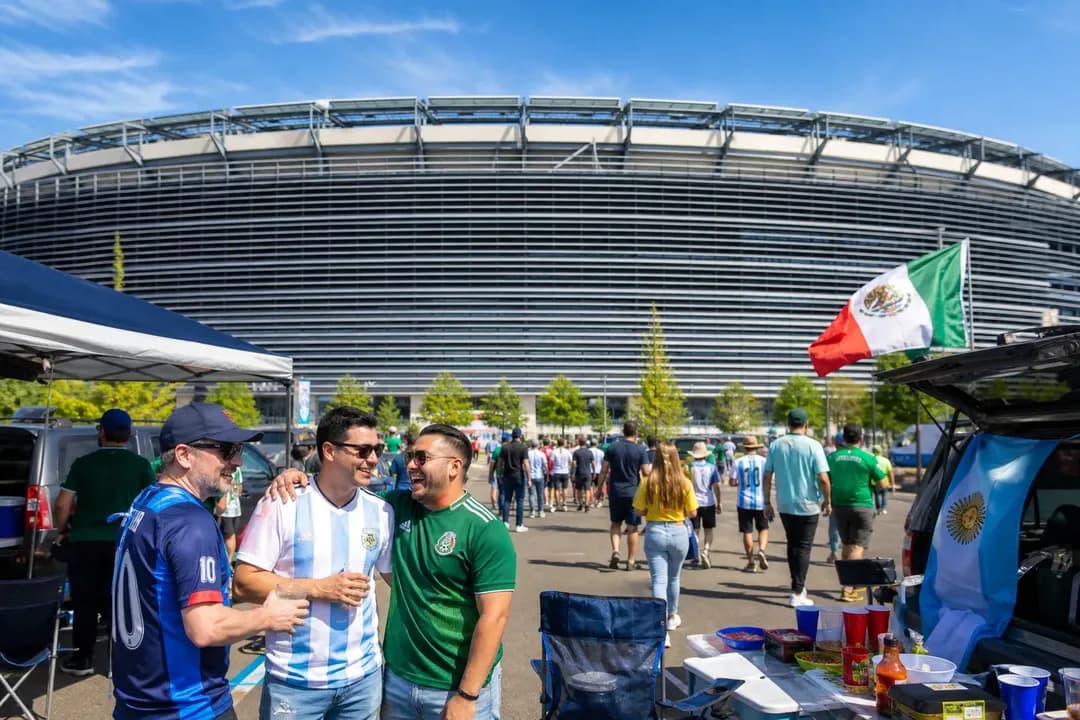
In a tournament spread across North America, travel distance can quietly influence performance. Long transfers, late arrivals, hotel changes, and disrupted sleep can matter when margins are thin. The final being set for New York New Jersey Stadium means both teams must ultimately prepare around the same destination, but how they get there, how quickly they settle, and how well they control the environment around the squad may affect readiness. The public should not assume exact routes, arrival times, or team hotels unless those are officially disclosed.
The New York · New Jersey region adds its own layer of complexity because movement can be shaped by bridges, tunnels, rail lines, road congestion, security zones, and event-day demand. That does not mean fans should expect specific transit changes, because none should be invented before official announcements. It does mean supporters should build flexible plans, allow extra time, and verify transportation updates through official transit agencies, venue communications, and FIFA match information. A final weekend plan should have a primary route and a backup route.
Preparation edge is more than tactics
The preparation edge before a final includes tactical study, but it also includes recovery science, nutrition, hydration, sleep timing, emotional control, and media management. Spain can study both possible opponents while maintaining a broader final-week structure. The England-Argentina winner, once confirmed, will have to quickly shift from celebration to problem solving. That shift is difficult because a semifinal win can create emotional highs that must be managed before the most important match of the tournament.
Tactical preparation will remain incomplete until the second finalist is known. Spain’s staff can prepare separate frameworks for England and Argentina, but final choices depend on verified opposition, player availability, and training observations that the public may not know. Readers should avoid treating predicted lineups, injury claims, or supposed dressing-room information as fact. A smart preview separates confirmed information from analysis. Confirmed: Spain are in the final, the date is July 19, and the venue is New York New Jersey Stadium. Pending: the opponent and all match-specific details not officially announced.
How fans should verify final updates before July 19
The simplest way to stay accurate is to check the FIFA World Cup 26 schedule and results page for match listings, confirmed teams, and official status. The FIFA World Cup 26 tournament hub is also the place to follow official tournament information. Fans should use those sources before making claims about the second finalist, kickoff changes, match timing, or bracket updates. If a post online says the final has changed or names details not shown by official sources, treat it as unconfirmed until verified.
For local plans, fans should also check venue guidance and official transportation channels closer to match day. Do not rely on assumptions about parking, road closures, rail frequency, security screening, or ticket availability. A final in the New York · New Jersey area will reward people who plan early but stay flexible. The competitive story may be Spain’s recovery and the pending opponent’s turnaround, but the fan story is similar: the best day belongs to those who verify, adapt, and avoid last-minute guesswork.
Tags: #WorldCup2026
Sources consulted: FIFA World Cup 26 schedule and results · FIFA World Cup 26 tournament hub
All trademarks are the property of their respective owners.
Ask Karpo First
Text Karpo with where you are starting, how many people are going, and whether you want stadium travel, a watch-party plan, food nearby, or a low-stress route for World Cup final day.
Ask Karpo for more information.
Keep reading
- Haaland Has Seven Goals and Norway Runs Entirely Through Him
 World Cup Trophy Ceremony Timing Medals and Postmatch Celebrations
 Olise and France's Attack: The Semifinal Tactical Question