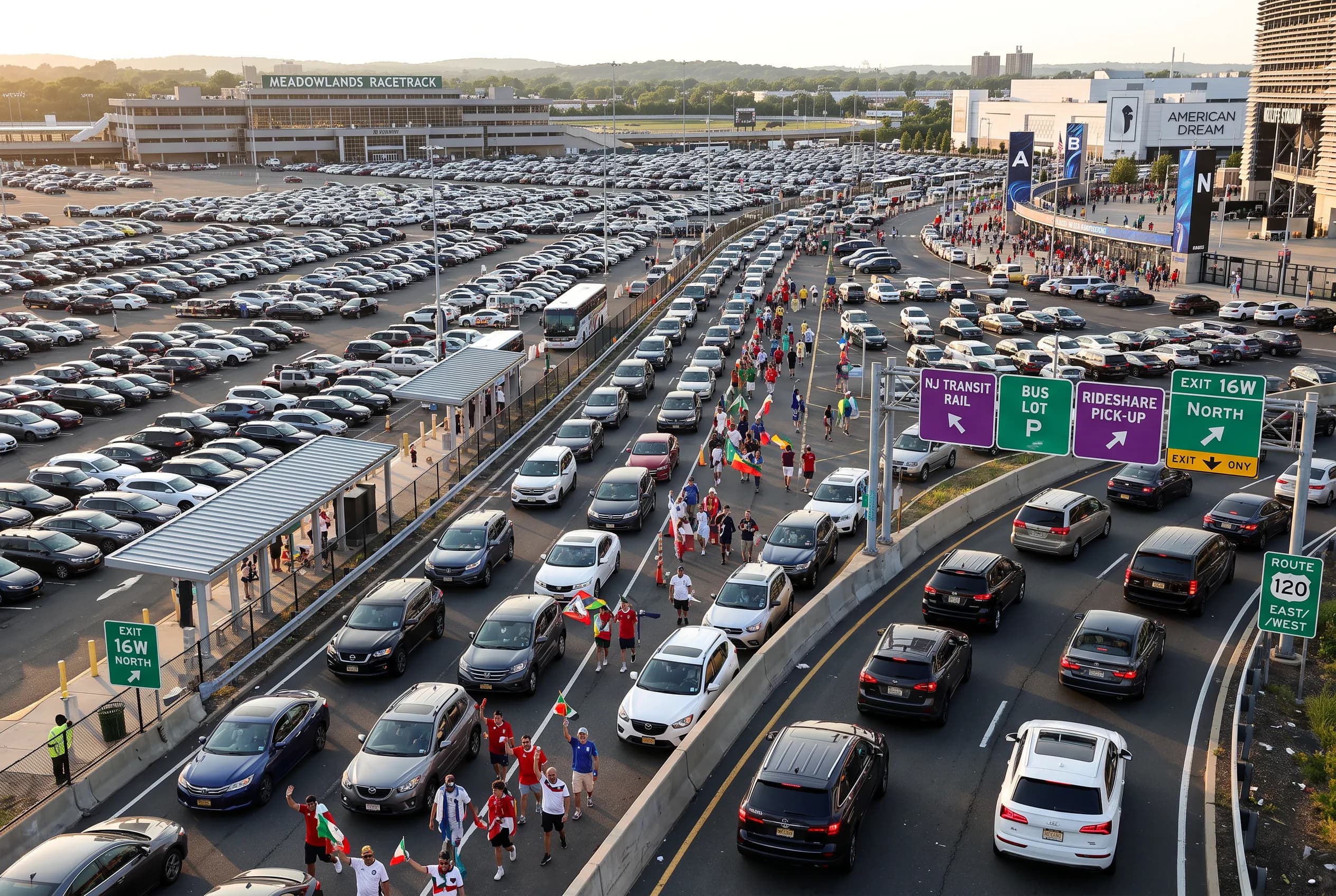
When the 2026 FIFA World Cup final whistle blows at MetLife Stadium, 82,500 fans will funnel toward 28,000 parking spaces spread across color-coded lots surrounding the venue. The instinct to park closest to your gate makes sense for arrival convenience, but it creates a costly blind spot: your post-match destination determines which lot delivers the fastest escape. A fan heading south to the Jersey Shore who parks in the nearest Orange Lot may sit in traffic for ninety minutes, while someone who parked in the western Blue Lot reaches the Garden State Parkway in twenty. MetLife's parking ecosystem rewards directional thinking, prepaid planning, and a willingness to walk an extra five minutes to save an hour on the road.
Karpo builds personalized match-day routes that factor in your approach direction, kickoff time, and post-match destination—whether you're heading to Newark Airport, Manhattan, or home to Pennsylvania. Text us your travel plan and we'll map the lot that aligns with your exit strategy, not just your gate. Get your custom World Cup parking blueprint before lots sell out.
Why Prepaid Parking Is Non-Negotiable for World Cup Matches
MetLife Stadium requires prepaid parking for all FIFA World Cup matches, eliminating the cash-lane option that exists for regular-season NFL games. This policy serves dual purposes: it guarantees revenue for high-demand events and allows organizers to control traffic flow by distributing vehicles across designated lots before match day. Fans who arrive without a prepaid pass will be turned away at access points, forcing them into expensive off-site commercial lots that add shuttle time and unpredictability. The prepaid system also enables MetLife to communicate lot-specific entry instructions and closure times, reducing day-of confusion.
Purchasing parking through official MetLife Stadium channels ties your pass to a specific color-coded lot, which determines your entry route and available exit paths. Third-party resale platforms sometimes obscure lot assignments, leaving buyers uncertain whether their pass grants access to the eastern Orange Lot or the western Blue Lot—a distinction that matters enormously when 28,000 vehicles attempt simultaneous departure. Official passes include digital maps showing your lot's relationship to stadium gates, nearby highway ramps, and pedestrian bridges, information that becomes critical when you're navigating post-match crowds in fading daylight.
Matching Your Approach Direction to Lot Placement
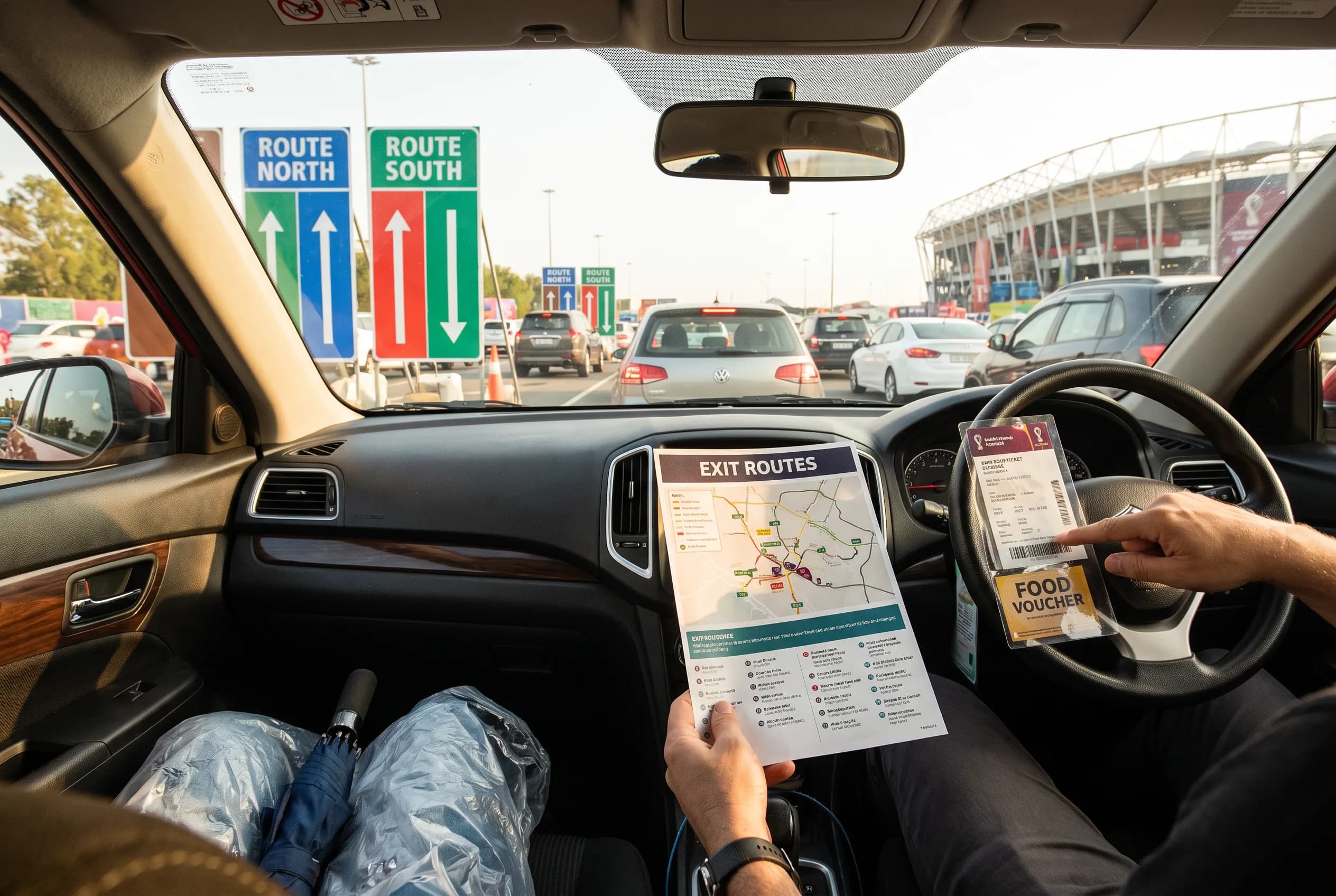
MetLife Stadium sits in the Meadowlands Sports Complex, accessible via New Jersey Route 3, Route 120, and the New Jersey Turnpike. Fans approaching from the west on Route 3 gain easiest access to the Blue and Green lots on the stadium's western flank, while those arriving via the Turnpike from the south naturally flow toward the Orange and Red lots on the eastern side. Fighting this directional logic by crossing the complex to reach a lot on the opposite side adds fifteen minutes to your arrival and forces you to navigate congested internal roads that prioritize outbound traffic after the match.
Your approach direction also previews your departure challenges. A fan traveling from upstate New York who parks in the eastern Orange Lot must cross the entire complex to reach westbound Route 3, threading through southbound traffic heading to the Turnpike. That same fan who parks in the western Blue Lot exits directly onto Route 3 westbound, bypassing the internal intersection bottleneck. MetLife's lot layout assumes most fans will park on the side they approached from and leave in the same direction, so swimming against that current doubles your exposure to congestion.
Post-Match Destination Planning Beats Gate Proximity
The nearest lot to your assigned gate offers the shortest pre-match walk, but that convenience evaporates if your post-match route requires crossing the complex or merging into traffic moving the opposite direction. A fan seated in the stadium's eastern sections who plans to drive north toward Rockland County after the match should consider parking in the northwestern Green Lot despite the longer walk, because that lot feeds directly onto northbound Route 120. Parking in the adjacent Orange Lot saves five minutes before kickoff but adds forty minutes after the final whistle, as you wait for southbound traffic to clear before making a left turn across three lanes.
Destination planning also accounts for highway access points beyond the immediate complex. The Blue Lot offers the fastest path to westbound Route 3, which connects to Route 46 and Interstate 80 for fans heading toward Pennsylvania or northwestern New Jersey. The Orange Lot prioritizes access to the New Jersey Turnpike southbound, ideal for travelers continuing to Princeton, Philadelphia, or points along the Delaware Valley. Fans bound for Manhattan or Newark Airport benefit from lots that minimize time spent on local roads, since the Lincoln Tunnel and airport access roads experience their own post-event surges.
How Lot Color Codes Correspond to Exit Routes
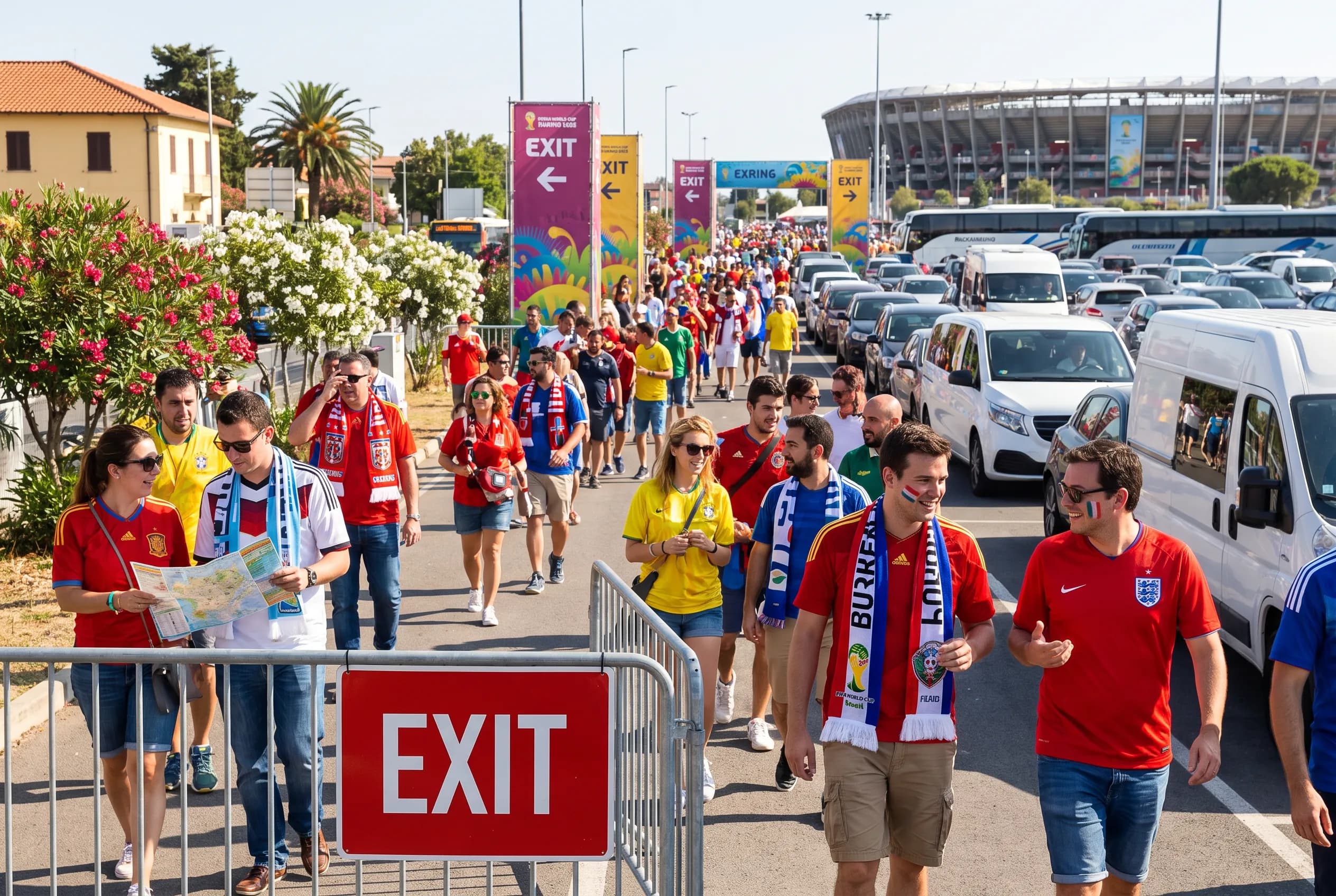
MetLife Stadium's color-coded lot system—Blue, Green, Orange, Red, and Yellow—organizes parking by geographic position rather than gate proximity. Blue and Green lots occupy the western side of the complex, with dedicated exit lanes onto westbound Route 3 and northbound Route 120. Orange and Red lots dominate the eastern side, channeling traffic toward the New Jersey Turnpike and southbound routes. Yellow lots, typically reserved for premium ticket holders and accessible parking, scatter across the complex with flexible exit options but limited capacity.
Each color-coded lot connects to specific exit gates controlled by traffic personnel who sequence vehicle release to prevent intersection gridlock. Blue Lot vehicles exit first onto Route 3 westbound, followed by Green Lot traffic merging onto Route 120 northbound. Orange and Red lots release in alternating waves to balance the load on Turnpike entrance ramps. This sequencing means that even within a favorable lot, your position in the departure queue depends on how quickly you return to your vehicle after the final whistle. Fans who linger for post-match ceremonies or bathroom stops may find their lot's exit gate temporarily closed while another lot's wave clears, adding unpredictable wait time.
Walking Distance Trade-Offs That Save Drive Time
A ten-minute walk from a strategically chosen lot often delivers a sixty-minute time savings compared to a three-minute walk from a poorly aligned lot. MetLife Stadium's pedestrian infrastructure includes elevated walkways and dedicated paths that make longer walks safer and faster than they appear on a map. The bridge connecting the western Blue Lot to the stadium's main gates moves foot traffic above vehicle congestion, allowing fans to cover a quarter-mile in eight minutes while cars below inch forward. Fans who prioritize minimal walking often park in the central Orange Lot, which sits directly adjacent to the eastern gates but empties into the complex's most congested intersection.
The psychological barrier to accepting a longer walk stems from pre-match energy levels and weather concerns, but post-match conditions reverse the calculation. After a two-hour match, most fans would gladly walk an extra five minutes to avoid sitting in a stationary vehicle for forty-five. The key is committing to the walk-for-speed trade-off before you arrive, when the parking lot still feels abstract. Once you've parked and walked to your gate, the sunk cost of that walk makes it emotionally harder to appreciate how much time you're saving on the back end.
Timing Your Departure to Avoid Peak Congestion
The first wave of departing vehicles—those who leave at the final whistle—faces the heaviest congestion as all lots release simultaneously and traffic personnel establish exit sequencing. Fans who delay their departure by fifteen minutes encounter lighter traffic but sacrifice the psychological satisfaction of beating the crowd. The optimal window often falls twenty to thirty minutes after the final whistle, when the initial surge has cleared exit gates but before lots close their outbound lanes to prioritize pedestrian safety. This timing requires planning: identifying a post-match meeting point, using stadium restrooms before returning to your vehicle, or simply sitting in your car with the engine off while the first wave passes.
MetLife Stadium's lot attendants begin redirecting traffic flow approximately ninety minutes after an event ends, closing certain exit lanes to allow pedestrians safe passage back to remote lots and shuttle pickup points. Fans who delay departure beyond this window may find their preferred exit route closed, forcing them onto secondary roads that loop back through the complex. The sweet spot balances avoiding the initial crush without lingering so long that your exit options narrow. For World Cup matches with global audiences and heightened emotions, expect the departure curve to stretch longer than a typical NFL game, as fans process the outcome and navigate unfamiliar surroundings.
Tags: #WorldCup2026 #MetLifeStadium #EastRutherford #NewJersey #ParkingStrategy #MatchDayPlanning #StadiumParking #TravelTips
Sources consulted: MetLife Stadium parking · FIFA World Cup 26
All trademarks are the property of their respective owners.
Ask Karpo First
Planning your World Cup final parking strategy means weighing approach routes, post-match destinations, and walking tolerance against real-time traffic patterns that shift throughout the day. Karpo synthesizes MetLife's lot layout, your travel endpoints, and match-day timing into a single actionable plan—no guesswork, no hour-long waits in the wrong lot. Text us your itinerary and let us map the route that gets you home while others are still searching for their exit.