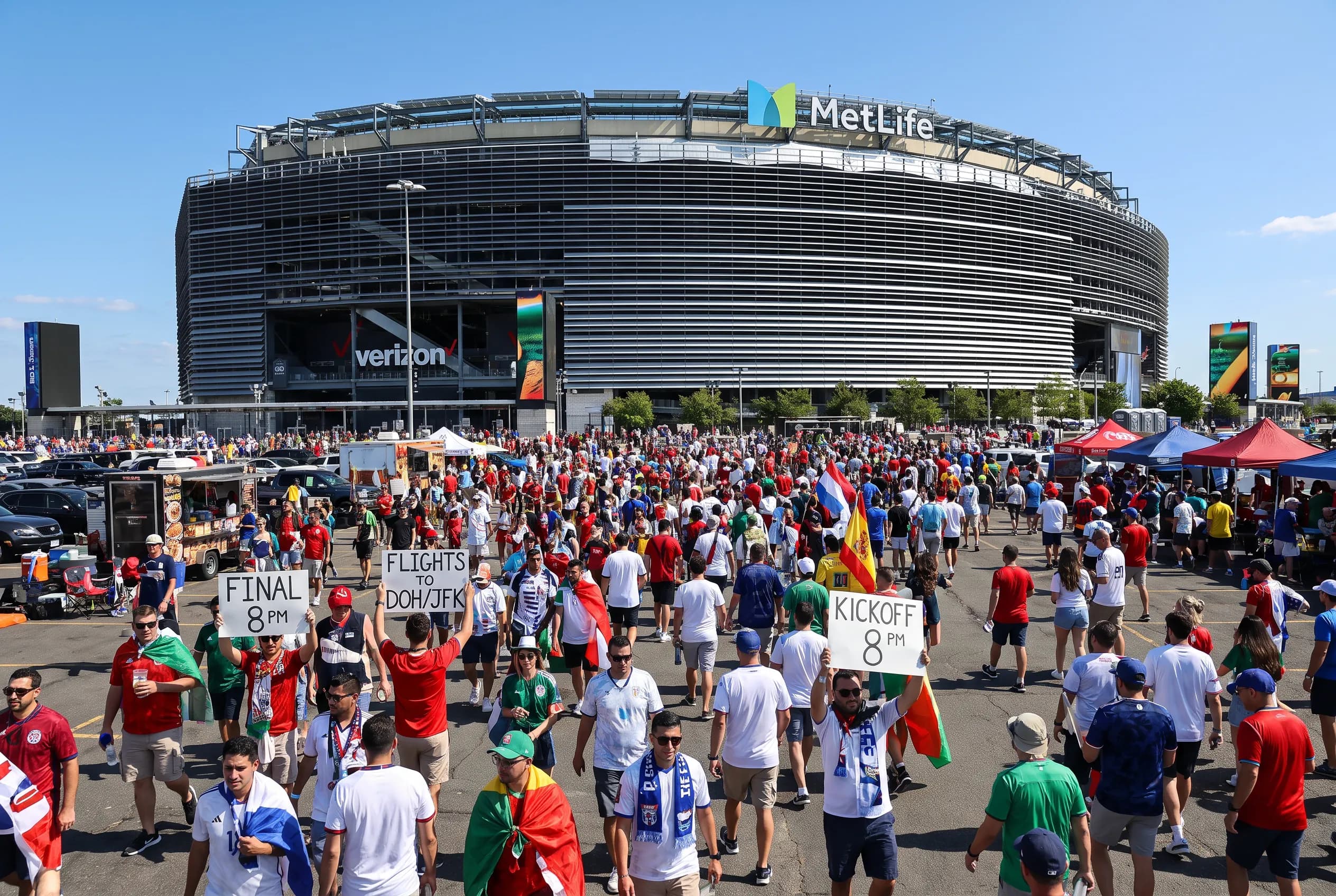
The 2026 FIFA World Cup final will take place on July 19, 2026, at MetLife Stadium in East Rutherford, New Jersey, marking the first time the tournament's championship match will be held in the New York metropolitan area. With the United States, Canada, and Mexico serving as co-hosts for the expanded 48-team tournament, supporters from across North America and beyond are already mapping their travel plans to witness soccer's most prestigious match. The stadium, officially listed as New York New Jersey Stadium in FIFA materials, sits approximately 8 miles west of midtown Manhattan and is primarily served by Newark Liberty International Airport, though travelers also have access to John F. Kennedy and LaGuardia airports. For fans booking flights and coordinating arrivals, understanding kickoff time conversions, airport proximity, and recommended travel buffers will prove essential to experiencing the final without logistical stress.
Planning your World Cup final weekend involves more than securing match tickets—it requires coordinating flights, ground transportation, pre-match activities, and contingency time for the unexpected. Whether you're flying in from Vancouver, Mexico City, Los Angeles, or overseas, Karpo can build a personalized arrival plan that accounts for your airport choice, kickoff time, preferred pre-match atmosphere, and backup options if delays occur. Text Karpo to receive a custom itinerary that turns your World Cup final trip into a seamless celebration rather than a race against the clock.
Kickoff Time Across North American Time Zones
While FIFA has not yet announced the exact kickoff time for the 2026 final, recent World Cup finals have typically started in late afternoon or early evening local time to maximize global television audiences. MetLife Stadium operates in the Eastern Time Zone, which means fans traveling from across the three host nations will need to account for time differences when booking return flights and planning their day-of-match schedule. If the final kicks off at 3:00 PM Eastern Time, that translates to 2:00 PM Central, 1:00 PM Mountain, and 12:00 PM Pacific—details that matter significantly for supporters flying in from the West Coast or Mexico on match day itself.
Canadian travelers face a simpler conversion landscape, with Toronto and Montreal sharing the Eastern Time Zone with New York and New Jersey, while Winnipeg sits one hour behind and Vancouver operates three hours earlier. Mexican fans in the Central Time Zone, including those in Mexico City, Guadalajara, and Monterrey, will be one hour behind the kickoff. These conversions become particularly important for fans considering same-day travel, as a noon Pacific kickoff leaves little margin for cross-country flights, airport delays, or unexpected ground transportation issues between the airport and stadium.
Newark Airport Proximity and Ground Transportation
Newark Liberty International Airport offers the most direct access to MetLife Stadium, located approximately 10 miles south of the venue. The airport serves as a major hub with extensive domestic and international flight networks, making it the logical choice for many World Cup final attendees. Ground transportation options from Newark include rental cars, ride-sharing services, and NJ Transit rail connections, though match-day traffic and security protocols will significantly extend typical travel times. On a standard day, the drive from Newark Airport to MetLife Stadium takes 20 to 30 minutes via Interstate 95 and New Jersey Route 3, but World Cup final conditions will demand much larger buffers.
Travelers using John F. Kennedy International Airport or LaGuarque Airport in New York will face longer ground transportation journeys, typically 60 to 90 minutes under normal conditions and potentially much longer on match day. The advantage of these airports lies in their broader flight options and potentially better availability during the peak summer travel season. Regardless of airport choice, fans should plan to arrive in the New York New Jersey area at least one full day before the final, allowing time to recover from travel, navigate any flight delays, and position themselves for a relaxed match-day experience rather than a stressful sprint from the terminal to the turnstiles.
Recommended Flight Arrival Windows
For domestic travelers, arriving the evening before the final provides the most reliable buffer against common disruptions. Flights scheduled to land by 8:00 PM on July 18 allow time to collect luggage, reach accommodations, and settle in without the pressure of same-day logistics. This approach also creates flexibility if your inbound flight experiences delays, cancellations, or missed connections—scenarios that become more likely during peak summer travel season when afternoon thunderstorms frequently disrupt East Coast airport operations. A night-before arrival also lets you explore pre-match fan zones, attend official events, or simply rest before the intensity of final day.
International travelers should consider arriving at least two days early, particularly those coming from Europe, Asia, or South America. Long-haul flights carry greater risk of delay, and the additional day provides cushion for customs processing, jet lag recovery, and acclimation to local conditions. Fans traveling from Mexico or Canada on shorter flights may feel comfortable with next-day arrivals, but even a three-hour flight from Vancouver or a four-hour journey from Cancún can turn problematic if weather, mechanical issues, or air traffic control delays enter the equation. The World Cup final happens once every four years—building in extra arrival time protects your investment in tickets, accommodations, and the overall experience.
Match Day Morning Flight Risks
Some fans consider flying in on the morning of July 19, particularly those traveling from nearby cities or trying to minimize hotel costs. This strategy carries substantial risk even under ideal conditions. A morning flight from Chicago, for example, takes roughly two hours, but that calculation excludes airport arrival time, security screening, potential delays, baggage claim, and ground transportation to the stadium. When you add recommended arrival at the airport 90 minutes before departure, plus two to three hours for the stadium journey and security screening at the venue, a seemingly simple morning flight becomes a logistical gamble with your World Cup final attendance at stake.
Weather represents another critical variable for match-day morning flights. July in the northeastern United States frequently brings afternoon thunderstorms that cause cascading delays across the national air traffic system. A storm in Atlanta or Chicago can delay your departure from Dallas or Toronto, and summer heat can create air traffic control ground stops even on clear days. If your morning flight is delayed by three hours—a common occurrence during summer travel—you may miss kickoff entirely or spend the opening stages of the final in an airport terminal watching on a departure lounge television. The disappointment and financial loss of that scenario far outweigh the cost of an extra hotel night.
Return Flight Scheduling Considerations
Booking return flights requires equal care, though the calculus differs from arrival planning. The final will likely last approximately two hours from kickoff to final whistle, followed by a trophy presentation ceremony that can extend 30 to 45 minutes. Exiting the stadium, navigating to ground transportation, and reaching the airport will add at least 90 minutes under optimistic conditions, and likely much longer given the crowd size and transportation demand. Fans hoping to fly out the same evening should avoid any departure before 10:00 PM, and even that window assumes an afternoon kickoff and flawless execution of every connection.
The safer approach involves booking return flights for July 20 or later, allowing you to celebrate or commiserate without watching the clock, enjoy post-match activities in New York or New Jersey, and travel to the airport during calmer morning or midday hours. This strategy also protects against extra time or a penalty shootout extending the match duration, or unexpected delays leaving the stadium area. For many supporters, the World Cup final represents a once-in-a-lifetime experience—rushing to catch a red-eye flight immediately after the final whistle diminishes that experience and creates unnecessary stress during what should be a moment of pure celebration.
Booking Strategy and Flexibility Options
Flight prices for the World Cup final weekend will reflect premium demand, particularly as the tournament progresses and fans learn which nations will compete for the championship. Travelers booking far in advance may find better fares but face uncertainty about whether their national team will reach the final. Those waiting until the semifinals conclude will have certainty but will pay significantly higher prices and face reduced availability. The middle path involves booking refundable or changeable tickets, which carry higher upfront costs but provide flexibility to adjust plans as the tournament unfolds.
Monitor flight options to all three major airports serving the area, as availability and pricing can vary significantly between Newark, JFK, and LaGuardia. Some travelers may find better options flying into a nearby city like Philadelphia, Boston, or even Washington DC, then using ground transportation or a short connecting flight to reach New York New Jersey. This approach requires additional planning but can solve availability problems during peak demand periods. Regardless of your booking strategy, arrange flights well before accommodations sell out and ground transportation options become limited, as the World Cup final will create the single largest travel demand event in the region's history.
Tags: #WorldCup2026 #MetLifeStadium #NewarkAirport #TravelPlanning #NewYorkNewJersey #FlightBooking #SoccerTravel #FIFAWorldCup
Sources consulted: FIFA World Cup 26 schedule · Newark Airport
All trademarks are the property of their respective owners.
Ask Karpo First
Your World Cup final journey deserves the same level of planning as the teams competing for the trophy. Text Karpo with your departure city, preferred arrival date, and match-day priorities, and receive a personalized travel plan that accounts for flight buffers, airport selection, backup transportation options, and pre-match activities that match your style. Let Karpo handle the logistics so you can focus on experiencing soccer history.