 Haaland Has Seven Goals and Norway Runs Entirely Through Him
⚽️2026 FIFA WORLD CUP
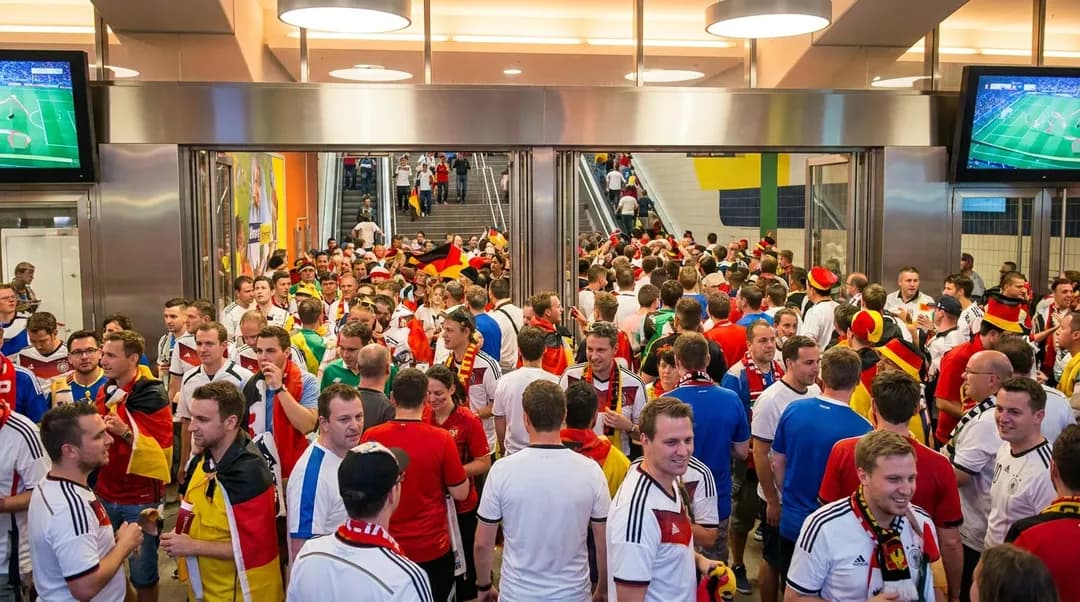
Why Final-Day Fans Had to Arrive 90 Minutes Early
FIFA's closing ceremony kicked off at 13:30 local time in East Rutherford, a full 90 minutes before the final whistle. Fans planning to attend were urged to arrive early to take part in the pre-match spectacle.
For those lucky enough to hold tickets to the World Cup 2026 final in East Rutherford, the day was about far more than just the match. FIFA confirmed that the closing ceremony would begin at 13:30 local time, a full 90 minutes before the opening whistle of the tournament's most anticipated fixture. This wasn't a passive pregame show—fans seated in the stadium were expected to play an active role in the ceremony, making early arrival not just advisable but essential for anyone wanting the complete final-day experience.
Text Karpo to get real-time updates on stadium entry times, ceremony schedules, and fan participation tips for major sporting events across North America.
The 90-Minute Window That Shaped Your Day
When FIFA announced that the ceremony would start 90 minutes before kickoff, they were effectively setting the clock for tens of thousands of fans converging on the New York metropolitan area. This wasn't an arbitrary buffer—it was a carefully calculated window designed to transform the stadium from an empty venue into a living, breathing part of the show. The 13:30 start time meant that anyone arriving at the traditional hour before kickoff would miss a significant chunk of what organizers clearly intended as a unified experience.
The timing also served a practical purpose beyond the spectacle. Moving that many people through security, into their seats, and oriented for participation takes time. By building in a 90-minute lead, FIFA gave themselves—and fans—the breathing room needed to handle the logistical reality of filling one of the largest stadium events in North American sports history. For those traveling from Manhattan, New Jersey Transit commuters, or anyone navigating final-day traffic, this window became the most important number in their planning.
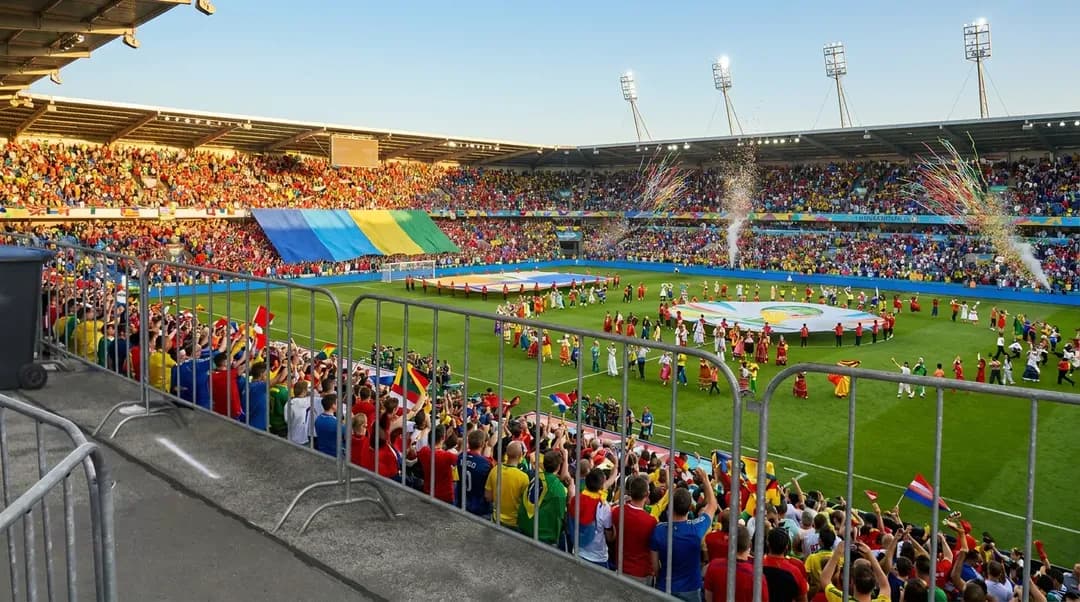
What Active Participation Actually Meant
FIFA's announcement that fans would have an active role in the ceremony introduced an element that separated this from typical pre-match entertainment. Rather than watching performers from a distance, attendees were being told they would be part of the production itself. This shift in framing—from audience to participant—fundamentally changed what it meant to arrive on time. Missing the start didn't just mean missing a performance; it meant missing your cue.
The exact nature of that participation would only become clear to those who heeded the early-arrival advice. Whether it involved coordinated movements, visual displays using provided materials, or synchronized audio participation, the message from FIFA was unambiguous: the ceremony was designed with a full stadium in mind, and empty seats during the opening segments would diminish the intended effect. For fans who had invested in final tickets, this was effectively a contract—show up early, or miss what you paid to be part of.
Planning Your Route to East Rutherford
The 13:30 ceremony start time created a ripple effect backward through every transit decision. Fans relying on New Jersey Transit from New York Penn Station needed to account not just for the train journey but for the crush of fellow supporters all aiming for the same arrival window. Those driving faced the reality that parking lots at major events typically experience their heaviest inflow in the two hours before an event—and in this case, that meant well before 13:30, not before kickoff.
For international visitors unfamiliar with the geography, East Rutherford sits across the Hudson River from Manhattan, close enough to see the skyline but far enough that last-minute dashes aren't feasible during event traffic. The 90-minute ceremony window effectively meant planning to leave your New York City hotel or Newark airport hotel by late morning at the latest. Local fans from across New Jersey faced similar calculus—the ceremony time, not the kickoff time, became the hard deadline that governed everything from breakfast plans to when you started looking for parking.
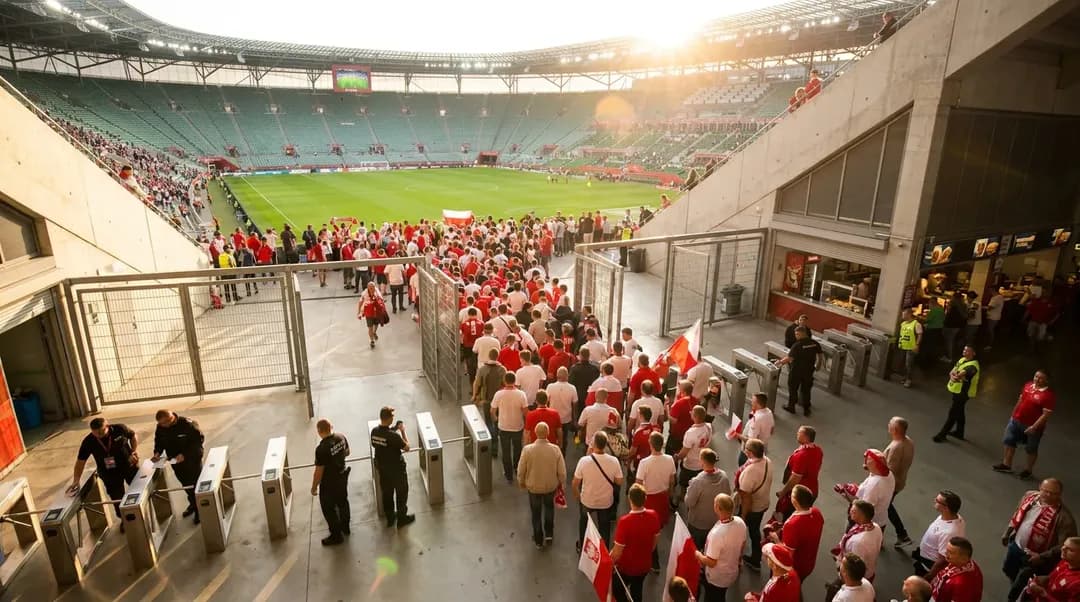
The Security and Entry Calculus
FIFA events bring heightened security protocols, and a World Cup final amplifies that further. The 90-minute ceremony window wasn't just about the show—it was about giving security infrastructure time to process a full house without creating dangerous bottlenecks. For fans, this meant that arriving right at 13:30 was likely already too late. The unspoken math suggested that to be seated and ready when the ceremony began, you needed to be in line well before that, pushing practical arrival times back another 30 to 45 minutes depending on which entrance you were assigned.
This layered timeline—stadium entry by roughly 12:45, ceremony at 13:30, kickoff 90 minutes later—required fans to think in stages rather than as a single arrival moment. Bag policies, prohibited items, ticket authentication, and the sheer volume of people all contributed to the reality that the safest approach was treating the ceremony start as your must-be-seated deadline, not your gate-arrival time. For anyone who had experienced long security lines at previous tournament matches, this wasn't paranoia but learned experience applied to the highest-stakes match of the cycle.
Why Ceremony Timing Matters for Future Events
The World Cup 2026 final's approach to ceremony timing offers a template that extends beyond soccer. By explicitly building the pre-match show into the advertised experience and asking fans to arrive accordingly, FIFA was acknowledging that modern mega-events are no longer just about the core competition. The ceremony became part of the ticket value, not an optional add-on for early birds. This framing may influence how other major sporting events communicate timing, especially those held in North American venues where pregame entertainment has long been part of the culture.
For fans planning to attend future finals—whether World Cup, Super Bowl, or other championship events—the lesson is clear: when organizers specify an early start time and mention fan participation, take it literally. The days of arriving an hour before kickoff and feeling you've given yourself plenty of time may be shifting toward a model where the full event experience begins significantly earlier. The 90-minute window at East Rutherford wasn't an anomaly but potentially a new standard for how the biggest matches frame their fan expectations.
Making the Most of Your Extended Stadium Time
Once fans accepted that they'd be in their seats 90 minutes before kickoff, the question became how to make that time work for you rather than feel like dead space. The ceremony provided structured entertainment, but even beyond that, arriving early offered practical advantages. Concession lines are shortest before the main rush, restrooms are more accessible, and you have time to orient yourself in an unfamiliar stadium without the pressure of missing kickoff.
For those who embraced the extended timeline, the final day became less about racing against the clock and more about soaking in the full atmosphere. The energy of a filling stadium, the visual spectacle of coordinated fan participation, and the building anticipation across 90 minutes created an arc that the traditional last-minute arrival simply couldn't match. FIFA's timing guidance, seen through this lens, wasn't a burden but an invitation to experience the final as a complete event rather than just 90 minutes of soccer with some pregame filler. Those who arrived by 13:30 didn't just get to their seats on time—they got the version of the day the organizers actually designed.
Tags: #WorldCup2026 #FIFAFinal #EastRutherford #ClosingCeremony #StadiumEvents #FanExperience #NewYorkCity #SoccerTravel #EventPlanning
Sources consulted: Source 1
All trademarks are the property of their respective owners.
Ask Karpo First
Whether you're planning for an upcoming tournament final or trying to understand how ceremony timing affects your game-day logistics, Karpo delivers the practical details that turn official announcements into actionable arrival plans. Get the context you need before you book your travel, not after you've missed the opening act.
Ask Karpo for more information.
Keep reading
- Haaland Has Seven Goals and Norway Runs Entirely Through Him
 World Cup Trophy Ceremony Timing Medals and Postmatch Celebrations
 Olise and France's Attack: The Semifinal Tactical Question