When the World Cup final reaches the end of 90 minutes with scores level, the match enters a carefully structured tiebreaker process designed to crown a champion on the pitch. Unlike group stage matches that can end in draws, the final must produce a winner, triggering extra time and, if necessary, a penalty shootout. With the 2026 tournament coming to New York and New Jersey, fans filling MetLife Stadium for the final will want to understand exactly how FIFA's regulations ensure a decisive outcome. The rules have evolved over decades, balancing fairness with the need for resolution, and knowing them transforms how you experience the tournament's climactic match.
Planning to watch the World Cup final at a New York or New Jersey venue, or heading to MetLife Stadium itself? Text Karpo for a personalized match-day plan that includes the best routes to your viewing spot, where to grab food before kickoff, and backup options if your first choice is packed. Whether you're watching in Hoboken, Jersey City, or Manhattan, Karpo builds an itinerary around your location and the final's schedule so you never miss a moment of extra time or penalties.
How Extra Time Works in the World Cup Final
If the score remains tied after 90 minutes of regulation play, the match proceeds directly to extra time without a replay or postponement. Extra time consists of two 15-minute periods, creating a full 30 minutes of additional play. Both periods are played in their entirety regardless of whether a goal is scored, meaning a team that takes the lead in the first extra period must still defend that advantage through the second. This structure replaced the golden goal rule that FIFA used briefly in the early 2000s, which ended matches immediately upon any extra-time goal.
Teams receive a brief interval before extra time begins, typically around five minutes, allowing players to hydrate and receive tactical instructions. A second short break separates the two extra periods, though it's briefer than a standard halftime. Substitution rules during extra time have expanded in recent tournaments, with FIFA allowing an additional substitution opportunity beyond the regular allotment specifically for the extra periods. This adjustment recognizes the physical demands of 120 minutes of World Cup final intensity and gives coaches tactical flexibility when matches extend beyond regulation.
The Penalty Shootout Format
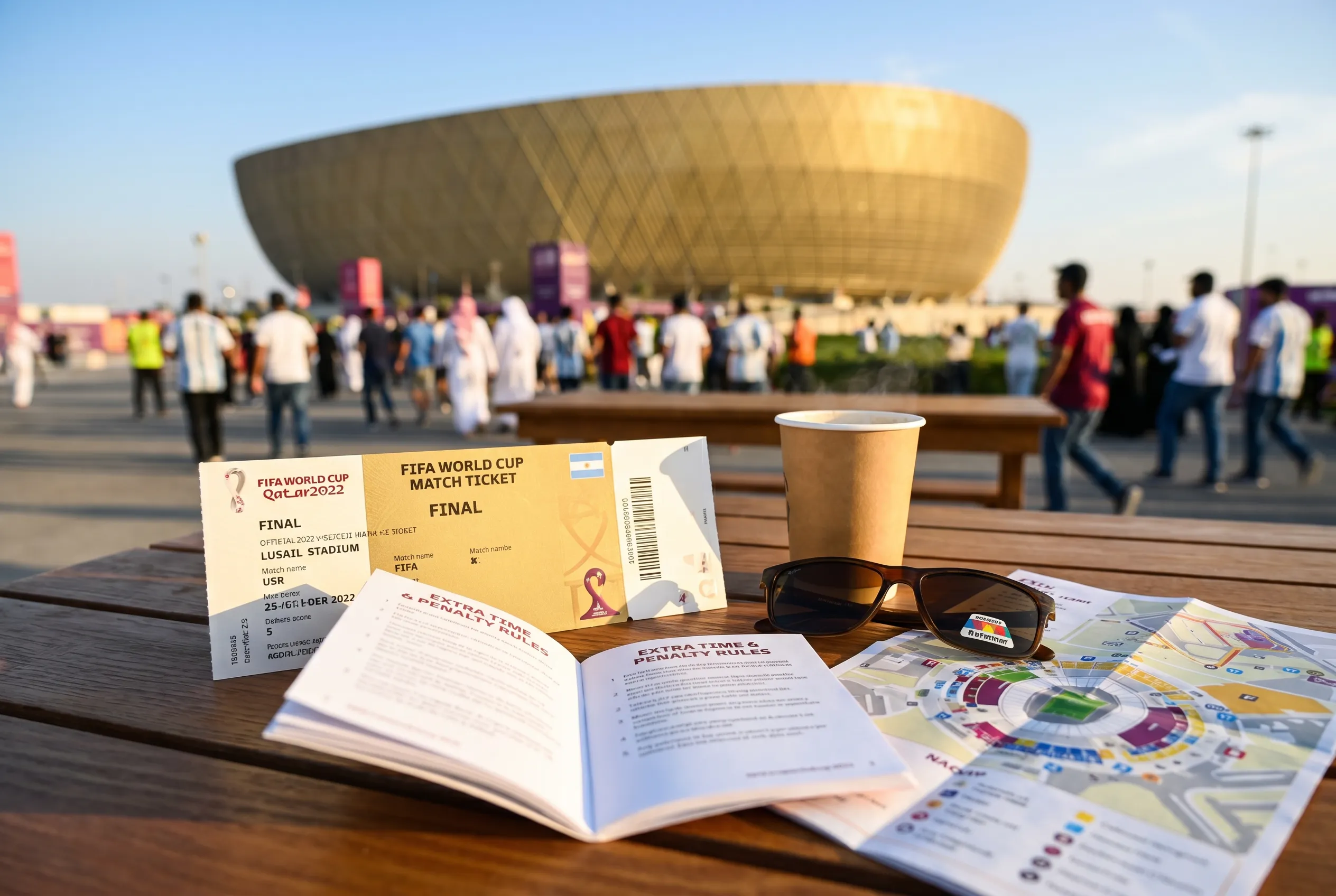
When extra time concludes without breaking the tie, the match moves to a penalty shootout. Each team designates five players to take penalty kicks, alternating attempts from the penalty spot 12 yards from goal. The team with more successful conversions after five rounds wins the World Cup. If the score remains level after both teams have taken five penalties, the shootout enters sudden death, with each team taking one penalty per round until one team scores and the other misses in the same round. Every player on the pitch at the end of extra time is eligible to take a penalty, and the order is determined by each team's coaching staff.
The referee conducts a coin toss before the shootout to determine which goal will be used and which team takes the first kick. Shooting at the same goal ensures equal conditions regarding pitch surface, lighting, and crowd positioning. Goalkeepers must remain on their goal line until the ball is struck, though they can move laterally. The kicker cannot touch the ball again until another player has made contact, preventing follow-up attempts on rebounds. These precise regulations create a standardized framework for the sport's most pressure-filled moments, where a single kick can determine world champion status.
Historical Context and Rule Evolution
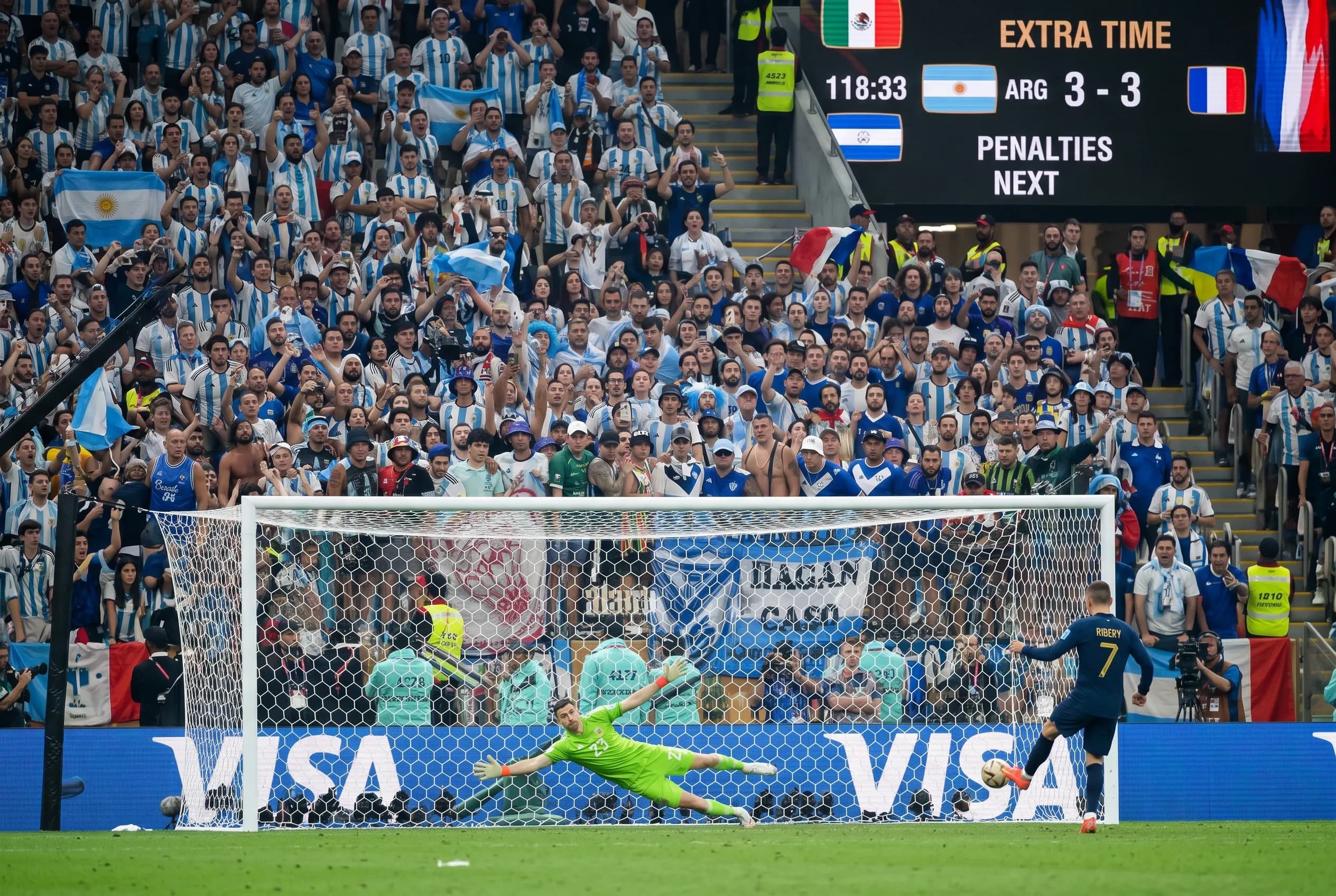
Penalty shootouts were introduced to the World Cup in 1978 after earlier tournaments used replays or drawing of lots to resolve tied knockout matches. The first World Cup final decided by penalties occurred in 1994 when Brazil defeated Italy at the Rose Bowl in Pasadena. Since then, three additional finals have required shootouts: France over Italy in 2006, Spain over Netherlands in 2010 after extra time produced a goal, and Argentina over France in 2022 following a dramatic 3-3 draw through extra time. These high-stakes shootouts have produced some of football's most memorable moments and heartbreaking misses.
FIFA has refined the rules over time based on competitive experience and fairness considerations. The golden goal experiment, used from 1998 through 2002, was abandoned because it encouraged overly defensive play during extra time, with teams fearing a single mistake more than they valued attacking opportunities. The current system of playing both extra periods fully has restored a better balance, allowing teams to take calculated risks while still providing the safety net of penalties if no winner emerges. The addition of extra substitutions for extra time, implemented more recently, addresses player welfare concerns while maintaining competitive integrity.
What Happens During the Shootout
Once the shootout begins, all players except the kicker and both goalkeepers must remain in the center circle. The tension in the stadium becomes palpable as each player makes the long walk from midfield to the penalty spot. Goalkeepers often employ psychological tactics, attempting to distract the kicker within the laws of the game, while kickers must decide in advance whether to prioritize power, placement, or deception. Coaches cannot communicate with players during the shootout itself, making the penalty takers' mental preparation during extra time crucial.
If a team has fewer players than its opponent due to red cards during the match, both teams must equalize the number of penalty takers, with the team that finished with more players simply not using some of its available personnel in the initial five rounds. In sudden death rounds, the kicking order can be adjusted, and players who took penalties in the first five rounds can shoot again before all eligible teammates have taken one. This flexibility becomes relevant in extended shootouts, though most are resolved within the first five or six rounds. The goalkeeper who made the final save or the player who converted the winning penalty instantly becomes a national hero, their moment preserved in World Cup history.
Strategy and Mental Preparation
Teams prepare for potential shootouts throughout the tournament, though the practice remains imperfect preparation for the actual pressure of a World Cup final. Coaches identify their best penalty takers based on training performance, composure under pressure, and historical success rates. The order matters significantly, with many teams placing their most reliable kicker first to set a positive tone and their second-most reliable fifth to handle the pressure of a potentially decisive attempt. Some coaches save their best for sudden death rounds, though this strategy risks never reaching those rounds if earlier takers falter.
Goalkeepers study opponent penalty tendencies through video analysis, looking for patterns in run-up approach, body positioning, and preferred shooting direction. Modern analysis has become sophisticated, with teams compiling detailed databases of opponent penalty histories. However, the mental battle often supersedes technical preparation, as kickers may deliberately change their usual approach in high-stakes moments. The psychological weight of a World Cup final shootout creates unique pressure that even the most experienced players describe as unlike any other sporting moment. Fans watching in New York and New Jersey venues will witness this tension amplified across every screen when the 2026 final potentially reaches penalties.
Viewing the Final in the Host Region
MetLife Stadium in East Rutherford will host the 2026 World Cup final, making the New York-New Jersey area the epicenter of global football attention. The stadium's 82,500 capacity means most fans will experience the match at viewing parties, sports bars, and public screenings throughout the region. Understanding the extra time and penalty rules enhances the viewing experience, allowing you to explain the process to friends unfamiliar with soccer's tiebreaker format and fully appreciate the tactical decisions coaches make when matches extend beyond regulation.
The final is scheduled for mid-afternoon, creating prime viewing conditions for packed venues across both states. If the match reaches extra time, that adds at least 30 minutes to your viewing plans, and a penalty shootout extends the experience further. Planning your match-day logistics around the possibility of a 120-minute match plus penalties ensures you won't need to rush out during the most dramatic moments. The time zone advantage means East Coast fans will watch in real time without the early-morning or middle-of-night scheduling that often affects American viewers of international tournaments, making this World Cup final uniquely accessible for the host region's supporters.
Tags: #WorldCup2026 #MetLifeStadium #SoccerRules #NewYork #NewJersey #FIFA #PenaltyShootout #ExtraTime
Sources consulted: FIFA World Cup 26 regulations
All trademarks are the property of their respective owners.
Ask Karpo First
Text Karpo to build a complete World Cup final viewing plan tailored to your New York or New Jersey location. Whether you're watching at home and need food delivery timing, heading to a sports bar and want to know which venues take reservations, or planning a watch party and need supply recommendations, Karpo creates a personalized itinerary that accounts for extra time and penalties. Get real-time suggestions that adapt as the match unfolds so you can focus on the action instead of logistics.