When Football Met Buc-ee's
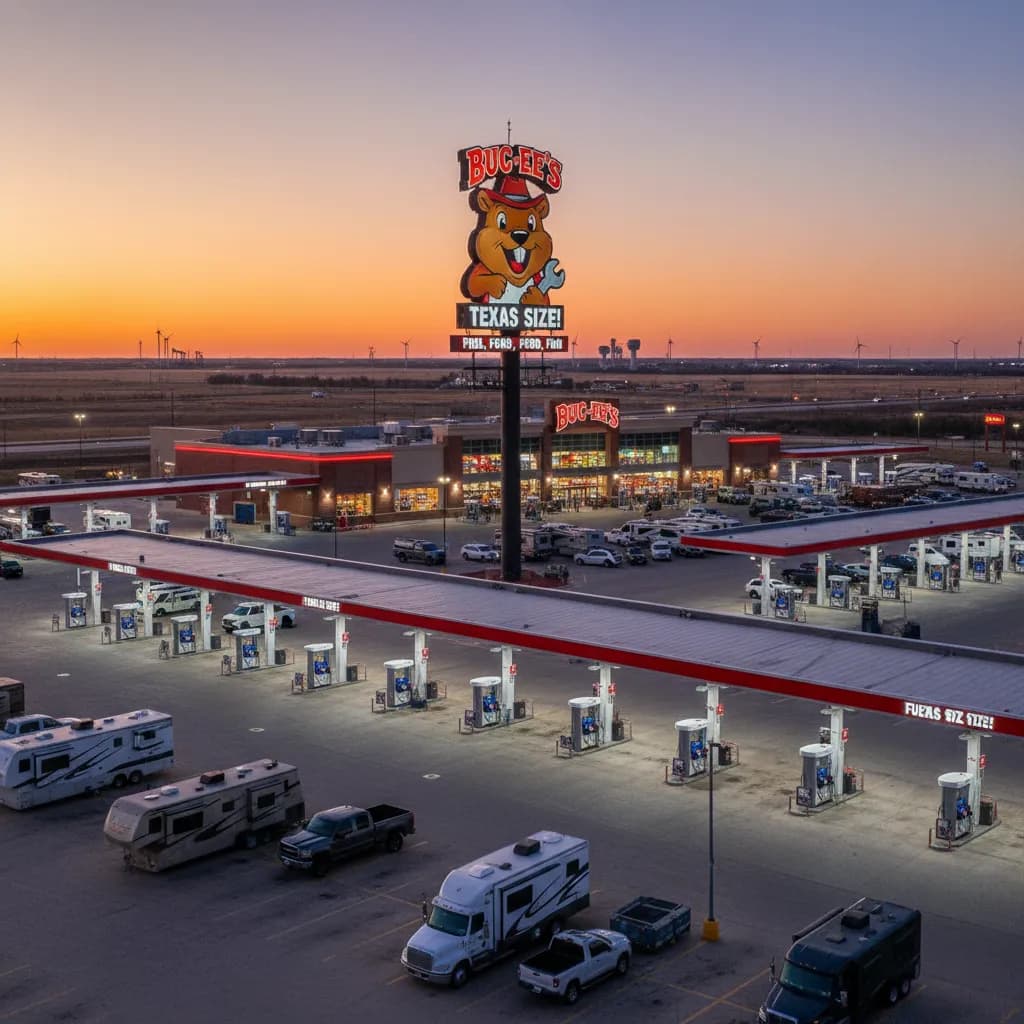
The most unexpected cultural exchange at the 2026 World Cup has nothing to do with football. It has to do with a beaver. Buc-ee's, the Texas-based chain of mega gas stations famous for their clean restrooms, fresh brisket, and enormous retail sections, has become the most-visited non-football destination for international fans attending World Cup matches in Dallas, Houston, and Atlanta. The phenomenon began when a group of Belgian fans posted a TikTok tour of the Buc-ee's in Terrell, Texas — 30 miles east of Dallas — expressing amazement at a gas station that is larger than most European supermarkets. The video received 40 million views and launched a pilgrimage.
Visiting Texas for the World Cup? Text Karpo for Buc-ee's tips, BBQ recommendations, and local food guides near every stadium.
The Buc-ee's Experience Through Foreign Eyes
For international visitors, Buc-ee's defies every expectation. European fans, accustomed to small, functional gas stations, have expressed astonishment at the scale — the Buc-ee's locations near World Cup venues average 66,000 square feet, with 120 gas pumps and retail sections selling everything from home decor to fudge. Japanese fans have been particularly fascinated by the restrooms, which Buc-ee's maintains to a standard that even Japanese cleanliness culture considers impressive. Nigerian fans have gone viral for their enthusiastic reviews of Buc-ee's brisket sandwich, with one video — captioned "This is the best thing I have eaten in America" — accumulating 15 million views.
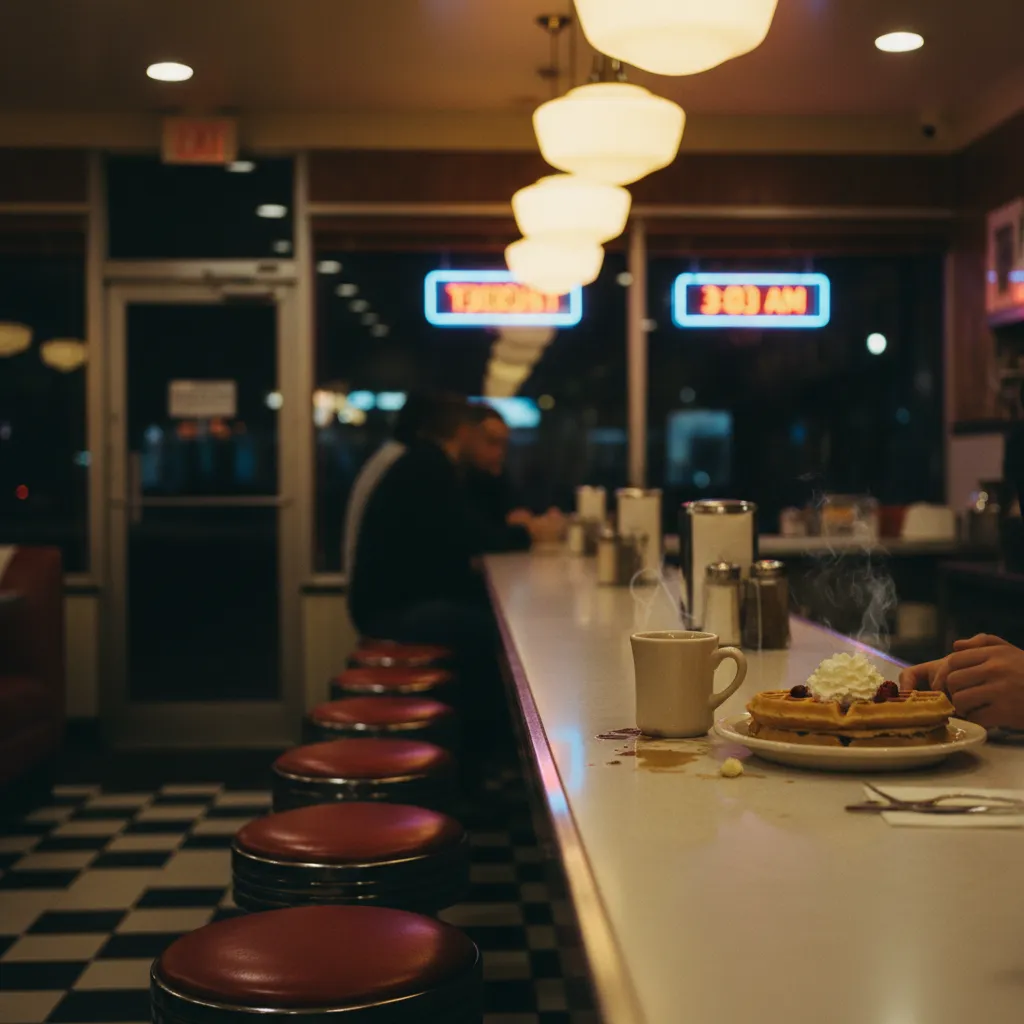
Waffle House: The 3 AM World Cup Tradition
Waffle House, the 24-hour diner chain that operates across the American South, has become the unofficial post-match dining destination for international fans. The chain's 48 locations in the greater Atlanta area reported a 340 percent increase in international customer visits during World Cup matches at Mercedes-Benz Stadium. The appeal is straightforward: Waffle House is open when everything else is closed, the menu is simple and photographable, and the prices are accessible to fans on every budget. The chain's most popular World Cup-related content is a video of Moroccan fans teaching Waffle House staff members how to celebrate a goal, which has been viewed 22 million times.
Texas BBQ Goes Global
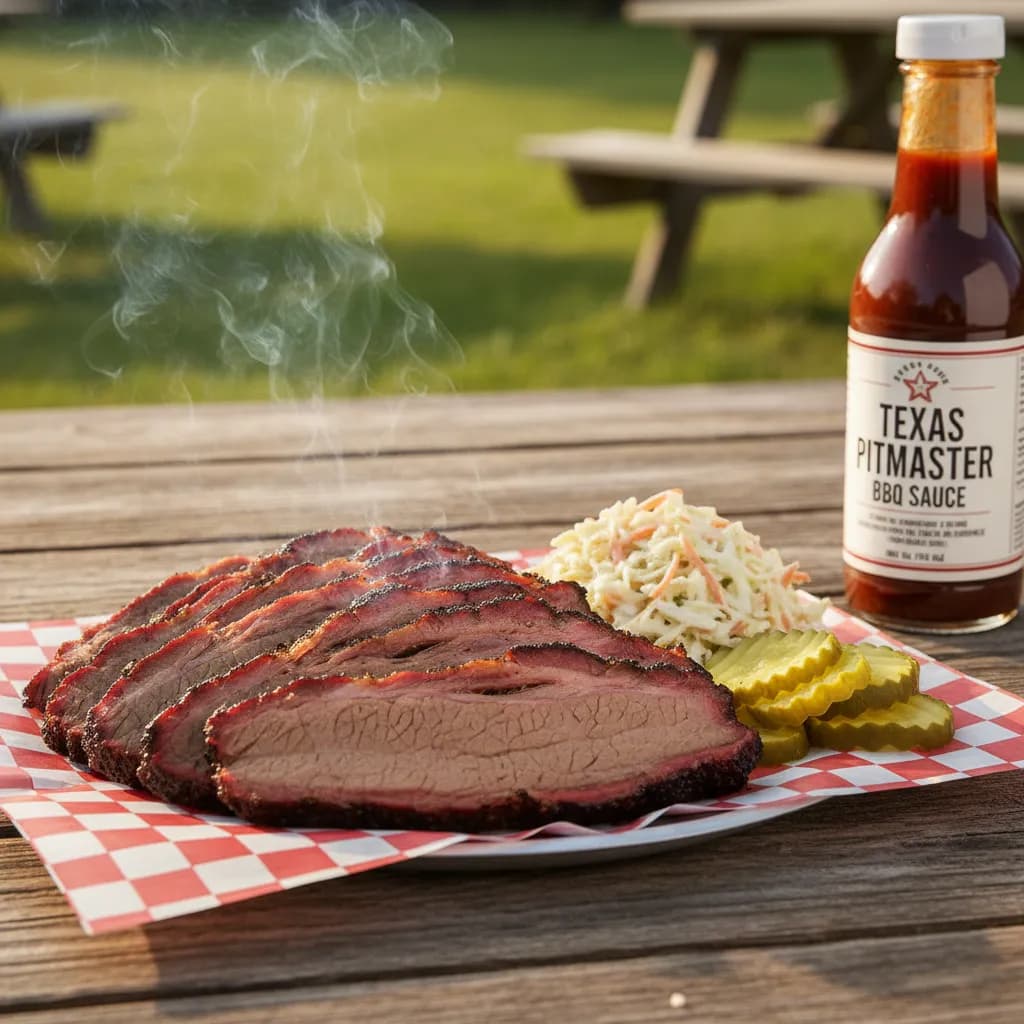
Texas barbecue has experienced its own World Cup moment. Legendary Austin establishments like Franklin Barbecue, la Barbecue, and Micklethwait Craft Meats have reported lines that include fans from dozens of countries, many wearing national team jerseys. The international demand has been so intense that Franklin Barbecue extended its operating hours for the first time in its history, opening at 8 AM instead of 11 AM on World Cup match days in nearby Houston. The cultural exchange has worked both ways: Brazilian fans have introduced Texas pitmasters to picanha-style seasoning, while Argentine fans have demonstrated their country's asado grilling techniques at impromptu tailgate cookouts outside AT&T Stadium.
The Social Media Numbers
The viral content generated by international fans discovering American food culture has become a significant secondary narrative of the World Cup. According to social media analytics firm Brandwatch, content tagged with #WorldCupFood has generated 2.3 billion impressions during the tournament — more than content tagged with any individual team. The most-viewed categories of food content are: Buc-ee's tours (680 million impressions), Texas BBQ reviews (440 million), Waffle House visits (320 million), and "American portion sizes" reaction videos (280 million). The content has been overwhelmingly positive, with international fans expressing genuine delight at the scale, variety, and value of American food culture.
The Economic Impact
The culinary tourism generated by the World Cup has produced measurable economic benefits for local food businesses. The Texas Restaurant Association estimates that international World Cup visitors have generated an additional $340 million in restaurant spending across the Dallas-Fort Worth, Houston, and San Antonio metropolitan areas during the tournament's first three weeks. The spending has been concentrated in the casual dining and barbecue categories, with fine dining restaurants seeing smaller increases. Buc-ee's, which does not release individual store revenue figures, has acknowledged that its World Cup-adjacent locations have experienced "record customer traffic."
A Lasting Cultural Bridge
The international discovery of Buc-ee's, Waffle House, and Texas BBQ represents an unscripted cultural exchange that no World Cup organizing committee could have planned. These institutions — deeply American, proudly regional, and previously unknown to most international visitors — have become ambassadors for a version of American culture that is warm, generous, and unpretentious. Long after the World Cup trophies are awarded, fans from Belgium, Japan, Nigeria, Morocco, and dozens of other nations will remember the giant beaver, the 3 AM waffles, and the brisket that made them believe, if only for a moment, that everything really is bigger in Texas.
Tags: Buc-ee's, Waffle House, Texas BBQ, World Cup 2026, food culture, Dallas, Houston, international fans, culinary tourism, American culture
Sources consulted: ESPN · Food & Wine · Texas Monthly · BBC Travel
All trademarks, team names, league names, and player likenesses mentioned in this article are the property of their respective owners and are used here for informational and editorial purposes only.
Ask Karpo First
Hungry at the World Cup? Ask Karpo for the best BBQ near each World Cup venue, Buc-ee's locations along your road trip route, and 24-hour dining options in every host city.