 Haaland Has Seven Goals and Norway Runs Entirely Through Him
⚽️2026 FIFA WORLD CUP
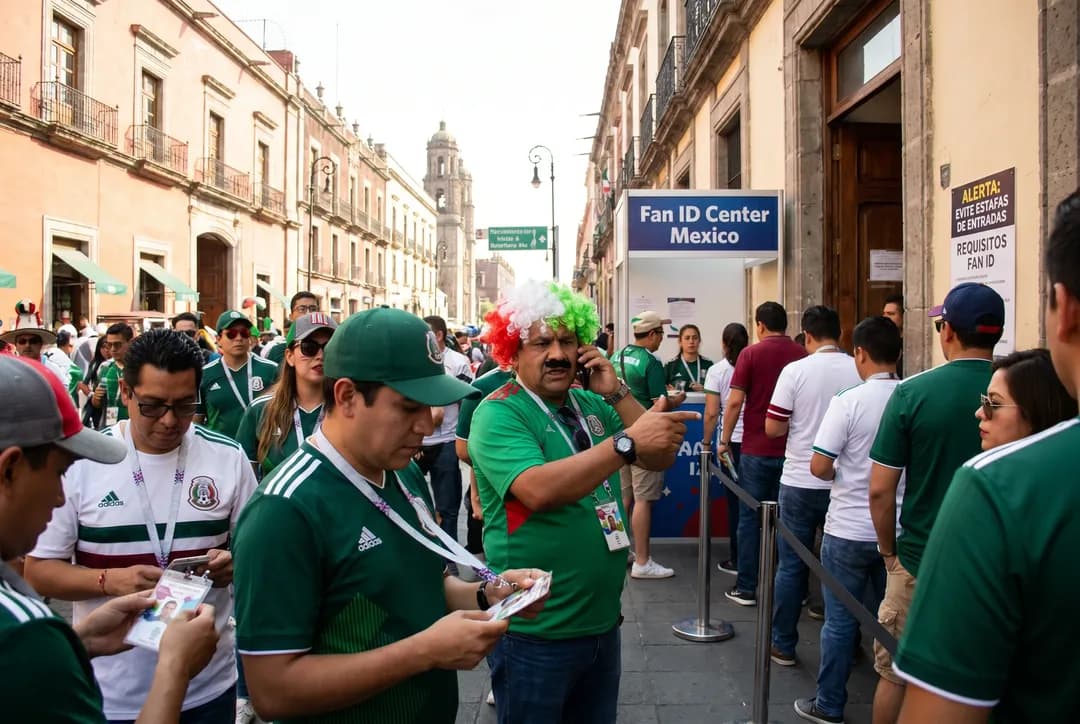
World Cup Fan ID Mexico Requirements and Scam Risks
As Mexico prepares to co-host the 2026 FIFA World Cup, fans are searching for clarity on Fan ID requirements and how to protect themselves from credential scams. Understanding official channels and verification steps is essential for a safe match-day experience.
Mexico will welcome millions of football fans in 2026 as one of three co-hosts for the FIFA World Cup, with matches scheduled across iconic venues in Mexico City, Guadalajara, and Monterrey. As excitement builds, searches for FMF Fan ID and credential requirements have surged, reflecting both genuine interest and confusion about what documentation will actually be needed. The combination of high demand, unfamiliar processes, and the involvement of multiple organizing bodies creates fertile ground for scammers who exploit fans' eagerness to secure their place at history's biggest sporting event.
Updated August 2026: World Cup schedules, stadium policies, player statistics, broadcast details, and post-match records can change quickly. Check the linked FIFA, stadium, broadcaster, or tournament sources in the Sources section before using this guide for travel, tickets, viewing plans, or factual citation.
Planning your World Cup experience in Mexico involves more than just tickets and credentials. From navigating stadium districts and local transport to finding authentic taquerías near match venues or discovering the best watch-party spots if you're cheering from outside the stadium, Karpo can build you a personalized plan. Text Karpo to get a custom route, food recommendations, or a complete match-day itinerary tailored to your location and preferences.
What Fan ID Actually Means for World Cup 2026
Fan ID systems have been used at previous FIFA World Cups to streamline entry, enhance security, and provide benefits like free public transport on match days. For the 2026 tournament across Canada, Mexico, and the United States, FIFA has not yet published final Fan ID requirements or application processes. The official FIFA World Cup 26 website remains the only authoritative source for credential information, and as of now, detailed Fan ID protocols have not been announced. Any site or message claiming you must register immediately or pay fees for a Fan ID should be treated with extreme caution.
The Federación Mexicana de Fútbol, known as FMF, governs football in Mexico and will coordinate closely with FIFA on hosting duties, but it does not independently issue World Cup Fan IDs. When official requirements are published, they will appear on fifa.com and be clearly communicated through FMF's official channels at fmf.mx. Fans should bookmark these sites and verify any email or social media message by navigating directly to the official domain rather than clicking embedded links.
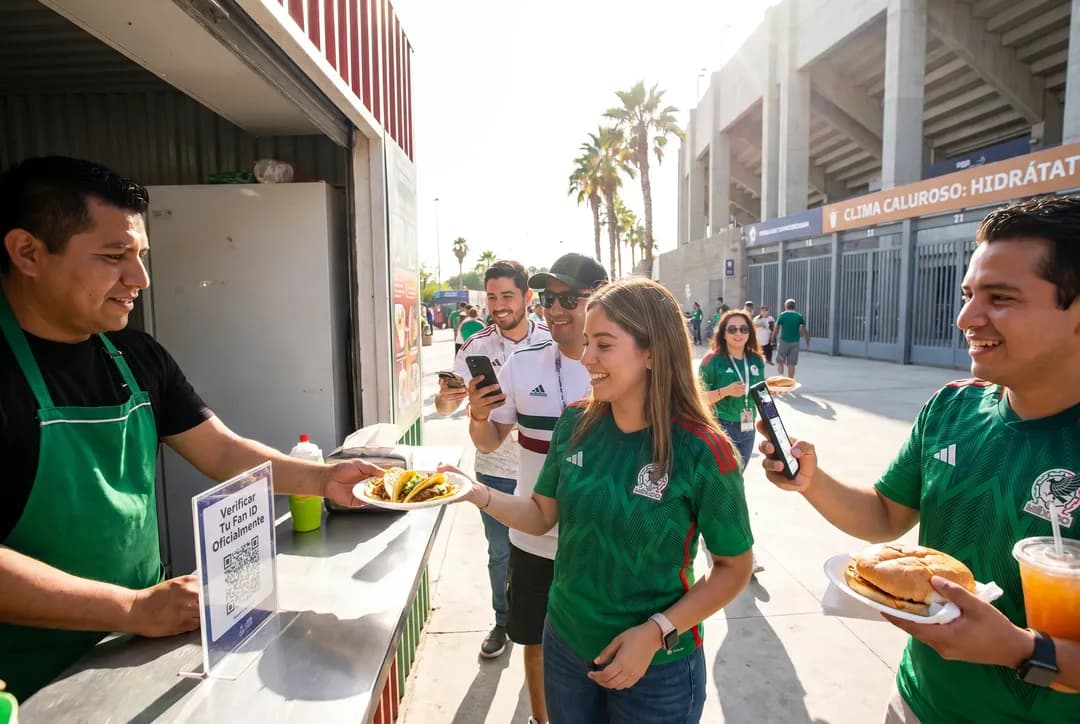
How Scammers Exploit World Cup Enthusiasm
Phishing campaigns targeting football fans typically ramp up as major tournaments approach, and the 2026 World Cup's multi-country format adds complexity that scammers exploit. Fraudulent emails and text messages often mimic FIFA or FMF branding, urging recipients to register for a Fan ID, update payment information, or claim priority access. These messages create artificial urgency with phrases like limited slots or registration closes soon, pressuring fans to act before thinking critically. Links in these messages lead to convincing fake websites designed to harvest personal information, payment details, and passport data.
Social media platforms also host fake accounts impersonating official tournament pages, promoting bogus Fan ID applications or ticket lotteries. Scammers may ask for advance payments, processing fees, or deposits that have no basis in any legitimate FIFA process. Because the official ticketing and credentialing systems have not launched, any current request for payment or sensitive documents related to World Cup 2026 Fan ID is fraudulent. Fans should remember that FIFA historically does not charge separate fees for Fan ID registration beyond the cost of match tickets themselves.
Verifying Official Communications
When FIFA and FMF do announce Fan ID procedures, legitimate communications will come from verified email domains and official social media accounts with blue checkmarks and long-established histories. Always type fifa.com or fmf.mx directly into your browser rather than following links in unsolicited emails or messages. Official announcements will be prominently featured on these homepages, not buried in obscure subdomains or third-party sites. If you receive an email claiming to be from FIFA, examine the sender address carefully; phishing emails often use slight misspellings or extra characters that mimic official domains.
FIFA's official social media accounts on platforms like Twitter, Instagram, and Facebook are verified and have millions of followers with years of post history. Cross-reference any announcement you see on social media with the official website before taking action. FMF similarly maintains verified accounts and a comprehensive news section on its website. If a message asks you to download an app, provide credit card information, or share passport scans before any official announcement, it is a scam. Legitimate processes will be transparent, well-documented, and widely reported by reputable sports media.
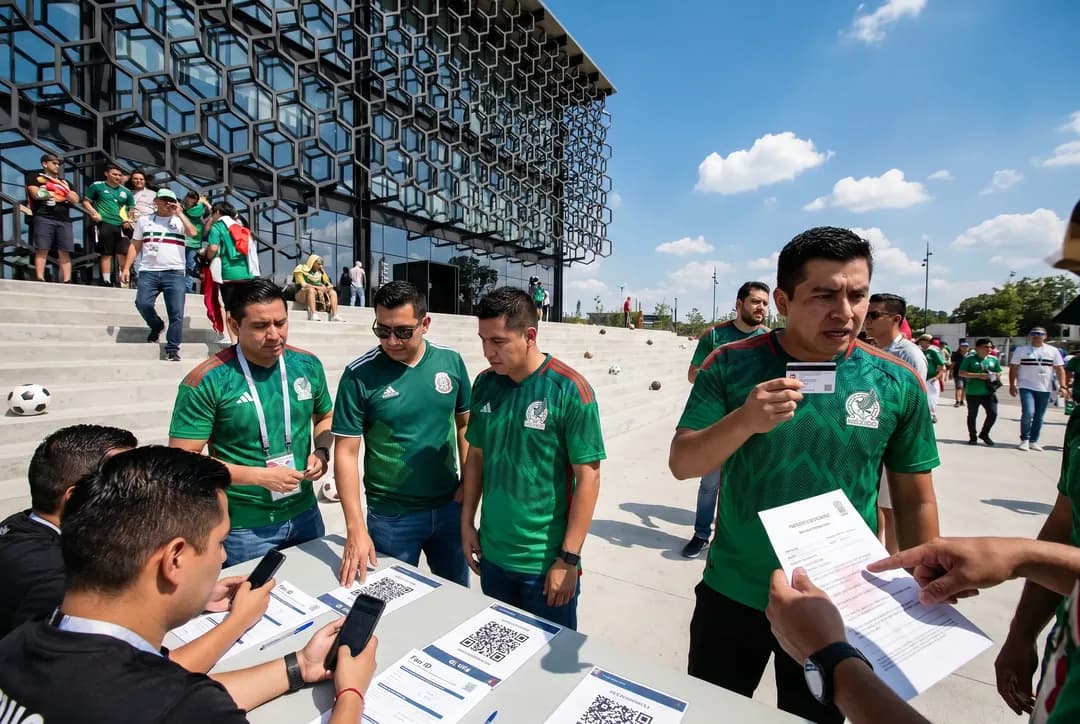
What to Expect When Registration Opens
Based on previous World Cups, the eventual Fan ID system for 2026 will likely require ticket holders to complete an online application providing basic personal information and a photo. This process typically opens after tickets have been purchased through the official FIFA ticketing portal, not before. The Fan ID serves as a secondary credential that, combined with your match ticket and passport or government ID, grants stadium access. In past tournaments, Fan ID also unlocked benefits such as free public transport in host cities on match days and access to fan zones.
For matches in Mexico, coordination between FIFA, FMF, and local authorities will determine specific procedures, which may vary slightly from those in the United States and Canada. Fans should expect clear instructions in multiple languages, a reasonable timeline for application and processing, and no hidden fees beyond what was paid for tickets. The system will be designed for accessibility, with support channels for fans who encounter technical issues. Patience and reliance on official sources will ensure you complete the process correctly without falling victim to intermediaries or scammers.
Protecting Your Personal Information
World Cup scams often seek not just immediate payment but also identity information that can be used for fraud long after the tournament ends. Passport numbers, home addresses, credit card details, and photos submitted to fake Fan ID portals can fuel identity theft, financial fraud, and account takeovers. Never provide this information to any site or service unless you have independently verified its legitimacy through official FIFA or FMF channels. Use strong, unique passwords for your FIFA account when it is eventually created, and enable two-factor authentication if offered.
Be especially cautious of unsolicited phone calls or messages claiming to assist with Fan ID applications. Legitimate FIFA processes are self-service and do not involve third-party agents contacting you. If you suspect you have already provided information to a fraudulent site, monitor your financial accounts closely, consider placing a fraud alert with credit bureaus, and report the incident to local authorities and FIFA's official fraud reporting channels. Taking these steps quickly can limit damage and help authorities track and shut down scam operations.
Staying Informed as 2026 Approaches
The timeline for official Fan ID announcements will become clearer as FIFA finalizes operational plans with the three host nations. Fans can sign up for official FIFA newsletters and follow verified FMF social media accounts to receive timely, accurate updates. Major sports news outlets will also cover these announcements extensively, providing additional confirmation and context. Building a habit of checking official sources regularly, rather than reacting to every message or post you encounter, will keep you informed without exposing you to scams.
As match dates approach, expect increased scam activity alongside legitimate communications. The best defense is a clear understanding of what official processes look like and a healthy skepticism toward anything that deviates from established patterns. FIFA and FMF have strong incentives to make credentialing straightforward and secure, and they will provide ample guidance when the time comes. Until then, enjoy the anticipation, plan your trip thoughtfully, and protect your personal information by waiting for verified, official announcements before taking any action related to Fan ID.
Tags: #WorldCup2026 #FMFFanID #MexicoTravel #FIFAWorldCup #TravelSafety #PhishingPrevention #FMF #MexicoCity #Guadalajara #Monterrey
Sources consulted: FIFA World Cup 26 · FIFA World Cup 26
All trademarks are the property of their respective owners.
Ask Karpo First
Whether you're attending matches in Mexico City's Estadio Azteca or watching from a cantina in Guadalajara, Karpo can help you make the most of World Cup 2026. Text Karpo for personalized recommendations on getting around host cities, finding authentic local food near stadiums, or discovering the best fan zones and watch parties. Let Karpo turn your tournament experience into an unforgettable journey.
Ask Karpo for more information.
Keep reading
- Haaland Has Seven Goals and Norway Runs Entirely Through Him
 World Cup Trophy Ceremony Timing Medals and Postmatch Celebrations
 Olise and France's Attack: The Semifinal Tactical Question