The FIFA World Cup 2026 will unfold across 16 cities in three countries, creating the most geographically ambitious tournament in history. Whether you're planning to attend matches in Mexico City's high-altitude Estadio Azteca, navigate the sprawling transit networks around MetLife Stadium in New York and New Jersey, or explore the purpose-built fan zones in Toronto, the logistical puzzle can feel as complex as the tournament bracket itself. This hub brings together the essential resources every traveling supporter needs: live match information, stadium-specific access guides, parking and transit strategies, neighborhood food recommendations, weather preparation, and ticket security protocols. Think of it as your base camp before diving into the detailed guides that cover each host city's unique match-day landscape.
Planning your World Cup journey shouldn't require a degree in logistics. Text Karpo to build a personalized match-day plan that accounts for your specific stadium, arrival time, dietary preferences, and whether you're driving or using public transit. We'll map the fastest route from your accommodation, identify parking lots that won't trap you in post-match gridlock, and suggest pre-game food spots that locals actually use. No generic advice, just a custom itinerary that gets you to your seat on time and back to your hotel without the stress.
Live Scores and Match Schedules
The tournament will feature 104 matches across 39 days, with kickoff times adjusted to accommodate three time zones spanning from Pacific to Eastern. FIFA's official digital platforms will provide live scores, lineups, and match statistics, but the real challenge for traveling fans lies in coordinating viewing plans when you're not attending in person. Many supporters will hold tickets to only one or two matches yet want to follow their national team throughout the group stage and knockout rounds. Understanding which cities offer the best public viewing infrastructure and which neighborhoods transform into spontaneous fan zones becomes as important as knowing the match schedule itself.
The group stage will see multiple matches occurring simultaneously, particularly during the final round of group play when FIFA schedules concurrent kickoffs to prevent strategic gamesmanship. This creates both opportunity and complexity for fans positioned in cities hosting back-to-back matches or those trying to catch their team's result while traveling between venues. The official FIFA app will serve as the primary source for verified scores and lineup information, essential when navigating areas with limited connectivity or when you need to make real-time decisions about which fan zone to visit based on match developments.
Stadium Access and Transportation
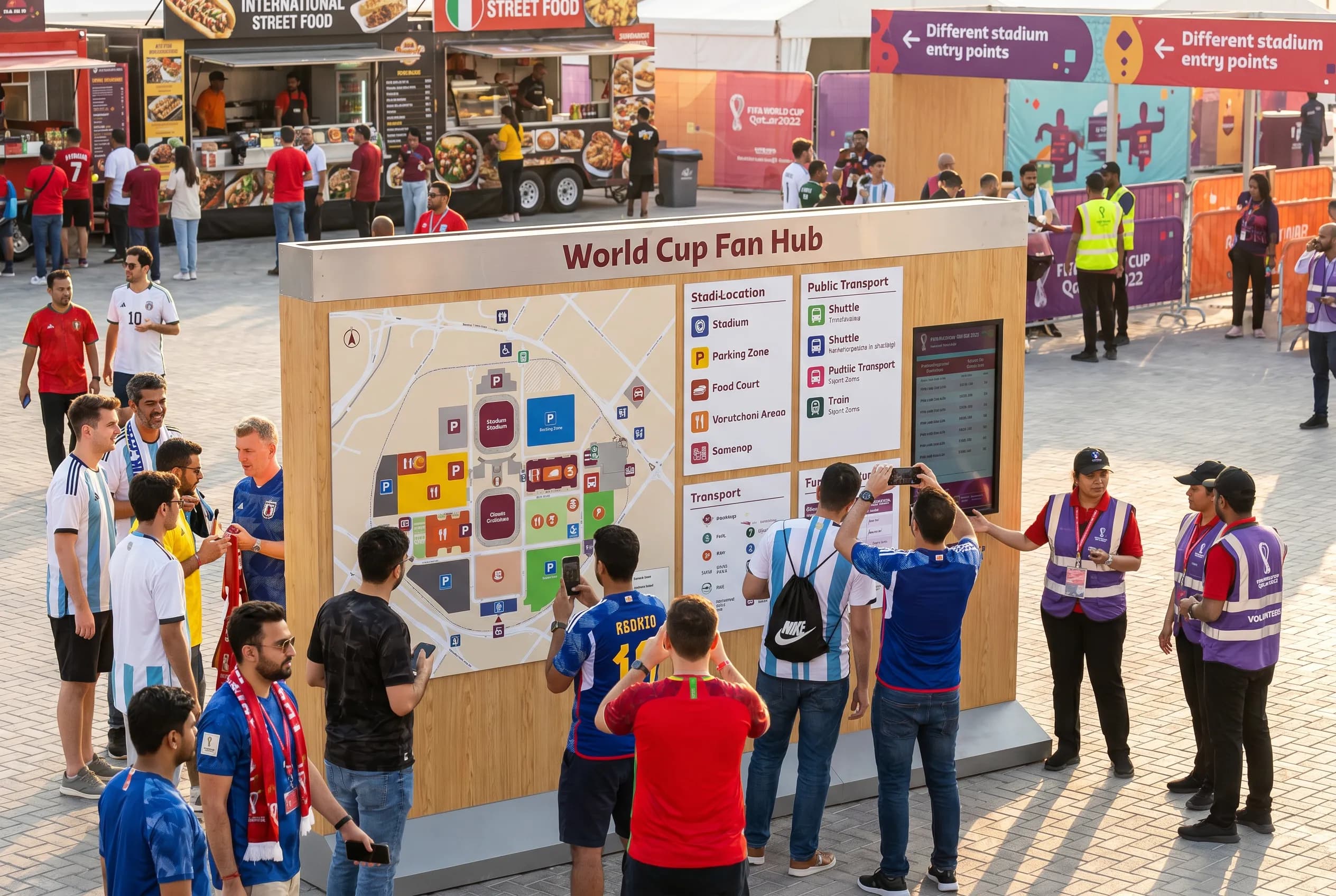
Each of the 16 host venues presents distinct access challenges shaped by local geography, transit infrastructure, and urban design. Stadiums like BC Place in Vancouver and Mercedes-Benz Stadium in Atlanta sit within dense urban cores with robust rail connections, making public transit the obvious choice for most attendees. Others, including AT&T Stadium in Arlington and Arrowhead Stadium in Kansas City, occupy suburban locations designed around automobile access, where parking strategy becomes the primary planning consideration. A handful of venues, notably MetLife Stadium and Levi's Stadium, fall into a hybrid category where neither driving nor transit offers a clear advantage, requiring fans to weigh factors like group size, kickoff time, and post-match plans.
Security perimeters will expand significantly beyond typical event protocols, with FIFA and local authorities implementing controlled access zones that may extend several blocks from stadium gates. This means your walking route from a transit station or parking lot could add fifteen to thirty minutes to your journey, and that's before accounting for security screening queues. The official FIFA host destination pages provide venue-specific guidance, but the most valuable intelligence often comes from understanding how local transit systems handle surge capacity and which parking facilities offer dedicated exit routes that bypass the worst congestion. For matches with afternoon kickoffs in southern cities during June and July, the walk from remote parking lots in full sun becomes a physical endurance consideration, not just a logistical one.
Parking Strategies and Costs
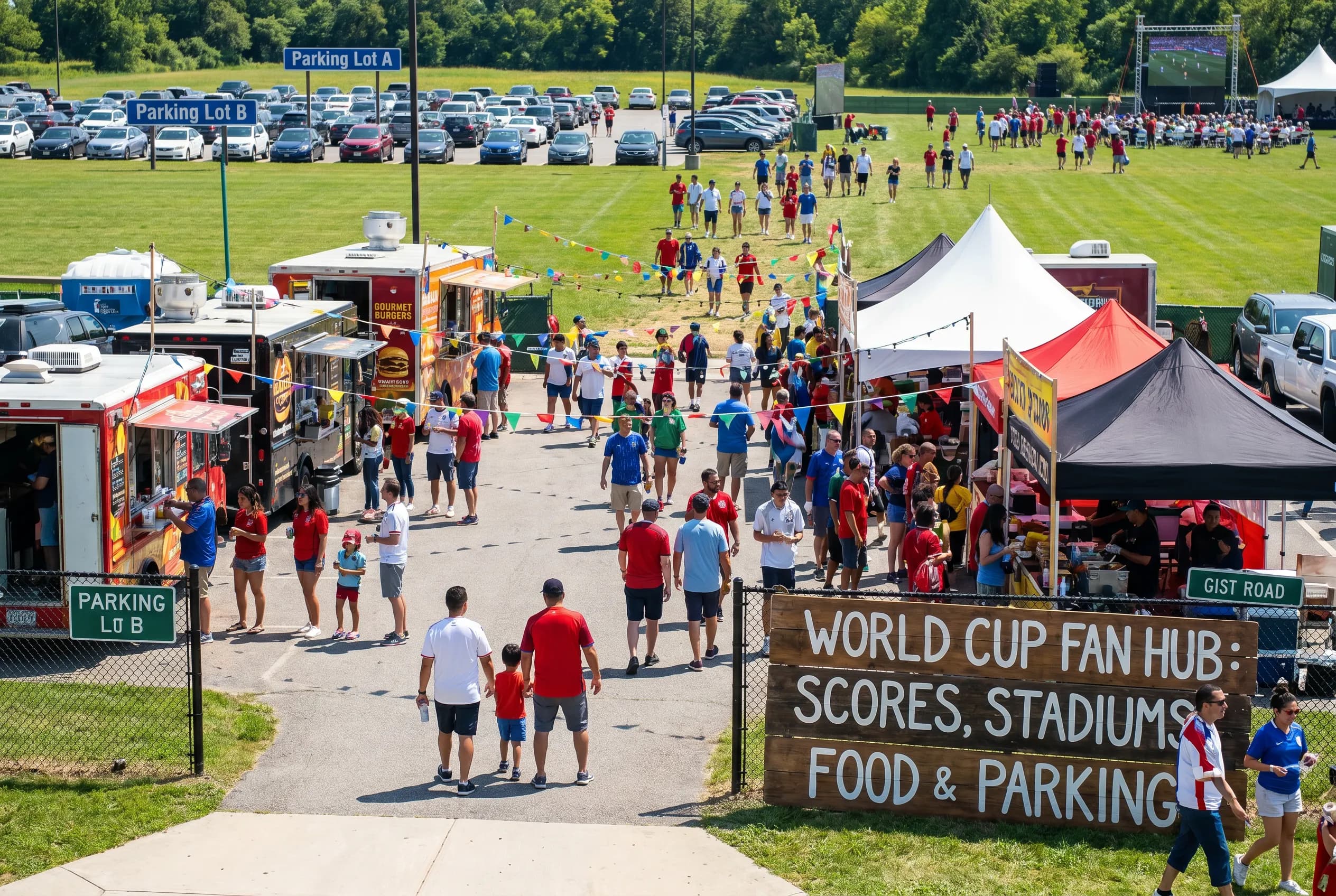
Stadium parking lots will command premium prices and sell out weeks in advance for marquee matches, but they're rarely the smartest choice for fans who understand the local landscape. The real value lies in identifying off-site commercial lots, transit park-and-ride facilities, or neighborhood parking zones that offer easier post-match exits at lower cost. In cities like Philadelphia and Boston, parking near commuter rail stations several stops from the stadium can cut your costs in half while delivering you to the venue just as quickly. The trade-off comes in the return journey, when tired fans must resist the temptation of expensive ride-shares and commit to the transit route they planned on the way in.
Certain venues will implement dynamic pricing for official parking, with costs escalating as the tournament progresses and as match importance increases. A group stage match might see parking rates at sixty to eighty dollars, while a semifinal at the same venue could double that figure. For fans attending multiple matches, these costs accumulate quickly and often exceed the budget allocated for food and local transportation combined. The alternative requires research into neighborhood parking apps, validation partnerships with nearby businesses, or residential areas where street parking remains legal and unregulated. Each strategy carries risk, whether it's the possibility of parking restrictions you didn't notice or the longer walk that cuts into your pre-match time, but for budget-conscious supporters, the savings justify the extra planning.
Food Districts and Match-Day Dining
Stadium concessions will offer the predictable mix of international tournament fare and regional specialties, but the real culinary experience lives in the neighborhoods surrounding each venue. Cities like Mexico City, Toronto, and Miami bring distinct food cultures that transform match day into an opportunity for genuine local dining rather than overpriced arena food. The key is identifying which neighborhoods sit along your transit or driving route and which offer the density of options that can accommodate groups without reservations. A thirty-minute arrival buffer for food can easily become ninety minutes if you choose a sit-down restaurant in an unfamiliar district during peak match-day traffic.
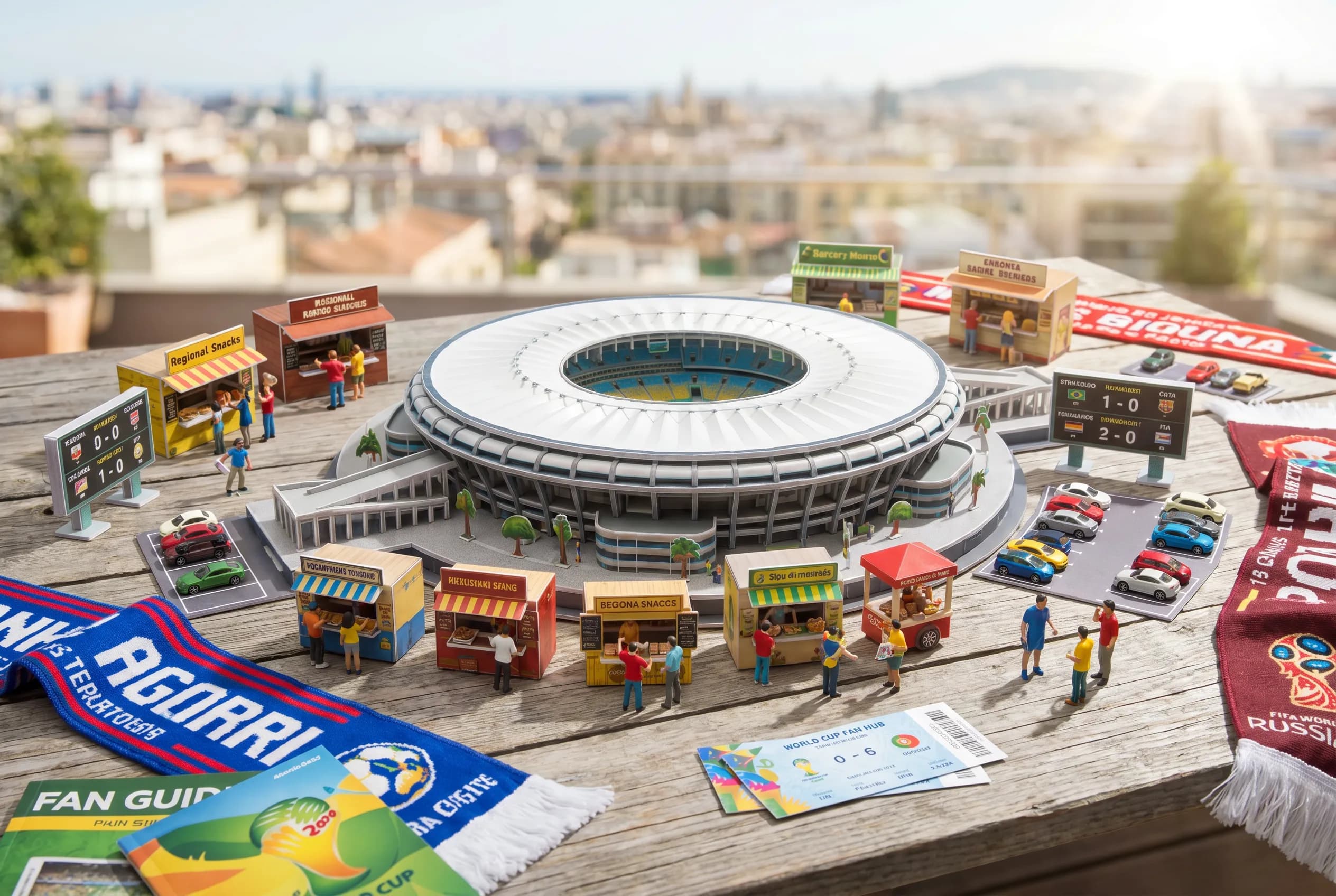
Many host cities will establish official fan zones with curated food vendor selections, offering a middle ground between stadium concessions and neighborhood exploration. These zones typically open several hours before kickoff and remain active for multiple matches throughout the day, creating a festival atmosphere that appeals to fans without tickets who still want to participate in the event energy. The trade-off is that prices in these official zones often mirror stadium rates, and the food, while competent, rarely represents the best each city has to offer. For supporters with the time and inclination to venture beyond the official footprint, the neighborhoods within a ten to fifteen minute walk of fan zones usually offer better value and more authentic local options, from taco trucks near Estadio Azteca to barbecue joints within walking distance of Arrowhead Stadium.
Weather Preparation Across Climates
June and July weather across sixteen cities spanning from Monterrey to Vancouver means fans must prepare for everything from high-altitude sun exposure to Pacific Northwest rain to Gulf Coast humidity. Mexico City's elevation creates intense UV exposure even on cloudy days, while afternoon matches in Houston, Dallas, and Miami will test the heat tolerance of supporters accustomed to temperate climates. The northern venues, including Toronto, Boston, and Seattle, offer more moderate temperatures but bring the possibility of rain that can turn outdoor fan zones and stadium concourses into uncomfortable waiting areas for fans without proper gear.
The indoor stadiums in Arlington, Atlanta, Houston, and Vancouver provide climate-controlled comfort for ticketed fans but create a false sense of security for those planning their entire match day around outdoor activities. The walk from parking or transit to the stadium, the time spent in security queues, and any pre or post-match fan zone visits all occur in the elements. Layered clothing becomes essential in cities where air-conditioned interiors contrast sharply with outdoor heat, and where evening matches see temperatures drop significantly after sunset. Sunscreen, hats, and refillable water bottles aren't optional accessories in southern cities during summer, they're necessary equipment for fans who want to enjoy the full match-day experience without spending the evening recovering from heat exhaustion or sunburn.
Ticket Safety and Verification
FIFA will implement a digital ticketing system that ties each ticket to a verified fan account, eliminating traditional paper tickets and creating a closed transfer system designed to combat fraud and scalping. This means tickets purchased through unofficial channels carry significant risk, not just of being counterfeit but of being flagged and deactivated even if they're technically legitimate. The official FIFA ticketing platform and authorized resale marketplace represent the only guaranteed safe channels, though they come with premium pricing and limited availability for high-demand matches. Fans considering third-party tickets should understand they're gambling with the entire cost of their trip, not just the ticket price.
Scams will proliferate as the tournament approaches, with fraudulent tickets, fake hospitality packages, and phishing schemes targeting supporters desperate to secure access to sold-out matches. The sophistication of these operations has evolved beyond obvious red flags, with scammers creating convincing replica websites, fake customer service channels, and even fraudulent social media accounts impersonating official FIFA communications. The safest approach is to bookmark official URLs before the ticket rush begins, enable two-factor authentication on your FIFA account, and treat any unsolicited ticket offers, regardless of how they're presented, with extreme skepticism. If a deal seems too good to be true in a market where demand vastly exceeds supply, it's almost certainly fraudulent.
Tags: #WorldCup2026 #FIFAWorldCup #StadiumGuides #MatchDayPlanning #SoccerTravel #FanExperience #NorthAmerica #TravelLogistics
Sources consulted: FIFA World Cup 26 · FIFA host destinations
All trademarks are the property of their respective owners.
Ask Karpo First
Ready to turn this information into an actual match-day plan? Text Karpo with your stadium, arrival time, and whether you're driving or using transit. We'll build a custom route that accounts for security perimeters, suggest parking or transit options that avoid the worst congestion, and recommend food spots that fit your timeline and budget. No more guessing whether you've left enough time or chosen the right approach—just a clear plan that gets you to your seat ready to enjoy the match.