 Haaland Has Seven Goals and Norway Runs Entirely Through Him
⚽️2026 FIFA WORLD CUP
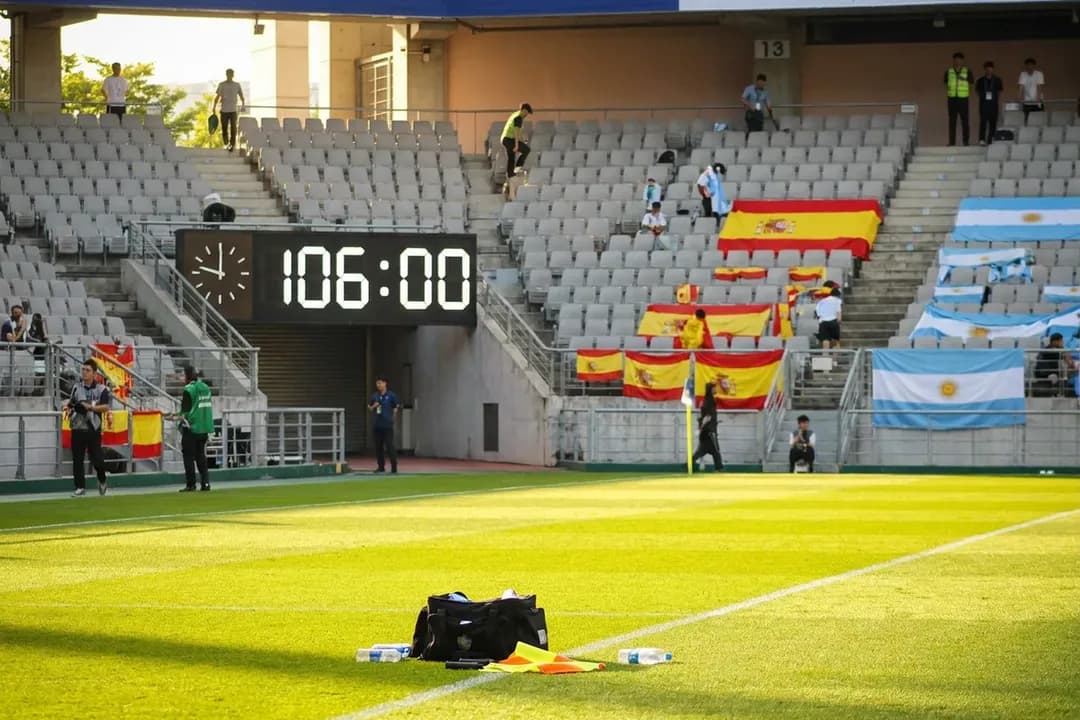
Spain Argentina Needed 106 Minutes Before Ferran Broke Deadlock
Spain and Argentina finished 90 minutes scoreless before the final moved into extra time in East Rutherford. Ferran Torres scored in the 106th minute, giving Spain a 1-0 win and making penalties unnecessary.
Spain and Argentina needed more than the standard 90 minutes to settle their final in East Rutherford, where a scoreless regulation period pushed the match into extra time. Ferran Torres broke the deadlock in the 106th minute, and Spain’s 1-0 win meant the trophy was decided before penalties were required. For anyone searching how many minutes in a soccer game, this final offered the clearest answer: most matches are built around 90 minutes, but knockout finals can keep going when the score is level. The key is understanding what extra time is, and what it is not.
Updated August 2026: World Cup schedules, stadium policies, player statistics, broadcast details, and post-match records can change quickly. Check the linked FIFA, stadium, broadcaster, or tournament sources in the Sources section before using this guide for travel, tickets, viewing plans, or factual citation.
Text Karpo for a personalized final-recap plan: get the key timing explained, build a post-match celebration route, find nearby food ideas, or turn Spain’s 106th-minute winner into a city night plan that fits your group.
Fact-checked update
Fact-checked update (August 10, 2026): this article was rechecked against Associated Press final report, FIFA final hub. The refresh keeps the body focused on cited schedule, rules, result, and context claims; readers should use the linked official or primary sources for any late-breaking match changes.
Direct answer: Get the key World Cup Extra Spain Argentina Rules facts, including dates, scores, rules, context, and what it means for the 2026 World Cup.
Why 90 Minutes Was Not Enough In This Final
The regulation portion of a soccer match is two halves of 45 minutes, plus any time the referee adds for stoppages. Spain and Argentina reached the end of that phase without a goal, so the final could not be settled in normal time. In a knockout final, a tied score after 90 minutes usually triggers the competition’s extra-time procedure rather than ending the match as a draw. That is why the game continued beyond the familiar 90-minute structure.
This matters because the clock can make the sport look simple while the format adds layers. A league match can often finish level, but a final needs a winner. Once Spain and Argentina remained 0-0 after 90 minutes, the next step was not a replay, a restart, or an immediate penalty shootout. The match moved into extra time, giving both sides an additional window to score before penalties would become necessary.
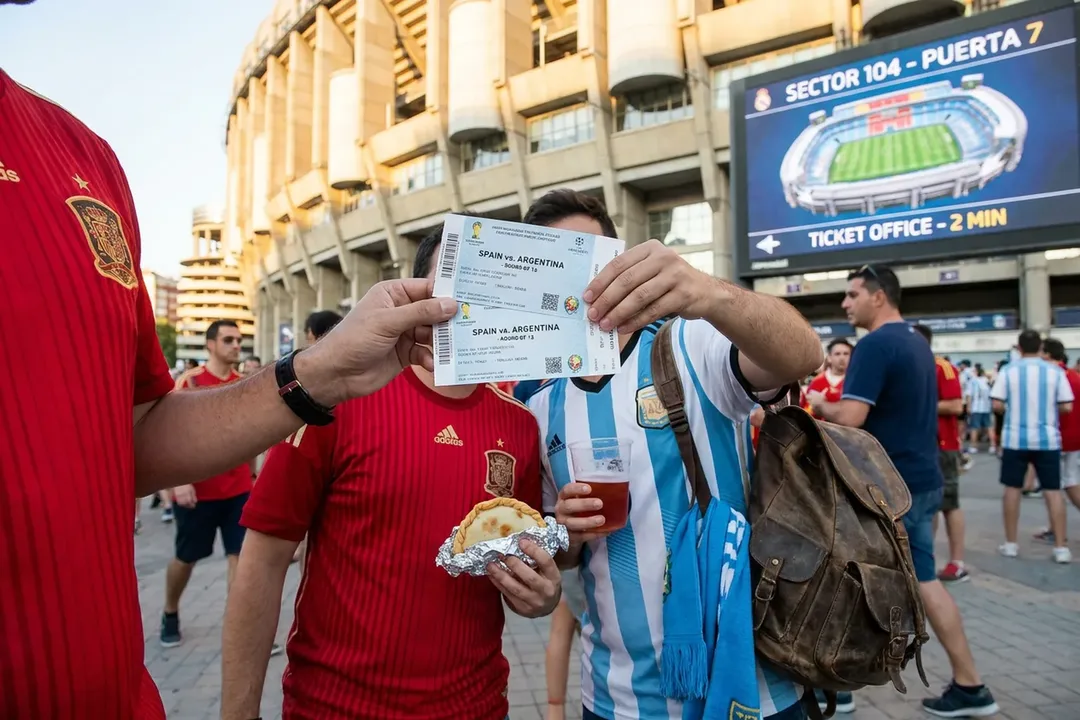
How Extra Time Works Under IFAB Rules
Under the IFAB Laws of the Game, extra time is made up of two equal periods that do not exceed 15 minutes each. In practical terms for major finals, that means a first extra-time period and a second extra-time period, creating up to 30 additional minutes of play. The structure is fixed by the competition rules, and it is separate from the 90 minutes that make up normal time.
The important point is that extra time is not sudden death. A goal in extra time does not automatically end the match the moment it is scored. Ferran Torres scored in the 106th minute, but that goal functioned like any other goal within a timed period: it changed the score and put Spain ahead. Argentina still had time under the format to respond, but Spain’s lead stood, so the final finished 1-0.
What The 106th Minute Actually Means
The 106th minute sits just after the opening 15-minute segment of extra time. When a match reaches 90 minutes tied, the extra-time clock continues into a new phase, and the minutes are usually described beyond 90 rather than reset for the public. So a 106th-minute goal tells fans that the breakthrough came early in the second period of extra time, after regulation had already passed without a goal.
That timing is why the goal felt so decisive without changing the rules. Spain had waited through all of normal time and the first extra-time period before Ferran Torres finally found the breakthrough. Argentina did not lose because the goal instantly ended play; Argentina lost because no equalizer followed before the match reached its conclusion. The 106th-minute detail marks when the deadlock broke, not a special rule that shortened the final.
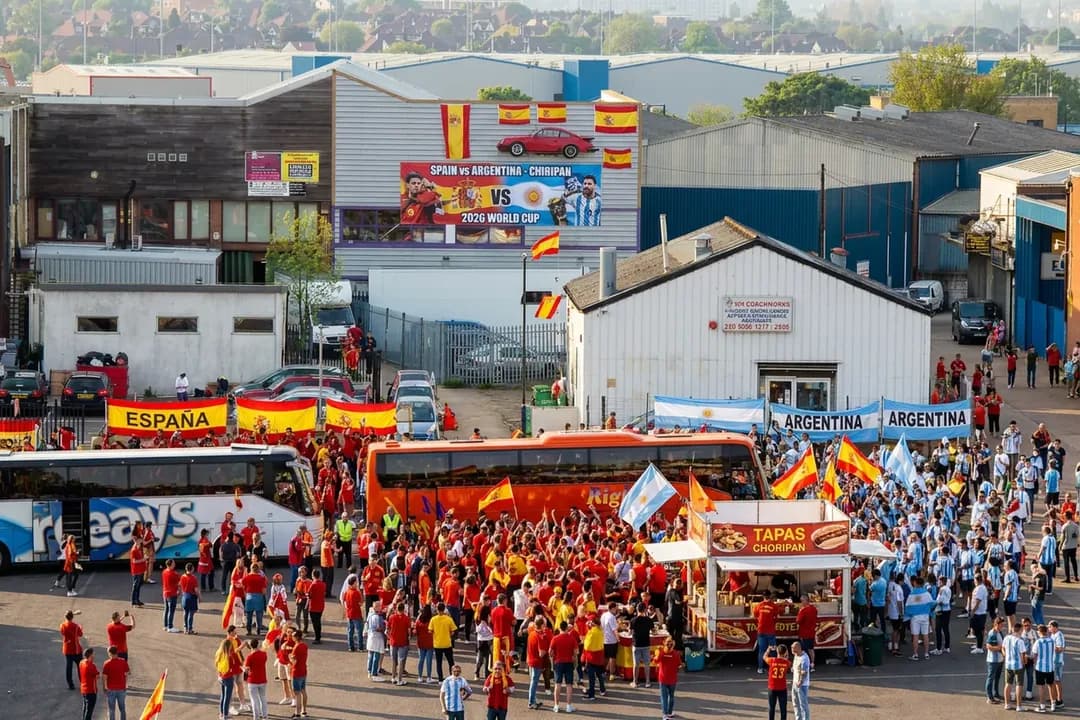
Why Penalties Were Not Needed
Penalty shootouts are a tiebreaking method used only when the competition requires a winner and the teams are still level after extra time. They are not the automatic next step after 90 minutes in a final that uses extra time first. Spain and Argentina were level after regulation, so extra time came next. Ferran Torres then scored, and Spain finished as the only team with a goal in the match.
Because Spain won 1-0, there was no need for kicks from the penalty mark. That is the practical sequence fans should remember: regulation time, then extra time if the score is level, then penalties only if the score remains level after extra time. This final stopped before the final step. The decisive moment arrived in open play, not in a shootout, which is why the scoreboard ended with a single Spanish goal.
Answering How Many Minutes In A Soccer Game
For the basic question, how many minutes in a soccer game, the standard answer is 90 minutes, divided into two 45-minute halves. That answer covers the core length of the sport. It does not include halftime, stoppage time added by the referee, extra time in knockout matches, or penalty shootouts when they are required. A final like Spain against Argentina shows why the real viewing window can extend well beyond the basic number.
The cleanest way to explain it is to separate match time from decision time. Normal match time is 90 minutes plus stoppage time. If a knockout final is tied, extra time can add two 15-minute periods. If it is still tied after that, penalties can decide the winner. Spain and Argentina needed extra time, but not penalties, because Ferran Torres scored in the 106th minute and Spain’s 1-0 advantage held.
What Fans In East Rutherford Saw
At the East Rutherford final, with the New York City area serving as the wider stage, fans saw a match defined by patience and format as much as by the scoreline. The scoreboard stayed 0-0 through the end of normal time, keeping both Spain and Argentina alive and forcing the final into the additional periods built for exactly this scenario. The format gave the match room to find a winner before a shootout.
That winner arrived through Ferran Torres in the 106th minute, turning a scoreless final into Spain’s 1-0 victory. The result is also a useful teaching case for new fans: extra time is a timed extension, not an instant-ending rule, and penalties are a backup rather than a certainty. Spain needed 106 minutes to break through, and because that goal decided the match, the final never had to reach penalties.
Tags: #WorldCup2026
Sources consulted: IFAB Laws of the Game · Associated Press final report · FIFA final hub
All trademarks are the property of their respective owners.
Ask Karpo First
Ask Karpo to turn this final into your own recap: explain the timing, build a Spain celebration plan, find post-match food, or map a New York City-area night around the 106th-minute winner.
Ask Karpo for more information.
Keep reading
- Haaland Has Seven Goals and Norway Runs Entirely Through Him
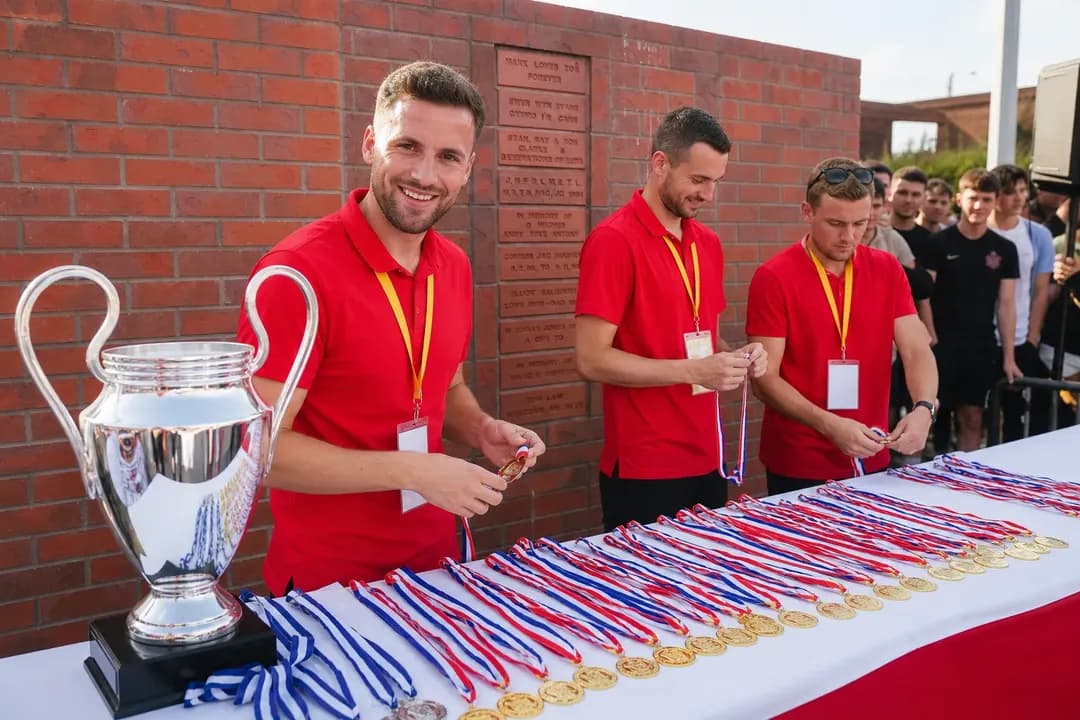 World Cup Trophy Ceremony Timing Medals and Postmatch Celebrations
 Olise and France's Attack: The Semifinal Tactical Question