The Moment the Internet Broke (Again)
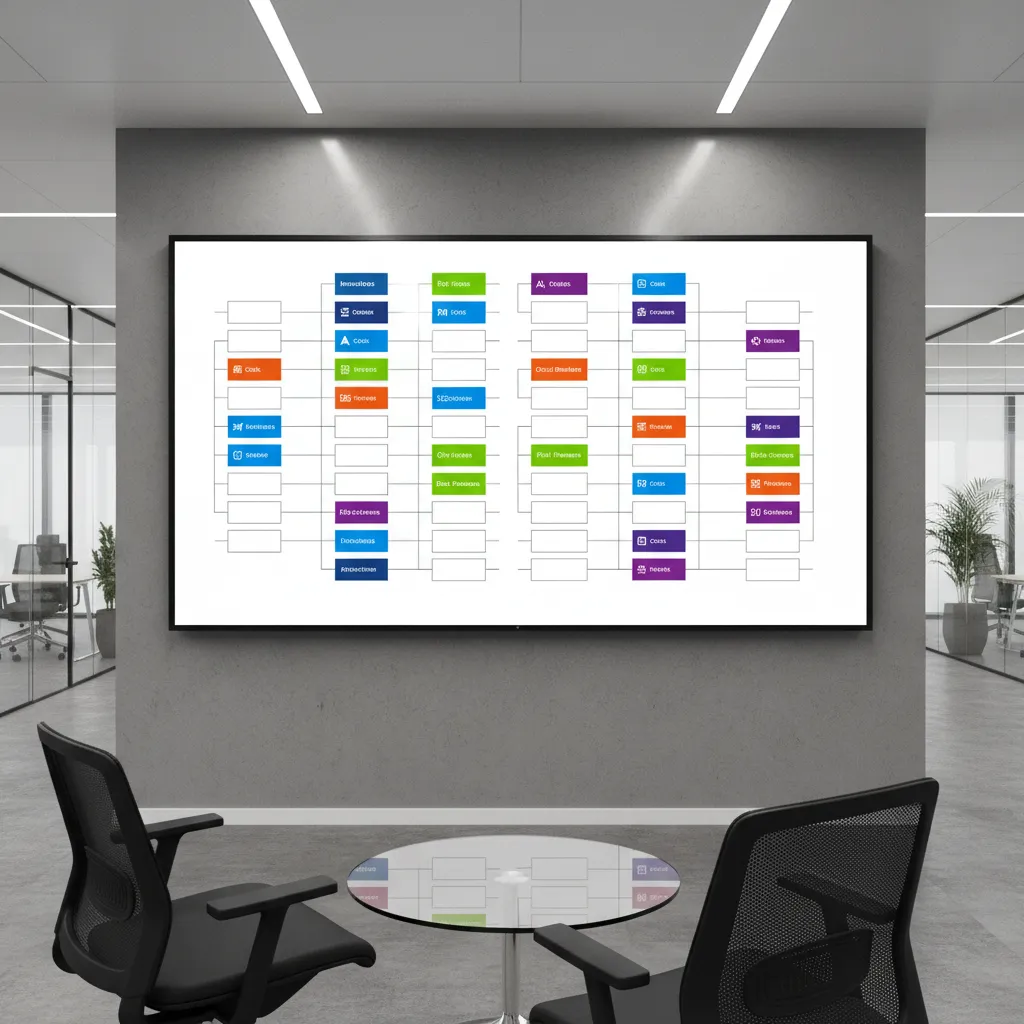
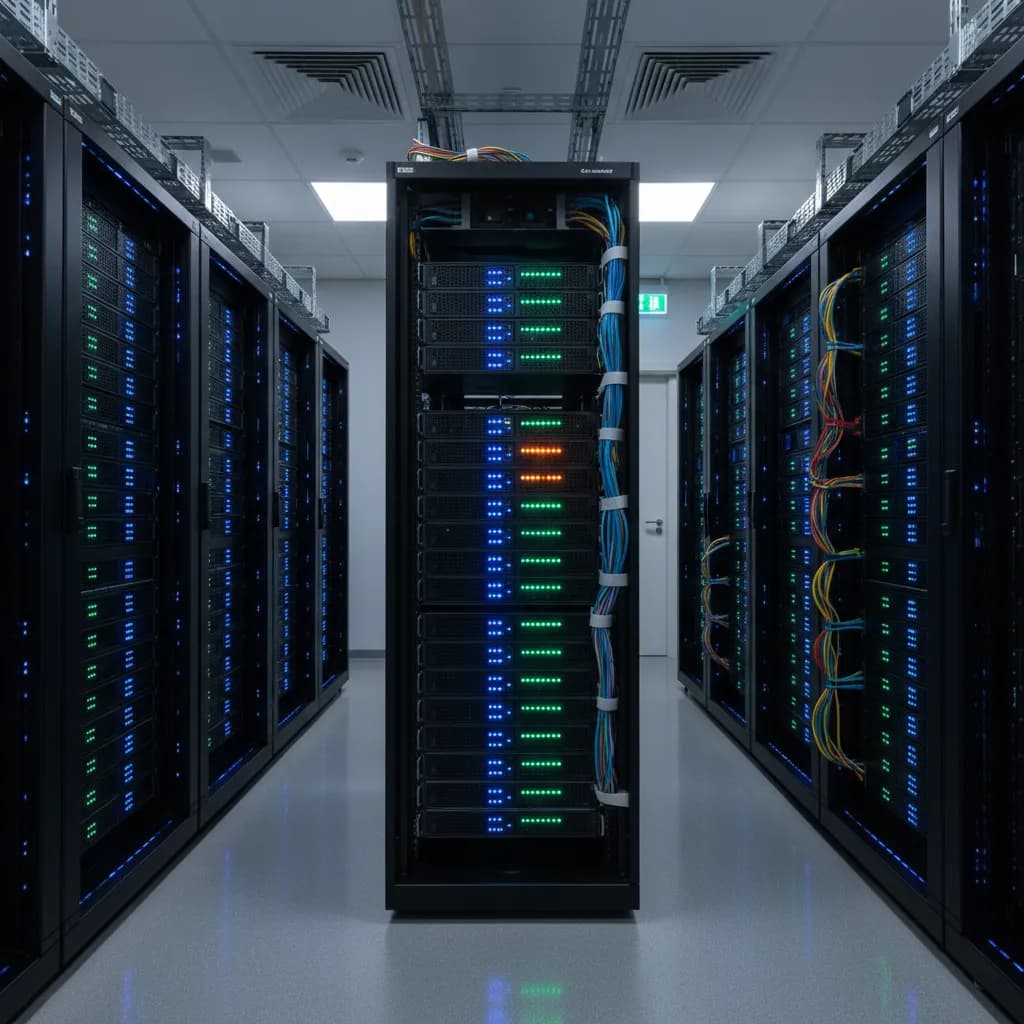
At 10:17 AM Eastern Time on June 26, 2026, the group stage of the FIFA World Cup ended. Within seconds, 40 million users worldwide attempted to access FIFA's official bracket predictor tool — a Google Cloud-powered interactive feature that allowed fans to predict every knockout-round result from the Round of 32 to the Final. By 10:18 AM, the servers were down. The bracket predictor displayed a spinning wheel, then an error message, then nothing at all. Google's Cloud infrastructure, designed to handle some of the world's largest traffic spikes, had been overwhelmed by the sheer volume of simultaneous requests.
The Scale of Demand Was Unprecedented
FIFA's bracket predictor was always expected to be popular. The 48-team format — expanded from 32 for the first time — meant there were 63 matches to predict across five knockout rounds. The possible bracket combinations exceeded 9.2 quintillion — a number so large it is essentially infinite. Google had prepared for high traffic, allocating additional server capacity based on projections from the 2022 World Cup. But the projections were based on a 32-team format with 16 knockout matches. The expanded format, combined with the tournament being hosted in the world's largest internet market, created demand that exceeded even the most optimistic estimates by a factor of three.
47 Minutes of Global Frustration
The outage lasted 47 minutes — an eternity in internet time. During that period, #BracketDown trended globally on X, Instagram, and TikTok. Fans posted screenshots of error messages, created memes about Google's servers being "eliminated from the World Cup," and suggested increasingly creative alternatives for bracket prediction (pen and paper, carrier pigeons, shouting into the void). Google's engineering team later revealed that the crash was caused by a cascading failure in their load-balancing system, triggered by a traffic spike that exceeded their auto-scaling capacity.
The Bracket Format Itself Was a Cultural Event
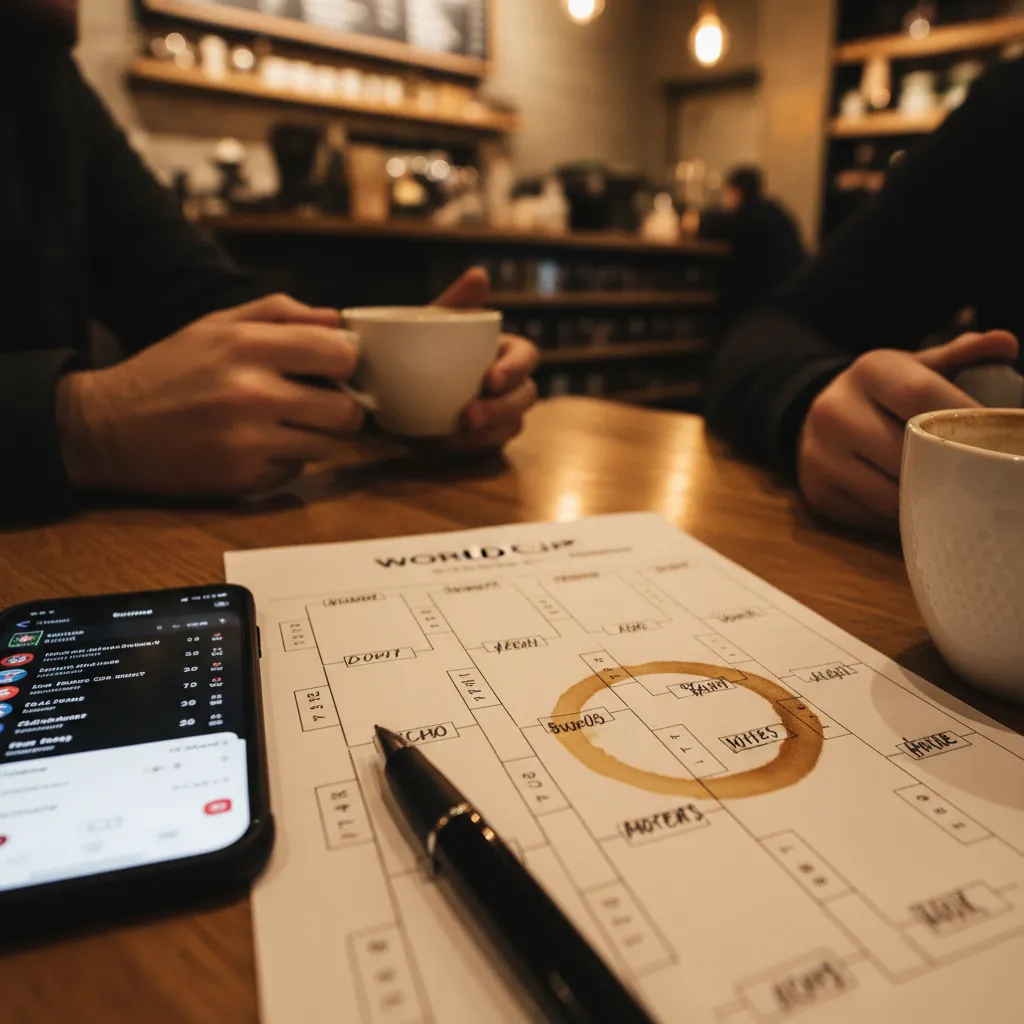
The bracket predictor tapped into something deeply American — the bracket culture established by NCAA March Madness. For decades, filling out tournament brackets has been a social ritual in the United States, with office pools, family competitions, and media analysis dedicated to prediction. FIFA and Google deliberately designed the World Cup bracket predictor to mimic this experience, knowing that American fans would embrace the format. They were right — but they underestimated just how enthusiastically.
Google's Post-Mortem Revealed the Numbers
In the 24 hours after the service was restored, 87 million unique brackets were completed. The average time to fill out a bracket was 14 minutes. The most popular predicted finalist was Brazil (picked by 31% of users), followed by France (24%) and Argentina (19%). The most common upset predicted was Japan over Brazil in the Round of 32 — a result that reflected both the genuine quality of the Japanese team and the contrarian instincts of bracket-fillers worldwide. The data also revealed a strong home-nation bias: 78% of American users picked the USA to reach at least the quarterfinals.
The Commercial Impact Was Enormous
The bracket predictor was not just a fan engagement tool — it was a data goldmine. Users who completed brackets were prompted to sign in with their Google accounts, providing FIFA and its commercial partners with demographic and behavioral data. Sponsored brackets from Coca-Cola, Adidas, and Visa generated an estimated $45 million in advertising revenue. The tool also drove traffic to FIFA's ticketing platform, with a 340% increase in ticket page visits in the hour after the bracket predictor came back online.
What It Means for the Future of Sports Engagement
The bracket predictor crash was embarrassing for Google, but its underlying success points to a future where interactive fan engagement is as important as the matches themselves. The 2026 World Cup has demonstrated that modern fans do not just want to watch — they want to participate, predict, compete, and share. The bracket predictor, despite its rocky launch, gave them exactly that. Future World Cups will almost certainly build on this model, with more sophisticated prediction tools, real-time scoring, and social features designed to keep fans engaged between matches.
Tags: World Cup 2026, bracket predictor, Google Cloud crash, 40 million users, knockout stage, fan engagement, server outage, March Madness, interactive tool, FIFA
Sources consulted: ESPN · FIFA · BBC Sport
All trademarks, team names, league names, and player likenesses mentioned in this article are the property of their respective owners and are used here for informational and editorial purposes only.
Ask Karpo First
Want to fill out your own World Cup bracket and find the best match predictions? Ask Karpo for the latest knockout bracket, match odds, and interactive World Cup tools.