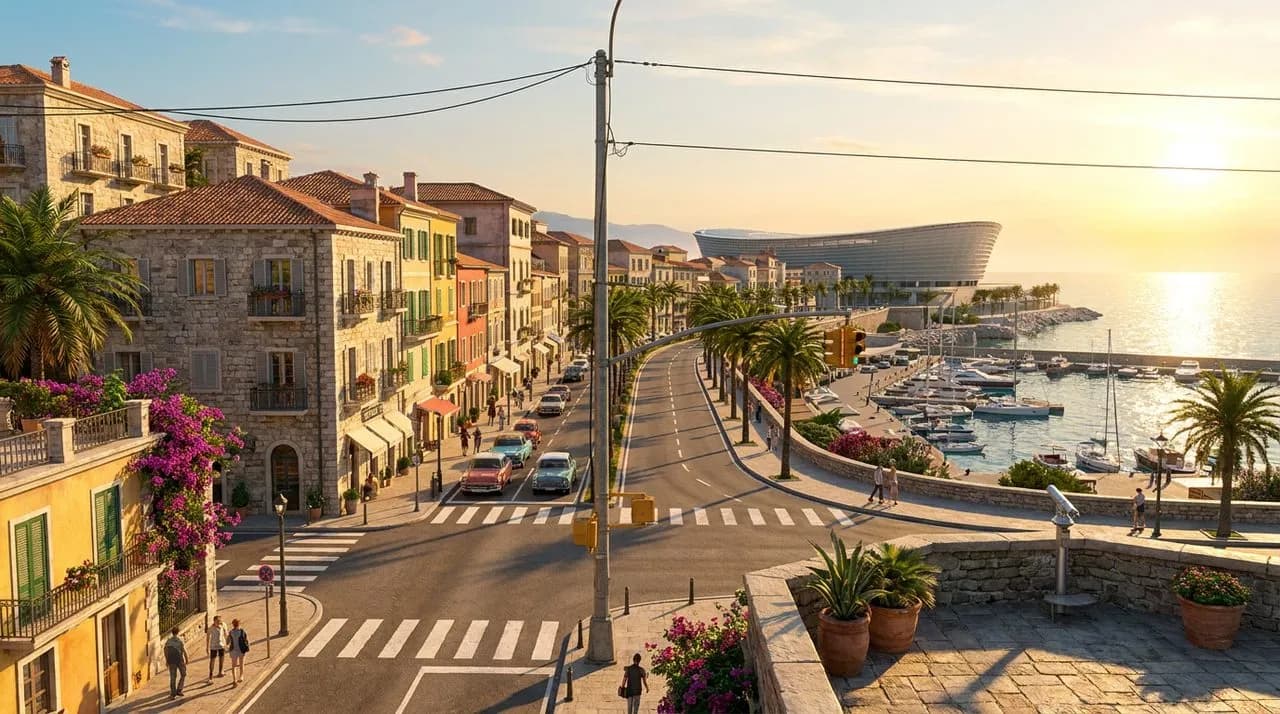
The sun dips below the horizon, painting the sky over the Strait of Gibraltar in hues of orange and purple. Tangier and Andalusia, stunning landscapes, are potential backdrops for humanity's greatest sporting spectacle. As the dust settles on the 2026 World Cup, the eyes of the football world are already turning towards 2030, a tournament poised to be truly global, bridging continents and commemorating a century of footballing glory. The question on everyone's lips: where is the next World Cup, and what fascinating destinations await?
The Unprecedented Six-Country Format
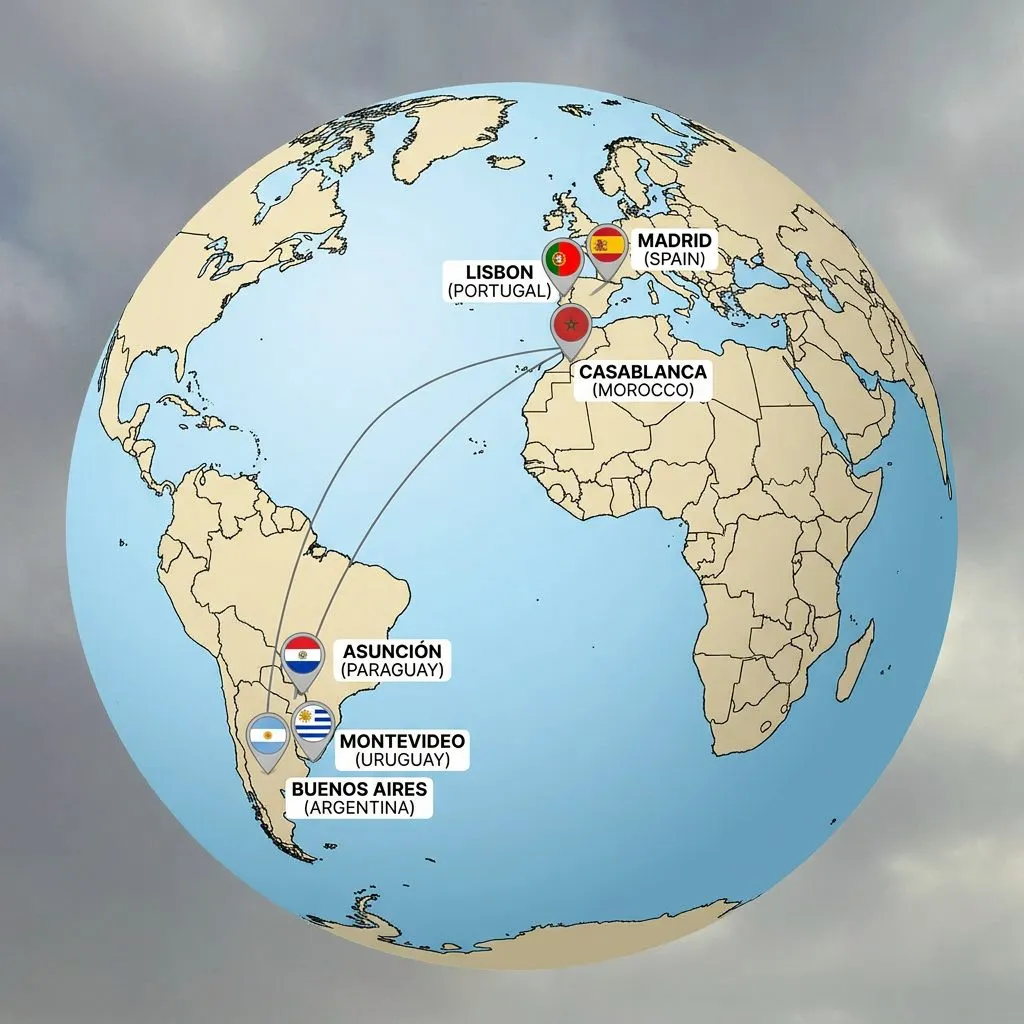
The 2030 FIFA World Cup is breaking new ground with an unprecedented six-country, three-continent format. While Spain, Portugal, and Morocco are the official joint hosts, three South American nations – Uruguay, Argentina, and Paraguay – will stage ceremonial opening matches, commemorating the tournament's 100th anniversary. This innovative structure aims to celebrate the birthplace of the World Cup while creating a truly global festival of football. The vast majority of the tournament, including the final, will take place across the Iberian Peninsula and North Africa, promising a vibrant mélange of cultures, cuisines, and fervent football passion. This geographic spread will present both logistical challenges and incredible opportunities for fans.
Spain's Proposed Venues: Madrid, Barcelona, and Beyond
Spain, a nation synonymous with footballing artistry, is expected to be a central hub for the 2030 World Cup. Early indications suggest the Spanish Football Federation plans to utilize an impressive array of 10 to 11 stadiums. At the forefront are, naturally, Madrid and Barcelona. The iconic Santiago Bernabéu in Madrid, recently undergoing a spectacular renovation, is a strong contender not only for high-profile group stage matches but also for a semi-final or even the grand final itself. In Barcelona, the colossal Camp Nou, also undergoing a significant facelift, promises an equally electrifying atmosphere. Local sources whisper that planners envision a final match in the new Bernabéu.
Beyond these two giants, several other Spanish cities are eager to host. Valencia's Mestalla could offer a uniquely intense experience. Seville, with its Estadio de La Cartuja and the Estadio Ramón Sánchez Pizjuán, offers a rich history and a guaranteed warm Andalusian welcome. Bilbao's San Mamés presents a strong case for its cutting-edge facilities, while Real Sociedad's Reale Arena in San Sebastián and Real Zaragoza's La Romareda are also on the provisional list. Cities like Vigo (Estadio Balaídos), Coruña (Estadio Riazor), and Málaga (La Rosaleda) further demonstrate the depth of Spain's footballing infrastructure. The sheer number of high-quality venues means that Spain will be a fantastic base for anyone wondering where is the next World Cup.
Portugal: Lisbon and Porto Stadiums
Portugal, with its stunning coastline and historic cities, brings two world-class stadiums to the 2030 bid. The capital, Lisbon, will feature prominently with the Estádio da Luz, home of Benfica, and the Estádio José Alvalade, Sporting CP's fortress. Both stadiums boast modern amenities and have a proven track record of hosting major international events. Estádio da Luz, in particular, with a capacity exceeding 64,000, is a strong contender for crucial group stage fixtures and potentially a quarter-final.
Further north, the vibrant city of Porto will contribute the Estádio do Dragão, FC Porto's impressive home ground. This stadium, known for its superb atmosphere, also has a history of hosting significant European encounters. While Portugal's contribution in terms of sheer numbers of stadiums might be smaller than Spain’s, the quality and accessibility of its venues are undeniable. Its unique charm and passionate football culture will undoubtedly be a highlight for fans.
Morocco: Casablanca's New Mega-Stadium
Morocco's inclusion marks a historic moment as the first North African nation to co-host the men's World Cup. The country's bid is anchored by ambitious plans, most notably the proposed construction of a brand-new "Grand Stade de Casablanca." This monumental project is envisioned as a flagship venue, potentially exceeding 90,000 seats – an insider tip suggests current plans are for approximately 93,000 seats – making it one of the largest stadiums in the world. Its sheer scale hints at Morocco's aspirations to host a semi-final, or even challenge for the final.
Beyond Casablanca, Morocco plans to utilize several existing and upgraded stadiums. The Stade Moulay Abdellah in Rabat and the Stade Adrar in Agadir are slated for significant renovations. The Grand Stade de Marrakech and the Grand Stade de Tangier, with their colourful atmospheres and impressive capacities, are also strong candidates. Morocco's vibrant culture, breathtaking landscapes, and warm hospitality are set to offer a truly unique World Cup experience, bridging the gap between Europe and Africa.
Centennial Matches in South America
The decision to hold the opening matches in South America is a poetic tribute to the World Cup's origins. Uruguay, as the host of the inaugural 1930 tournament, will stage the very first game of the 2030 edition at the Estadio Centenario in Montevideo. This hallowed ground, a monument to football history, will witness a truly unforgettable moment a century after its first World Cup final.
Argentina, the 1978 and 1986 champions, will host a subsequent match, likely in Buenos Aires, celebrating their rich footballing heritage. Paraguay, the spiritual home of CONMEBOL, will also host a game, recognizing its significant historical contribution to South American football. While these matches are largely ceremonial, they offer an incredible opportunity for fans to participate in a once-in-a-lifetime historical event before the main tournament kicks off across the Strait of Gibraltar. This special arrangement answers the question of where is the next World Cup with a profound nod to its past.
Practical Notes
For fans beginning to ponder their 2030 World Cup adventure, early planning will be key. The logistical challenges of navigating between three distant host nations (Spain, Portugal, Morocco) and the three South American sites for the ceremonial centennial matches will require careful consideration. Flights between the Iberian Peninsula and Morocco are frequent. Accommodation will likely be at a premium. Public transport within and between cities is generally excellent in Spain and Portugal. During summer months, temperatures in Spain and Morocco can be very high, so hydration and sun protection will be crucial. An unofficial rumour swirling amongst bid committees highlights the importance of fan zones in each major city, offering communal viewing experiences and cultural activities. Keep an eye on official FIFA announcements for the definitive match schedule, venue allocations, and ticketing information, typically released much closer to the tournament.
Tags: #WorldCup2030 #FIFAWorldCup #Spain2030 #Portugal2030 #Morocco2030 #Football #Travel #SportsTravel #WorldCupHistory #CentennialWorldCup #EuropeanFootball #AfricanFootball #SouthAmericanFootball #GlobalFootball #Futbol
Sources consulted: fifa.com · metlifestadium.com
All trademarks are the property of their respective owners.
Ask Karpo First
Curious about which cities will host 2030 World Cup matches, how to start planning travel to Spain or Morocco, or what the centennial match format looks like? Ask Karpo for 2030 venue previews, early travel planning tips, and a timeline of announcements to follow.